

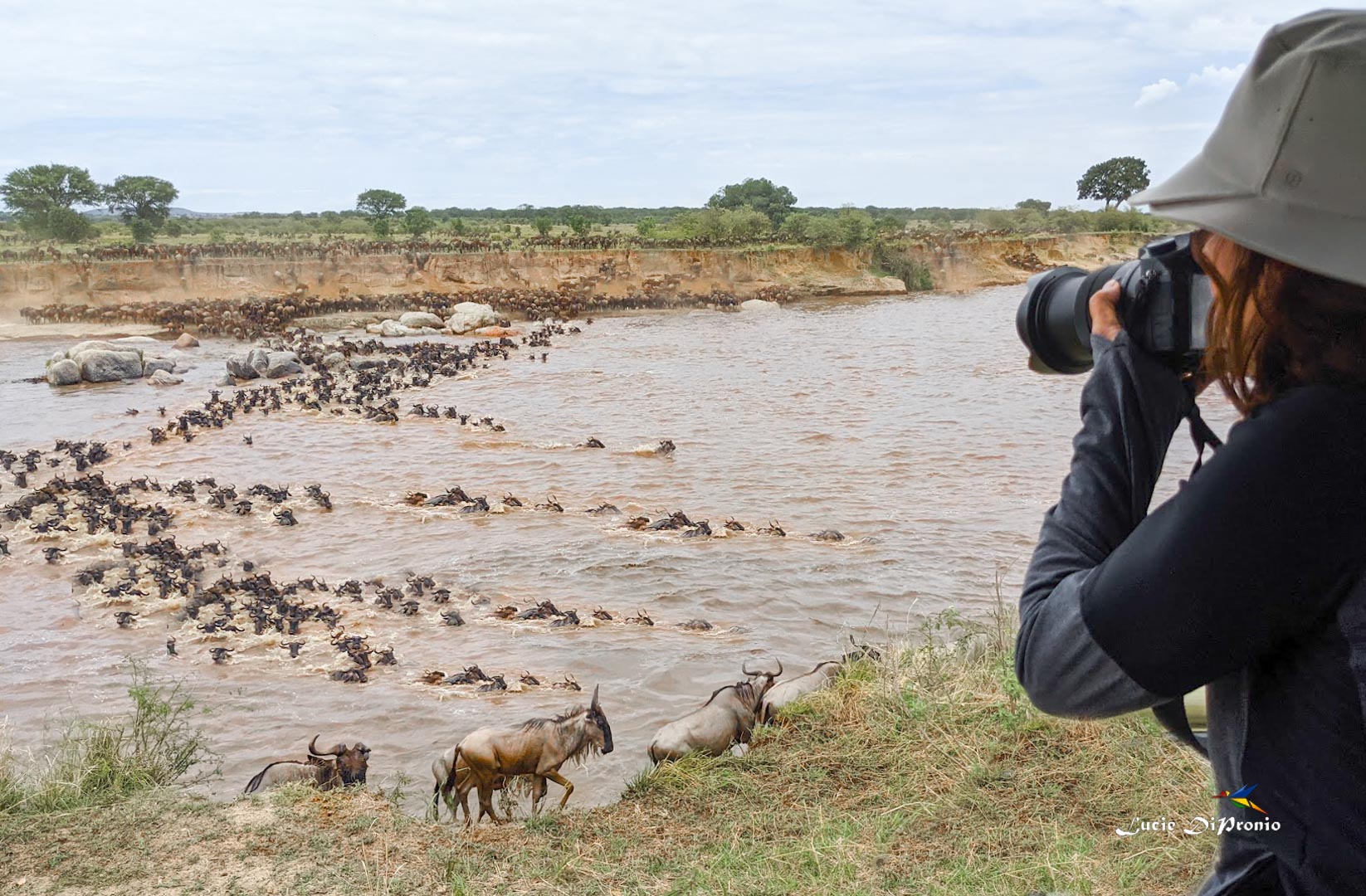
Best Viewpoints for Watching the Mara River Crossings
Overview of Prime Viewing Strategy
The best viewpoints for witnessing the Mara River crossings are not single fixed spots but strategically positioned river sections where herd pressure, access, and terrain combine to create predictable viewing opportunities. These locations sit along the migration corridor between the northern Serengeti National Park and the Maasai Mara National Reserve, where the Mara River forms natural crossing bottlenecks.
Successful viewing depends less on scenic beauty and more on positioning relative to known crossing points, herd movement direction, and vehicle access routes. The ideal viewpoints are those where guides can observe both waiting herds and river entry points simultaneously.
In practice, the best viewpoints are concentrated in a few high-probability river zones that consistently attract migration pressure during peak season (July to October).
Kogatende Region: Northern Serengeti’s Prime Viewing Hub
Kogatende is widely regarded as one of the most reliable Mara River crossing viewpoints in the entire migration system. Located in the northern sector of the Serengeti, it offers multiple access points to the river.
This area features wide plains leading directly to the riverbanks, allowing clear visibility of herd buildup before crossing begins. Travelers can often see thousands of wildebeest gathering in open grasslands before any movement starts.
Kogatende is particularly effective because it has several nearby crossing points within a short driving radius. This increases the chances of being close to an active crossing even if herds shift location.
The terrain also allows for better photographic angles, with open riverbanks and fewer obstructions compared to heavily wooded sections.
Lamai Wedge: Elevated and Less Crowded Perspective
The Lamai Wedge offers a more exclusive and less congested viewing experience on the northern edge of the Serengeti. It is a triangular land area bordered by the Mara River and the Kenyan border.
This region is known for dramatic, large-scale crossings with fewer vehicles compared to other hotspots. The lower tourist density creates a more immersive safari experience.
Lamai provides slightly elevated terrain in some areas, allowing better vantage points over river bends where herds gather before crossing.
Because of its remoteness, access is more limited, but this often results in higher-quality viewing conditions when crossings occur.
Mara Triangle: High Activity Zone in the Maasai Mara
On the Kenyan side, the Mara Triangle is one of the most active and accessible crossing zones within the Maasai Mara National Reserve. It lies between the Mara River and the Oloololo Escarpment.
This area is known for frequent crossings during peak migration months, often with multiple events occurring within a single day. Its proximity to established road networks makes it easier to reach active sites quickly.
The Mara Triangle offers strong river visibility from multiple bends, allowing guides to reposition vehicles when herd movement changes.
However, this popularity also means higher vehicle density during peak season, which can affect viewing experience depending on timing.
Lookout Points Along River Bends
Natural river bends are some of the most important micro-viewpoints for observing crossings. Wildebeest often gather at these bends because they offer shallower entry points and more stable banks.
These locations allow observers to anticipate crossings before they happen, as herd hesitation is clearly visible. The buildup phase is often just as dramatic as the crossing itself.
River bends also provide multiple photographic angles, especially when animals funnel into narrow entry points.
Experienced guides often prioritize these bends because they increase prediction accuracy for crossing timing.
Flat Open Banks for Wide-Scale Viewing
Open riverbank sections are ideal for observing the full scale of a crossing event. These areas provide panoramic views of herd movement across both sides of the river.
The advantage of open banks is visibility. You can track the entire progression from herd gathering to entry and exit without obstruction.
These viewpoints are especially valuable for understanding the scale of migration rather than focusing on close-up predator action.
However, open banks may lack the dramatic bottleneck effect seen at narrower crossing points.
Elevated Terrain and Escarpment Views
Some viewpoints along the Maasai Mara feature elevated escarpments that overlook sections of the river valley. These provide a unique top-down perspective of herd movement.
Elevation allows viewers to see multiple herds simultaneously across different river sections. This is useful during peak migration when multiple crossings may occur in different locations on the same day.
These viewpoints are less common but offer a broader ecological understanding of migration patterns.
Mobile Viewing Strategy vs Fixed Viewpoints
One of the most important aspects of Mara River viewing is that the best experience often comes from mobility rather than static positioning. Herds can move between crossing points within hours.
Professional guides frequently reposition vehicles based on real-time herd tracking rather than waiting in one location. This increases the probability of arriving at active crossings rather than inactive zones.
Static viewpoints are useful for anticipation, but mobile tracking is essential for success.
Morning vs Afternoon Viewing Locations
Morning viewing often focuses on inland approaches where herds gather after nighttime grazing. These areas are useful for predicting which river sections may become active later in the day.
Afternoon viewing typically shifts closer to the river itself, where crossing attempts are more likely to occur as temperatures stabilize.
Successful safaris often combine both approaches within the same day, increasing exposure to different phases of crossing behavior.
Why Some Viewpoints Are Better Than Others
The quality of a viewpoint is determined by three key factors: herd concentration, river accessibility, and terrain visibility.
High herd concentration increases the likelihood of crossing attempts. Without pressure at the riverbank, even the best location will remain inactive.
River accessibility determines whether animals can physically attempt a crossing at that point. Steep or muddy banks reduce activity, while gradual slopes increase it.
Visibility ensures that observers can see the full crossing sequence, from buildup to entry and exit.
Crowd Density and Viewing Experience
Some of the best viewpoints also attract the highest number of safari vehicles, especially in the Maasai Mara. This can create congestion during peak crossing moments.
Northern Serengeti locations like Kogatende and Lamai generally offer a more exclusive experience due to fewer camps and lower visitor density.
Choosing between solitude and accessibility is a key planning decision for travelers.
Realistic Expectation of Viewpoint Success
Even at the best viewpoints, a crossing is never guaranteed at any specific time. Herd movement remains unpredictable regardless of location quality.
However, positioning yourself in high-probability zones significantly increases your chances of witnessing at least one crossing during your stay.
The difference between a good and poor viewpoint is not certainty, but probability and response time.
Positioning Is Everything
The best viewpoints for Mara River crossings are concentrated around key river sections in northern Serengeti and the Maasai Mara, with Kogatende, Lamai, and the Mara Triangle standing out as primary hotspots. These areas combine herd pressure, accessibility, and visibility in ways that maximize crossing potential.
However, success is not determined by location alone but by timing, mobility, and guide expertise. The most effective safaris combine strategic positioning with flexible movement across multiple viewpoints.
Ultimately, the Mara River crossing experience is shaped by being in the right place at the right moment—and having the patience to wait for nature to decide when that moment arrives.