Great Migration October: Herds Moving South — What You Will See
October marks a turning point in the Great Migration cycle, as vast herds of Blue Wildebeest begin shifting direction and gradually moving south from Masai Mara National Reserve back into Serengeti National Park. For travellers in 2026, this is a transitional yet highly rewarding period, offering a different perspective compared to the peak river crossing months of August and September.
On the ground, October is less about dramatic crossings and more about movement, dispersal, and changing landscapes, as the migration responds to the first signs of rain in the southern Serengeti. It is a time when the crowds begin to thin, the pace relaxes, and the migration reveals a more natural and fluid rhythm.
The Southward Shift Begins
By October, the migration is no longer pushing north—it is turning back. After months spent in the northern Serengeti and Masai Mara, the herds begin their gradual return journey southward.
This movement is triggered by early rainfall patterns in Tanzania, which stimulate the growth of fresh grass on the central and southern plains. Wildebeest instinctively follow these emerging feeding grounds, beginning a long journey that will eventually lead them back to the calving areas.
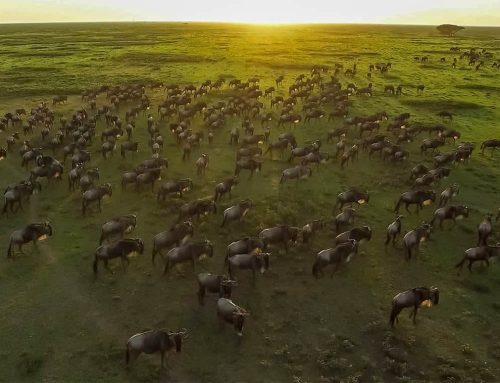
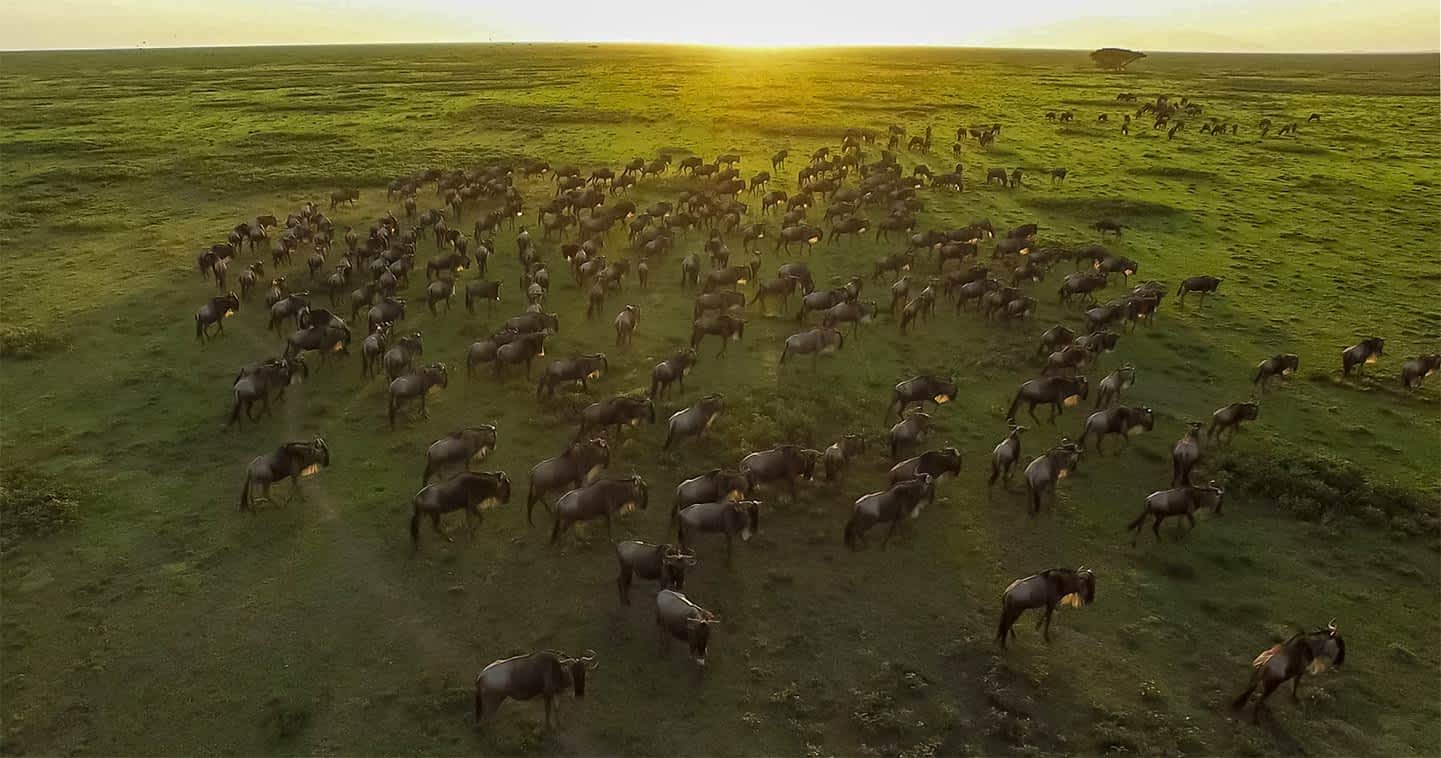
On the ground, this translates into long, scattered lines of animals moving across the landscape, rather than the dense concentrations seen in earlier months. The migration feels more spread out, but still impressive in scale.
Herd Distribution and Density
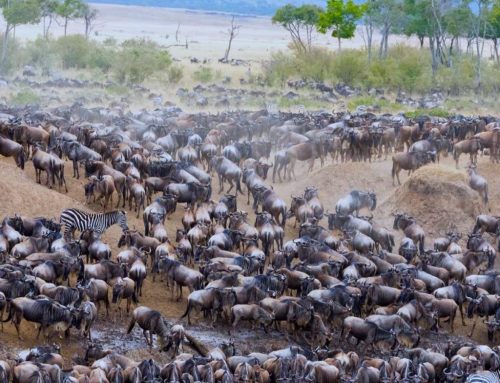
One of the defining characteristics of October is dispersal. The massive herds that once clustered tightly around river crossing points begin to break into smaller groups as they move south.
In the Masai Mara, some wildebeest remain, but many start crossing back into Tanzania. In the northern Serengeti, herds gradually thin out, while increasing numbers appear in the central Serengeti.
This redistribution creates a more balanced wildlife experience, where animals are spread across a wider area, allowing for less crowded viewing conditions and more varied game drives.
Are River Crossings Still Happening?
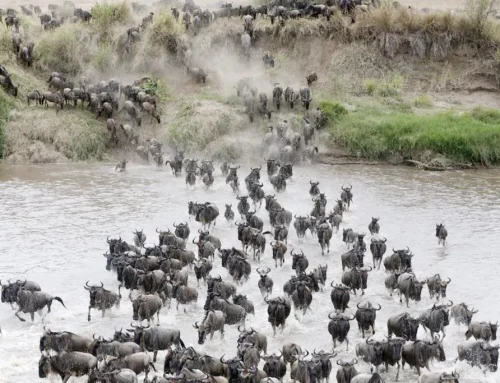
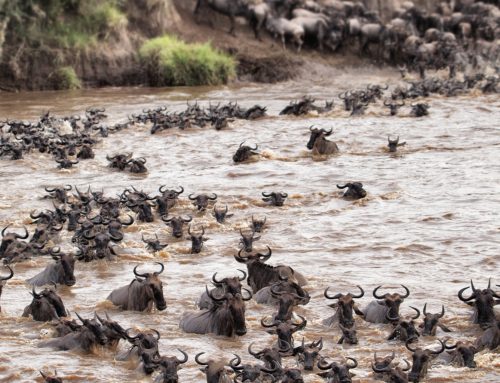
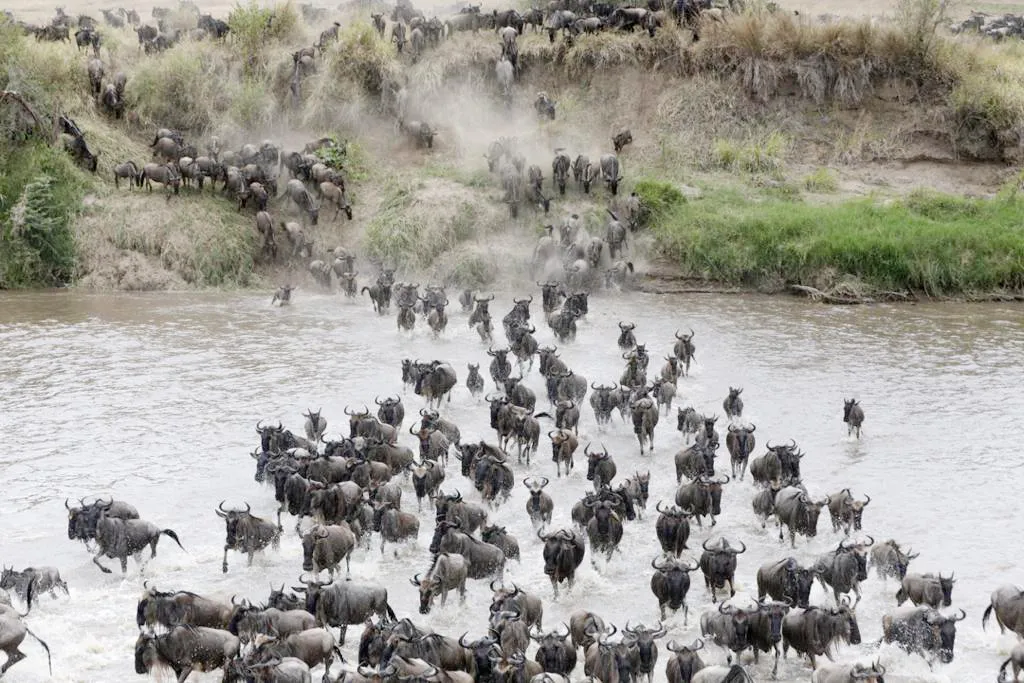
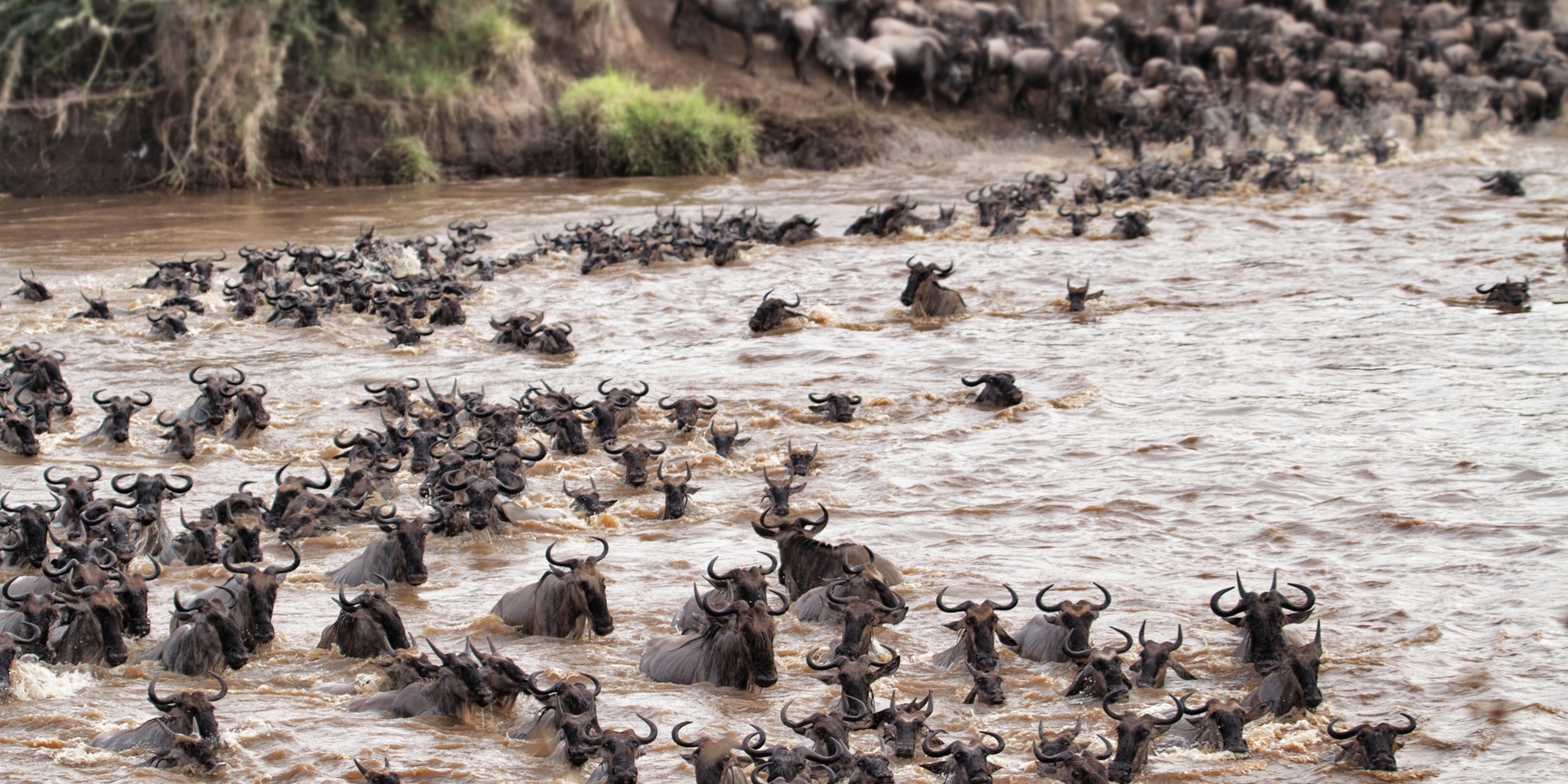
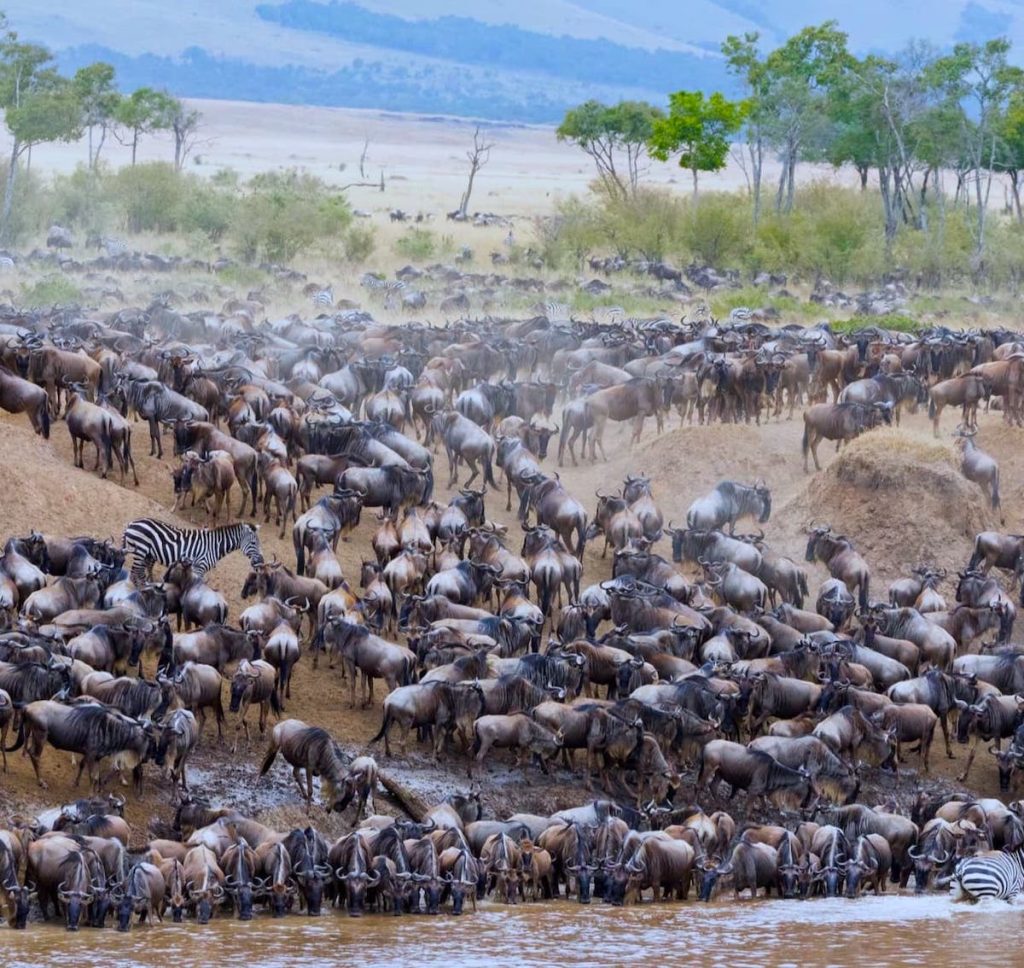
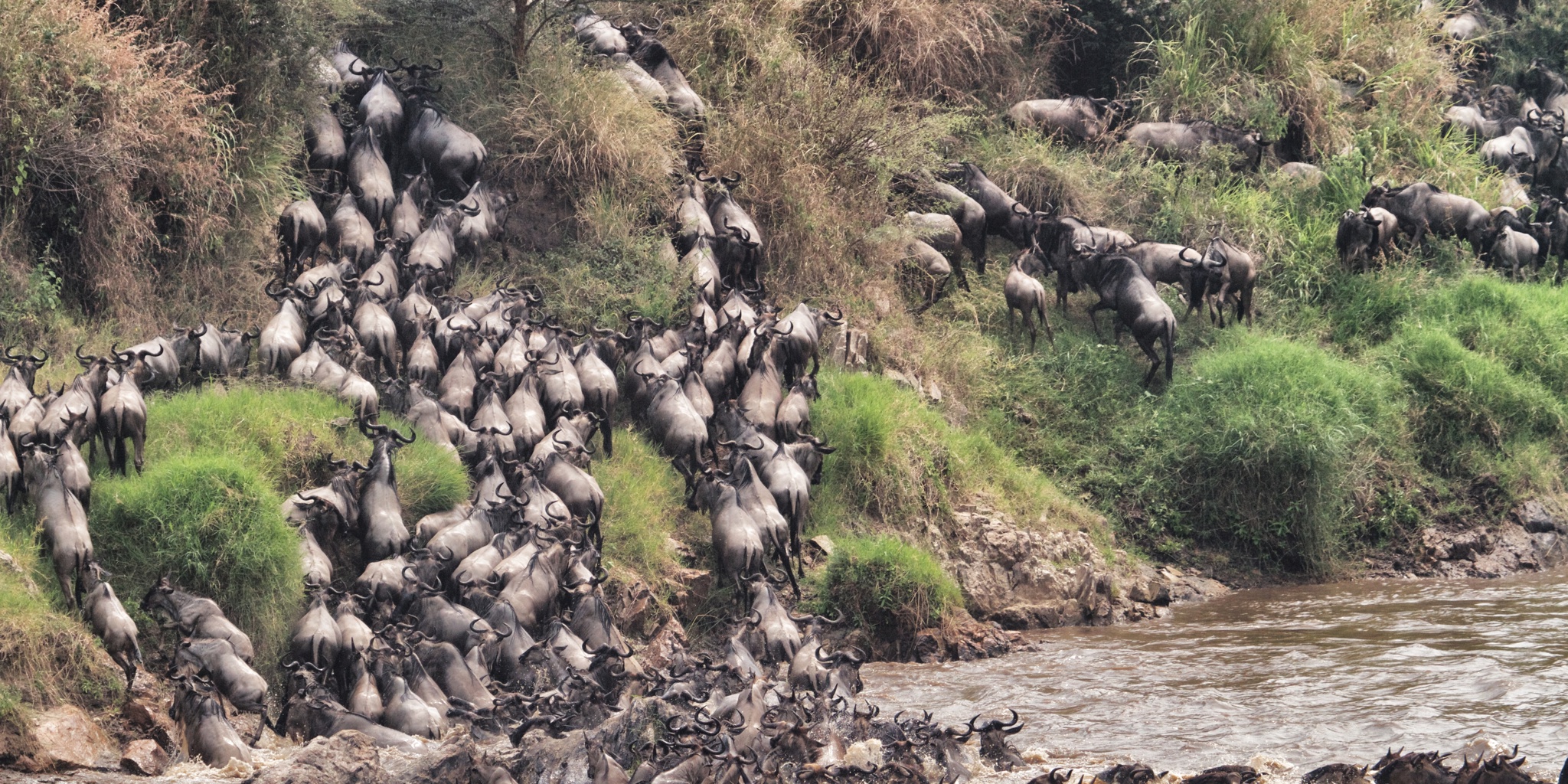
River crossings can still occur in early October, particularly along the Mara River, but they are less frequent and less predictable than in previous months.
By this stage, many herds have already crossed multiple times, and the urgency to cross decreases. Instead of large, dramatic events, travellers may witness smaller crossings or isolated groups navigating the river.
While it is still possible to see a crossing, October should not be planned solely around this expectation. Instead, it is best approached as a broader migration experience, focusing on movement and landscape rather than specific events.
Central Serengeti: The New Focus
As October progresses, the central Serengeti becomes increasingly important. This region acts as a transition zone where herds regroup and continue their journey south.
The central Serengeti offers excellent year-round wildlife viewing, and during October, it becomes a hub of activity as migrating animals pass through. Predators follow closely, creating opportunities for sightings of lions, cheetahs, and hyenas.
For travellers, this area provides a more relaxed and diverse safari experience, combining elements of the migration with consistent resident wildlife.
Predator Activity and Wildlife Encounters
Predator-prey interactions remain strong in October, even as the migration disperses. Lions and hyenas continue to track the herds, taking advantage of weakened or isolated individuals.
Because the herds are less concentrated, predator encounters may feel more intimate and less chaotic, offering opportunities to observe hunting behavior in greater detail.
In addition to predators, October is an excellent time to see elephants, giraffes, buffalo, and a wide variety of antelope species, particularly in the central Serengeti.
Landscape and Seasonal Transformation
October is a month of subtle environmental change. The dry season is beginning to transition, and the first rains may start to fall in parts of the Serengeti.
The landscape begins to shift from dry, dusty tones to hints of green, signaling the start of a new cycle. This transformation adds a unique visual element to the safari, blending the stark beauty of the dry season with the promise of renewal.
For photographers, this creates opportunities to capture contrasting textures and colors, as well as dramatic skies that often accompany changing weather patterns.
Crowd Levels and Safari Atmosphere
One of the major advantages of October is reduced crowd levels. As the peak migration season winds down, fewer travellers are present, creating a more peaceful and immersive safari environment.
Popular areas that were busy in August and September become quieter, allowing for better positioning, longer sightings, and a stronger sense of wilderness.
This makes October particularly appealing for travellers who value privacy, comfort, and a slower-paced experience.
Photography Opportunities in October
October offers a different kind of photographic appeal. Instead of focusing on dramatic river crossings, photographers can capture:
- Expansive landscapes with scattered herds
- Predator interactions in less crowded settings
- Changing seasonal colors and atmospheric conditions
- Intimate wildlife moments without heavy vehicle presence
The softer light and evolving scenery create a more artistic and varied photographic experience, ideal for those looking to go beyond the classic migration shots.
The Overall Safari Experience
October delivers a more balanced and less pressured safari experience. Without the intense focus on river crossings, travellers can appreciate the migration as part of a broader ecosystem.
Game drives feel more exploratory, with opportunities to follow herds, observe predator behavior, and enjoy the landscapes at a relaxed pace.
This shift in focus allows for a deeper understanding of the migration as a continuous cycle rather than a single dramatic event.
Who Should Travel in October
October is ideal for travellers who prefer fewer crowds and a more relaxed safari atmosphere. It suits those who are interested in the migration but are not solely focused on river crossings.
It is also a strong choice for photographers, repeat safari-goers, and travellers seeking value, as prices may begin to ease slightly compared to peak months.
For those who appreciate subtlety, movement, and the broader ecological story, October can be one of the most rewarding times to visit.
Conclusion
The Great Migration in October is defined by southward movement, dispersal, and transition. As the herds leave the Masai Mara and move back into the Serengeti, travellers witness a different side of the migration—one that is less dramatic but equally fascinating.
While river crossings become less frequent, the experience remains rich with wildlife encounters, changing landscapes, and a quieter safari atmosphere.
In 2026, October offers a compelling alternative to peak-season travel, providing a more intimate and reflective perspective on one of the world’s greatest natural events. For those willing to look beyond the headline moments, it reveals the migration in its most natural and evolving form.