Great Migration September: Is It Too Late for Crossings?
September sits right at the heart of the Great Migration season, raising a common question among travellers: is it too late to see the famous river crossings? The short and honest answer is no—September is still one of the best months, often overlooked in favor of August but delivering equally powerful experiences.
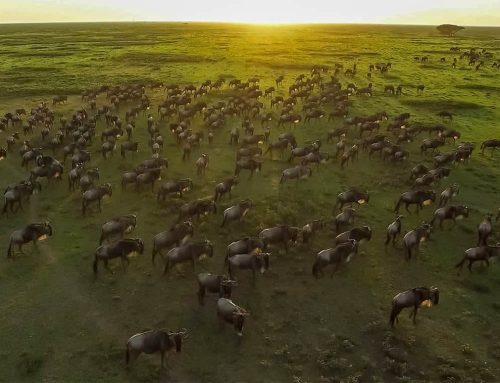
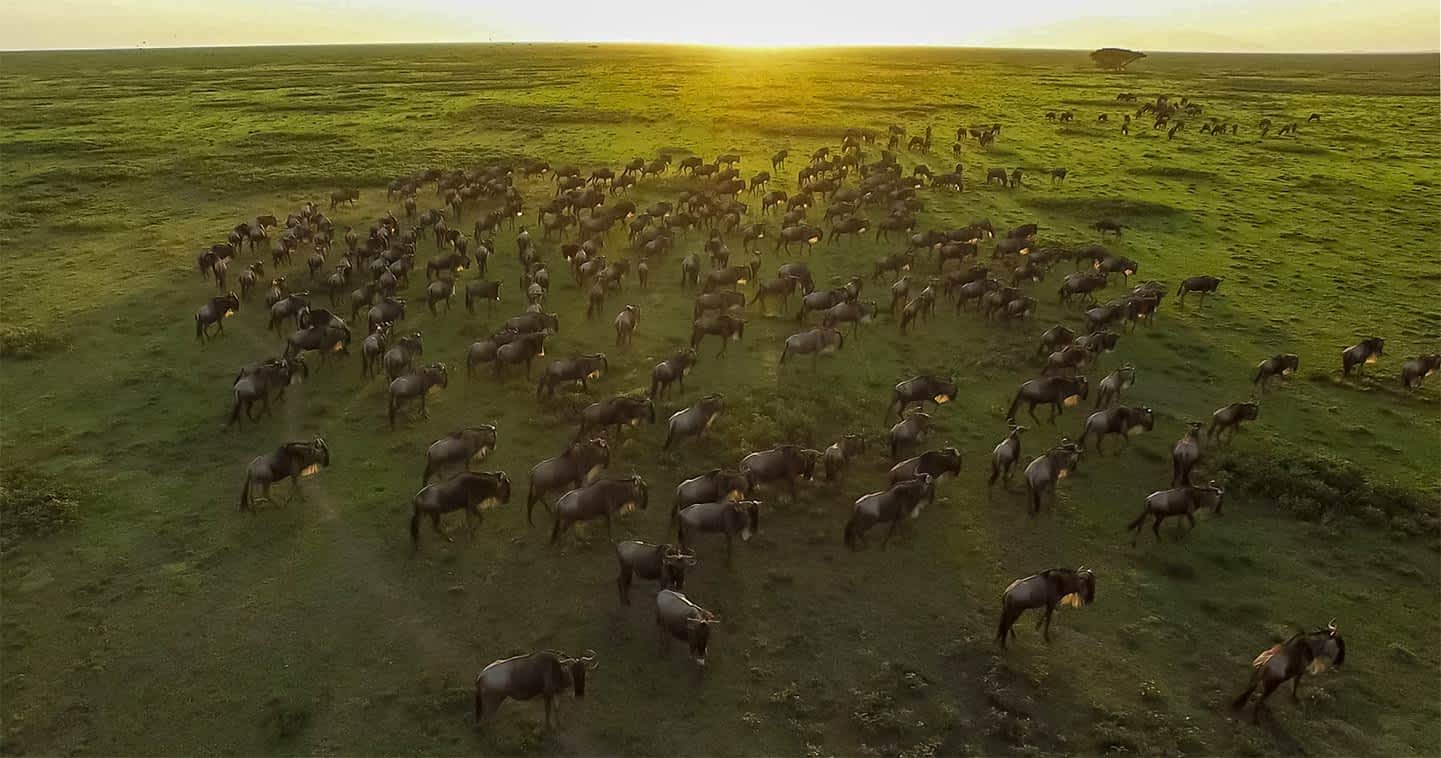
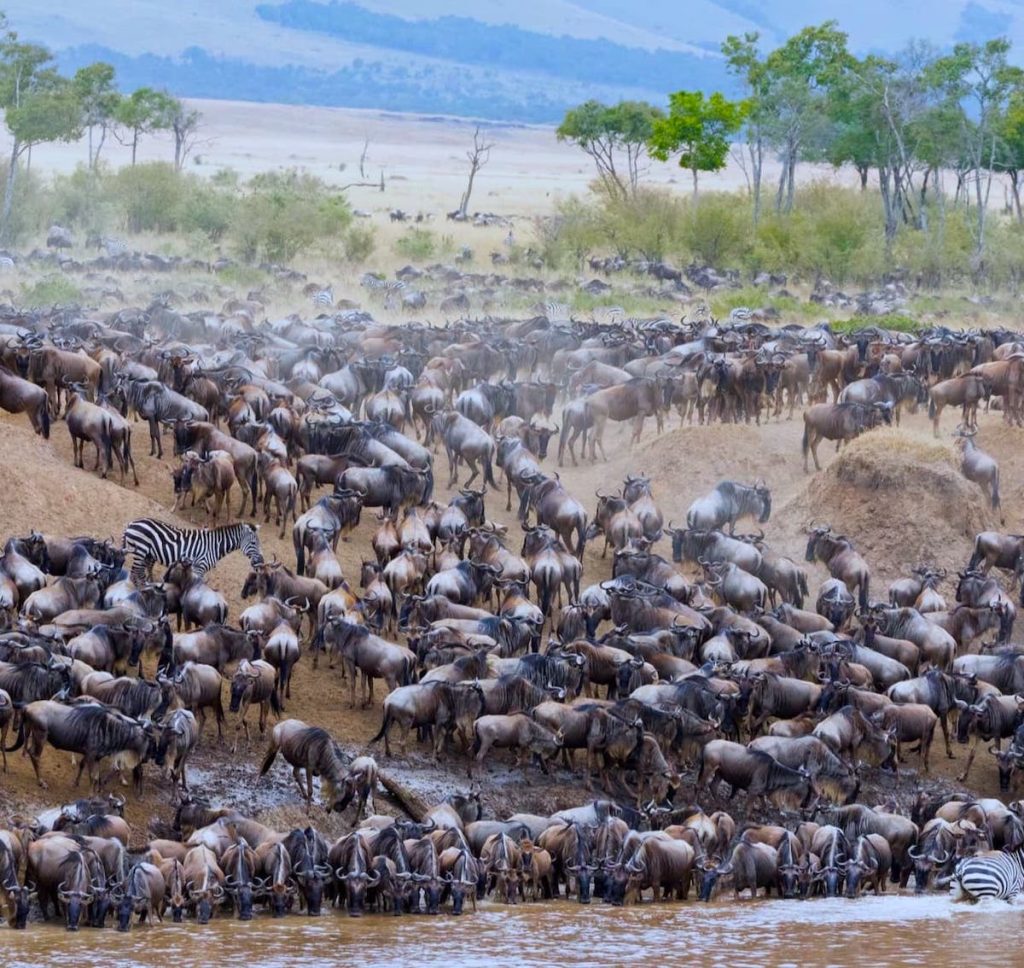
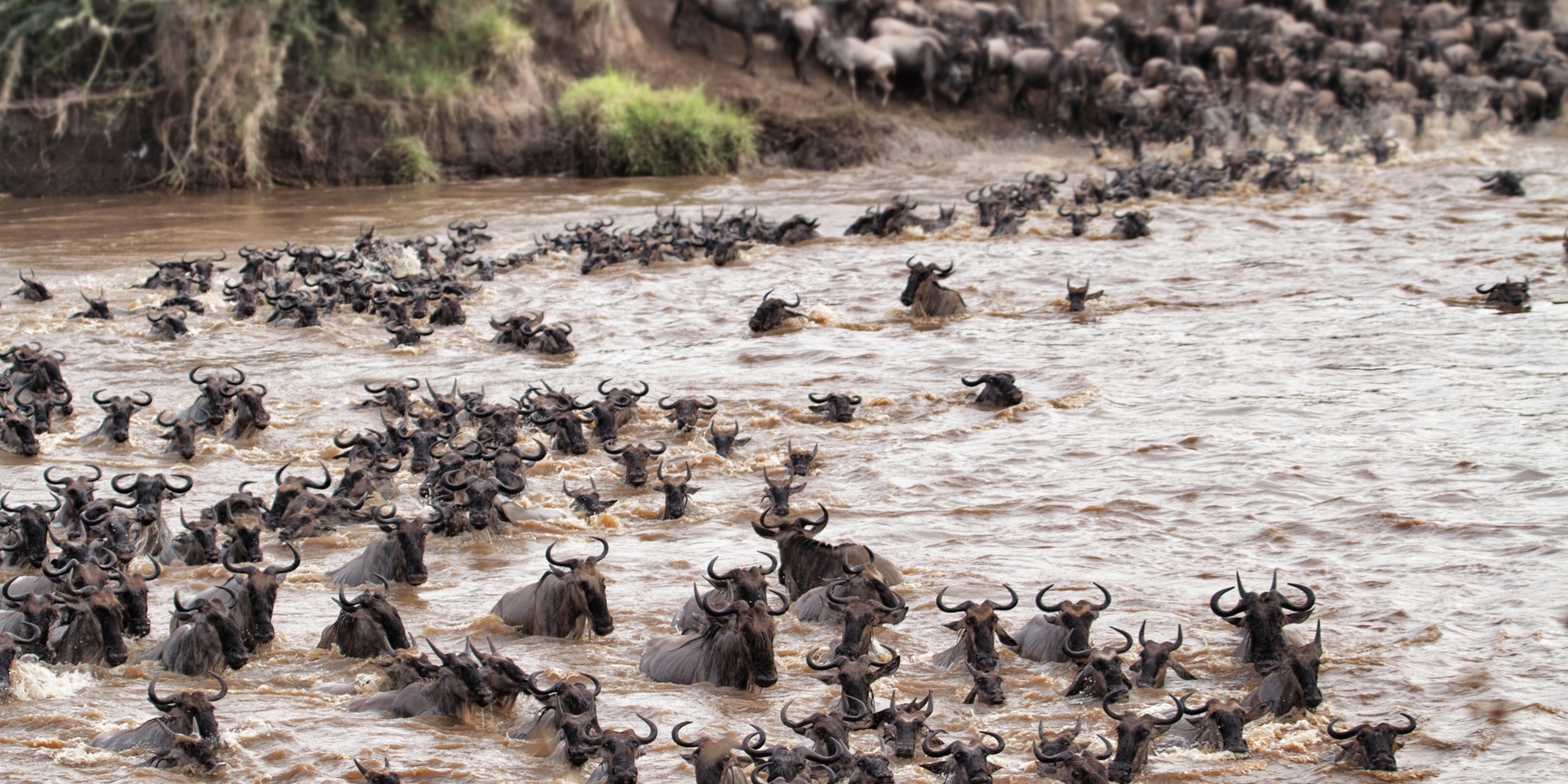
During this time, the migration remains active between Serengeti National Park and Masai Mara National Reserve, with large herds of Blue Wildebeest continuing to move back and forth across the Mara River. In many ways, September offers a more balanced and less chaotic version of the peak season, combining strong crossing opportunities with improved overall safari conditions.
The Migration in September: Movement Without the Rush
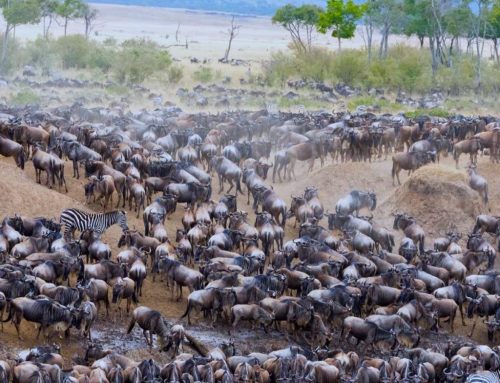
By September, the herds are well established in the northern Serengeti and Masai Mara, having completed initial crossings in August. However, this does not mean the action is over. Instead, the migration enters a phase of continuous movement and redistribution, as animals respond to grazing conditions and rainfall patterns.
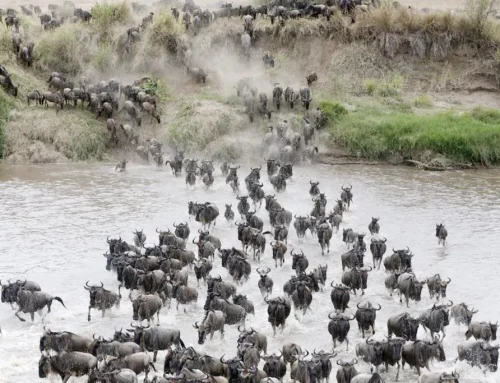
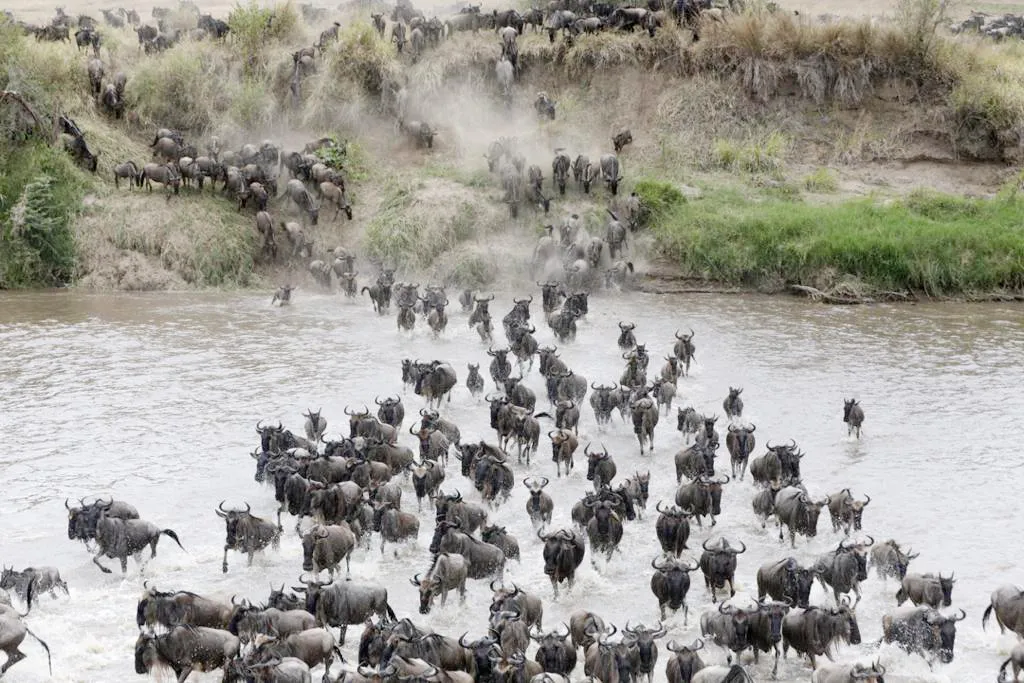
On the ground, this results in frequent back-and-forth crossings, rather than one-directional movement. Wildebeest may cross into Kenya one day and return to Tanzania shortly after, creating multiple opportunities for travellers to witness river crossings.
This cyclical movement is one of the reasons September is so rewarding. Unlike August, where the focus is on initial crossings, September offers repeated chances to see the same dramatic behavior.
Are River Crossings Still Happening?
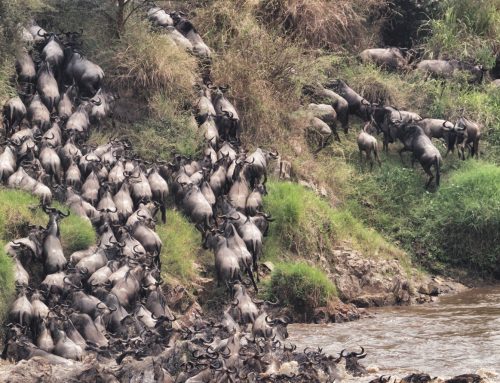
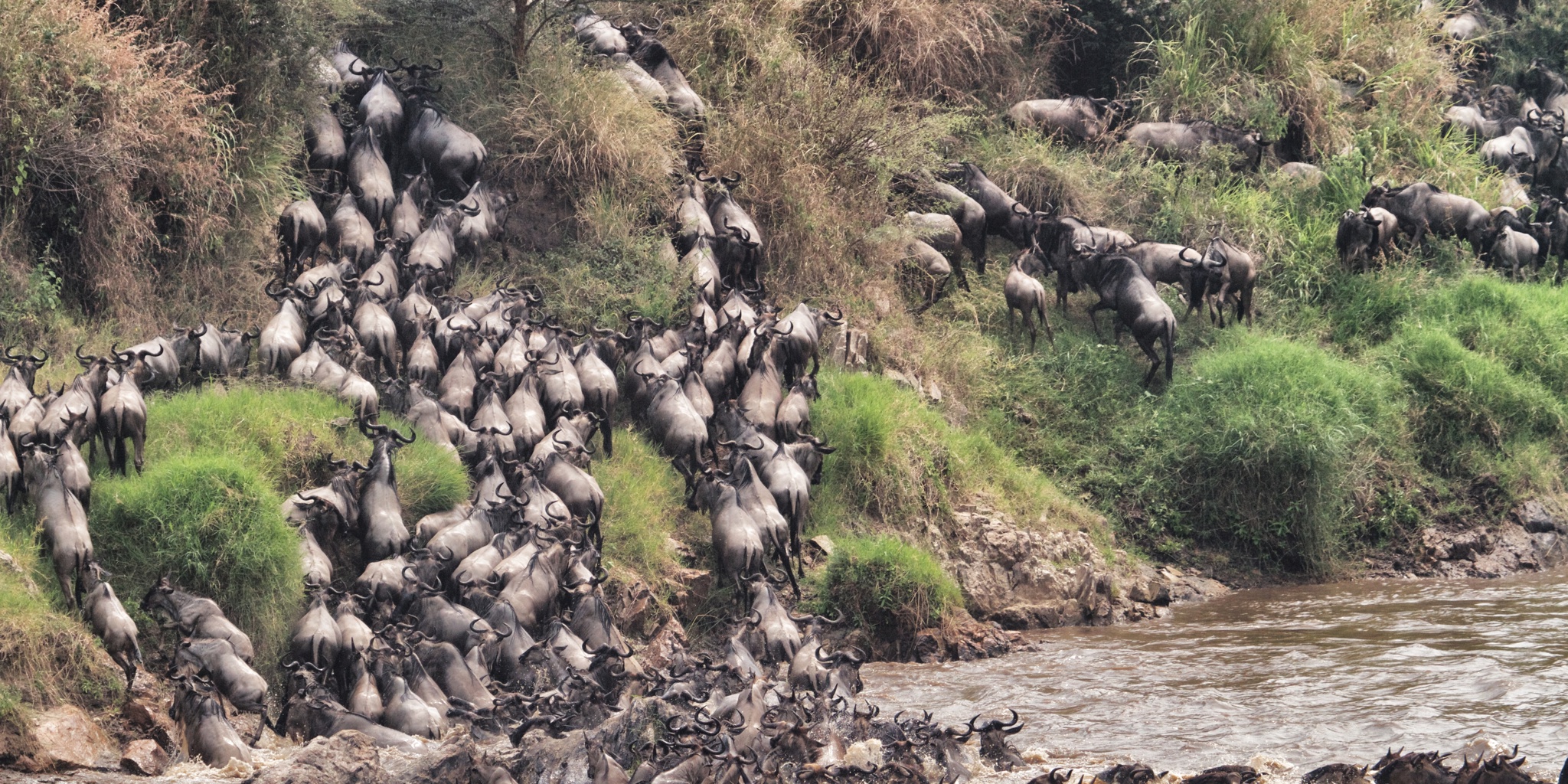
Yes—river crossings are still very much happening in September, particularly along the Mara River. In fact, many experienced safari planners consider September to offer some of the most reliable crossing opportunities of the year.
The difference lies in herd behavior. Instead of massive, first-time crossings, September features smaller but more frequent crossing events, often with less hesitation from the animals.
This can be advantageous for travellers, as it reduces the waiting time and increases the likelihood of witnessing at least one crossing during a multi-day stay.
Crossing Odds in September
The probability of seeing a crossing in September remains high, especially if you spend several days in key locations. While exact percentages are never guaranteed, travellers typically have a strong chance—often comparable to August—of witnessing crossings.
The key factors influencing success include:
- Staying near active river crossing points
- Allowing enough time for tracking herd movement
- Working with experienced guides who understand migration patterns
Because herds are already concentrated in the region, September can sometimes offer more consistent viewing opportunities than August, when movement is still building.
Best Locations for September Safaris
Both the northern Serengeti and Masai Mara remain prime locations in September.
In the Serengeti, areas around the Mara River—such as Kogatende and Lamai—continue to host large herds and active crossings. These regions provide a slightly quieter alternative to the busier Masai Mara.
In the Masai Mara, the open plains and river systems offer excellent visibility and accessibility, making it easier to follow herd movements. Crossings often occur in multiple locations, increasing the chances of being in the right place at the right time.
The choice between Tanzania and Kenya often comes down to crowd preference, lodge style, and overall itinerary design, as both offer exceptional experiences in September.
Crowd Levels: A Noticeable Advantage
One of the biggest advantages of September is slightly reduced crowd levels compared to August.
While it is still peak season, the initial rush of travellers begins to taper off, creating a more comfortable and less congested safari environment. This can make a significant difference during river crossings, where fewer vehicles mean better positioning and a more immersive experience.
For travellers who want the drama of the migration without the busiest conditions, September often strikes the perfect balance.
Weather and Landscape Conditions
September falls within the dry season, bringing clear skies, minimal rainfall, and excellent wildlife visibility. The grass is shorter, making it easier to spot animals, while the golden tones of the landscape create ideal conditions for photography.
Temperatures are generally comfortable, with cooler mornings and evenings. The dry conditions also improve road accessibility, allowing guides to reach remote areas more efficiently.
These factors combine to make September one of the most photographer-friendly months of the year.
The Nature of Crossings in September
Crossings in September tend to feel more fluid and less chaotic than in August.
Because many herds have already crossed at least once, they are often more decisive, leading to quicker and more frequent crossings. This can result in less waiting time and more consistent action, though the scale of individual crossings may vary.
Some crossings still involve large numbers of animals, while others feature smaller groups. This variation adds to the unpredictability and excitement of the experience.
Is It Better Than August?
September is not necessarily better than August—but it is different in a very appealing way.
August delivers maximum drama and first crossings, while September offers consistency, slightly fewer crowds, and repeated opportunities.
For travellers who prioritize guaranteed action and a more relaxed atmosphere, September can actually be the smarter choice. It provides many of the same highlights as August, often with improved comfort and flexibility.
Who Should Travel in September
September is ideal for travellers who want high chances of river crossings without peak congestion. It suits those who value a balance between wildlife action, photography conditions, and overall safari comfort.
It is also a great option for visitors who may have missed August but still want to experience the migration at its peak.
Conclusion
September is not too late for Great Migration river crossings—in fact, it remains one of the best months to witness them. With active herds moving between the Serengeti and Masai Mara, travellers can enjoy frequent crossing opportunities, excellent wildlife viewing, and slightly reduced crowds.
In 2026, September stands out as a strategic and rewarding time to experience the migration, offering a perfect balance between drama and accessibility. For those seeking a high-probability safari with exceptional conditions, it may well be one of the most underrated months of the entire migration calendar.