Great Migration vs Regular Safari: What Is the Difference?
When planning an African wildlife experience, many travellers come across two common options: the Great Migration safari and the regular safari. While both offer unforgettable encounters with wildlife, they differ significantly in scale, timing, movement patterns, and overall experience.
The Great Migration, centered in Serengeti National Park and Masai Mara National Reserve, is a seasonal, large-scale wildlife movement, while a regular safari is a more flexible, location-based wildlife experience that can take place across multiple parks in Africa, including Queen Elizabeth National Park or Murchison Falls National Park.
Understanding the difference helps travellers choose the right safari based on expectations, travel dates, and preferred experiences.
The Great Migration Safari Experience
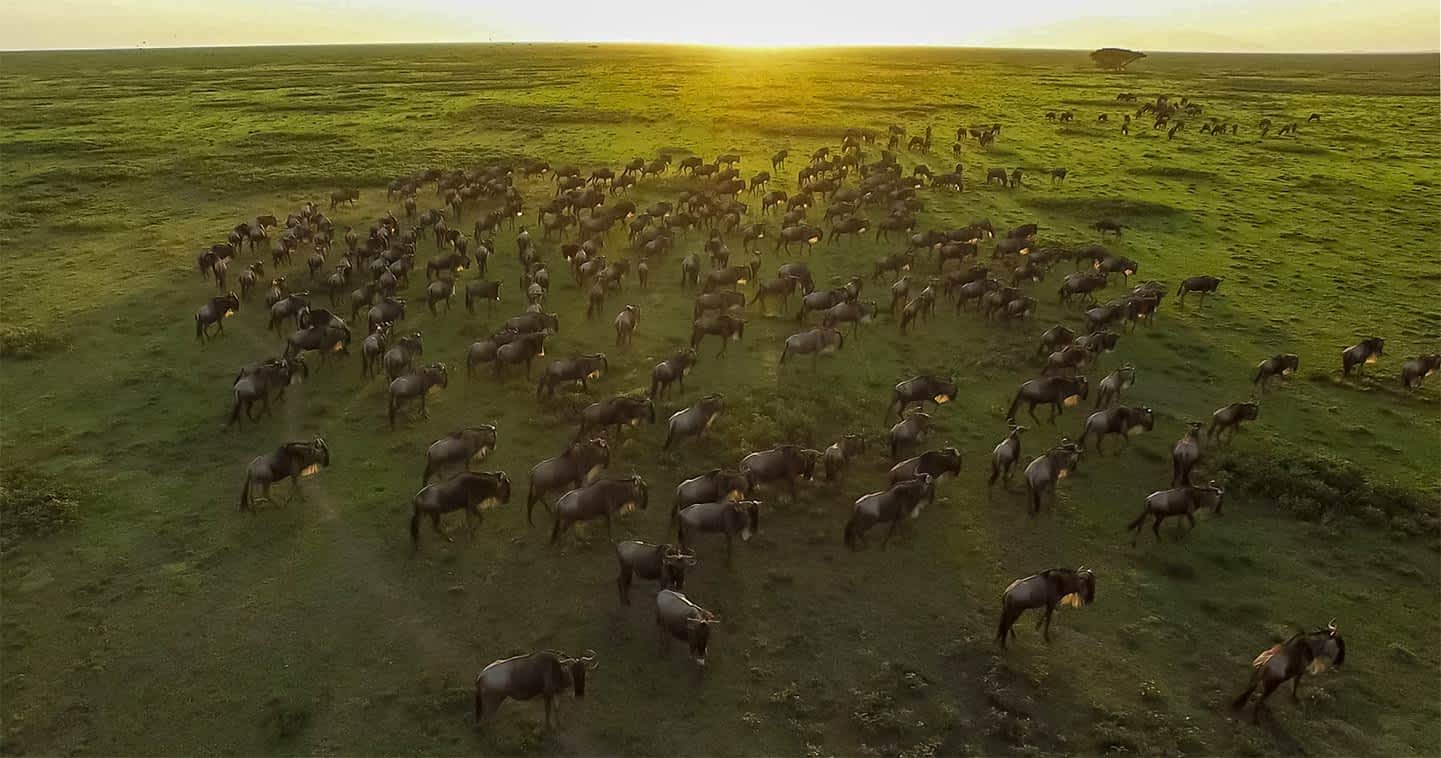
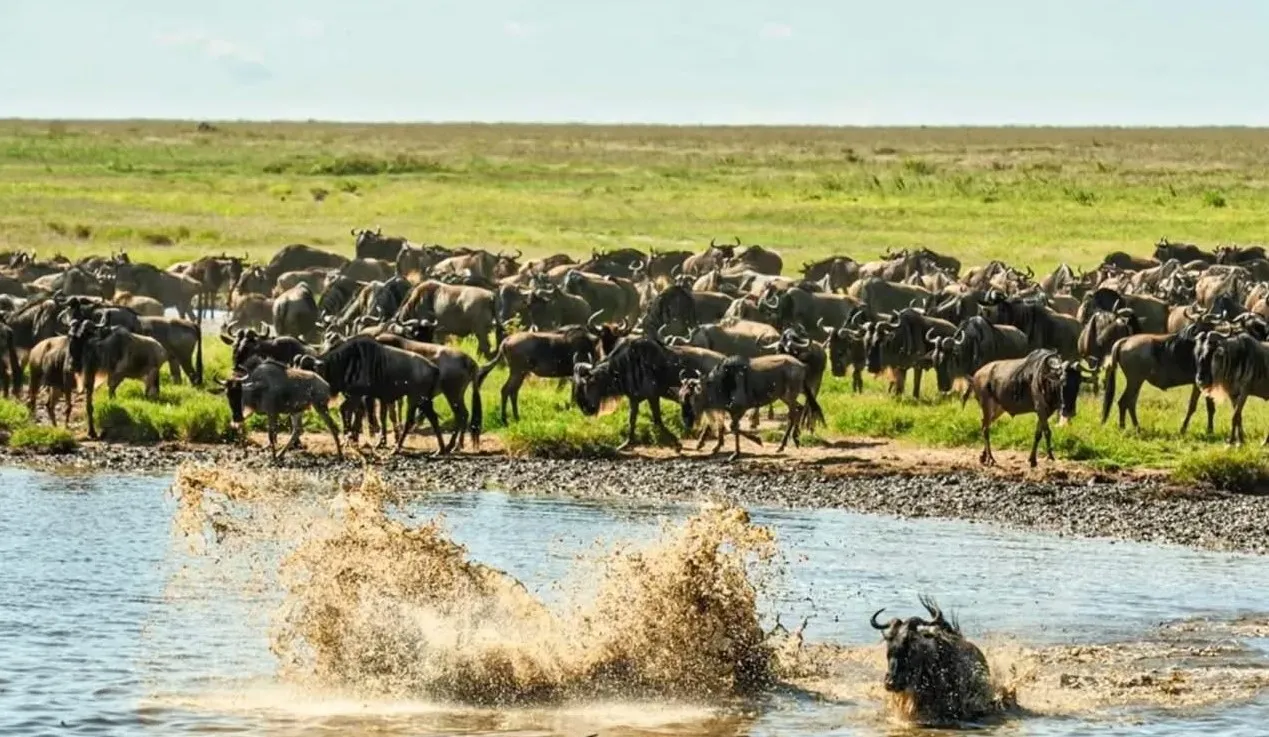
The Great Migration safari is centered around a single natural phenomenon: the movement of over a million Blue Wildebeest, accompanied by zebras and gazelles, across the Serengeti-Mara ecosystem.
This type of safari is time-sensitive and location-dependent, meaning your experience depends heavily on when and where you travel. The migration follows rainfall patterns, moving across vast distances in search of fresh grazing.
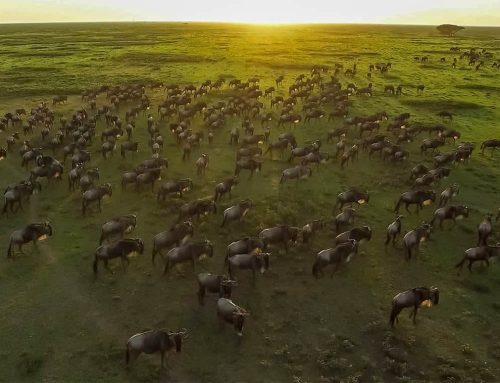
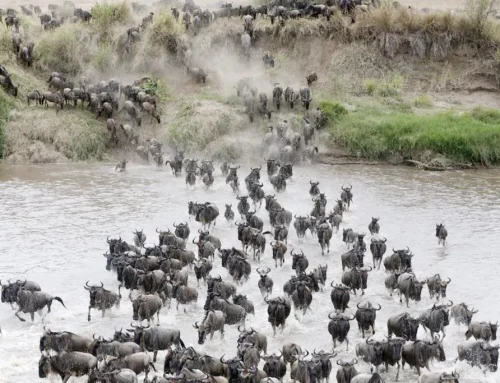
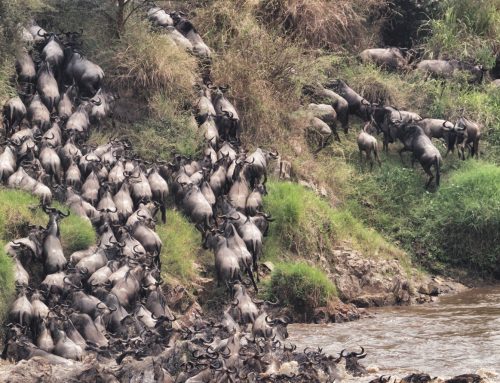
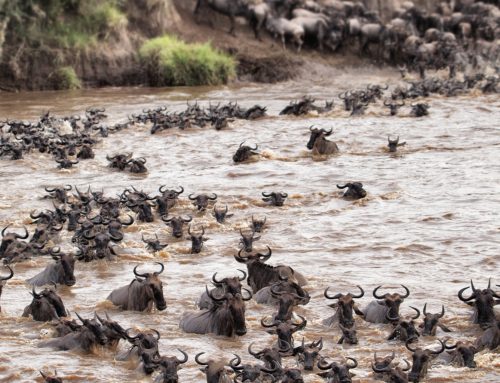
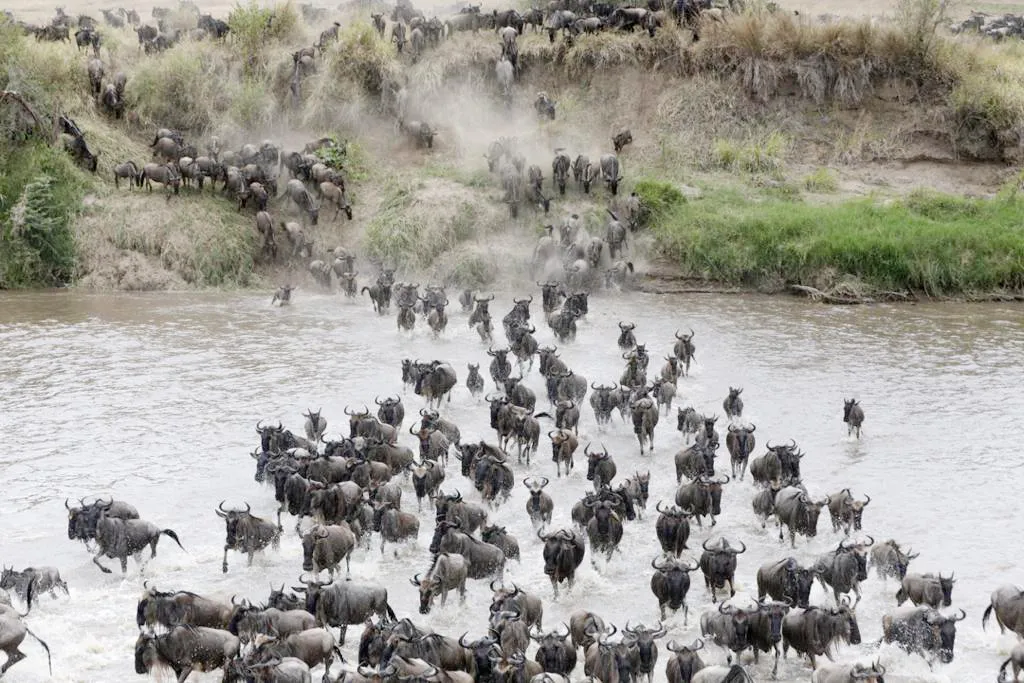
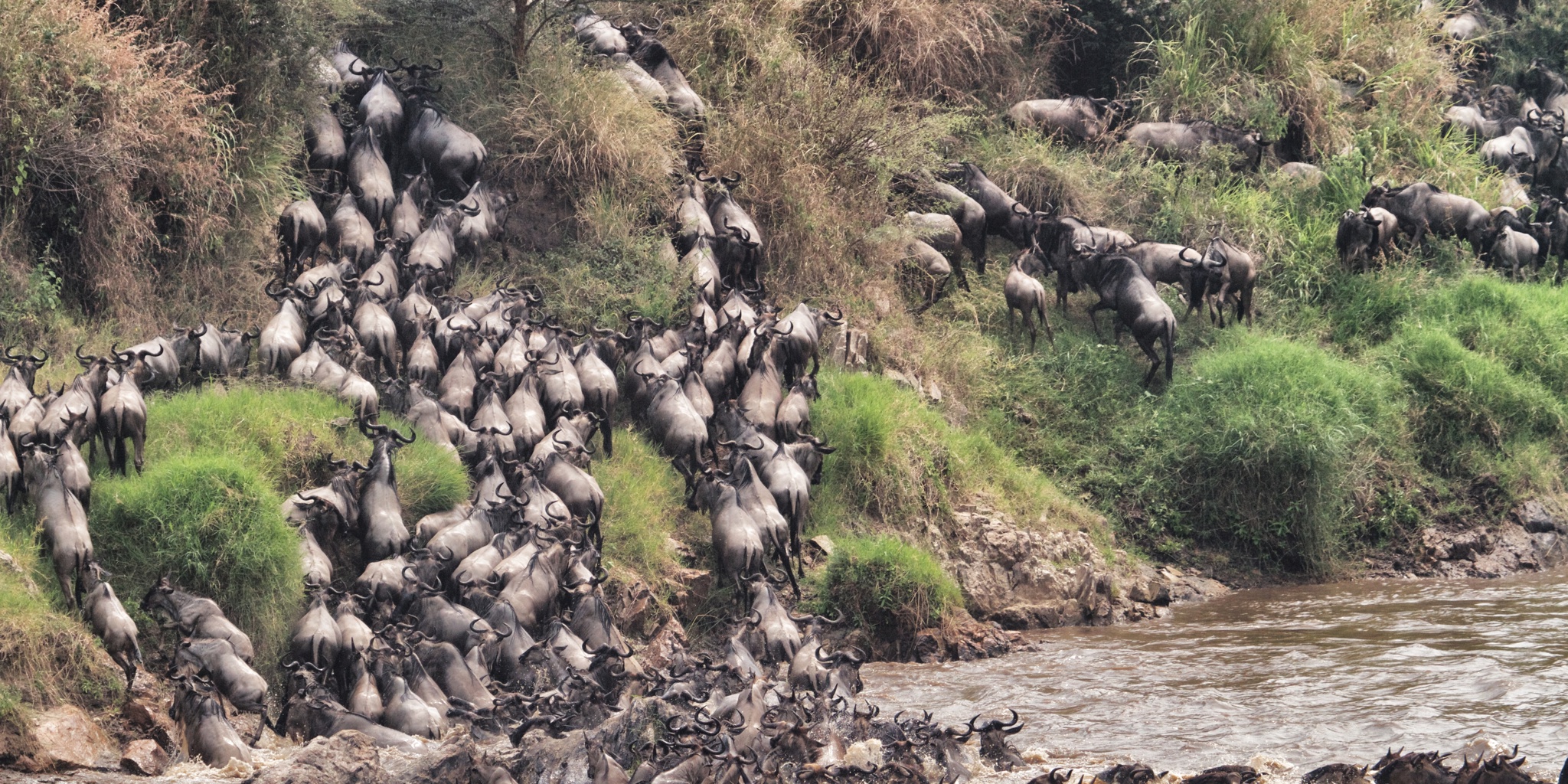
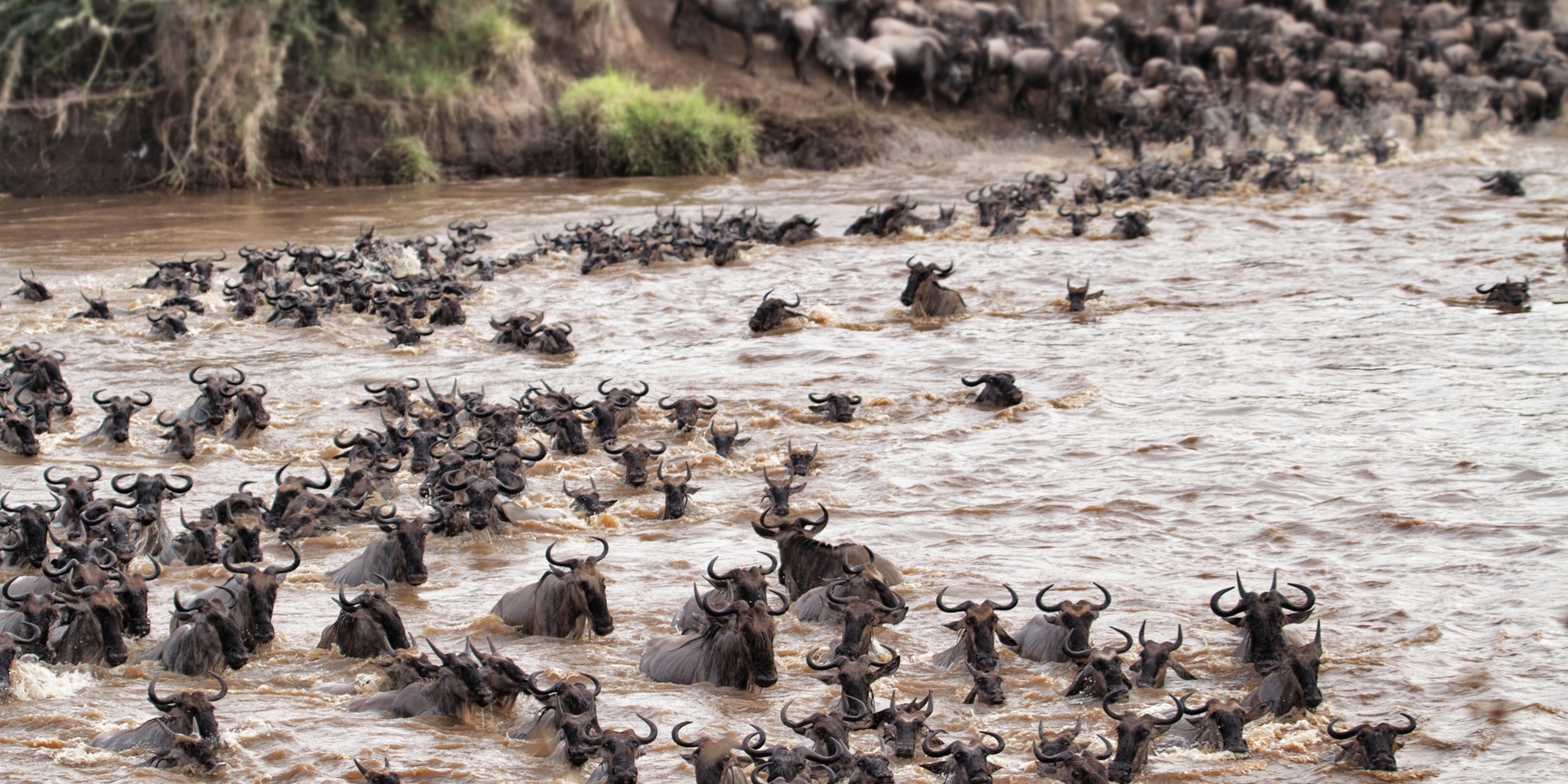
The defining feature of this safari is scale. Travellers witness massive herds stretching across the horizon, dramatic river crossings, and intense predator-prey interactions involving lions, crocodiles, and hyenas. These moments are often described as some of the most visually powerful wildlife scenes on Earth.
However, the migration is not always in one place. At certain times of the year, herds may be dispersed, making sightings less dramatic unless the itinerary is carefully planned.
The Regular Safari Experience
A regular safari, on the other hand, is not tied to a single event. Instead, it focuses on exploring a specific national park or region, observing resident wildlife that remains in the area year-round.
In parks like Queen Elizabeth National Park or Murchison Falls National Park, visitors can enjoy game drives, boat safaris, and guided walks, encountering animals such as elephants, lions, buffalo, giraffes, and antelope without needing to track a moving migration.
The key advantage of a regular safari is flexibility. Wildlife viewing is generally consistent throughout the year, and itineraries can be customized without the need to follow a specific seasonal pattern.
Rather than focusing on one dramatic event, regular safaris provide a broader and more relaxed wildlife experience, often including landscapes, birdlife, and cultural interactions alongside animal sightings.
Movement vs Stability
The biggest difference between the two experiences lies in movement.
The Great Migration is a constantly moving system, with herds traveling hundreds of kilometers across Tanzania and Kenya. This movement creates dynamic and unpredictable viewing opportunities, requiring careful timing and planning.
In contrast, a regular safari is based on stable ecosystems, where animals have established territories and can be found within known areas. This makes wildlife viewing more predictable and less dependent on timing.
For travellers who want guaranteed sightings without worrying about animal movement, a regular safari often provides a more reliable experience.
Scale and Drama
Scale is where the Great Migration stands apart. Seeing hundreds of thousands of animals moving together creates a sense of magnitude that cannot be replicated in a regular safari setting.
Events like river crossings involve thousands of animals plunging into crocodile-filled waters, creating intense, dramatic scenes that define the migration experience.
Regular safaris, while equally rewarding, focus more on individual animal encounters or smaller group sightings. Spotting a lion pride on a hunt or elephants at a waterhole may not match the scale of the migration, but it often offers more intimate and detailed wildlife interactions.
Wildlife Diversity
Regular safaris typically offer greater diversity in activities and ecosystems. In Uganda, for example, travellers can combine **savannah wildlife viewing with gorilla trekking in Bwindi Impenetrable National Park or chimpanzee tracking in Kibale Forest National Park.
The Great Migration, while spectacular, is more specialized, focusing heavily on grazing animals and their predators within a single ecosystem.
Travellers seeking a variety of experiences, including primates, birdlife, and cultural encounters, often prefer regular or combined safaris.
Timing and Planning
Timing is critical for the Great Migration. To witness key highlights such as calving or river crossings, travellers must visit during specific months and often book well in advance.
Regular safaris offer greater flexibility, allowing travel at almost any time of the year with good wildlife viewing opportunities. This makes them ideal for travellers with fixed schedules or those who prefer less logistical complexity.
Cost and Logistics
Great Migration safaris are often more expensive, particularly during peak seasons like river crossing months. High demand for lodges in prime locations can increase costs significantly.
Regular safaris can be more budget-friendly and varied in pricing, offering options from luxury lodges to mid-range and budget accommodations across multiple destinations.
Additionally, migration safaris often require internal flights or long drives to follow the herds, while regular safaris can be more straightforward in terms of logistics.
Photography Experience
For photographers, the Great Migration provides unmatched opportunities for capturing large-scale movement, action shots, and dramatic interactions. The sheer volume of animals creates unique compositions that are difficult to replicate elsewhere.
Regular safaris, however, allow for more controlled and detailed photography, focusing on individual animals, landscapes, and behavior. The slower pace can be ideal for those looking to refine their craft and capture diverse subjects.
Which One Should You Choose?
The choice between a Great Migration safari and a regular safari depends on travel goals, timing, and expectations.
If your priority is to witness one of the most dramatic wildlife events on Earth, with massive herds and intense predator interactions, the Great Migration is unmatched.
If you prefer flexibility, variety, and a more relaxed pace, a regular safari offers a broader and often more accessible experience.
Many travellers choose to combine both, experiencing the migration while also exploring other parks to gain a more complete understanding of Africa’s wildlife and landscapes.
Conclusion
The difference between a Great Migration safari and a regular safari lies in movement, scale, and specialization versus flexibility and diversity. The Great Migration delivers unparalleled drama and scale, while regular safaris provide consistent wildlife viewing and varied experiences across ecosystems.
Both options offer incredible opportunities to connect with nature, and neither is inherently better than the other. Instead, they represent two distinct ways of experiencing Africa’s wildlife, each with its own strengths and appeal.
For travellers planning a safari in 2026, understanding these differences ensures a well-informed decision, leading to a journey that matches personal expectations and delivers unforgettable memories.