What Triggers the Great Migration? Science Behind the Movement
The Great Migration is one of the most complex and awe-inspiring wildlife events on Earth, yet its rhythm is not random. The annual movement of over a million wildebeest, accompanied by hundreds of thousands of zebras and gazelles, is driven by a precise combination of ecological, climatic, and biological factors. Understanding what triggers this migration requires exploring the science behind animal behavior, rainfall patterns, grass availability, and predator-prey dynamics. Far from being a simple seasonal journey, the Great Migration represents a continuous feedback system in which animals respond to environmental cues and survival pressures in a finely tuned ecosystem.
Rainfall Patterns: The Primary Environmental Cue
The most significant factor that drives the Great Migration is rainfall. The Serengeti-Mara ecosystem spans regions with highly variable precipitation, and the movement of the herds is closely aligned with the distribution of water and fresh grass. Wildebeest are especially sensitive to rainfall because it determines the quality and quantity of grazing. After the long rains in southern Serengeti, grasses grow lush and nutrient-rich, attracting large concentrations of wildebeest for calving in the southern plains. As the dry season sets in, grass in these areas becomes depleted, prompting the herds to move north toward regions where short rains have rejuvenated pastures. Essentially, rainfall acts as a natural signal, telling the animals where to graze and when to migrate. Without adequate rainfall, migration timing shifts, illustrating the strong link between precipitation and animal movement.
Grass Growth and Nutritional Needs
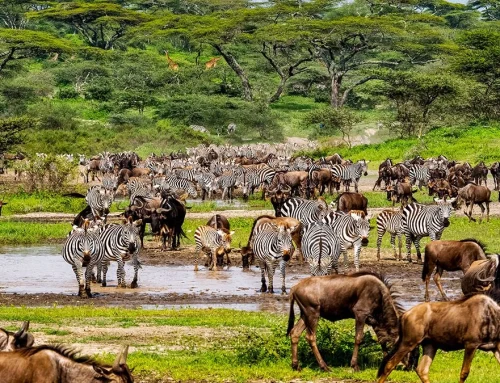
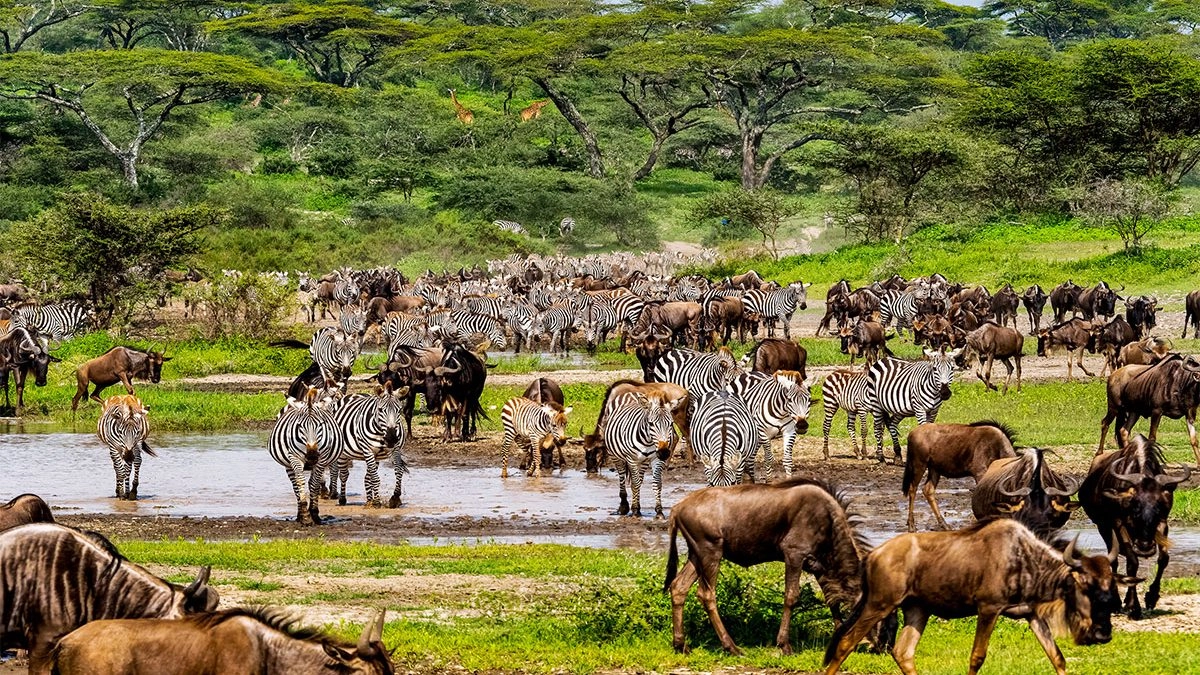
Closely tied to rainfall is grass growth, which directly influences the herds’ nutritional strategy. Wildebeest require highly digestible, protein-rich grasses to sustain pregnancy, lactation, and long-distance movement. Calving season is timed to coincide with the peak availability of fresh grass in southern Serengeti, ensuring that newborn calves have the best chance of survival. Zebras and gazelles, which accompany the wildebeest, also follow similar grazing patterns, although they can tolerate slightly coarser vegetation. The herds move continuously in search of optimal grazing, forming a circuit that tracks the seasonal emergence of new pastures. In this way, the Great Migration functions as a dynamic response to fluctuating food availability across the ecosystem.
Predation Pressure and Herd Behavior
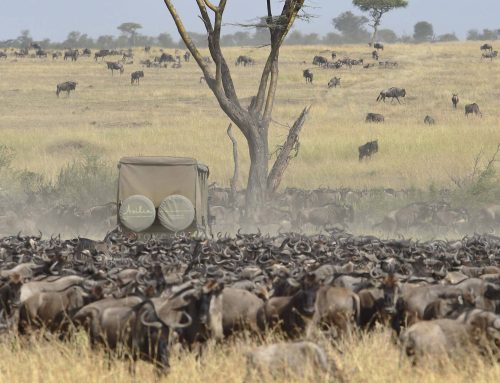
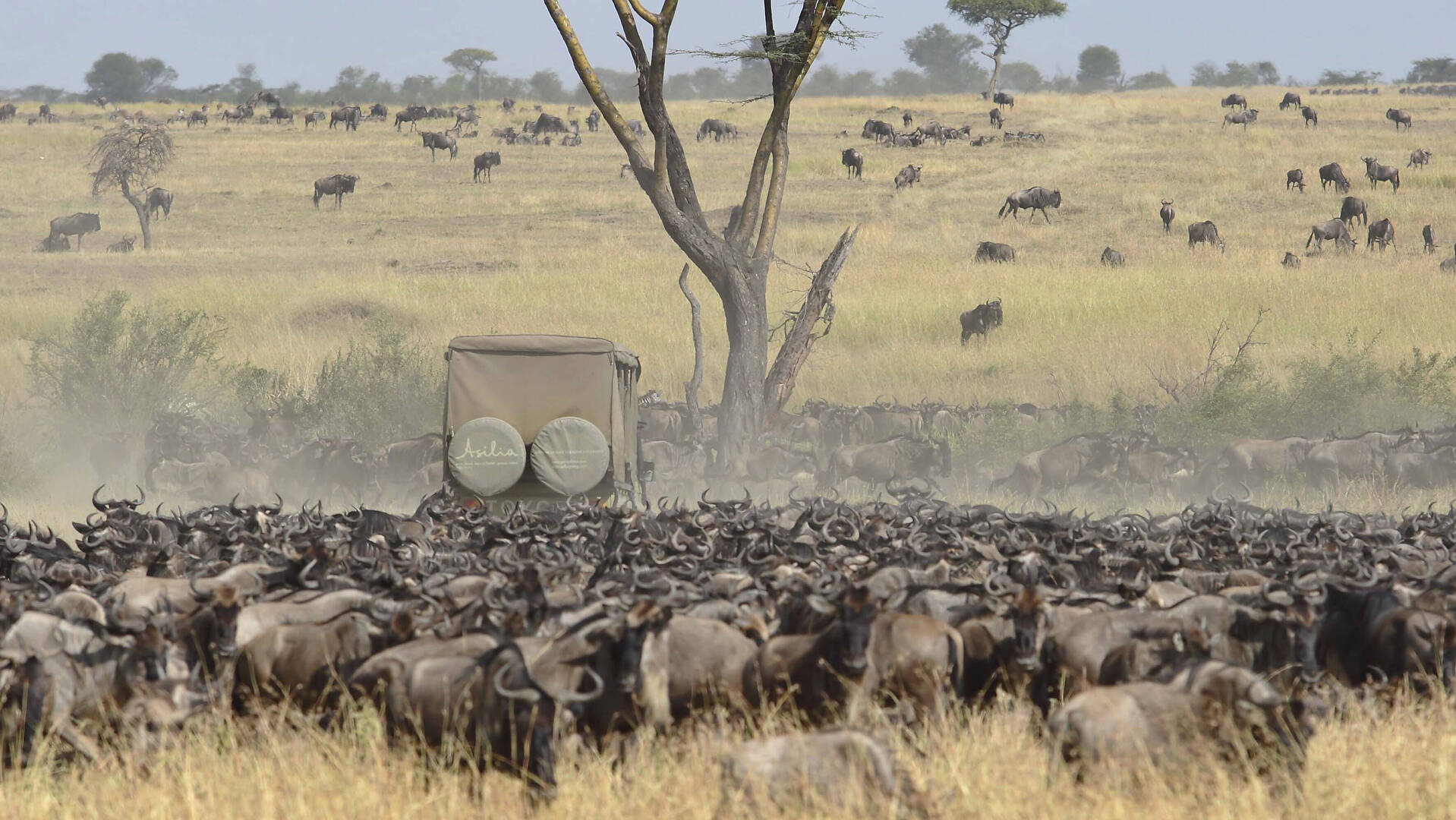
Predation is another influential factor that shapes migration behavior. The Serengeti-Mara ecosystem hosts numerous predators, including lions, hyenas, cheetahs, leopards, and crocodiles. Wildebeest and zebras have evolved to respond collectively to predator presence, maintaining tightly packed herds that reduce individual vulnerability. While predation does not directly initiate migration, it influences herd movement, spacing, and speed. During the calving season, the concentration of newborns attracts predators, encouraging adult wildebeest to remain together and move strategically to minimize losses. This predator-prey dynamic is a subtle yet vital driver of herd organization and long-distance movement.
Temperature, Water Availability, and Hydrological Factors
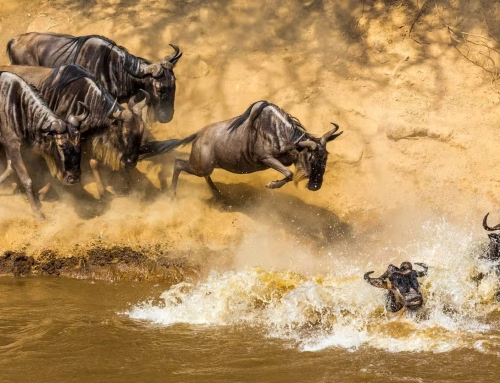
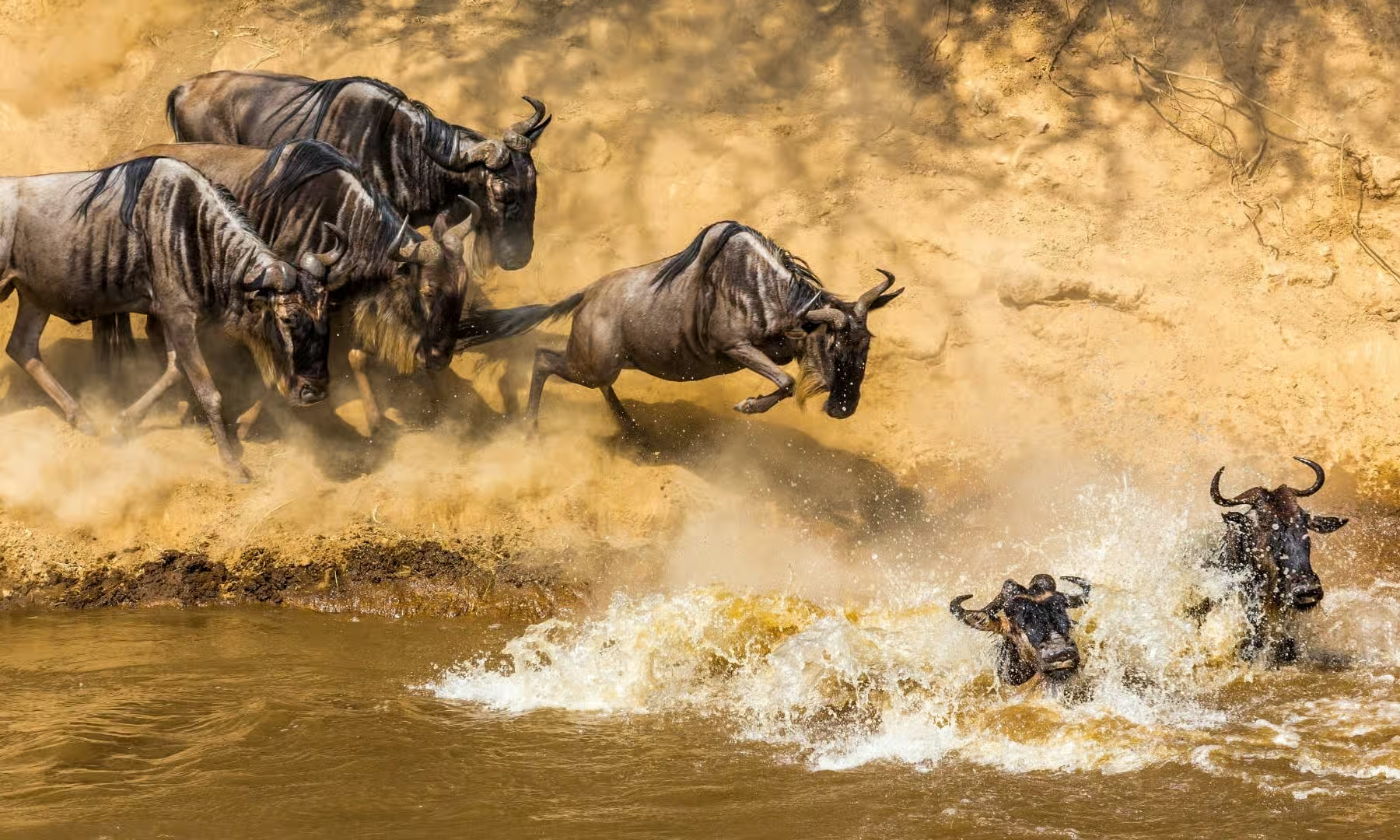
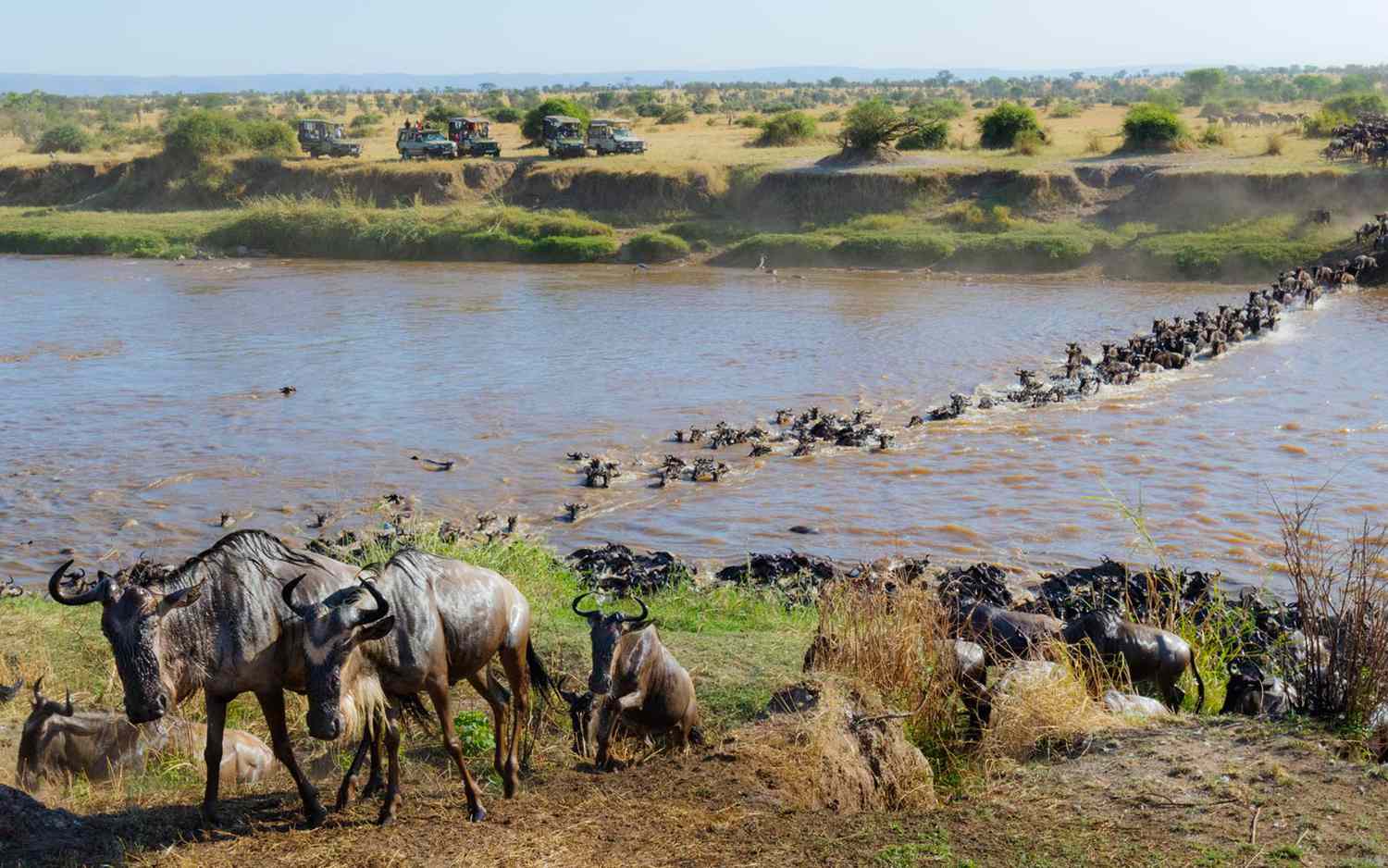
Temperature fluctuations and water availability further influence migration timing. Wildebeest require reliable access to water, especially during the dry season. Seasonal rivers, streams, and watering holes act as geographic anchors, guiding herd movement. The Mara River crossings, one of the most dramatic features of the migration, are dictated not only by grass availability but also by water levels and river currents. Higher water levels and faster currents may delay crossings, while lower levels encourage herds to traverse the rivers more quickly. This interplay between hydrological conditions and herd behavior underscores the delicate balance of natural forces that govern migration.
Biological Cycles and Reproduction
The reproductive cycle of wildebeest is tightly linked to the migration. Calving occurs when conditions are optimal for calf survival, typically after the long rains in southern Serengeti. The synchronization of births ensures that a large number of calves emerge within a short period, overwhelming predators and increasing survival rates—a phenomenon known as predator swamping. This biological imperative interacts with environmental triggers, ensuring that herd movements coincide with the reproductive needs of the population. Zebras and gazelles, which follow similar movement patterns, also exhibit reproductive timing that aligns with the seasonal availability of food and water.
Ecological Connectivity and Migration Corridors
The Great Migration is possible because of the continuity of habitats across Tanzania and Kenya. Migration corridors link the southern Serengeti, central and western Serengeti, northern Serengeti, and the Maasai Mara. The integrity of these corridors is essential for movement, allowing herds to respond to rainfall, grass growth, and water availability across a wide geographic range. Disruption of these corridors through human settlement, fencing, or infrastructure can interfere with migration timing, illustrating that ecological connectivity is a critical, often overlooked factor in the triggers of migration.
The Migration as a Response System
In scientific terms, the Great Migration represents a highly adaptive response system. Herds continuously evaluate environmental cues, including rainfall, grass growth, predator presence, water availability, and habitat structure. These cues interact to trigger movement in a manner that optimizes survival, reproductive success, and ecological balance. Migration is therefore not a single event but a complex series of movements governed by a combination of external environmental stimuli and internal biological imperatives.
Observing the Science in Action
For travelers and wildlife enthusiasts, understanding the science behind the Great Migration enhances the safari experience. Observing calving in southern Serengeti, river crossings in the north, and herd dispersal in transitional periods is witnessing the practical manifestation of environmental, biological, and behavioral triggers in action. Each stage of the migration reflects the delicate balance between survival needs and ecological opportunities, revealing the remarkable adaptability of East Africa’s migratory species.
Nature’s Masterful Orchestration
The triggers of the Great Migration—rainfall, grass growth, predation, water availability, and reproductive cycles—work together in a finely tuned ecological orchestra. The movement of millions of animals across hundreds of miles is not random but a precise response to environmental conditions and biological imperatives. By understanding the science behind this extraordinary journey, travelers gain deeper insight into one of the planet’s most complex and inspiring wildlife phenomena. The Great Migration is more than a spectacle; it is a living demonstration of nature’s remarkable ability to organize, adapt, and thrive across vast landscapes.