Great Migration 2026: The Ultimate Guide to When It Begins and How It Unfolds
The Great Migration is widely regarded as one of the most extraordinary wildlife spectacles on Earth. Each year, more than a million wildebeest, accompanied by hundreds of thousands of zebras and gazelles, undertake a monumental circular journey across East Africa’s Serengeti-Mara ecosystem. The rhythm of this migration is dictated not by arbitrary calendar dates, but by ecological factors such as rainfall, grass growth, and water availability. For anyone planning a safari in 2026, understanding the timing of this natural phenomenon is critical for maximizing wildlife viewing and capturing once-in-a-lifetime moments. In this comprehensive guide, we explore in depth when the Great Migration begins in 2026, how it progresses throughout the year, month-by-month migration patterns, detailed regional migration dynamics, and practical advice for travelers who want to plan their safari around these massive movements. Whether you are a wildlife photographer seeking the dramatic river crossings or a nature lover hoping to witness the calving season up close, this article will provide detailed insights into the world’s greatest terrestrial migration.
What Is the Great Migration? An Overview of Africa’s Epic Wildlife Journey
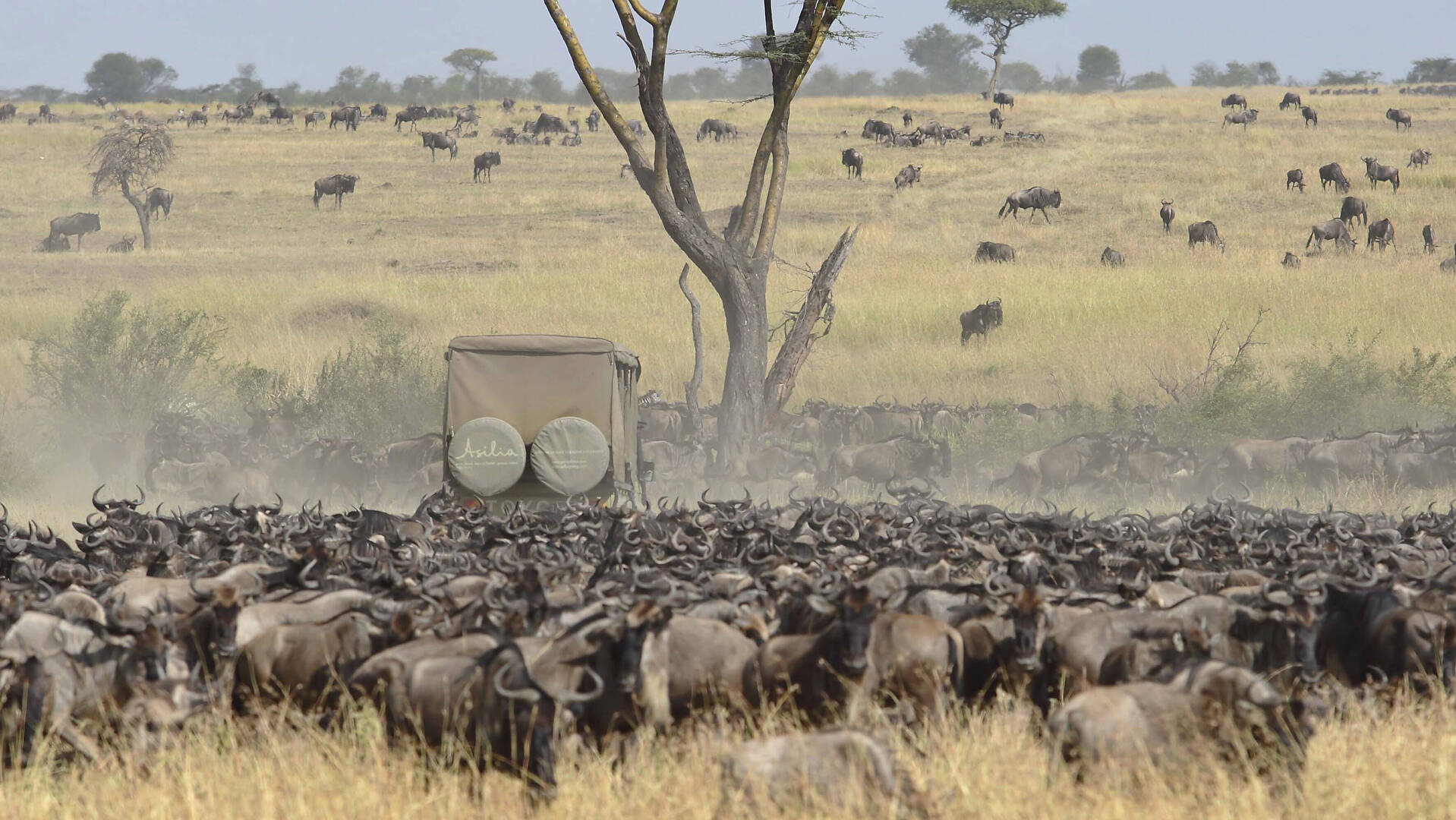
The Great Migration refers to the annual cyclical movement of wildebeest, zebras, and other grazing ungulates across approximately 1,800 miles of savannah, woodland, and riverine landscapes in Tanzania and Kenya. While the word “migration” might suggest a simple point-to-point journey, in reality the Great Migration is a complex, continuous circuit shaped by seasonal rainfall, grass availability, and predator-prey dynamics. The migration is centered on the Serengeti National Park in Tanzania and the Masai Mara National Reserve in Kenya, spanning broad landscapes that include short grass plains, rolling hills, woodlands, and river corridors. The migration involves vast concentrations of animals moving through these habitats in search of fresh grazing and water. Wildebeest lead the movement, with zebras and gazelles following as they graze on varied vegetation that becomes available with the rains. Ecologically, the Great Migration is not a discrete “event” with a single start and end—it is a year-round cycle of movement and survival. Yet for safari planning purposes, wildlife guides and researchers have identified fairly predictable seasonal phases that recur annually.
Understanding Migration Timing: Why There’s No Fixed Start Date
A common question visitors ask is, “When does the Great Migration start?” The answer isn’t a specific date on the calendar, because the migration is driven by environmental cues rather than fixed schedules. The movement of the herds depends on rainfall patterns, grass regeneration, and water availability across the Serengeti-Mara ecosystem. In general, the migration unfolds in a clockwise circular pattern over the course of the year. The herds begin in the southern Serengeti and associated conservation areas, spread outward in all directions as the seasons change, move north toward the Maasai Mara River in mid-year, and then return south as the year ends. This progression is continuously responsive to the onset and retreat of the rains. For travelers planning a safari in 2026, the most useful way to understand the start of the Great Migration is by observing when the herds begin to aggregate in large numbers and display behaviors associated with seasonal movement, such as calving and subsequent travel toward new pastures.
The Beginning of the 2026 Migration Cycle: Calving in the Southern Serengeti
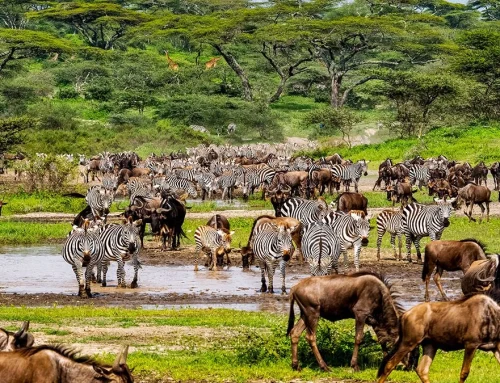
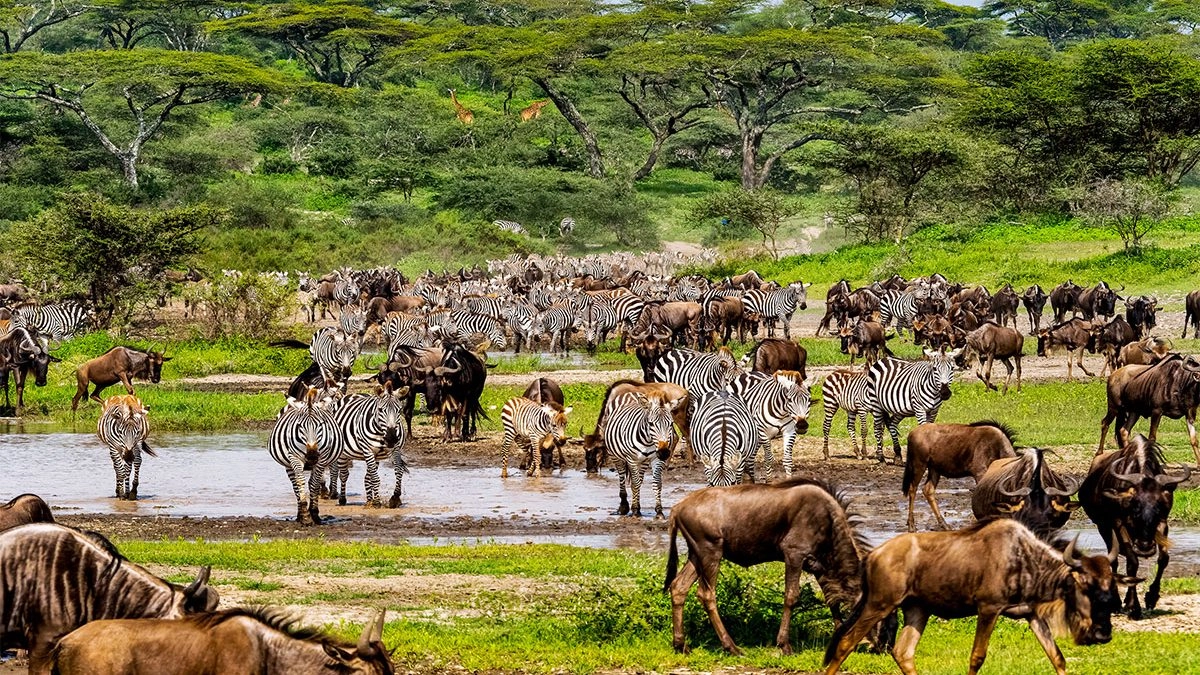
For the 2026 cycle, the first major seasonal signal of the Great Migration begins with the gathering and calving of wildebeest in the southern Serengeti and Ndutu region. This phase precedes what many safari operators refer to as the beginning of the migration because it represents the first large-scale concentration of animals after they have dispersed through the dry season. The southern Serengeti, particularly the Ndutu Plains and the southern corridor of the Serengeti National Park, offers fertile short grasslands when the long rains fall. These rains usually arrive in late December or early January, triggering a flush of nutritious grass that draws wildebeest from the broader ecosystem. As the grasses grow tall and rich, pregnant wildebeest gather in these plains in anticipation of giving birth. The wildebeest calving season typically peaks from January through March, with the highest concentration of births around late January and early February. During this time, vast numbers of wildebeest cluster together, creating high animal density that supports critical aspects of the migration cycle. Zebras and Thomson’s gazelles also use the area extensively, though their calving seasons may not coincide exactly with the wildebeest.
This period is deeply significant for several reasons. First, the abundance of new grass helps sustain the herds after the long dry season. Second, the calving event produces tremendous numbers of vulnerable young animals, which in turn draw predators such as lions, hyenas, and cheetahs. Third, the regenerative quality of the grasslands sets the stage for the next phase of the migration—movement toward greener pastures farther north. From a traveler’s perspective, the southern Serengeti during the January–March 2026 calving period offers some of the most intimate wildlife viewing of the year. Visitors can witness the births of calves, the social dynamics of the herds, and predators in active pursuit—all set against vast grassland panoramas that define the Serengeti.
March Through May: Herds Start Moving Northward
Following the calving season, as the herds grow in numbers and environmental conditions begin to change, the Great Migration enters a transitional phase. During March, April, and May 2026, the wildebeest and accompanying grazers start moving away from the southern Serengeti. This northward push is driven largely by climatic changes. As the short rains taper off and the grass in the southern plains starts to dry, the animals instinctively begin to seek out fresher grazing and water. Unlike the dramatic river crossings of later months, this northward transition is more gradual and spread out geographically. During this phase, large patrols of wildebeest sweep through the central and western Serengeti, navigating woodlands, open plains, and seasonal swamps. The movements are guided by shifting rainfall gradients; animals follow satellite water sources and newly sprouted grass as the landscape transforms with the changing season. For wildlife watchers, these months offer compelling opportunities to observe mass movements against more wooded backdrops and to see how migration behavior adapts to diverse habitat types. Visitors can see herds crossing shallow streams, grazing in mixed herds with zebra and gazelle, and interacting with resident wildlife populations.
June to September: Mara River Crossings and Northern Serengeti Highlights
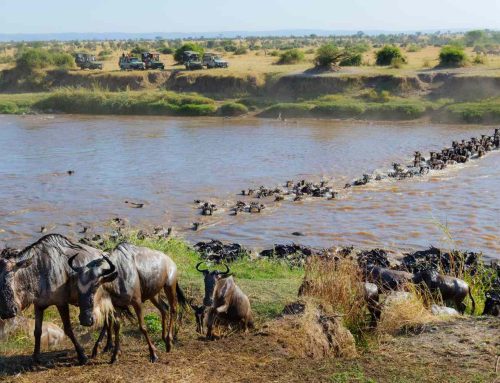
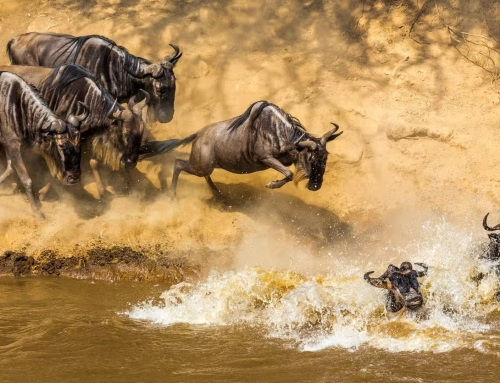
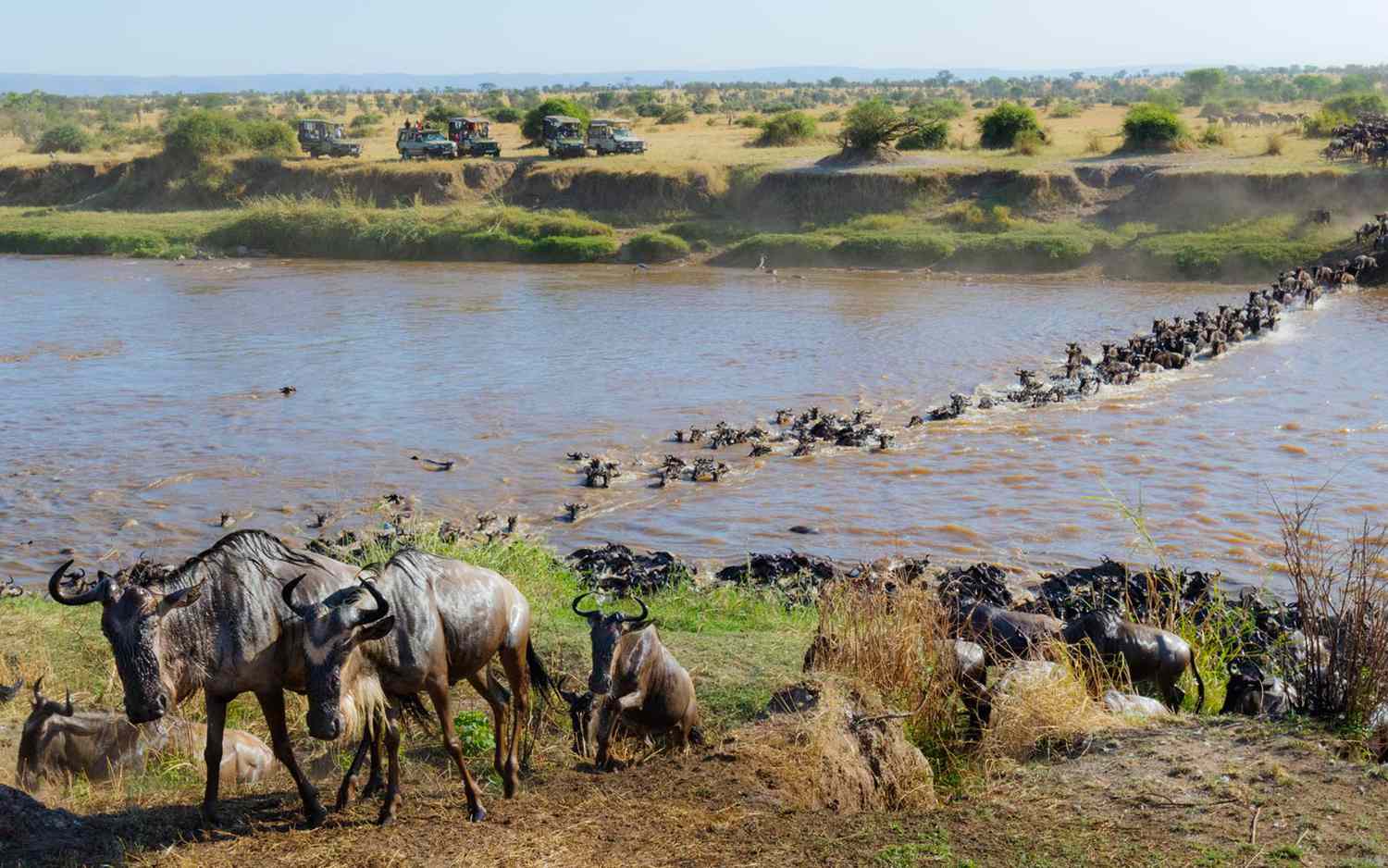
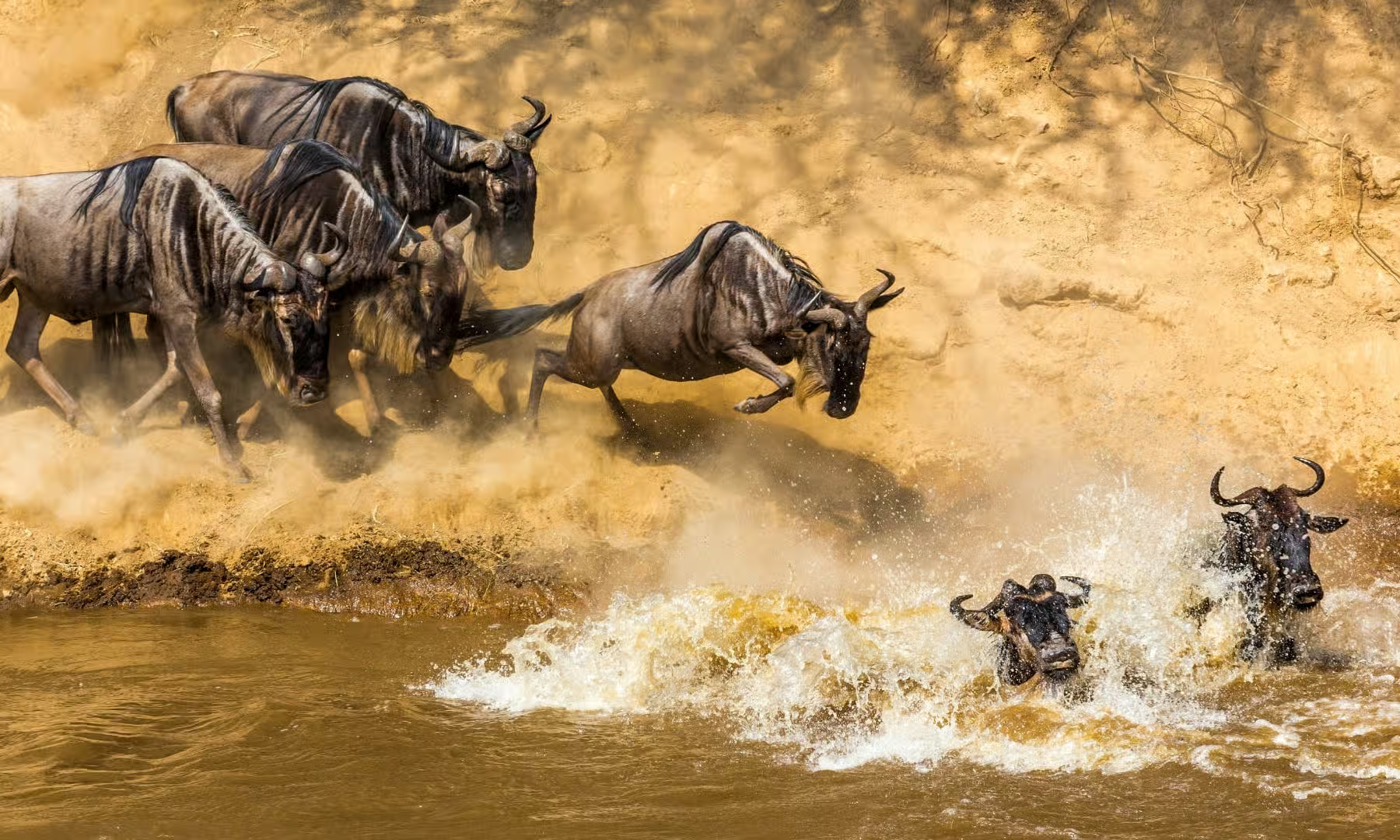
By the time June arrives, the Great Migration’s narrative typically focuses on the northern Serengeti and Maasai Mara regions. This phase is often what tourists imagine when they think of the migration—the dramatic crossings of the Mara River and sheer numbers of animals packed into tight formations as they confront river currents and lurking crocodiles. As the herds crowd into the northern plains, particularly in July and August 2026, the river crossings become key highlights. Wildebeest approaching the Mara River must decide when and where to cross, testing fast-flowing waters and facing predators such as Nile crocodiles. These crossings are unpredictable and exhilarating, with scenes of animals hesitating at the water’s edge, sudden splashes, and the vigorous efforts of those that make it across. From a photographic and safari perspective, this mid-year period is often considered the most iconic phase of the Great Migration. The river crossings, pronounced by dust-filled plains and intense predator activity, provide unforgettable visuals and deeply engaging wildlife encounters. It’s important to note that river crossing timing can vary significantly from year to year. It depends on the intensity and timing of the rains in the northern Serengeti and Maasai Mara regions, as well as the water levels of the rivers themselves. Nevertheless, June through September 2026 remains the prime window for witnessing these dramatic river crossings and the concentrations of animals that gather in the northernmost reaches of the migration circuit.
October Through December: Return South and Wrapping Up the 2026 Cycle
After the intense river crossing period, the migration cycle continues as the herds begin their return toward central and southern regions of the ecosystem. As the dry season progresses into late 2026, grazing in the north becomes more scarce, prompting the animals to retrace their path southward in search of greener pastures. During October, November, and December 2026, wildlife watchers may see the herds moving through the eastern and central Serengeti, gradually making their way back toward the southern plains where the cycle will begin again in early 2027. This return movement is less tightly concentrated than the river crossings, but it remains vital to the annual rhythm of the Great Migration. This phase of the migration is not as visually iconic as the dramatic crossings, but it offers meaningful insights into the full circular nature of the migration circuit. It demonstrates how the herds adapt to changing seasonal conditions and how their movement contributes to the long-term ecological balance of the Serengeti-Mara ecosystem. Travelers who visit during these months can still experience large numbers of wildebeest and other grazers, observe predator dynamics as animals disperse, and enjoy quieter yet deeply engaging wildlife encounters across broad landscapes.
Month-By-Month 2026 Migration Breakdown
Understanding the Great Migration requires a clear picture of how animal movements shift throughout the year. January 2026 typically sees the herds heavily concentrated in the southern Serengeti and Ndutu regions. Calving is underway, producing vast numbers of newborn calves that shape predator-prey dynamics across the plains. February 2026 remains in the heart of the calving season. Wildebeest, zebras, and gazelles continue to gather in massive numbers. Predator activity is high as lions, hyenas, and cheetahs take advantage of vulnerable young animals. March 2026 marks the gradual start of northward movement. While many animals linger in the south, herds begin to disperse toward fresh grazing in central areas. This month blends rich wildlife viewing in the south with the first signs of migration outward. April 2026 showcases more sustained movement north. Wildebeest and other grazers spread across wider territory as they follow emerging grass and water. Central and western Serengeti become focal areas for sightings. May 2026 continues the northward journey. Herds move through a mix of woodlands and plains, drawing birdlife, resident predators, and opportunities for dynamic photography. June 2026 sees the herds approaching the northern reaches of their route. As grassy plains in the north flourish with early rains, attention shifts toward Maasai Mara corridors and river systems. July 2026 often represents the peak period for Mara River crossings. Wildebeest and zebra confront deep waters and crocodile-filled rivers. The energy and unpredictability of crossings attract safari travelers from around the world. August 2026 continues dramatic river crossing activity and wide plains concentrations in the Maasai Mara and northern Serengeti. September 2026 sees crossings in some areas and continued grazing in northern sectors. Herds begin sensing the drying grasses, prompting early stages of return movement. October 2026 marks a shift toward southward dispersal. Wildebeest and other grazers spread through central regions as river crossings taper off and dry conditions advance. November 2026 showcases more consistent movement back toward southern plains. Wildlife viewing remains rich as large aggregations still occur across expansive territories. December 2026 rounds out the migration cycle with continued southerly movement. As the year ends, the herds are positioned to begin the next cycle with calving and gathering in late December and early 2027.
Why the Great Migration Matters Ecologically
The Great Migration is not only a breathtaking spectacle for travelers—it is a keystone ecological phenomenon that sustains biodiversity across East Africa. The movement of massive herbivore herds influences soil nutrient distribution, grassland regeneration, predator-prey interactions, and the overall health of the Serengeti-Mara ecosystem. As wildebeest and zebras graze across different habitats, they help stimulate fresh grass growth and cycle nutrients through their droppings. Predators such as lions, cheetahs, leopards, and hyenas depend on these migratory herds for sustenance, and scavengers such as vultures and jackals rely on the remains of failed hunts and natural deaths. Moreover, the migration supports complex food webs that extend to crocodiles in the Mara River and omnivores that capitalize on seasonal abundance. Ecologically, the annual movement creates rhythms that sustain both resident and migratory species. Understanding this deep web of interactions enhances appreciation for the Great Migration beyond its surface drama. It is a testament to the intricate balance of life in one of the world’s most iconic wilderness regions.
Planning a 2026 Safari: Timing, Locations, and Tips
For travelers intent on witnessing the Great Migration in 2026, timing and location decisions are pivotal. Different phases of the migration offer distinct experiences, and no single period captures all aspects of the movement. If your primary goal is to see the calving season, plan your safari for January through March 2026 in the southern Serengeti and Ndutu areas. This period offers high animal densities, intimate wildlife behaviors, and excellent photographic opportunities in golden-grass backdrops. If dramatic river crossings and large herds against expansive northern plains are your priority, consider a safari between June and September 2026 in the northern Serengeti and Masai Mara corridor. Keep in mind that crossing timing can be unpredictable, so flexibility and a well-informed guide are advantageous. For a broader migration experience that includes quieter movement phases, predator encounters, and varied habitats, the transitional months of April, May, and October–December 2026 provide rich opportunities with fewer crowds and diverse sightings. Choosing the right lodges, guiding services, and transport logistics is equally important. Accommodations near key migration zones—such as southern Serengeti lodges for the calving season and northern camps near Mara River corridors for crossings—will enhance access to wildlife viewing. Working with experienced guides who monitor real-time herd movements can significantly improve your chances of being in the right place at the right time.
Conservation and the Future of the Great Migration
The Great Migration is a living symbol of African wilderness, but it is not immune to threats. Climate variability, habitat fragmentation, human settlement expansion, and infrastructure development pose challenges to the free movement of migratory herds. Conservation initiatives across Tanzania and Kenya aim to protect migration corridors, maintain ecosystem connectivity, and promote sustainable tourism practices. Efforts to balance the needs of local communities, wildlife conservation, and tourism are ongoing. Responsible safari practices—such as minimizing disturbance, supporting community-based projects, and contributing to conservation funding—help sustain the ecological integrity of the Serengeti-Mara system. When planning a 2026 safari, choose operators and lodges that demonstrate commitment to ethical tourism and environmental stewardship. Your participation in conservation-friendly travel contributes not only to your memorable experience but also to the long-term preservation of the planet’s greatest terrestrial migration.
When the Great Migration Begins in 2026
In summary, the Great Migration in 2026 does not begin on a single fixed date. Instead, it unfolds through a series of ecological stages that are tied to rainfall patterns, grass growth, and animal behavior. The migration cycle effectively begins with the calving season in the southern Serengeti and Ndutu regions, gaining momentum in January through March 2026, and continues through northward movement, dramatic river crossings, and eventual return south. Understanding this movement as a dynamic, year-long ecological process enables travelers to plan their safari with precision and purpose. Whether you prioritize calving, river crossings, or expansive plains scenes, 2026 offers extraordinary opportunities to witness the Great Migration in all its complexity and grandeur. Prepare thoughtfully, choose your timing according to the wildlife experience you seek, and embrace the magic of East Africa’s most spectacular natural phenomenon.