Safari Planning and Logistics in East Africa: Your Complete Guide
Safari planning is a crucial part of ensuring a smooth and memorable East African adventure. Whether you are embarking on a gorilla trek in Uganda, chimpanzee tracking in Rwanda, or a classic Big Five safari in Kenya or Tanzania, careful planning and logistics determine the quality, comfort, and safety of your journey. East Africa offers a variety of safari experiences, each with unique requirements for transportation, permits, accommodation, and timing, making preparation essential.
A well-structured safari plan balances wildlife encounters, travel time, and seasonal considerations. Understanding park locations, domestic flights, road conditions, local guides, and conservation rules allows travelers to maximize their time observing wildlife and minimize logistical stress. This approach also ensures that visitors experience East Africa’s biodiversity responsibly and efficiently.
Choosing Safari Destinations
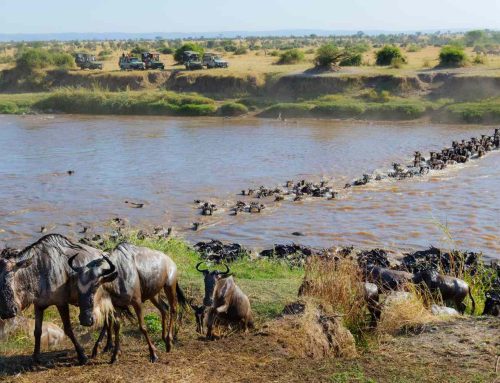
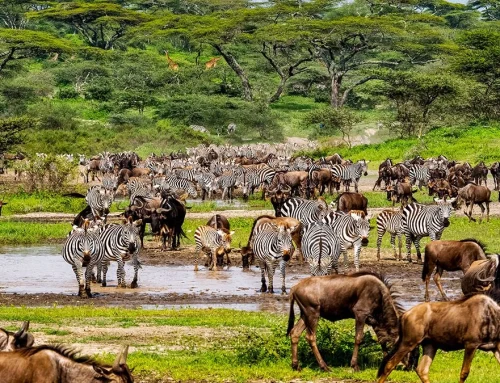
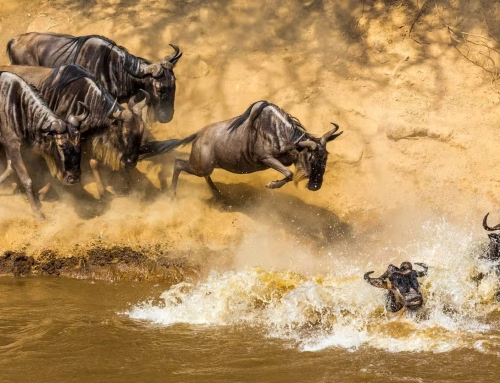
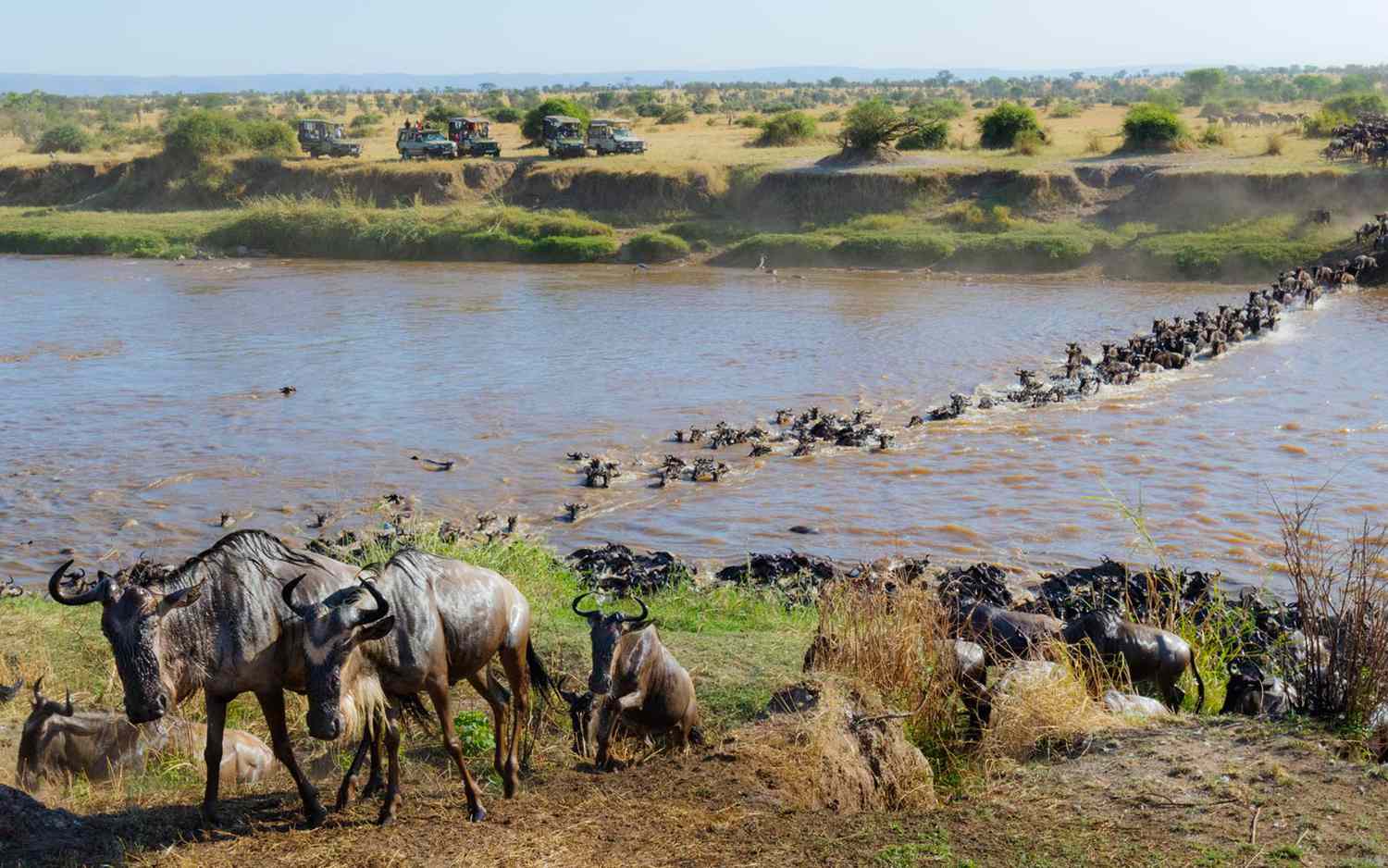
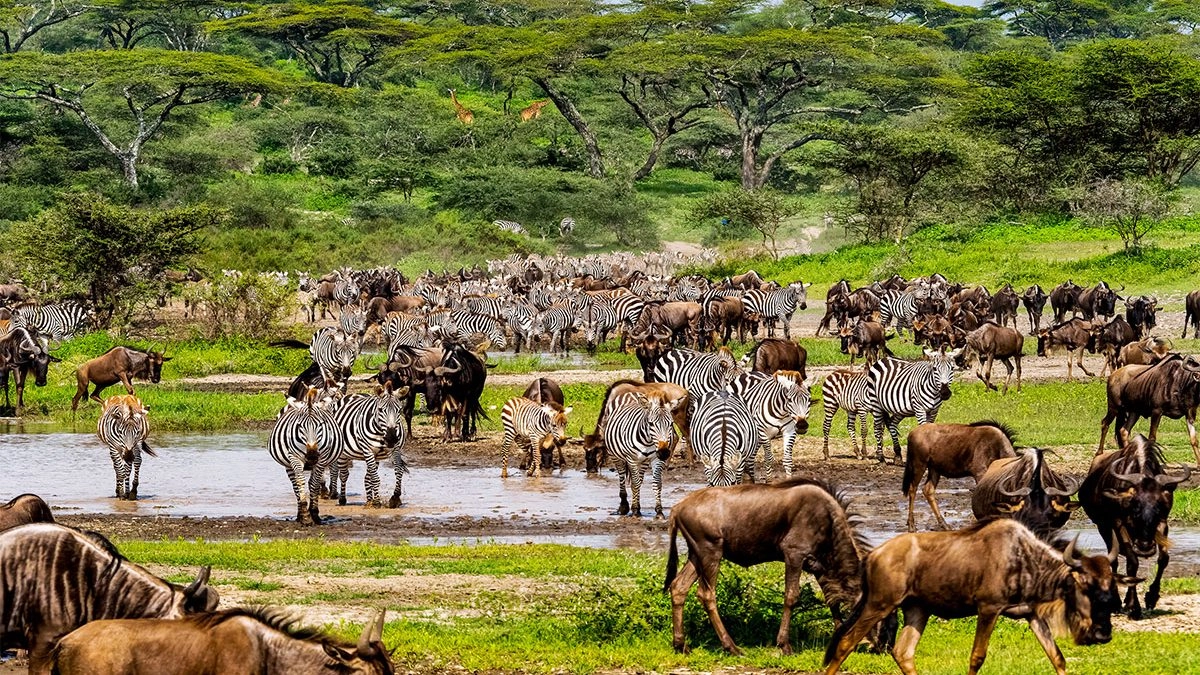
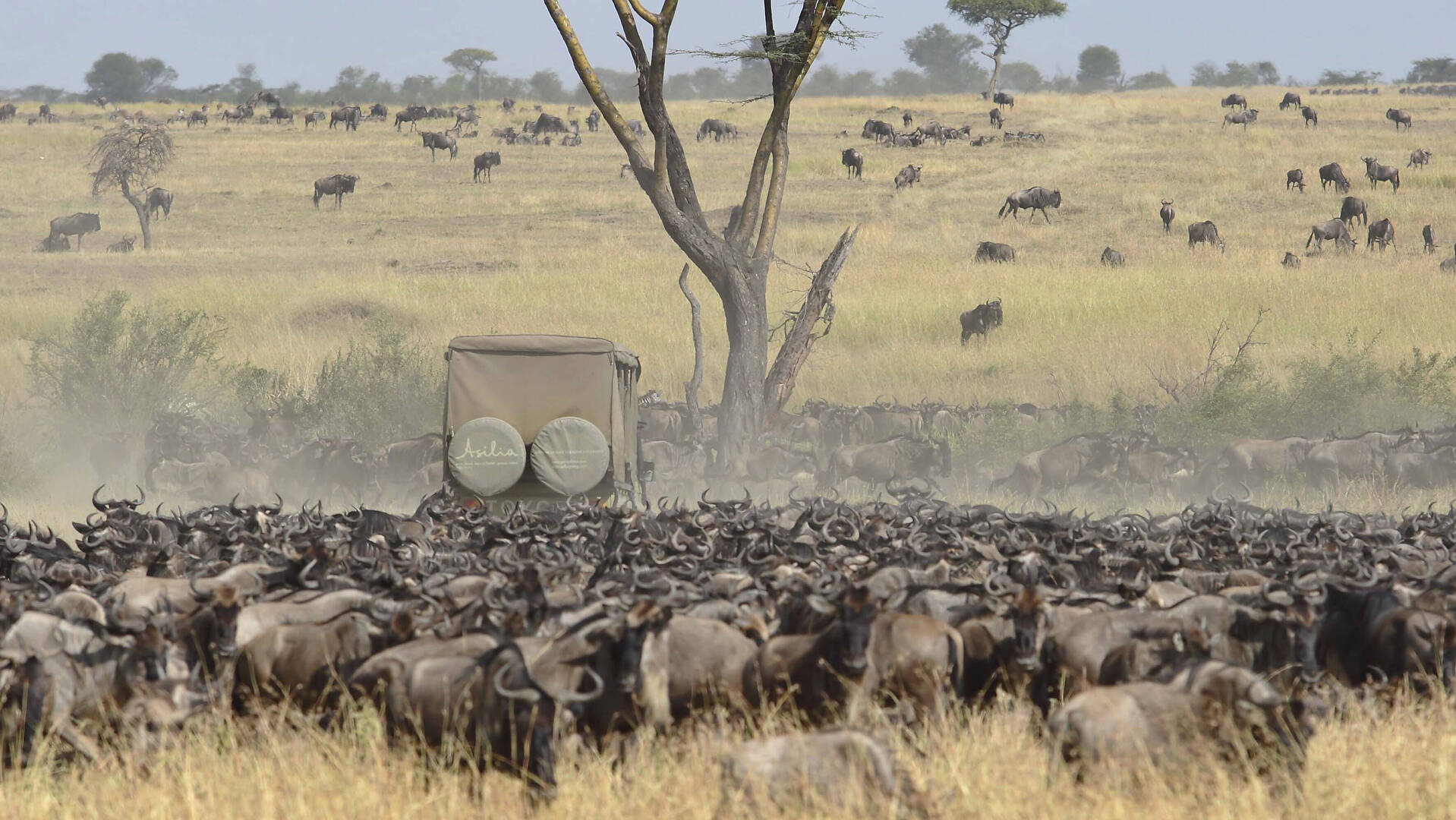
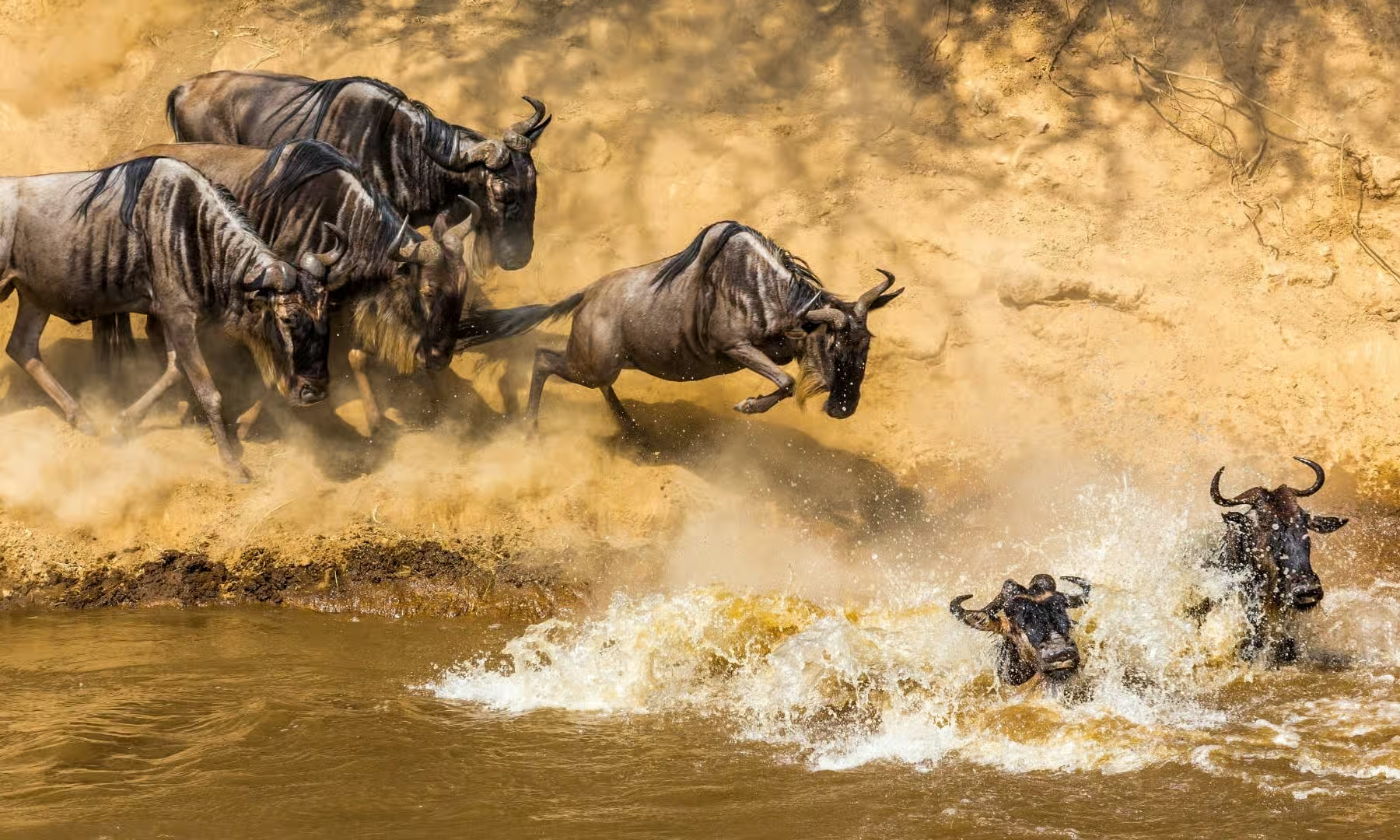
Selecting destinations depends on the wildlife or experiences you prioritize. Uganda and Rwanda are world-renowned for primate trekking, offering mountain gorillas and chimpanzees in lush forests. Kenya and Tanzania provide iconic savannah wildlife and spectacular migrations, with parks such as the Masai Mara, Serengeti, and Ngorongoro Crater hosting lions, elephants, and wildebeest herds.
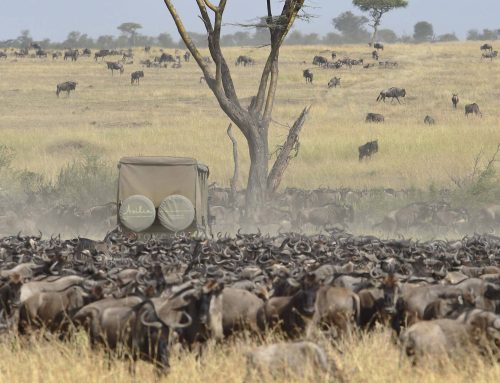
Each park has specific access considerations. Mountain gorilla trekking requires permits and physical preparedness, while savannah game drives are typically accessible with 4×4 vehicles and professional guides. Visitors should also consider combining multiple parks within a single itinerary to experience varied landscapes and wildlife, balancing rainforest treks, wetlands, savannahs, and highland areas.
Timing and Seasons
The timing of a safari impacts wildlife visibility, trekking conditions, and overall experience. Dry seasons, typically June to September and December to February, offer the easiest access to trails, roads, and game-viewing areas. During this time, animals gather around water sources, increasing sightings, and forests are easier to navigate for primate treks.
Wet seasons, from March to May and October to November, bring lush scenery, enhanced birdlife, and fewer tourists. However, trails may become slippery, roads difficult to navigate, and some remote lodges may have limited accessibility. Choosing the right season depends on priorities, whether prime wildlife sightings, fewer crowds, or scenic greenery.
Transportation Logistics
East Africa’s safari logistics involve international and domestic travel. Major airports include Entebbe in Uganda, Kigali in Rwanda, Nairobi and Mombasa in Kenya, and Kilimanjaro or Dar es Salaam in Tanzania. Domestic flights provide access to remote parks, reducing overland travel time.
Overland transfers remain common for connecting nearby parks, using 4×4 vehicles suited for rough terrain. Experienced drivers familiar with local conditions enhance safety and efficiency. Travel between countries requires border crossings, visa considerations, and sometimes additional fees, making it essential to plan route sequences carefully.
Permits and Park Regulations
Certain activities, particularly gorilla trekking in Uganda and Rwanda, require permits. These permits are limited to protect endangered species, with high demand during peak seasons. Early booking is critical to secure spots.
Other parks may require entry fees, guide fees, or specialized permits for activities like night drives, boat safaris, or walking tours. Understanding park rules, such as minimum distances from animals, restrictions on photography, and conservation guidelines, ensures safe and responsible wildlife viewing.
Accommodation Planning
Accommodations vary from luxury lodges and boutique hotels to mid-range camps and community-run eco-lodges. Staying close to safari destinations minimizes travel time and maximizes wildlife viewing opportunities. Luxury lodges often offer curated experiences, fine dining, and guided excursions, while eco-lodges provide immersive and sustainable experiences connected to local communities.
Planning accommodations around park accessibility, trailheads, and vehicle routes ensures smoother daily schedules. Some lodges also offer early morning breakfast options for pre-dawn departures to game drives or primate treks, enhancing wildlife encounter opportunities.
Guided Tours and Expertise
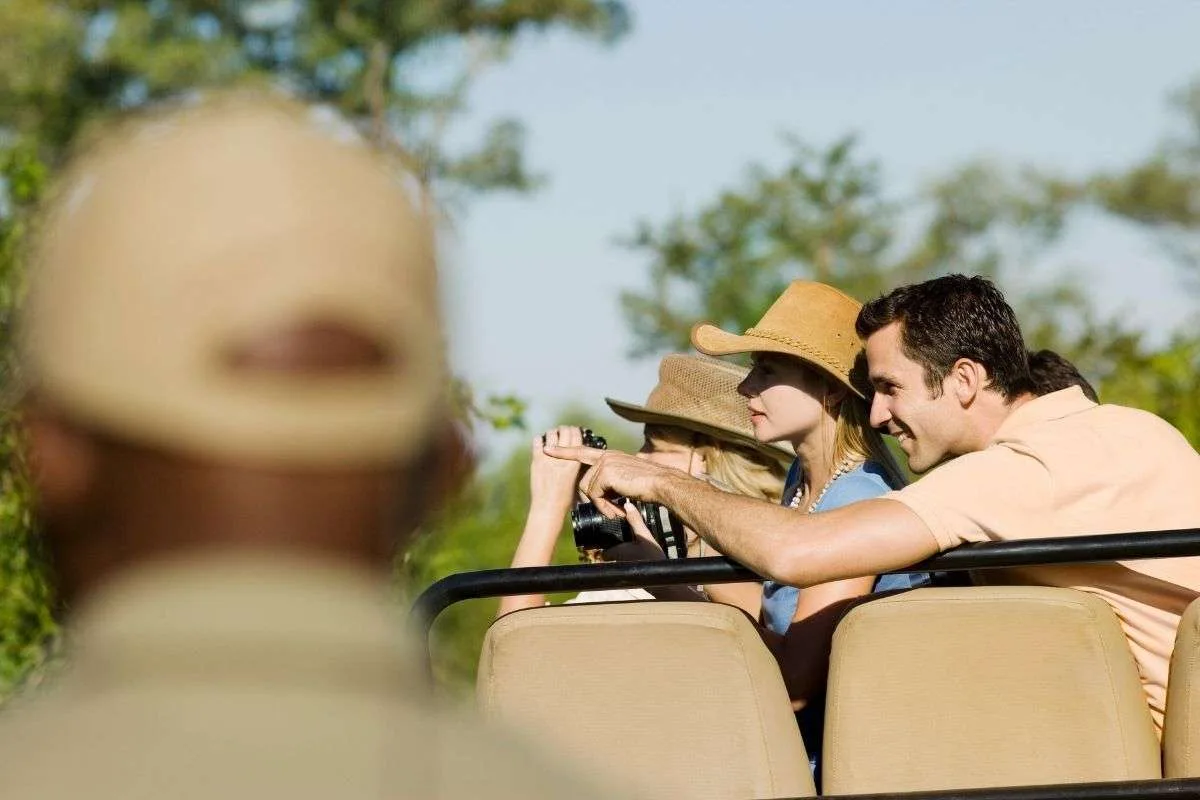
Professional guides and trackers are essential for a successful safari. Their knowledge of animal behavior, habitats, and local terrain increases wildlife sightings and ensures visitor safety. For gorilla and chimpanzee trekking, guides provide educational briefings on primate social structure, conservation status, and trail safety.
In savannah parks, experienced guides know the best game-viewing locations, predator activity patterns, and optimal photography conditions. Hiring reputable safari operators ensures adherence to conservation ethics, supports local communities, and provides insights that self-guided travelers may miss.
Health and Safety Considerations
Health preparation is critical. Yellow fever vaccination is mandatory for many East African countries, and malaria prophylaxis is strongly recommended. Carrying a first-aid kit, personal medications, insect repellent, sunscreen, and adequate hydration is essential, especially for remote or physically demanding treks.
Safety protocols include keeping minimum distances from wildlife, following guide instructions, and staying inside vehicles during game drives unless explicitly allowed. Road and trail conditions vary, particularly in wet seasons, requiring preparedness for long drives or challenging terrain.
Packing and Essentials
Packing for an East African safari requires planning for comfort, safety, and practicality. Neutral-colored, lightweight, and breathable clothing helps blend into natural surroundings. Sturdy trekking boots, rain jackets, hats, and sunglasses are essential. Binoculars, cameras with zoom lenses, and extra memory or batteries are crucial for wildlife photography.
For primate treks, gloves, gaiters, and layered clothing protect against thorns and mud. Backpacks for carrying water, snacks, and personal items enhance mobility during long game drives or forest treks. Layering clothing is recommended for regions with temperature fluctuations between highland forests and open savannahs.
Budgeting and Costs
Safari costs vary depending on destination, activities, and accommodations. Gorilla trekking permits are the most expensive, reflecting their conservation value and exclusivity. Savanna safaris vary with vehicle hire, guide services, park entry fees, and lodging standards.
Travelers should also budget for tips, optional excursions, and domestic flights. Early booking often secures better rates and availability during peak travel periods. Combining luxury, mid-range, and community-based accommodation options allows flexibility for different budgets while ensuring quality experiences.
Conclusion
Proper safari planning and logistics are the backbone of a successful East African adventure. Understanding park locations, seasonal conditions, transportation options, permits, accommodations, and safety requirements ensures smooth and rewarding wildlife encounters. With meticulous preparation, travelers can maximize sightings, minimize stress, and enjoy immersive experiences across Uganda, Rwanda, Kenya, and Tanzania.
By combining expert guides, suitable accommodations, strategic timing, and health precautions, safari-goers can experience the full spectrum of East Africa’s wildlife, from mountain gorillas and chimpanzees to lions, elephants, and migratory herds. Thoughtful planning transforms a safari from a simple visit into a seamless, unforgettable journey through some of the most biodiverse regions on the planet.