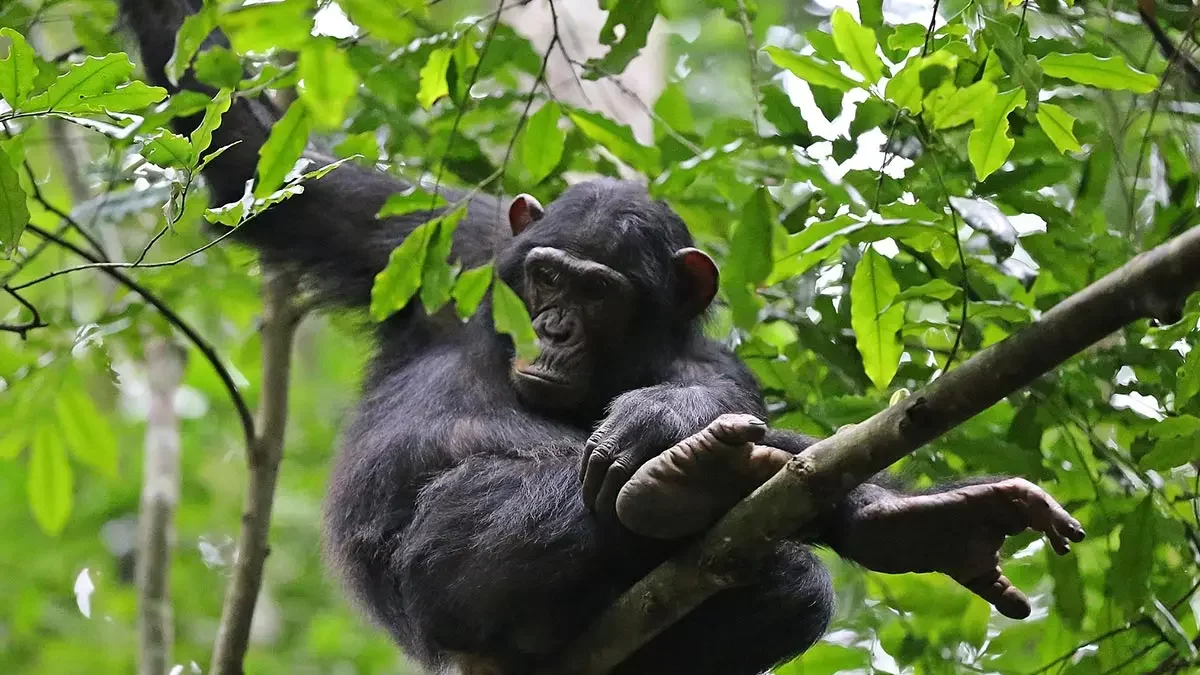
Gorilla and Chimpanzee Trekking in East Africa: A Complete Safari Guide
Gorilla trekking and Chimpanzee trekking are two of the most sought-after wildlife experiences in East Africa. These adventures combine the thrill of trekking through dense forests with the rare opportunity to observe our closest primate relatives in their natural habitats. Countries like Uganda, Rwanda, and even parts of the Democratic Republic of Congo offer unique trekking experiences that draw travelers from all over the world.
Gorilla and chimpanzee trekking is more than a wildlife excursion; it is an immersive journey into some of Africa’s most biodiverse forests. It allows visitors to witness social behavior, feeding patterns, and interactions within primate families. The activities are designed to balance adventure, conservation, and education. Trekking permits are limited to reduce human impact on these endangered species, ensuring that each visitor’s experience contributes to the preservation of these remarkable animals.
Mountain Gorilla Trekking
Bwindi Impenetrable National Park and Volcanoes National Park are the premier destinations for mountain gorilla trekking. Both parks are home to habituated gorilla families that have been carefully acclimatized to human presence under strict conservation protocols.
Trekking typically involves early morning starts, as guides and trackers lead visitors along forest trails in search of gorilla families. The trails can be steep, muddy, and physically challenging, requiring moderate fitness, but the reward of spending an hour with a family of gorillas is unparalleled. Visitors often witness silverbacks asserting dominance, mothers caring for infants, and young gorillas exploring and playing, offering once-in-a-lifetime photographic and observational opportunities.
Gorilla trekking is highly regulated. Only a limited number of permits are issued per day to protect the gorillas from stress and disease. Guides provide educational briefings, explaining gorilla behavior, social structure, and conservation efforts, ensuring that visitors leave with a deeper understanding of these endangered primates.
Chimpanzee Trekking
Kibale National Park and Nyungwe National Park are the leading sites for chimpanzee trekking. Unlike gorillas, chimpanzees are more mobile, often traveling long distances in search of fruiting trees. Trekking them requires patience, attentive tracking, and sometimes longer hikes through dense forests.
Chimpanzees are highly social and vocal. Trekking allows visitors to observe grooming behaviors, play, communication, and even hunting interactions. Both parks are also rich in other primate species, including red colobus monkeys, mangabeys, and various guenons. Birdlife is abundant, and the forests themselves offer immersive experiences with lush vegetation, cascading streams, and high canopies, enhancing the trekking adventure.
Trekking Preparation and Tips
Gorilla and chimpanzee trekking requires preparation to maximize safety and enjoyment. Participants should wear neutral-colored, long-sleeved clothing to blend with the forest, sturdy trekking shoes, and carry waterproof jackets during rainy seasons. Binoculars, cameras with zoom lenses, insect repellent, and water are essential. Trekking is physically demanding in some areas, so a reasonable level of fitness is necessary. Guides provide safety briefings and ensure adherence to rules designed to protect both humans and primates, such as maintaining minimum distances and avoiding direct contact.
Early morning departures are standard, as wildlife is more active, and temperatures are cooler. Visitors should also arrive prepared for varying weather conditions, from misty forests to muddy trails, particularly during the wet seasons. Patience is key, especially when tracking chimpanzees, as they can travel extensively before being located.
Conservation Impact
Gorilla and chimpanzee trekking directly supports conservation. Permit fees fund park management, anti-poaching efforts, and community development programs. By following strict rules, visitors help minimize disease transmission and habitat disturbance. Trekking promotes awareness about endangered species, engages travelers in conservation education, and fosters sustainable tourism models that benefit both wildlife and local communities.
Combining Gorilla and Chimpanzee Safaris
Many itineraries in Uganda and Rwanda allow travelers to combine gorilla and chimpanzee trekking in a single safari. For example, a traveler might spend a few days in Bwindi or Volcanoes National Park for gorilla trekking, then continue to Kibale or Nyungwe for chimpanzee tracking. This combination provides a comprehensive primate-focused safari, showcasing different forest ecosystems, species behaviors, and landscapes.
Visitors can also integrate additional wildlife experiences, such as savannah game drives, birdwatching, or boat safaris along rivers, making the safari diverse and enriching. Cultural visits to local communities often complement primate trekking, offering insights into conservation practices, traditional life, and the relationship between humans and wildlife in East Africa.
Best Time for Primate Trekking
The best periods for gorilla and chimpanzee trekking are the dry seasons. In Uganda, June to September and December to February provide firm trails, easier forest navigation, and high visibility for wildlife observation. Rwanda follows similar patterns, with the dry season offering optimal trekking conditions. Wet seasons, from March to May and October to November, bring lush scenery and fewer tourists but increase trail difficulty due to mud and slippery paths. Choosing the right season ensures both comfort and the highest likelihood of close encounters with primates.
Accommodation Options Near Trekking Sites
Accommodations near gorilla and chimpanzee trekking sites vary from luxury lodges to eco-camps. Luxury lodges provide comfort, fine dining, and scenic views overlooking forested valleys or hillsides. Mid-range lodges offer accessible amenities while maintaining proximity to trekking sites. Eco-lodges and community-run accommodations provide immersive, sustainable experiences that allow visitors to connect with both wildlife and local culture. Staying close to trekking locations maximizes the time spent in forests and reduces travel stress.
Wildlife Highlights and Photography
Both gorilla and chimpanzee trekking offer incredible photographic opportunities. Gorillas display strong social bonds, expressive faces, and impressive size, while chimpanzees exhibit agility, playfulness, and communicative behaviors. Photographers should focus on zoom lenses, quick shutter speeds for moving primates, and patience for capturing natural interactions. Trekking also allows for broader nature photography, including forest flora, birds, and other wildlife encountered along the trails.
Conclusion
Gorilla and chimpanzee trekking in East Africa offers unparalleled encounters with some of the world’s most remarkable primates. These safaris provide adventure, education, and deep connections with nature, while supporting conservation efforts that protect endangered species. By visiting Uganda and Rwanda, travelers experience misty forest trails, vibrant primate behavior, and intimate wildlife encounters that cannot be replicated elsewhere. Careful planning around permits, seasonality, and accommodations ensures a rewarding and safe trekking experience, making primate safaris a highlight of any East African wildlife adventure.