

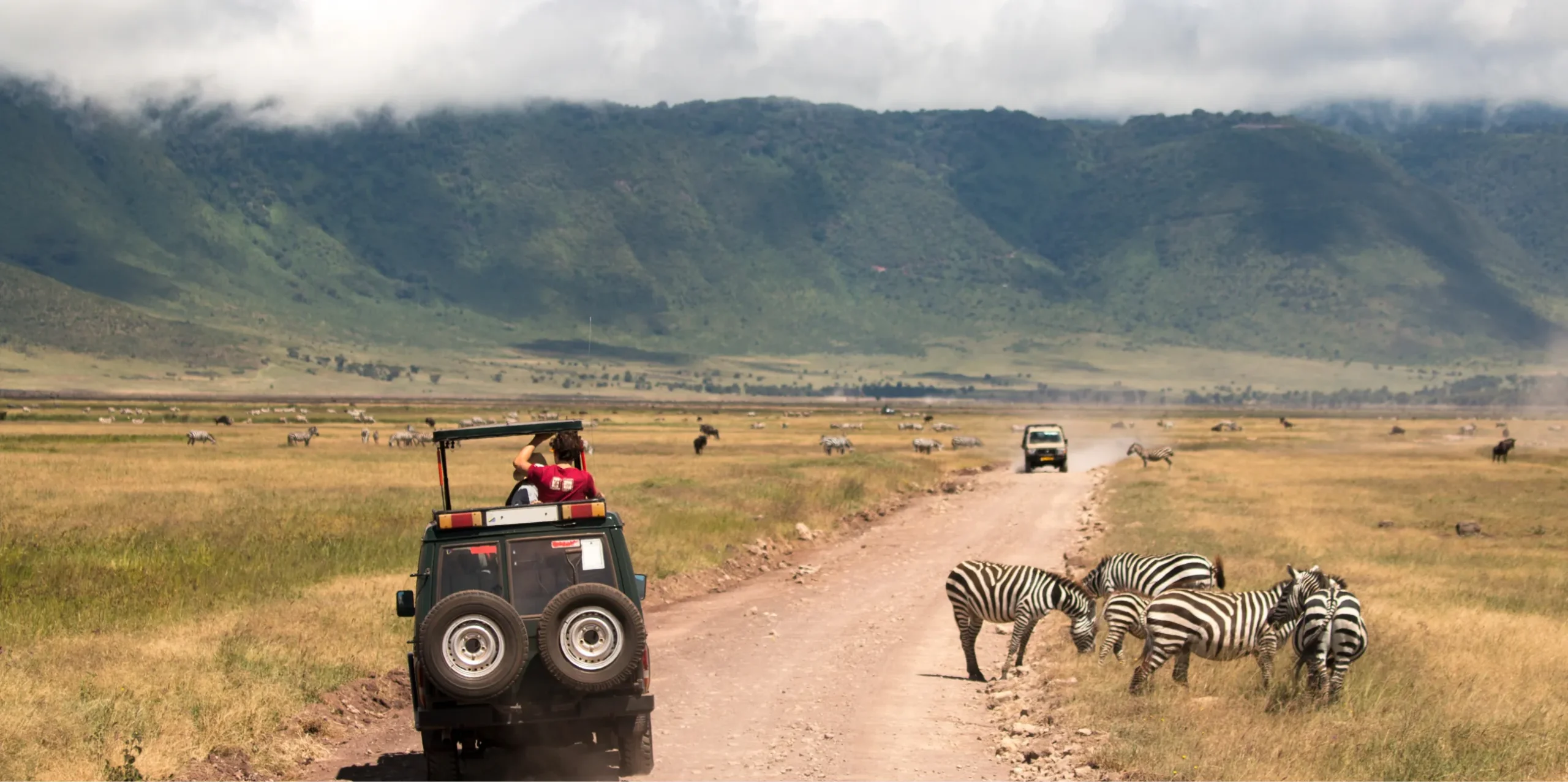
Tanzania Safari 2026: The Ultimate East African Wildlife Adventure
Tanzania is a safari lover’s paradise, renowned for its sweeping savannahs, iconic wildlife, and unforgettable landscapes. From the vast plains of the Serengeti to the volcanic heights of Ngorongoro and the serene shores of Lake Manyara, Tanzania offers a rich tapestry of ecosystems, habitats, and wildlife experiences.
A safari in Tanzania is not just about spotting the Big Five—lions, elephants, leopards, rhinos, and buffalo—but also about immersing yourself in the rhythms of nature, connecting with local cultures, and witnessing one of the most spectacular natural events on Earth: the Great Migration. Tanzania’s national parks, reserves, and conservation areas provide both luxury and adventure for travelers seeking an authentic African safari experience.
This comprehensive guide explores everything you need to know for a Tanzania safari in 2026, from the best destinations, safari activities, and wildlife highlights to practical planning tips, accommodations, cultural experiences, and seasonal considerations.
Top Safari Destinations in Tanzania
Serengeti National Park: Endless Plains and Iconic Wildlife
Serengeti National Park is arguably the most famous safari destination in Africa, stretching across approximately 14,750 square kilometers. Its rolling plains, kopjes, and riverine forests create ideal habitats for a wealth of wildlife.
Visitors to Serengeti can expect Big Five sightings with lions basking in the sun, leopards resting in trees, herds of elephants grazing, elusive black rhinos, and buffalo roaming the plains. The park is also the stage for the Great Migration, where over 1.5 million wildebeest and hundreds of thousands of zebras traverse the plains from June to October, attracting predators and creating awe-inspiring wildlife spectacles. Birdwatchers will delight in over 500 species, including ostriches, secretary birds, and colorful lilac-breasted rollers. Serengeti’s vastness allows for diverse safari experiences, including game drives, hot air balloon safaris, walking tours, and photography expeditions. Fly-in safaris are popular for accessing remote corners like the Western Corridor, where migration herds converge during June and July.
Ngorongoro Conservation Area: A Crater Full of Life
Ngorongoro Conservation Area features the world-famous Ngorongoro Crater, a massive volcanic caldera that hosts a dense concentration of wildlife in a relatively small area. The crater spans 260 square kilometers and is surrounded by a scenic highland plateau inhabited by Maasai pastoralists.
Visitors can enjoy crater floor game drives spotting lions, elephants, buffalo, black rhinos, and cheetahs against a backdrop of acacia-studded grasslands and crater lakes. Cultural immersion with Maasai communities on the crater rim provides insight into traditional pastoral life, beadwork, and cultural rituals. Panoramic views from the rim offer endless photographic opportunities. Ngorongoro is ideal for travelers seeking high wildlife density, stunning landscapes, and cultural connections in one accessible destination.
Tarangire National Park: Elephant Haven and Iconic Baobabs
Tarangire National Park is known for its large elephant herds and striking baobab trees, creating one of the most picturesque safari landscapes in Tanzania. Located in northern Tanzania, Tarangire is especially attractive during the dry season when wildlife congregates around the Tarangire River.
Visitors can enjoy large herbivore herds including elephants, giraffes, zebras, and wildebeest, offering exceptional wildlife viewing. The park also hosts over 500 bird species, such as the African pygmy kingfisher and the yellow-collared lovebird. Iconic baobab-studded plains create memorable African safari vistas. Tarangire is often combined with Serengeti and Ngorongoro for multi-day Northern Circuit safaris, providing a variety of landscapes and wildlife experiences in one itinerary.
Lake Manyara National Park: Tree-Climbing Lions and Wetlands
Lake Manyara National Park offers a unique mix of ecosystems, including soda lakes, forests, and open grasslands. Its small size makes it perfect for half-day safaris.
Lake Manyara is famous for rare sightings of lions resting in acacia trees, as well as hippos and flamingos inhabiting the lake. Over 400 bird species, including pelicans, storks, and kingfishers, attract birdwatchers. The park provides quick and rewarding safari experiences with dramatic wildlife encounters in a compact area.
Selous Game Reserve (Nyerere National Park): Remote Wilderness
Selous Game Reserve, now known as Nyerere National Park, is one of Africa’s largest protected areas, covering over 50,000 square kilometers. Selous offers a more secluded safari experience, ideal for travelers seeking tranquility and diverse wildlife.
Highlights include guided walking safaris that provide close encounters with herbivores and birds while teaching tracking skills, and boat safaris along the Rufiji River where hippos, crocodiles, and waterbirds can be observed. Pristine landscapes of miombo woodlands, riverine forests, and savannah plains provide diverse wildlife habitats for a complete off-the-beaten-path experience.
Safari Activities and Experiences
Game drives are the cornerstone of a Tanzanian safari, with morning and afternoon excursions maximizing wildlife sightings. Guides navigate diverse terrains in open 4×4 vehicles, ensuring safety and optimal viewing. Morning drives capture predator activity and wildlife movement, while afternoon drives reveal animals gathering near water sources. Some parks, such as Tarangire, offer night drives to spot leopards, bush babies, and other nocturnal species.
Walking safaris allow travelers to engage with the environment on foot, observing tracks, insects, birds, and smaller wildlife. Walking safaris in Selous and parts of Serengeti provide educational experiences on ecology, tracking, and conservation practices.
Hot air balloon safaris over the Serengeti offer panoramic aerial views of plains, predator-prey interactions, and migrating herds. Sunrise flights combine wildlife observation with breathtaking scenery.
Cultural encounters with Maasai villages and other local communities add a meaningful dimension to safari itineraries. Visitors can observe traditional beadwork, dances, and pastoral practices, and participate in storytelling sessions to learn about wildlife conservation and community life.
Tanzania is also a birdwatcher’s paradise, with parks like Serengeti, Tarangire, and Lake Manyara hosting hundreds of species. Highlights include secretary birds hunting across grasslands, martial eagles soaring above kopjes, lesser flamingos feeding in soda lakes, and exotic forest species in Mahale Mountains and Nyungwe Forest for those including chimpanzee treks.
Best Time for a Tanzania Safari
The dry season from June to October is ideal for game viewing as wildlife congregates near water sources and roads are accessible. This period also coincides with the Great Migration in northern Serengeti. The wet season, November to May, brings lush green landscapes, abundant birdlife, and fewer tourists. Short rains in November and December can be combined with safaris, while long rains from March to May may restrict access to some remote areas.
Accommodation Options
Tanzania offers accommodations for all preferences. Luxury lodges in Serengeti, Ngorongoro, and Tarangire provide high-end safari experiences with full-board packages. Tented camps offer immersive wilderness experiences, while mid-range lodges provide comfort with guided safari options. Budget campsites are suitable for adventurous travelers seeking low-cost yet immersive experiences. Lodges within or near park boundaries reduce travel time and maximize wildlife viewing opportunities.
Safari Planning and Logistics
Most safaris start with flights into Kilimanjaro International Airport or Dar es Salaam. Domestic flights to Serengeti, Ngorongoro, and other parks save travel time. 4×4 safari vehicles with professional guides ensure safety and access to all terrains. Most visitors require visas, and yellow fever vaccination is mandatory for certain nationalities. Certified safari guides enhance the experience with insights on wildlife behavior, tracking, and photography tips.
Additional Tips for a Successful Safari
Travelers should wear neutral-colored clothing to blend with wildlife habitats. Binoculars and cameras with zoom lenses are essential. Sun protection, insect repellent, and sufficient water are recommended. Maintaining safe distances from wildlife is crucial, and scheduling drives during early morning or late afternoon maximizes animal activity.
A Tanzanian safari in 2026 offers a life-changing journey through some of Africa’s most iconic landscapes and wildlife habitats. From the endless plains of Serengeti and the cratered wonder of Ngorongoro to the elephant herds of Tarangire and the secluded Selous wilderness, Tanzania provides unparalleled adventure and discovery.
Careful planning around the seasons, wildlife movements, and accommodation options allows travelers to enjoy a memorable, immersive safari combining wildlife, culture, landscapes, and photography opportunities. Tanzania is more than a safari destination; it is an invitation to witness the raw beauty and extraordinary biodiversity of East Africa.