

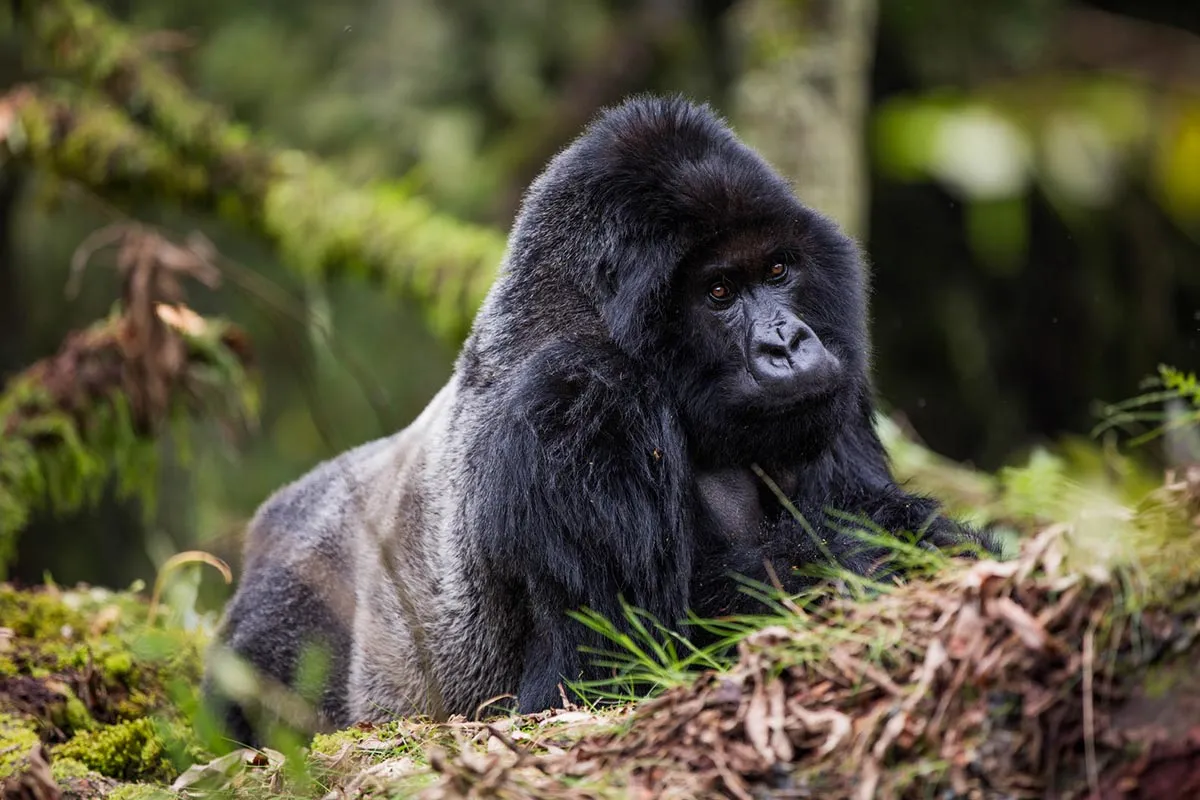
Uganda, Rwanda & Congo Gorilla Trekking Tour: The Ultimate 2026 Experience
A gorilla trekking tour across Uganda, Rwanda, and the Democratic Republic of Congo (DRC) offers one of the most extraordinary wildlife experiences in the world. These three countries are the only places where mountain gorillas survive in the wild, making this tour a bucket-list adventure for wildlife enthusiasts, photographers, and eco-tourists alike. The trip combines dense tropical rainforests, volcanic landscapes, and intimate encounters with some of the planet’s most iconic and endangered species.
In 2026, gorilla trekking across East and Central Africa has become more accessible and better organized, with regulated permits, experienced guides, and conservation-focused lodges. This tri-country tour provides a once-in-a-lifetime opportunity to observe gorilla families, explore scenic highlands, and experience the rich cultures of local communities, all while supporting critical conservation efforts.
Uganda: Bwindi and Mgahinga Gorilla National Parks
Uganda is often the first stop for most gorilla trekking tours due to its well-established infrastructure and a large population of habituated gorilla families.
Bwindi Impenetrable Forest, a UNESCO World Heritage site, is home to more than half of the world’s mountain gorillas. Treks in Bwindi are unforgettable, taking visitors through dense forest trails filled with mist, moss-draped trees, and abundant birdlife. Trekkers spend approximately one hour observing habituated gorilla families, capturing their behavior, social interactions, and striking silverback leaders.
Mgahinga Gorilla National Park, located near the border with Rwanda and Congo, offers a smaller but equally rewarding experience. The park is known for its golden monkeys, volcanic slopes, and panoramic views of the Virunga Mountains. Trekking in Mgahinga tends to be less crowded than Bwindi, offering a more intimate encounter with wildlife and pristine rainforest environments.
Uganda’s infrastructure allows for flexible itineraries, from single-day gorilla treks to extended safaris that combine gorilla tracking with Queen Elizabeth National Park, Murchison Falls, or Lake Bunyonyi. The country’s lodges, ranging from luxury tented camps to eco-lodges, provide comfort while maintaining close proximity to trekking zones.
Rwanda: Volcanoes National Park
Rwanda, famously called the “Land of a Thousand Hills,” hosts approximately one-third of the world’s mountain gorilla population within Volcanoes National Park. Gorilla trekking in Rwanda is often considered easier due to the well-maintained trails, organized treks, and high habituation level of gorilla families.
Volcanoes National Park is framed by dramatic volcanic peaks, offering stunning photographic opportunities alongside gorilla encounters. The gorilla habituation experience allows visitors to spend extended time with gorillas under the guidance of experienced rangers, witnessing social behavior, playful juveniles, and interactions among silverbacks and their families.
Beyond gorillas, Rwanda offers other wildlife experiences such as golden monkey tracking and exploring the lush, high-altitude rainforest. Cultural interactions with local communities, including visits to Iby’iwacu cultural village, add a human dimension to the journey, highlighting how conservation efforts integrate with local traditions.
Democratic Republic of Congo: Virunga National Park
Virunga National Park, Africa’s oldest national park, offers a more remote and adventurous gorilla trekking experience. The DRC is home to critically endangered mountain gorillas, and trekking here is often for travelers seeking off-the-beaten-path wildlife adventures.
Trekking in Virunga requires careful planning due to its challenging terrain and remote access, but the rewards are unmatched: fewer crowds, pristine rainforest, and encounters with gorilla families in their natural, unspoiled habitat. The park also features active volcanoes, including Mount Nyiragongo, which can be added to itineraries for adventurous travelers seeking dramatic volcanic landscapes.
Because of security and logistical considerations, visits to Virunga are best arranged with experienced tour operators who handle permits, local guides, and safety measures. The DRC section adds an adventurous and highly rewarding component to a gorilla trekking tour, appealing to seasoned wildlife enthusiasts.
Planning a Tri-Country Gorilla Trekking Tour
Organizing a gorilla trekking tour across Uganda, Rwanda, and Congo requires careful planning. Key considerations include:
- Permits: Gorilla permits must be purchased in advance for each country. Uganda and Rwanda require early booking, especially during peak seasons, while Virunga permits are limited and often require coordination with local authorities.
- Travel Logistics: Uganda and Rwanda are well-connected via flights and road networks, while access to Congo requires charter flights or secure overland travel.
- Best Seasons: Dry seasons (June–September and December–February) are ideal for trekking, providing firm trails and higher chances of wildlife sightings. Rainy months offer lush scenery but more challenging treks.
- Health Requirements: Visitors need up-to-date yellow fever vaccinations, malaria prophylaxis, and travel insurance covering remote areas.
- Equipment: Telephoto lenses, waterproof gear, hiking boots, and walking sticks are essential for navigating forested and muddy trails.
Safari and Photography Highlights
A multi-country gorilla trekking tour offers diverse photographic opportunities. In Uganda and Rwanda, silverbacks, playful infants, and social grooming behaviors dominate the frame. In Congo, the remote wilderness provides wide shots of gorillas within dense forests and volcanic landscapes. Landscapes from the Virunga volcanoes, Bwindi’s misty hills, and Rwanda’s rolling green hills enhance compositions. Birdlife, butterflies, and endemic plants add to the photographic diversity.
Photography etiquette is crucial: maintain the required distance from gorillas, avoid flash, and follow ranger instructions. Patience and observation yield the most memorable images, capturing intimate moments of gorilla social life.
Cultural and Conservation Impact
Gorilla trekking tours also emphasize conservation. Revenues from permits support anti-poaching patrols, habitat preservation, and community development. Engaging with local communities demonstrates how tourism benefits livelihoods while protecting endangered species. Visitors contribute directly to preserving mountain gorillas, one of the world’s most iconic and endangered species.
Local guides share knowledge about gorilla behavior, forest ecology, and conservation challenges, providing a richer understanding of the fragile ecosystems that support these primates. Cultural village visits in Rwanda and Uganda complement wildlife encounters by highlighting the heritage, crafts, and traditions of the people who live alongside gorillas.
Conclusion
A Uganda, Rwanda, and Congo gorilla trekking tour is the ultimate East African wildlife adventure. From the dense forests of Bwindi and Mgahinga to the volcanic peaks of Volcanoes National Park and the remote wilderness of Virunga, travelers experience close encounters with mountain gorillas in their natural habitats, complemented by scenic landscapes and rich cultural interactions.
In 2026, this tri-country tour is highly recommended for wildlife enthusiasts, photographers, and conservation-minded travelers seeking an unforgettable journey into one of the planet’s most unique ecosystems. With careful planning, permits, and guided expertise, a gorilla trekking tour across Uganda, Rwanda, and Congo becomes a life-changing adventure that combines the thrill of safari, the beauty of East and Central African landscapes, and the intimate experience of observing mountain gorillas in the wild.