Islands of Lake Bunyonyi: A Comprehensive Exploration of Uganda’s Highland Archipelago
Lake Bunyonyi, located in southwestern Uganda near the town of Kabale, is one of Africa’s most enchanting highland lakes. Often referred to as the “place of many little birds,” the lake sits at an altitude of 1,962 meters above sea level, offering a serene, cool climate and breathtaking views. The name Bunyonyi is derived from the local language, meaning “Place of Many Little Birds,” reflecting the lake’s rich avian biodiversity.
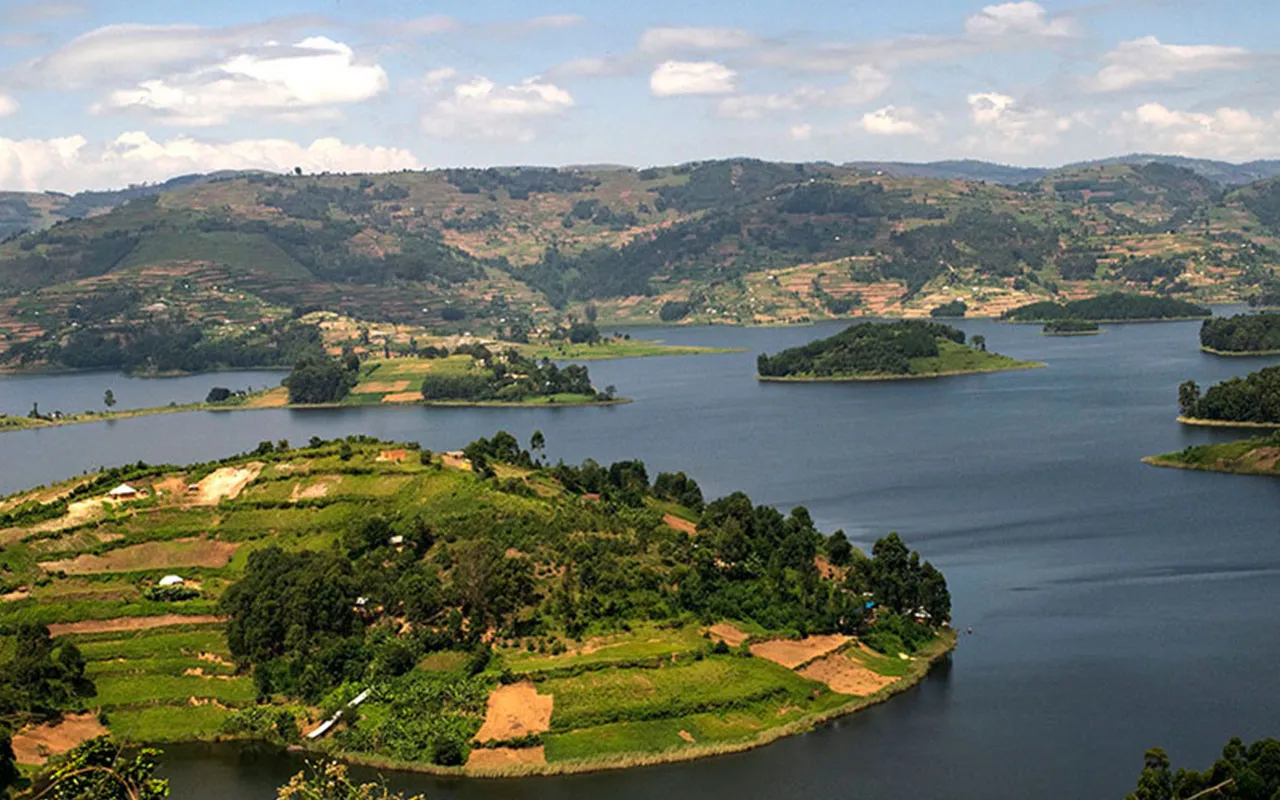
With 29 islands scattered across its calm, mirror-like waters, Lake Bunyonyi provides a unique combination of cultural history, scenic beauty, and ecological diversity. Each island tells a story, either of ancient local traditions, colonial history, folklore, or modern conservation efforts. The lake has become a top destination for tourists seeking both relaxation and exploration, offering kayaking, canoeing, swimming, birdwatching, and cultural interaction with the surrounding communities.
The lake is also surrounded by terraced hills that have been cultivated for centuries by the Bakiga people, creating a patchwork of greenery and farmland that enhances the picturesque quality of the region. Unlike other African lakes that are lowland and hot, Bunyonyi’s high elevation and cool temperatures provide a tranquil escape from the heat, making it a favorite for domestic and international travelers alike.
Punishment Island (Akampene)
One of the most infamous islands in Lake Bunyonyi is Akampene, popularly known as Punishment Island. Historically, unmarried pregnant girls from surrounding communities were abandoned on this small, rocky island as a form of social punishment. The island had no facilities, no shelter, and required the girls to survive until rescued or until they were able to signal for help.
This historical practice may seem harsh to modern sensibilities, but it reflects traditional cultural norms and societal structures among the Bakiga people at the time. Today, Punishment Island remains a place of historical significance. Visitors can access the island by canoe, walk across its small terrain, and reflect on its cultural past. Although uninhabited today, it serves as a reminder of Uganda’s evolving social norms and provides a cultural lens for understanding the region’s history.
Bushara Island
Bushara Island is one of the most accessible and developed islands on Lake Bunyonyi. Known for its lush vegetation, forested areas, and walking trails, Bushara is a popular destination for eco-tourism and nature enthusiasts.
Visitors can explore the island on foot, observing local flora, small wildlife, and bird species. The island also offers camping and picnic areas, making it ideal for day trips or overnight stays. Bushara Island’s calm and relatively quiet environment makes it an excellent spot for photography, meditation, and relaxation, away from the more crowded areas of the lake.
The island is inhabited by a small local community, which contributes to its charm. Visitors have the opportunity to interact with residents, learn about traditional fishing practices, and gain insight into the lifestyle of people living on the lake’s islands.
Bwama Island
Bwama Island has a rich colonial and medical history. During the early 20th century, British missionary Dr. Leonard Sharp established a leprosy treatment center on the island. Patients from surrounding regions were brought here for care, and remnants of the hospital, church, and school remain today.
The island is still inhabited, hosting a local school and community. Visitors can walk through historical sites, learning about the medical and missionary work that shaped the island’s past. Bwama Island represents the intersection of cultural, medical, and colonial history, making it one of the most educational stops on Lake Bunyonyi.
Njuyeera (Sharp’s Island)
Located near Bwama Island, Njuyeera—commonly referred to as Sharp’s Island—is historically connected to Dr. Leonard Sharp, who used it as his personal residence while overseeing the leprosy hospital on Bwama.
This island is less frequented by tourists, providing a more secluded and reflective environment. Its small size and quiet atmosphere make it a peaceful retreat for visitors who wish to observe the lake’s beauty without interruption. The island also offers panoramic views of Bwama and the surrounding terraced hills, enhancing its scenic appeal.
Kyahugye Island
Kyahugye Island is notable for its small wildlife population, including introduced species such as zebras and antelopes. This makes it one of the few islands in Lake Bunyonyi where visitors can experience a mini wildlife setting within a highland lake environment.
The island is also suitable for camping, educational trips, and guided nature walks. Its open grasslands and patches of forest provide habitats for birds and small mammals, enriching the ecological diversity of Lake Bunyonyi.
Kyahugye Island is particularly popular among schools, researchers, and eco-tourism operators who aim to study or showcase the lake’s biodiversity.
Bucuranuka Island (Upside Down Island)
Bucuranuka Island is associated with a famous local legend. According to folklore, a group of men were denied beer by a woman on the island and, in anger, cursed it, causing the island to “flip upside down” and drown those present.
While the story is symbolic rather than literal, it adds a mystical dimension to Lake Bunyonyi’s islands. The island remains uninhabited, and visitors are often drawn to it for its intriguing history and scenic isolation. Bucuranuka represents the rich oral tradition of the Bakiga people and their use of storytelling to explain natural and social phenomena.
Other Inhabited Islands
Several other islands in Lake Bunyonyi are inhabited by local communities who practice subsistence farming, fishing, and small-scale tourism. These islands include Rutambi, Ishongi, and Kinoni, among others. Residents grow crops such as bananas, maize, and beans, and rely on the lake for fresh water and fish.
Tourists visiting these islands can experience traditional homesteads, interact with local families, and purchase handmade crafts. Community-based tourism initiatives ensure that visits contribute directly to local livelihoods, supporting education, healthcare, and environmental conservation.
Uninhabited and Nature Islands
The majority of the remaining islands are uninhabited, serving as bird sanctuaries or natural retreats. Many of these islands host unique bird species, including kingfishers, herons, and cormorants, making them ideal destinations for birdwatchers and nature photographers.
Uninhabited islands also preserve the ecological integrity of Lake Bunyonyi, providing safe nesting areas for birds and habitats for small mammals and amphibians. Canoe or boat trips around these islands allow visitors to enjoy the lake’s tranquility while observing wildlife in its natural setting.
Activities on Lake Bunyonyi Islands
Exploring the islands of Lake Bunyonyi offers a variety of activities. Canoeing and kayaking are popular ways to navigate the lake, providing close access to both inhabited and uninhabited islands. Tour operators often organize multi-island tours, allowing visitors to learn about cultural histories, observe wildlife, and enjoy swimming or picnics on scenic beaches.
Hiking on islands like Bushara and Kyahugye provides opportunities to explore forested trails and encounter local flora and fauna. Photography enthusiasts can capture stunning landscapes, from misty morning views over the lake to sunsets reflected on its calm waters.
Birdwatching is another key activity. With over 200 bird species in the region, many of which inhabit the islands, visitors have the chance to observe both endemic and migratory species. Guides often help identify rare or unusual birds, enhancing the educational experience.
Conservation and Ecotourism
Lake Bunyonyi and its islands are important for both cultural preservation and environmental conservation. Tourism revenue supports local communities, promotes sustainable practices, and encourages the protection of natural habitats.
Eco-lodges and community-based initiatives have been developed to minimize environmental impact while providing visitors with comfortable accommodations and authentic cultural experiences. Responsible tourism ensures that the lake’s unique ecosystem remains healthy and continues to support both human and wildlife populations.
Best Time to Visit Lake Bunyonyi
Lake Bunyonyi can be visited year-round, but the dry seasons—from June to September and December to February—offer clearer weather, calmer waters, and easier navigation between islands. During the rainy seasons, the lake and surrounding hills become lush and verdant, enhancing scenic beauty, though canoeing can be more challenging.
Visitors should also plan trips to coincide with bird migration seasons if they are interested in ornithology or wildlife photography.
Accessibility and Travel Tips
Lake Bunyonyi is approximately 500 kilometers southwest of Kampala and can be reached by road via Kabale. A 4×4 vehicle is recommended for navigating the hilly terrain, particularly during the rainy season.
Travelers should bring warm clothing due to the high altitude and cool climate, as well as waterproof gear for occasional rain. Binoculars, cameras, and comfortable walking shoes enhance the experience when exploring the islands and surrounding hills.
Boat tours are the most efficient way to explore the islands, and hiring a local guide provides both safety and insight into the cultural and ecological significance of each island.
Cultural Significance of the Islands
Beyond their natural beauty, the islands of Lake Bunyonyi are deeply intertwined with the local culture. Stories, legends, and historical accounts passed down through generations provide a rich narrative layer to the visitor experience.
From Punishment Island’s historical social practices to the folklore of Bucuranuka, the islands are living archives of the region’s cultural heritage. Interacting with local communities on inhabited islands provides firsthand insight into the Bakiga way of life, agricultural practices, and traditional craftsmanship.
Final Thoughts
The islands of Lake Bunyonyi are more than just geographical features—they are cultural landmarks, ecological havens, and scenic retreats. Each island, whether inhabited, historical, or untouched, contributes to the lake’s unique charm and complexity.
Exploring these islands provides a multidimensional experience that combines adventure, education, and relaxation. Visitors can immerse themselves in natural beauty, learn about Uganda’s cultural history, and enjoy a peaceful escape from urban life.
Lake Bunyonyi’s islands remain a testament to the harmony between people, culture, and nature, offering one of Uganda’s most remarkable and tranquil destinations for both domestic and international travelers.