

What Is Uganda’s National Dish? A Deep Dive into Matoke
Uganda’s national dish is widely recognized as Matoke, a traditional meal made from steamed green bananas that holds deep cultural, historical, and culinary significance across the country. This staple food is not just a meal but a symbol of identity, hospitality, and everyday life in Uganda.
Matoke is especially dominant in central and western Uganda, where banana cultivation is a way of life. Its versatility, nutritional value, and ability to pair with a variety of sauces make it a central component of Ugandan cuisine.
The Origins and Cultural Importance of Matoke
Matoke has been cultivated and consumed in Uganda for centuries, particularly among the Baganda people. The dish is closely tied to traditional farming systems, where banana plantations are passed down through generations as a source of food and income.
In many Ugandan households, matoke is more than daily nourishment—it represents unity and tradition. It is commonly served during family gatherings, ceremonies, and community events, symbolizing generosity and cultural pride. Visitors to Uganda are often welcomed with a meal of matoke, reflecting its role as a gesture of hospitality.
How Matoke Is Prepared
The preparation of matoke is a process that reflects both skill and tradition. Fresh green bananas are harvested before ripening, peeled, and then wrapped in banana leaves. The wrapped bananas are placed in a cooking pot and steamed slowly until they become soft and tender.
Once cooked, the matoke can be served whole or mashed into a smooth, slightly firm consistency. The steaming process preserves the natural flavor of the bananas while creating a texture that easily absorbs accompanying sauces.
In modern kitchens, some variations may use saucepans or steamers, but traditional methods using banana leaves remain the most authentic and widely preferred.
How Matoke Is Served in Uganda
Matoke is rarely eaten on its own. It is typically served with rich, flavorful accompaniments that enhance its taste and nutritional value. One of the most common pairings is groundnut sauce, a thick peanut-based sauce that adds a creamy texture and nutty flavor.
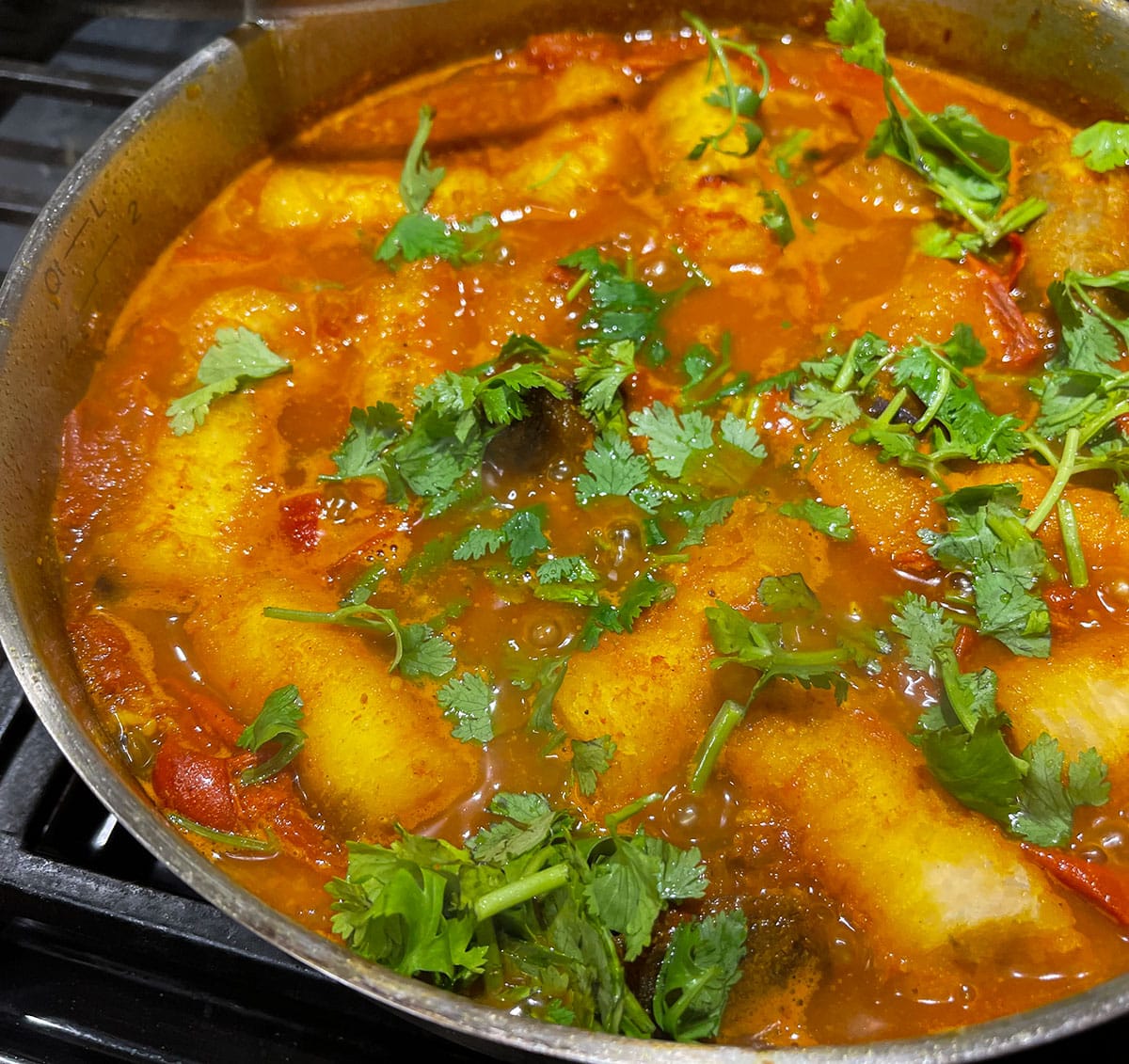
It is also served with beef stew, chicken, beans, or vegetable sauces, creating a complete and satisfying meal. In some cases, matoke is cooked together with meat, allowing it to absorb the flavors of the stew during preparation.
This flexibility makes matoke suitable for both everyday meals and special occasions, adapting easily to different tastes and preferences.
Nutritional Value and Dietary Role
Matoke plays an essential role in the Ugandan diet due to its high nutritional value. It is rich in carbohydrates, providing a steady source of energy for daily activities. It also contains dietary fiber, vitamins, and minerals that contribute to overall health.
Because it is naturally low in fat and easy to digest, matoke is suitable for people of all ages, from children to the elderly. When combined with protein-rich sauces such as beans or meat, it forms a balanced meal that supports a healthy lifestyle.
Regional Variations and Modern Adaptations
While matoke is most popular in central Uganda, it is enjoyed across the country with slight variations in preparation and serving styles. In some regions, it is cooked with added ingredients such as tomatoes, onions, or spices to create a more flavorful dish.
Urban restaurants and hotels have also introduced modern adaptations of matoke, presenting it in creative ways while maintaining its traditional essence. These variations help preserve the dish’s relevance in contemporary Ugandan cuisine while introducing it to international visitors.
Other Popular Ugandan Dishes
Although matoke is considered the national dish, Uganda’s cuisine includes several other popular foods that complement its culinary identity. Posho (maize meal), luwombo (a traditional stew steamed in banana leaves), and the famous street food rolex (rolled eggs and chapati) are widely enjoyed across the country.
These dishes, alongside matoke, reflect the diversity and richness of Uganda’s food culture, influenced by local traditions and regional ingredients.
Why Matoke Defines Ugandan Cuisine
Matoke stands out as Uganda’s national dish because of its widespread consumption, cultural significance, and deep connection to the country’s agricultural heritage. It is grown locally, prepared using traditional methods, and served in nearly every household, making it a true representation of Ugandan life.
Its ability to bring people together—whether in daily meals or special occasions—cements its role as more than just food. It is a symbol of community, tradition, and identity.
Final Thoughts
Matoke is at the heart of Ugandan cuisine, embodying the country’s traditions, values, and way of life. From its preparation in banana leaves to its role in family gatherings, matoke remains a defining element of Uganda’s cultural heritage.
For anyone visiting Uganda, tasting matoke is not just about enjoying a meal—it is about experiencing the essence of the nation itself.