

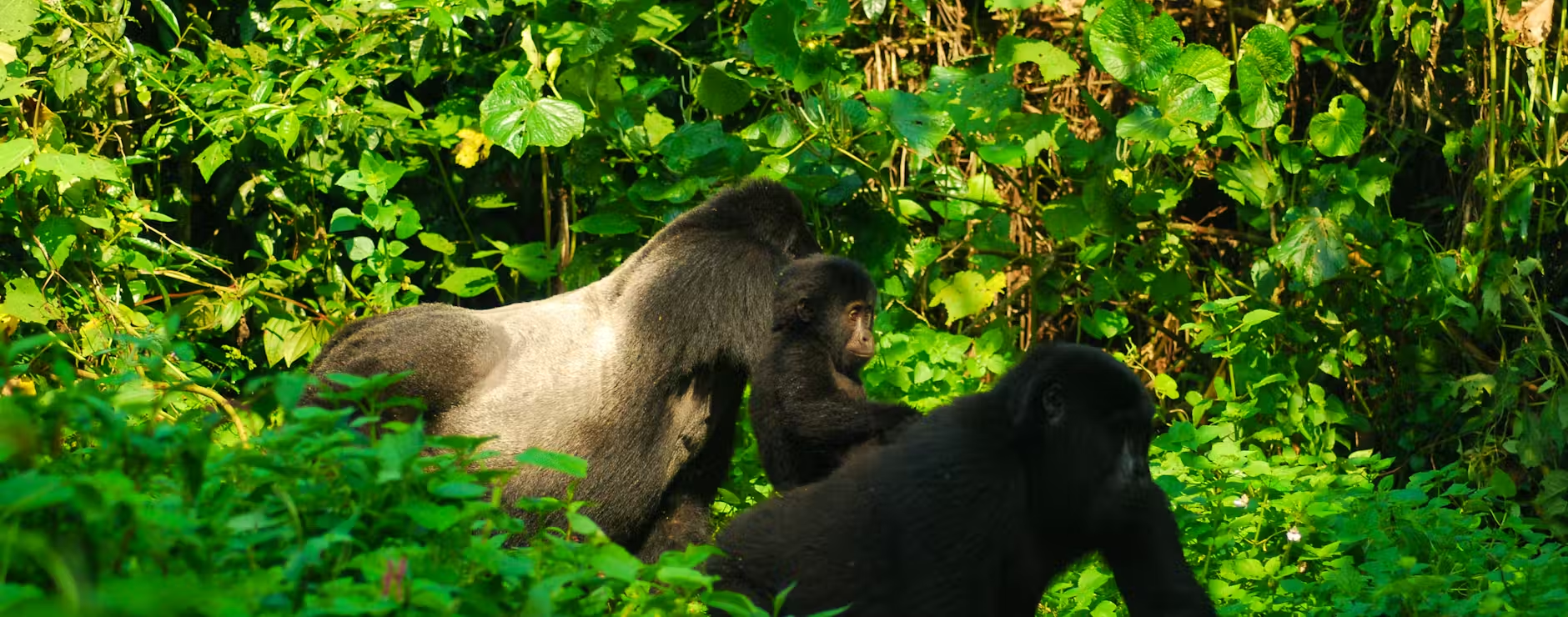
Gorilla Tracking Guidelines 2026
Gorilla tracking in 2026 remains one of the most regulated wildlife experiences in Africa, with strict guidelines enforced across Bwindi Impenetrable National Park, Mgahinga Gorilla National Park, and Volcanoes National Park. These rules are designed to protect the critically endangered mountain gorillas while ensuring visitor safety and maintaining sustainable tourism.
Because gorillas share over 98% of human DNA, they are highly vulnerable to human diseases, making these guidelines essential for conservation and ethical tourism.
Pre-Trekking Requirements
Before entering the forest, all visitors must attend a mandatory briefing conducted by park rangers. This session covers gorilla behavior, trekking safety, and conservation rules.
Only individuals aged 15 years and above are allowed to participate in gorilla trekking. This restriction helps reduce unpredictable behavior and ensures participants can handle the physical demands of the trek.
Health screening is critical. Visitors who are sick, especially with flu, cough, or contagious illnesses, are not allowed to trek. Gorillas are extremely susceptible to human infections, and even minor illnesses can pose serious risks to their survival.
Before starting the trek, visitors are also required to sanitize or wash their hands to minimize the risk of transmitting germs into the forest ecosystem.
Group Size and Permit Regulations
Each habituated gorilla family is visited by a maximum of eight people per day. This limitation reduces stress on the animals and minimizes environmental impact.
A valid gorilla trekking permit is mandatory and must be secured in advance due to high demand. The permit allows a single trek and includes one hour of observation once the gorillas are located.
Distance and Interaction Rules
Maintaining a safe distance from the gorillas is one of the most critical guidelines. Visitors must keep at least 7 meters away at all times to prevent disease transmission and reduce stress on the animals.
Touching gorillas is strictly prohibited, even if they approach you. These are wild animals, and close contact can lead to both health risks and unpredictable reactions.
Visitors are required to remain in tight groups and follow the ranger’s instructions at all times. Wandering away from the group is not allowed for safety reasons.
Behavior While with Gorillas
Once you encounter a gorilla family, strict behavioral rules apply. Visitors must remain calm, quiet, and avoid sudden movements. Speaking should be done in low tones to avoid disturbing the animals.
Direct eye contact with gorillas, especially dominant silverbacks, should be avoided as it may be interpreted as a threat. In the rare event of a gorilla charge, visitors should remain still, crouch slowly, and follow the guide’s instructions.
Eating, drinking, or smoking near gorillas is not permitted, as it increases the risk of disease transmission and may attract unwanted attention from the animals.
Photography Guidelines
Photography is allowed but must follow strict rules. Flash photography is prohibited because it can startle and stress gorillas.
Visitors are encouraged to use natural light and maintain a steady, calm approach when taking photos. Cameras with zoom lenses are recommended to capture close-up shots while maintaining a safe distance.
Duration of the Gorilla Encounter
The time spent with gorillas is strictly limited to one hour. This rule helps minimize human impact and allows gorillas to continue their natural behavior without prolonged disturbance.
In some cases, guides may end the visit earlier if the gorillas show signs of stress or agitation.
Environmental and Hygiene Rules
Visitors must follow strict environmental guidelines to preserve the forest ecosystem. Littering is strictly prohibited, and all waste must be carried out of the park.
If a visitor needs to use the bathroom in the forest, they must inform the guide, who will ensure proper procedures such as digging and covering a hole to maintain hygiene standards.
Safety and Guide Authority
All gorilla treks are led by trained rangers and trackers who ensure both visitor safety and gorilla protection. Participants must follow all instructions given by guides without exception.
Guides are equipped to handle emergencies, manage wildlife encounters, and navigate challenging terrain, ensuring a safe and controlled trekking experience.
Why These Guidelines Matter
Gorilla tracking guidelines are not just rules—they are essential conservation tools. They help:
Protect gorillas from human diseases and stress
Preserve natural behaviors and habitats
Ensure sustainable tourism practices
Provide a safe and ethical wildlife experience
Without these regulations, gorilla tourism could negatively impact the very species it aims to protect.
Final Thoughts
Gorilla tracking in 2026 continues to follow strict, science-based guidelines that prioritize conservation, safety, and responsible tourism. Whether trekking in Bwindi Impenetrable National Park, Mgahinga Gorilla National Park, or Volcanoes National Park, adhering to these rules ensures a respectful and unforgettable wildlife experience.
By following these guidelines, every visitor plays a direct role in protecting one of the world’s most endangered species while enjoying one of Africa’s most extraordinary adventures.