

Kibale National Park Location: Where Uganda’s Primate Capital Lies
Kibale National Park is strategically located in western Uganda, forming part of the ecologically rich Albertine Rift region. This prime positioning places the park within one of Africa’s most biodiverse landscapes, making it a central destination for primate tracking and rainforest exploration. The park lies near the vibrant tourism town of Fort Portal, a gateway known for its cool climate, crater lakes, and scenic views of the Rwenzori Mountains.
Its location makes Kibale not only accessible but also highly convenient for travelers exploring Uganda’s western safari circuit. The park connects seamlessly with other major destinations, allowing visitors to experience both forest and savannah ecosystems within a single itinerary.
Geographic Position and Regional Setting
Kibale National Park stretches across the districts of Kabarole and Kamwenge in western Uganda. It is situated just south of Fort Portal and lies along the eastern escarpment of the Albertine Rift Valley. This region is globally recognized for its high levels of endemism, particularly in primates, birds, and forest vegetation.
The park’s location places it within proximity to the foothills of the Rwenzori Mountains, also known as the Mountains of the Moon. These mountains influence the park’s climate, contributing to consistent rainfall and lush forest growth throughout the year. The surrounding landscape is characterized by rolling hills, tea plantations, crater lakes, and rural communities, all of which enhance the park’s scenic appeal.
Kibale’s altitude ranges between 1,100 and 1,600 meters above sea level, creating a favorable environment for tropical rainforest vegetation. This elevation also contributes to relatively moderate temperatures compared to lower-lying regions in Uganda.
Distance and Accessibility from Major Cities
Kibale National Park is approximately 320 kilometers from Kampala, Uganda’s capital city, making it accessible by road within five to six hours. The journey typically passes through towns such as Mityana, Mubende, and Kyenjojo before reaching Fort Portal.
The drive itself is part of the safari experience, offering views of rural landscapes, roadside markets, and traditional Ugandan life. As travelers approach Fort Portal, the scenery becomes increasingly scenic, with rolling hills, tea estates, and views of the Rwenzori Mountains.
For those seeking faster access, domestic flights are available from Entebbe International Airport to nearby airstrips such as Kasese, followed by a short road transfer to the park. This option is ideal for luxury travelers or those with limited time.
Proximity to Other National Parks
One of Kibale’s greatest advantages is its proximity to other major safari destinations. It lies just a short distance north of Queen Elizabeth National Park, allowing travelers to combine chimpanzee tracking with classic game drives and boat safaris along the Kazinga Channel.
Additionally, Kibale is within reach of Rwenzori Mountains National Park, offering opportunities for hiking, mountaineering, and exploring alpine ecosystems. The park is also connected to the broader western tourism circuit, which includes gorilla trekking destinations such as Bwindi Impenetrable National Park.
This strategic location makes Kibale a central hub for multi-destination safaris, enabling visitors to experience diverse landscapes, wildlife, and cultural attractions within a relatively compact geographic area.
Landscape and Surrounding Features
The location of Kibale National Park contributes significantly to its ecological diversity. The park is dominated by tropical rainforest interspersed with wetlands, grasslands, and riverine habitats. This mosaic of ecosystems supports a wide variety of wildlife, particularly primates.
Surrounding the park are crater lakes formed by ancient volcanic activity, creating dramatic scenery and additional habitats for birds and aquatic species. Tea plantations and farmland border the park, providing a contrast between cultivated land and untouched forest.
The nearby town of Fort Portal serves as the main tourism hub, offering accommodations, restaurants, and cultural experiences. Its location enhances Kibale’s accessibility and provides a comfortable base for visitors exploring the region.
Importance of Location for Wildlife
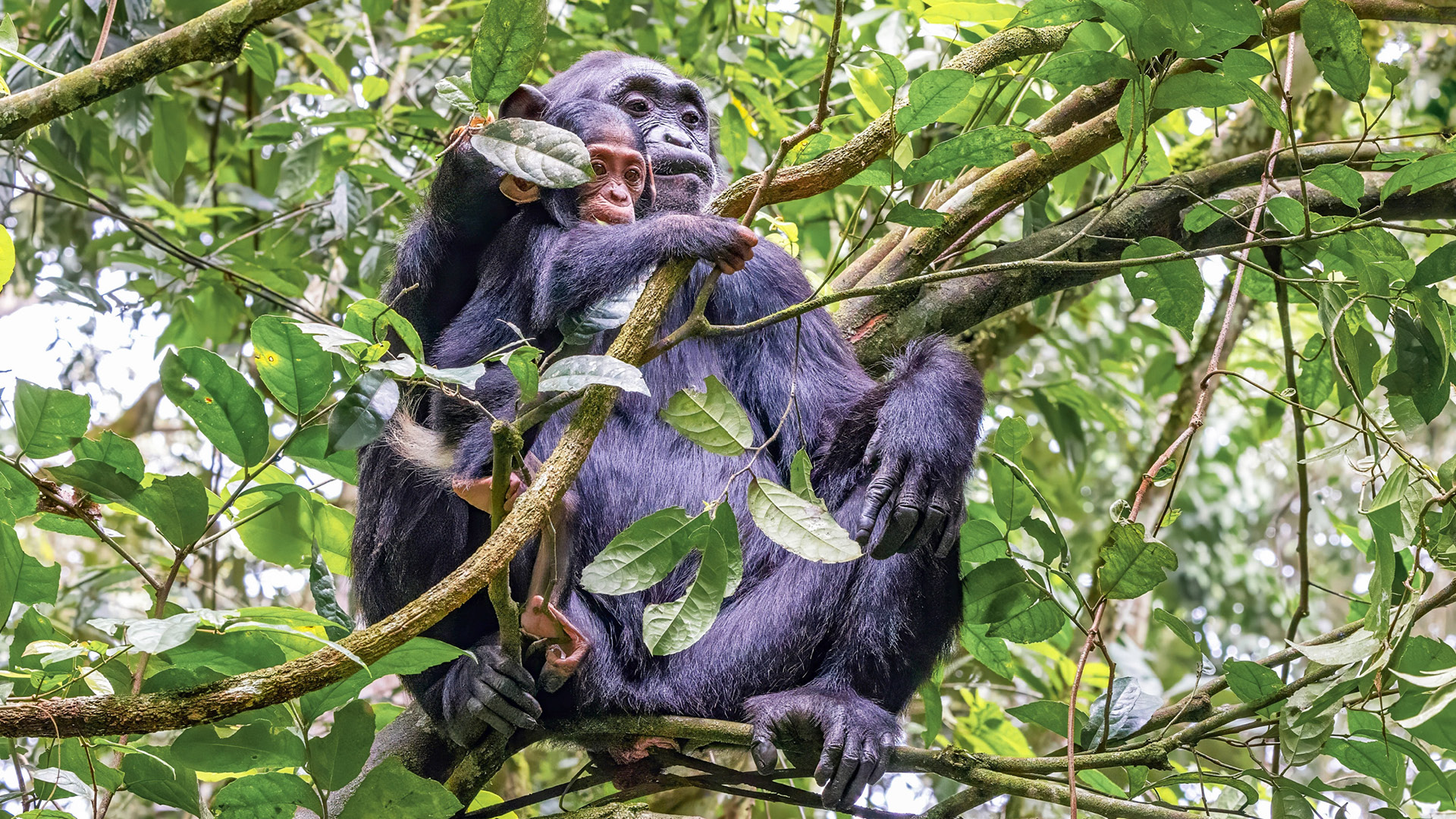
Kibale’s location within the Albertine Rift makes it one of the most important primate habitats in Africa. The park is home to over 13 primate species, including chimpanzees, red colobus monkeys, and L’Hoest’s monkeys. The consistent rainfall and dense vegetation provide ideal conditions for these species to thrive.
The park’s connectivity to other ecosystems allows for wildlife movement and genetic diversity, which are critical for conservation. Wetlands within and around Kibale also support birdlife, making the park a key destination for birdwatchers.
Its location near water sources and fertile land ensures a stable ecosystem, supporting both wildlife and surrounding human communities.
Travel Planning and Logistics
Planning a visit to Kibale National Park requires understanding its location and accessibility. Travelers typically base themselves in or around Fort Portal, which offers a range of accommodations from budget lodges to luxury eco-lodges.
The park’s central location allows for flexible itineraries. Visitors can spend a few days exploring Kibale before continuing to Queen Elizabeth National Park or heading south toward gorilla trekking destinations.
Road conditions to the park are generally good, especially on the main routes, though some sections may be rough during the rainy season. Hiring a 4×4 vehicle is recommended for comfort and reliability.
Why Location Matters for Visitors
The location of Kibale National Park enhances its appeal as a tourism destination. Its accessibility from Kampala, proximity to other parks, and placement within a biodiversity hotspot make it an essential stop on Uganda safaris.
For primate enthusiasts, the park’s location provides unmatched opportunities to observe chimpanzees and other monkey species in their natural habitat. For general travelers, it offers a gateway to Uganda’s western circuit, combining forest exploration with savannah wildlife experiences.
The surrounding scenery, cultural richness, and ecological diversity further elevate the visitor experience, making Kibale more than just a park—it is a complete travel destination.
Final Thoughts
Kibale National Park occupies a prime location in western Uganda, making it one of the most accessible and biologically rich national parks in the country. Its position within the Albertine Rift, near Fort Portal and close to other major parks, ensures that visitors can enjoy a diverse and well-connected safari experience.
Whether you are traveling for chimpanzee tracking, birdwatching, or a broader Ugandan safari, Kibale’s location makes it an ideal starting point or centerpiece for your journey through East Africa’s most captivating landscapes.