

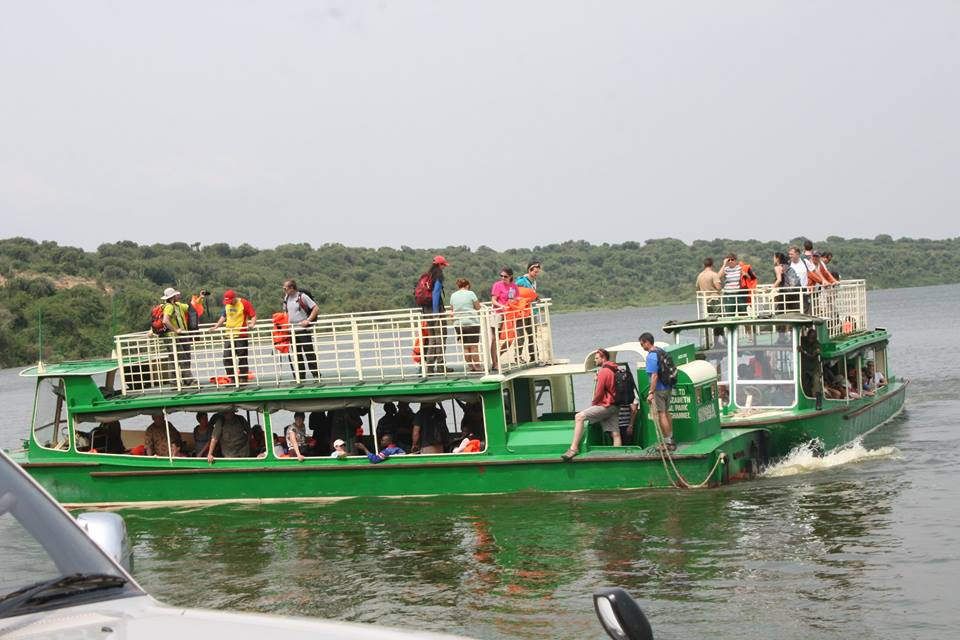
Are There Boat Trips on the Kazinga Channel?
Exploring the Heart of Queen Elizabeth National Park with Great Migration Adventure
Nestled in western Uganda, the Kazinga Channel connects Lake Victoria to Lake Edward and forms one of the world’s most wildlife‑rich waterways. An afternoon boat cruise here reveals vast hippo pods, waterbirds, crocodiles, elephant groups at riverside grasses, and often, charming sightings of otters at play. For travelers seeking serenity and biodiversity aboard gentle water, Kazinga Channel boat trips are a highlight—and at Great Migration Adventure, we design those experience into immersive safari stories.
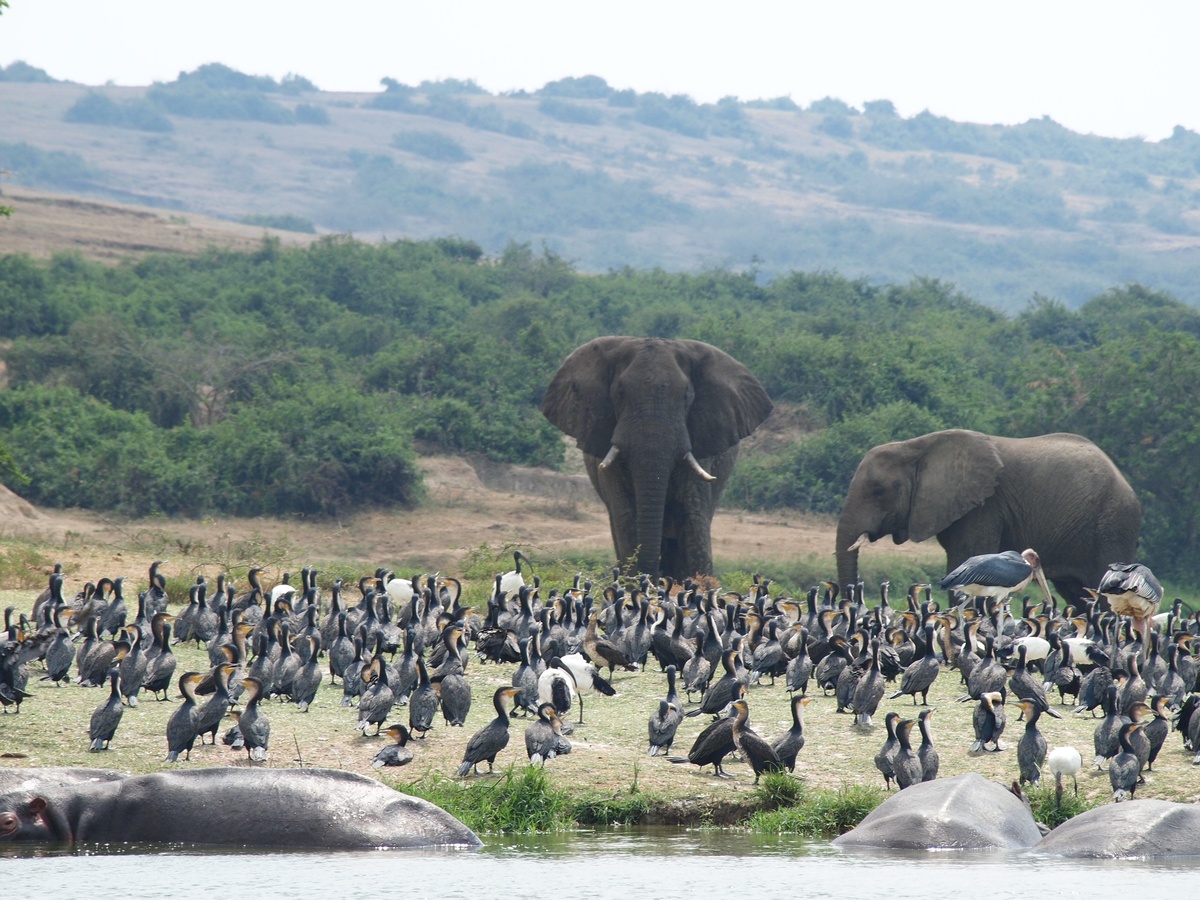
Indeed, boat trips on the Kazinga Channel are not only possible—they’re essential to any visit to Queen Elizabeth National Park. Let us take you on a journey of discovery through these water‑borne adventures.
1. Why Kazinga Channel?
An Aquatic Wildlife Highway
Kazinga Channel is a superb water corridor, teeming with fish, hippos, crocodiles, and so many birds that at times the air seems layered with wings. It’s one of Africa’s top boat safari experiences—viewing wildlife from water where hippos laze, elephants come to drink, and birds converge in colorful flocks.
A Gateway to Diversity
From gentle shores to papyrus stands, from reefs and inlets to open water crossings, this channel brings together species from both lakes in variety and abundance: pelicans, fish eagles, large mammals, uncommon reptiles, and aquatic plants flourish.
A Calm Contrast to Game Drives
After exhilarating drives, cruising the channel at sunrise or sunset offers peace, perspective, and narrative depth. It’s photography heaven and wildlife theatre with minimal disturbance.
2. What Wildlife You’ll Typically See
Hippos and Nile Crocodiles
King and queen of the shoreline drama: huge hippo pods with calves, submerging nostrils, yawning mouths. Crocodiles line banks and bask on logs, emerging silently into the shallows. These are highlights that make each boat ride unforgettable.
Elephants, Buffalo & Antelope
Herds often appear on looming banks, gently grazing while stirring water on slender tusks. Seen through binoculars or camera zooms, their contented riverside presence contrasts with the frenetic plains.
Birds of Spectacle
Expect fish eagles, grey-headed kingfishers, African jacana, African spoonbill, pelicans, ibises, and perhaps lesser flamingos or migrant waterbirds—depending on season. It’s an ornithologist’s dream.
Otters & Small Aquatic Mammals
With attentive guides, you might spot spotted-necked otters diving, resurfacing, or scurrying along reeds. Clawless otters are more elusive, but evening cruises increase chances.
Reptiles & Flora
Turtles bask, monitor lizards lounge, and banana reeds float. Rafts of water hyacinth, papyrus marshes, and aquatic lilies offer habitat richness and color contrast.
3. How Boat Trips Operate
Departure Points & Timing
Boats depart from docks close to Mweya, Lake Edward shores, and Lake George entry points. Cruises commonly run in early morning, late afternoon, or early evening to match wildlife activity and atmospheric light.
Boat Types & Comfort
Depending on lodge or provider, you may ride in small open-sided motorboats seating 6–12, or larger covered pontoons. Many include shade canopies, padded seating, refreshments, and onboard commentary by a naturalist guide.
Duration & Indications
Trips typically last 2–3 hours, but can extend to half-day for full-circle exploration. Some itineraries combine with bush walks, picnic stops, or combined game drive options.
Private or Shared Options
Grand Migration Adventure offers tailored options: private sunset cruises, lodge-based departures, or joined small-group tours depending on your preferences.
4. What Makes a Great Boat Trip Experience
1. Timing Is Everything
Morning cruises catch bathing hippos and active birdlife under soft light. Evening cruises offer fiery skies reflecting over water, hippos trooping toward deeper water, and cooler air for comfort.
2. Knowledgeable Guides Add Value
As your boat glides, guides point out birds, track water‑mammal trails, explain aquatic ecology, and share local Maasai or Ugandan lore tied to water spirits, lake ecology, and indigenous fishing culture.
3. Wildlife Behavior Unfolds Naturally
With calm engines and limited disturbance, animals behave more naturally. Hippos lounge, crocodiles slide into water, and birds take advantage of fish schools—displaying patterns often missed from vehicles.
4. Photography and Quiet Observation
With stable waterframes and close proximity, you can frame stunning captures—hippo yawn fillings, pelican silhouettes, flamingo reflections—with little distraction.
5. Sample 5‑Day Safari Itinerary Featuring Kazinga Channel
Day 1 | Arrival & Sunset Cruise
Arrive in Entebbe or Kampala, transfer to Queen Elizabeth NP. Evening embarkation on the channel as golden sun sets across calm water.
Day 2 | Morning Cruise & Forest Walk
Board early for wildlife-rich water safari. Afternoon optional guided rainforest walk in Maramagambo for primate sightings, leopard caves, and bat-laden trees.
Day 3 | Full-Day Combined Safari
Morning game drive exploring Ishasha sector (tree-climbing lions), midday return to waterways for aquatic lunch and cruise, wildlife on water margins.
Day 4 | Birding & Otter Focus
Dedicated early water outing with photography emphasis. Afternoon walks near riverbanks, followed by evening recapitulation of waterbirds and otter behavior.
Day 5 | Final Sunrise Launch & Departure
Last boat ride at dawn for lingering hippo pods, crocs rippling, and reflections framed by a fresh day. Return to lodge and depart for onward safari.
Optional extensions include boat rides on Lake George or Edward shores, fishing camp visits, crater walkouts, or bicycle rides along lakeside trails.
6. Best Time to Take Boat Trips on the Channel
Dry Season (June–October, December–March)
Clear waters, open banks, visible wildlife, easier boat access, and weather stability make this the ideal period.
Wet Season (April–May, November)
Boats still run, but heavy rains may cause higher water levels, thicker floating weeds, or limited shore visibility. Bird diversity remains high and hippo behavior continues along bank.
Seasonally, early morning and evening always yield better interaction opportunities even when rains arrive.
7. Safety, Conduct & Comfort Tips
Board with Moderate Clothing
Though sunny, waterside winds may feel cool—layer lightly. A rain shell or windbreaker helps if skies shift.
Respect Wildlife Zones
Keep noise low, lights off at night, and do not attempt to feed or provoke wildlife. Photographs may use zoom rather than engine speed.
Sun and Insect Preparedness
Wear sunhat, sunglasses, SPF 30+ sunscreen. Expect mosquitoes when iced beverages chill and share routes with hippo splashes—pack repellent and talk to guides about bite safety.
Footwear & Mobility
Stable sandals or walking shoes help if boats land for shoreline walks. Avoid flip-flops as docks may be slippery.
Photography precautions
Use shutter priority for wildlife; know macro vs. zoom lens perspectives; don’t press too close to animals underwater—boats must maintain respectful distance.
8. Complementing Boat Safaris with Other Activities
Bushwalk Integration
Combine morning walk near lake shores or papyrus edge before or after boat cruise for tracking small creatures, amphibians, or water bird roosts.
Nighttime Wildlife Drives
Masai-themed evening drive along riverbank lights show hippo activity, northern white rhino grazing paths (in extended zones), or warthog approaches near water.
Cultural Visits
Visit fish market on Mweya peninsula, engage with fishing communities, learn how fish catch, papyrus basket weaving, and traditional beliefs tied to water life.
Birding Hotspots
Walk to Mweya Peninsula hides or launch from Lakeshore Ecolodge decks for birding vantage and combine with boat transit for seamless bird photographic opportunities.
9. Conservation & Community Impact
Boat trips on the channel support:
-
Income to local fishermen and crew employment
-
Tariff contributions toward park anti-poaching, ranger safety, and water habitat protection
-
Low-impact wildlife tourism versus heavy vehicle use
-
Education messaging about water conservation, invasive species, wetland balance, fish stock management, and cultural waterways heritage
Great Migration Adventure only partners with operators who adhere to ecotourism codes, avoid feeding wildlife, and support wetland research programs.
10. FAQs
Are boat trips the only way to see hippos?
No—game drives by the riverbank also work, but boats offer binocular-eye access to pods, calf behavior, and water-mammal nuances.
Is boating safe with hippos and crocodiles nearby?
Yes—controlled boats follow fixed routes and maintain safe distances. Guides understand hippo agitation signals and steer clear of aggression zones.
Are boats affected in the rainy season?
High water may limit shoreline interest but still allows wildlife viewing from central channel. Light reeds or debris might slow speed but rarely cancel trips.
Can children and older visitors join?
Yes—boats are stable and shallow draft. Children under five may sit with parents; mobility seating is moderate, walking on/off safely possible with assistance.
11. Why Book with Great Migration Adventure
At Great Migration Adventure, we pride ourselves on crafting immersive experiences that meld land, lake, wildlife, and people:
-
We personalize boat safari times to your interests and energy levels
-
Our naturalist guides explain wildlife signs, papyrus ecology, and fish behavior ecosystems
-
Small groups ensure photo-friendly access and minimal environmental impact
-
We combine boat safaris with walking, birding, night drives, and cultural highlights
-
We handle logistics—boat permits, dock pickup, safety insurance, photography kits, and contingency planning
12. Final Reflections: Serenity, Wildlife & Water
Boat trips on Kazinga Channel are not just excursions—they are intimate windows into nature’s interplay of water and life. From yawning hippos to diving birds and rippled water ecosystems, these cruises offer reflective beauty, life rhythms, and pace.
Yes—you can take boat trips on Kazinga Channel. And you should—especially with Great Migration Adventure guiding every ripple, story, sighting, and reflection.