

Can I See Pelicans in Lake Manyara?
A Waterbird Spectacle at the Heart of Tanzania
Lake Manyara National Park, nestled beneath the Rift Valley wall in northern Tanzania, is more than a safari stop—it’s a waterbird wonderland. Beyond its famed tree‑climbing lions and hippo pool, the park hosts an astonishing diversity of waterbirds—and yes, that includes pelicans. For keen wildlife enthusiasts, pelicans add soaring elegance and ecological wonder to the Manyara experience.
At Great Migration Adventure, we curate safari moments that go beyond big game—to reveal the quieter, atmospheric magic along Tanzanian waterways. Pelicans in Lake Manyara are not just a possibility—they’re a highlight.
1. Pelicans in Lake Manyara: The Essentials
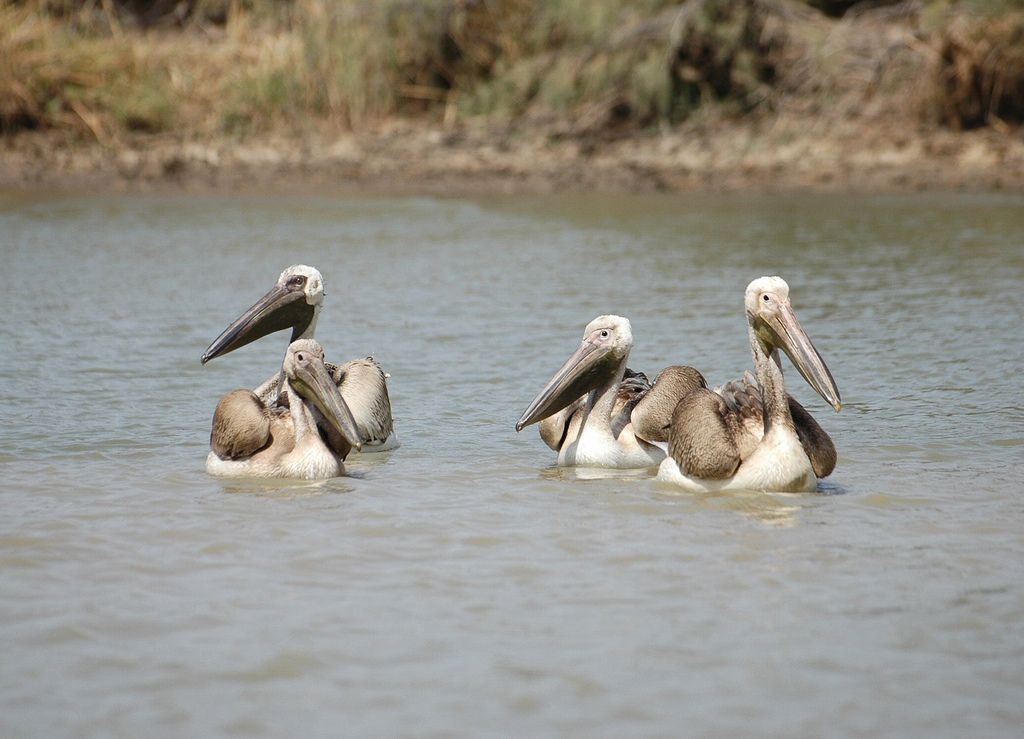
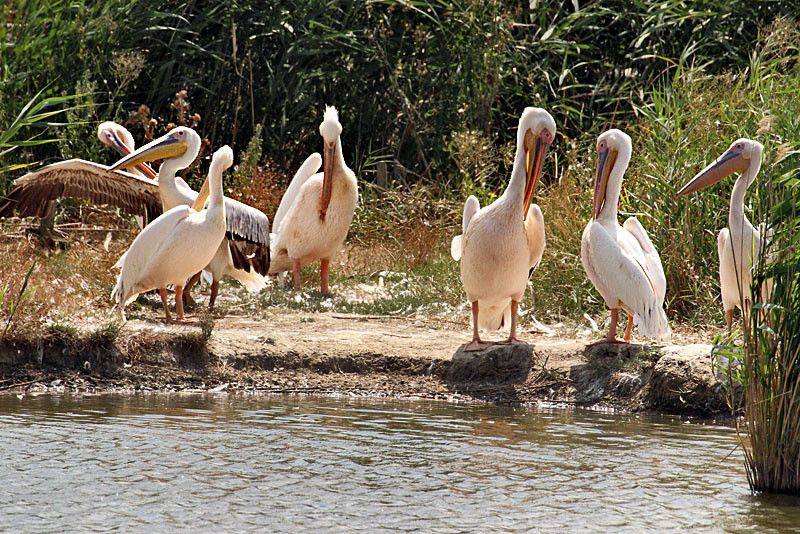
Yes, you absolutely can see pelicans in Lake Manyara National Park. The alkaline lake, groundwater forests, riverine fringes, and marsh areas support both pink‑backed pelicans and great white pelicans in significant numbers, especially during wetter months when fish concentrations attract them in force.
2. Pelican Species Present
Pink‑Backed Pelican (Pelecanus rufescens)
Commonly seen perching in trees or wading in swampy shallows, these elegant grey‑white pelicans form family groups and breed in the groundwater forest at the park’s northern lakeside.
Great White Pelican (Pelecanus onocrotalus)
Larger and more striking in white plumage, these birds arrive in impressive flocks—sometimes numbering in the tens of thousands—feeding together in shallow waters and riding thermals above the lake surface.
3. Why Lake Manyara Is Ideal for Pelicans
Abundant Fish & Shallow Alkaline Water
The lake’s alkaline chemistry supports algae and small fish, attracting huge numbers of fish‑eating birds. Pelicans feed in cooperative groups, driving fish toward shallow edges.
Varied Water Habitat
From papyrus fringes to shallow lagoons, river deltas, and the hippo pool, Manyara’s wetlands offer diverse zones where pelicans rest, fish, and nest in trees.
Protected Wetland Networks
The park safeguards groundwater forest, swamps fed by rivers like the Simba, and grassy floodplains—creating stable pelican habitat even across fluctuating water levels.
4. What Makes Pelican Sightings Special
-
Timeless spectacle: Flocks of white pelicans rising in V‑shaped flocks; pink‑backed casually hovering near trees.
-
Behavior sessions: Watch their coordinated dips, head-dives, pouch-feeding, and mutual flight formation.
-
Photography opportunity: Flamingo-pink skies reflecting off water as pelicans bank overhead at golden hour.
Pelicans add rhythm and visual poetry to Manyara’s water scenery.
5. Timing Your Visit for the Best Views
Peak Pelican Season
The wet season (November–April) colors the lake pink and white, with mass gatherings of pelicans. Counts from the 1990s observed up to 200,000 great white pelicans and thousands of pink‑backed pelicans in Chinese-lake‑like concentrations.
Dry Season Considerations
During dryer months (June–October), pelican numbers shrink but remain reliably present near the hippo pool and groundwater forest fringe. Smaller flocks still offer close-up views and quieter observation.
Daily Best Viewing Times
Early morning and late afternoon are ideal—light is soft, fishing activity high, and pelican flights often synchronize with wind thermals rising near the escarpment wall.
6. What Birding in Manyara Offers Beyond Pelicans
The park supports over 400 bird species, making it one of Tanzania’s premier birding destinations. During wet-season migration, flamingos dominate the lake shores—alongside pelicans, storks, ibis, cormorants, herons, and more. Raptors like palm-nut vultures, hawk‑eagles, and fish eagles patrol the skies above.
7. How Manyara’s Landscape Shapes Pelican Presence
Groundwater Forest & Hippo Pool Area
Large breeding colonies of pink‑backed pelicans nest in tall trees that fringe the northern lake. These calm forest pools support colony behavior and daily fishing excursions.
Lagoons & Sandbanks
Seasonal lagoons, shallow flats, and sandbars create feeding zones. Fish schools gather here, and pelicans rise and dive in unison.
Thermal Ridges & Rift Escarpment
The Rift Valley escarpment helps generate rising thermals used by pelicans to glide across the lake. This aerial ballet is most stunning near cliff edges at dawn and dusk.
8. Experience Lake Manyara with Pelicans Through Great Migration Adventure
Guided Birding Safaris
Our knowledgeable guides know where pelicans concentrate and when they feed. We include focused early and late bird excursions to maximize sightings and photography.
Boat & Canoe Bird Missions
Where water levels allow, canoe trips along shallow lake edges or hippo pools bring you closer to pelican feeding zones.
Interpretive Wildlife Talks
We explain pelican ecology, hunting strategies, nesting behavior, and ecosystem role alongside other iconic water birds like flamingos, storks, and starlings.
Seasonal Itineraries
Tailored visits in peak pelican months align with migratory influxes; lighter seasons emphasize quieter ponds and intimate forest colonies.
9. Sample 5‑Day “Waterbird & Pelican Spectacle” Itinerary
Day 1 – Arrive & Hippo Pool Sunset
Transfer to Manyara. Evening drive to the hippo pool and lakeshore as white pelicans soar in thermal light.
Day-2 – Morning Bird Walk & Lagoon Cruise
Guided bird walk along the lakeshore; midday canoe trip or lakeside cruise focusing on pelican flocks and flamingos.
Day 3 – Forest Canopy Pelican Nesting Walk
Visit groundwater forest north of the lake for pink-backed pelican nests alongside other forest birds.
Day-4 – Full-Day Birding Safari & Pelican Photography
Drive the park seeking pelican gatherings, stork colonies, and shore bird feeding zones near inflows.
Day 5 – Sunrise Flight Watch & Departure
Final early morning drive; watch pelicans ride morning thermals off the escarpment, then transfer onward.
10. Tips for Seeing & Photographing Pelicans
-
Use telephoto lenses (300mm+) to frame diving or nesting scenes—maintain distance for minimal disturbance.
-
Binoculars and spotting scopes help locate pelican flocks on distant flats.
-
Dawn and dusk provide dramatic silhouette opportunities.
-
Approach shallow edges quietly during feeding to avoid scattering flocks.
11. Conservation & Ecological Significance
Lake Manyara’s pelican colonies thrive due to protected wetlands, seasonal water flow, and limited disturbance. However:
-
Water extraction upstream and lake shrinking threaten fish stocks.
-
Roadside agriculture and deforestation risk nutrient runoff and habitat loss.
-
Dive-depth bird guides and ethical travel help minimize impact.
Great Migration Adventure supports responsible tourism, working with local conservation groups to support wetland preservation and biodiversity education.
12. Frequently Asked Questions
Are pelican sightings guaranteed?
Not guaranteed—but highly likely, especially in wet season. In dry season smaller numbers remain near hippo pool and forest pool areas.
Which species is more common?
Pink‑backed pelicans are resident breeders, while flocks of great white pelicans are seasonal visitors drawn by food abundance.
Can families enjoy pelican safaris?
Yes—flat boat or vehicle options are excellent for families and children, with safe wildlife viewing distances and educational commentary.
Does seeing pelicans mean fewer flamingos?
Not necessarily. During wet months flamingos and pelicans coexist—flamingos feed on algae while pelicans target small fish, so both add to the spectacle.
13. Why Choose Great Migration Adventure
At Great Migration Adventure:
-
We specialize in wildlife‑rich waterbird safaris.
-
Our guides know the best times and zones for pelican action.
-
We balance birding with broader park experiences—game drives, forest walks, cultural exchange.
-
We promote sustainable wildlife viewing—no feeding, no disturbance, support for local habitat programs.
Our itineraries are personalized, flexible, and photography-friendly—because we know pelican behavior is sensitive to timing and location.
14. Final Thoughts: Pelicans on Blue Alkaline Canvas
Lake Manyara’s pelican scenes are not just birdwatching—they are nature’s choreography set to the lake’s deep blue canvas. Whether it’s a lone great white pelican skimming the water or a mass ascent of pink‑backed pelicans at bedtime, these moments connect viewers to wetlands in motion.