

Can I Visit Chyulu Hills National Park?
Discover Kenya’s Volcanic Wilderness with Great Migration Adventure
If Africa’s wildlife is about the big five, Chyulu Hills is about something subtler—but no less powerful: a volcanic landscape turned emerald sanctuary, rich with rolling hills, lava tubes, wildlife corridors, and Maasai culture. For adventurous travelers seeking off-the-beaten-track beauty, Chyulu is a pure invitation.
Yes—you can visit Chyulu Hills National Park. And with Great Migration Adventure, you should.
1. Why Chyulu Hills Captures Hearts
Untouched Volcanic Greenery
Stretching some 100 km, the Chyulu Hills are a young volcanic field still active today, crowned with more than 20 volcanoes. Their black lava soils give rise to lush grassland and montane forest, creating one of Kenya’s most scenic but least-visited wilderness areas.
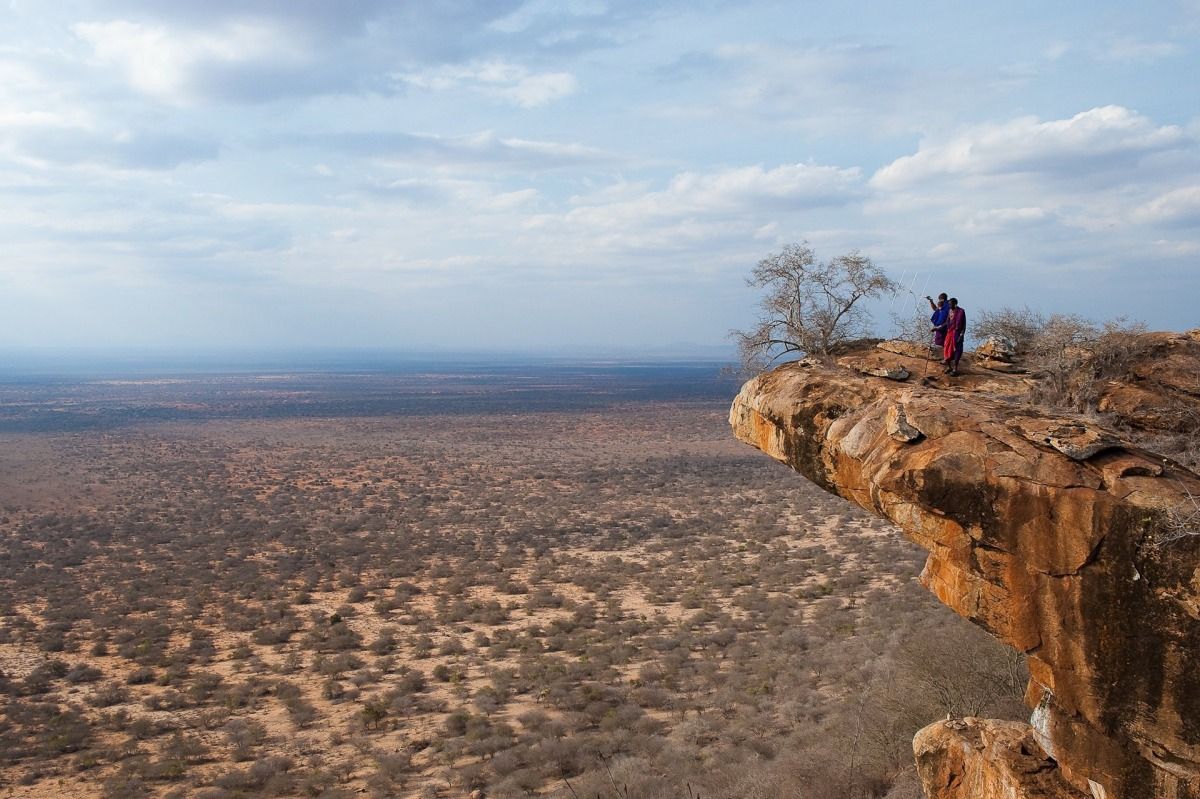
Dramatic Vistas
At dawn or sunset, views to distant Kilimanjaro and the rolling green ridges feel cinematic. These vistas inspired Ernest Hemingway’s Green Hills of Africa, and even decades later, the vistas remain poetic and serene.
Isolation & Exclusivity
With fewer than a handful of lodges and minimal tourist traffic, Chyulu delivers solitude. Think wide silence, unspoilt skies, and game encounters without the crowds.
2. Wildlife Beyond Expectations
Though not a “big game hotspot,” Chyulu hosts a surprising array of wildlife—especially in the western, Maasai community-managed conservancies.
Wildlife may include:
-
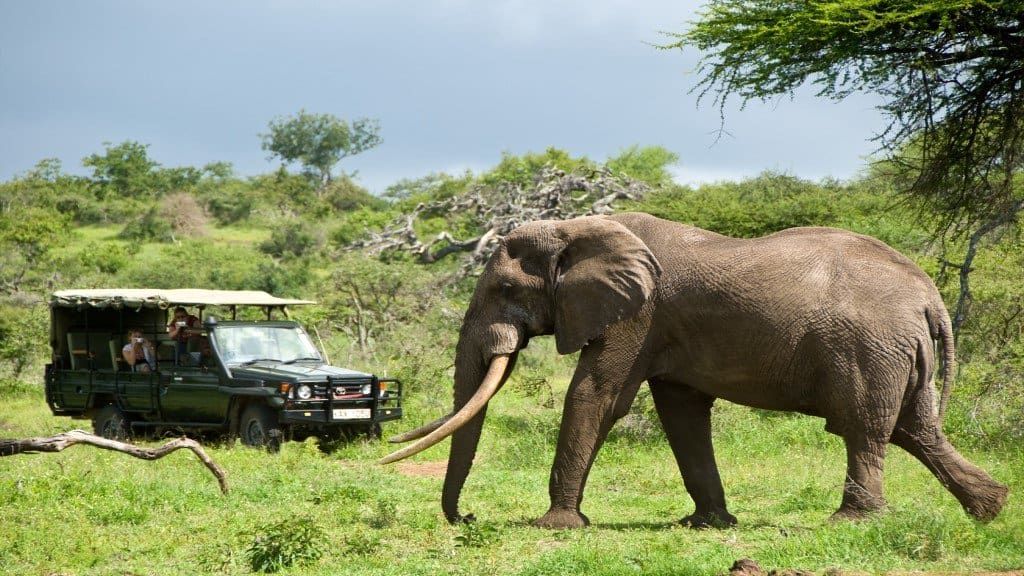
Elephants, buffalo, giraffe, zebra, eland, reedbuck, bushbuck, even black rhino, especially in conservancy zones
-
Predators such as leopards, cheetahs, and lion glimpsed at distance
-
Giant forest hogs, mountain reedbuck, steinbok, bush pig, and various small antelope
-
A bright display of avian life, with over 300 bird species—Hartlaub’s turaco, rheuble francolin, white-eared barbet, martial eagle, Abbott’s starling and more grace forests and grassland
Expect game drives pacing slowly through woodlands and plains, spots near Mzima water springs, and occasional wildlife passing across ridgelines under wide Kenyan skies.
3. Terrain, Climate & Access
A Volcanic Tapestry
The park rises from gently rolling bushland into thick evergreen forest at altitudes of 1,500 to 2,100 m. Lava flows, ash cones, and underground caves carve the terrain—most famously the 11.5 km Leviathan Cave system.
Rainfall & Road Conditions
With two rainy seasons (March–May long rains and November short rains), dry months (June–October and December–February) offer the best access and visibility. However, gravel roads remain rough year-round, and a sturdy 4×4 is essential.
How to Get There
-
By road: 230–250 km from Nairobi via Mombasa Road to Kithasyo Gate, entering through Kibwezi turnoffs
-
By air: Chartered flights from Nairobi’s Wilson Airport land at Ol Donyo or Mukururo airstrips; from there it’s a short drive into the hills
Traveling with us ensures seamless transfers—from airstrip arrival to lodge or campsite entry, with all transfers handled efficiently.
4. Experiences That Define Chyulu
Game Drives & Nature Walks
Guided drives traverse grassland, ridges, and forest fringes—sampling fresh air views, wildlife sightings, and wildflowers. Walking safaris offer close-up experiences among orchids, acacia chains, and panoramic hilltops.
Cave Exploration
The Leviathan (Kisula) Cave—one of Africa’s longest lava tubes—offers thrilling guided exploration. Navigate narrow passages, spot unique rock formations, and learn about the region’s fiery geological story. Safety is key; expert guides and reliable equipment are essential.
Horseback Safaris
Ride across plains beneath sweeping ridges and through woodland corridors—a quiet, intimate way to meet zebra, giraffe, buffalo, and antelope. Riding gives access to areas inaccessible by vehicle and delivers unrivalled photo perspectives.
Birding & Botany
With endemic forest species and migratory populations, birding in Chyulu is exceptional. Guides help spot sunbirds, turacos, eagles, and starlings. Avid hikers may also discover orchids, medicinal plants, and unusual insect life, including endemic butterflies.
Cultural Engagement
The Maasai and Kamba communities on the park’s fringes share stories of ritual caves, ancestral rituals, and ecological stewardship. Cultural visits may include visits to bomas, traditional dances, spear throwing, beading crafts, and cattle milking demonstrations.
Camping & Stargazing
Within the park are public campsites at Kiboko, Kithasyo, and Satellite—with basic but sufficient facilities. For extended wilderness experience, we offer mobile fly camps beneath crater rims and ridge-top stargazing—luxury under African skies.
5. Sample 5‑Day “Chyulu Explorer” Itinerary
Day 1 – Arrival & Intro Walk
Transfer from Nairobi or Tsavo West to the park. Afternoon nature walk near ridge roads with wildlife observation and sweeping views.
Day 2 – Game Drive & Leviathan Cave
Morning drive across hills and forest patches for elephant or buffalo sightings. Afternoon guided cave exploration with expert guide—ranging through lava tunnels and hidden chambers.
Day 3 – Horseback Safari & Cultural Visit
Early horseback ride into ridgelines and plains, looking out for zebra, giraffe, and birds. Later cultural visit to Maasai homestead for storytelling, crafts, and cuisine.
Day 4 – Birding Walks & Sunset Ridge Picnic
Birdwatching walk in montane forest before heading to higher ridges for sunset panorama including Kilimanjaro in the distance. Night under stars in mobile camp or remote campsite.
Day 5 – Final Morning Hike & Departure
Short guided hike across trails full of orchid glades, fresh vistas, and early wildlife movement. Then farewell and return to Nairobi, Tsavo, or onward safari destinations.
6. Best Time to Visit & Visitor Tips
-
Dry seasons (June–October & Dec–February) are best for hiking, drives, birding, riding, and cave tours
-
Wet seasons (Nov & Apr–May) heighten bird activity and cause blooming hills—but roads may be muddy and cave flooding may restrict underground access
-
Essential gear: 4×4 vehicle, sturdy footwear, layered clothing, rain jacket, sun protection, torch/flashlight for cave, binoculars, water, and snacks
-
Permits & Fees: Park entry plus guide fees are required; cave tours may need separate permits; camping zones may require booking
-
Guide Requirement: Caves and walking safaris require licensed guides; horseback rides require trained equine and wildlife guides
7. Conservation & Community Impact
Chyulu is unique in merging Kenya Wildlife Service stewardship with Maasai-owned conservancies that protect rhinos, elephants, and wild landscapes. Tourism dollars support:
-
Ongoing ranger patrols and habitat protection
-
Rhino recovery projects in western conservancy areas
-
Water catchment preservation feeding springs for Tsavo and coastal populations
-
Community programs that invest in Maasai livelihoods and cultural preservation
When you travel with Great Migration Adventure, you support low-impact, culturally respectful tourism that uplifts both people and place.
8. Frequently Asked Questions
What wildlife can I realistically expect?
Expect elephants, buffalo, giraffe, zebra, eland, bushbuck, reedbuck, and occasional predators—though sightings depend on season and area visited.
Is hiking safe in the park?
Yes, when accompanied by KWS guides. Terrain is varied and remote; guides manage safety and navigation.
Are there accommodation options inside the park?
No lodges inside. Campsites are available in-park, and nearby lodges like Ol Donyo Lodge and Campi ya Kanzi provide luxury just outside park borders.
Can I explore the caves?
Yes, but only with guides and proper gear. Leviathan Cave is the most popular and accessible; high water–season visits are restricted.
9. Why Choose Great Migration Adventure
-
Handcrafted itineraries merging caves, culture, riding, birding, and adventure
-
Expert local guides trained in geology, wildlife, and Maasai knowledge
-
Ethical and low-impact travel aligned with conservation partners
-
Small group and private safari options for meaningful experience
-
Seamless logistics including 4×4 transport, overnight camps, cave permits
10. Final Thoughts: A Wild, Quiet Majesty
Chyulu Hills National Park is a place of soft silence, soaring vistas, burning beauty, and rare encounters. It’s safari without the crowds, exploration without the noise, and stillness without emptiness.
Let’s explore Chyulu together—ride, hike, cave, camp, and remember what wild still feels like.