

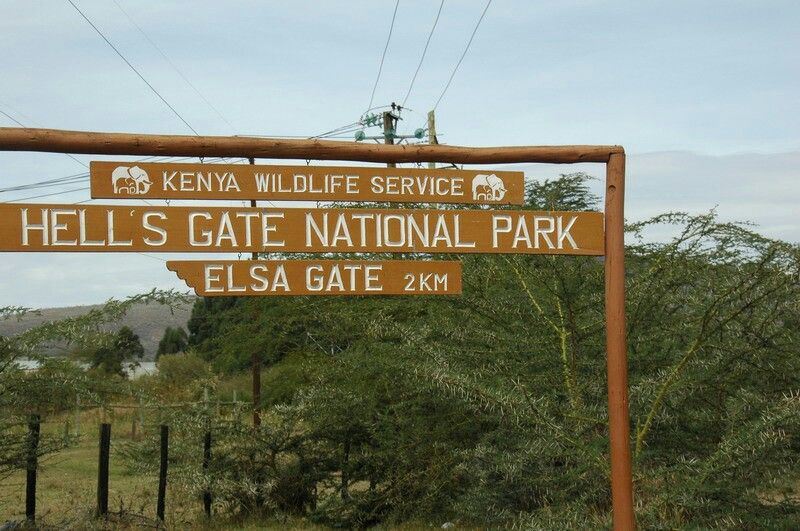
Are There Guided Runs in Hell’s Gate?
Trail Running Through Kenya’s Rift Valley with Great Migration Adventure
Perched within the dramatic Rift Valley landscape of Hell’s Gate National Park, guided running adventures blend geology, wildlife, and fitness—creating experiences that go far beyond ordinary trail routes. At Great Migration Adventure, we champion active safaris, and we believe Hell’s Gate offers one of East Africa’s most scenic and runnable national parks.
Below is an immersive deep dive into the world of guided runs in Hell’s Gate: who runs there, how they’re guided, safety insights, sample itineraries, conservation context, and why this Rift Valley gem is ideal for passionate runners.
1. Why Run in Hell’s Gate?
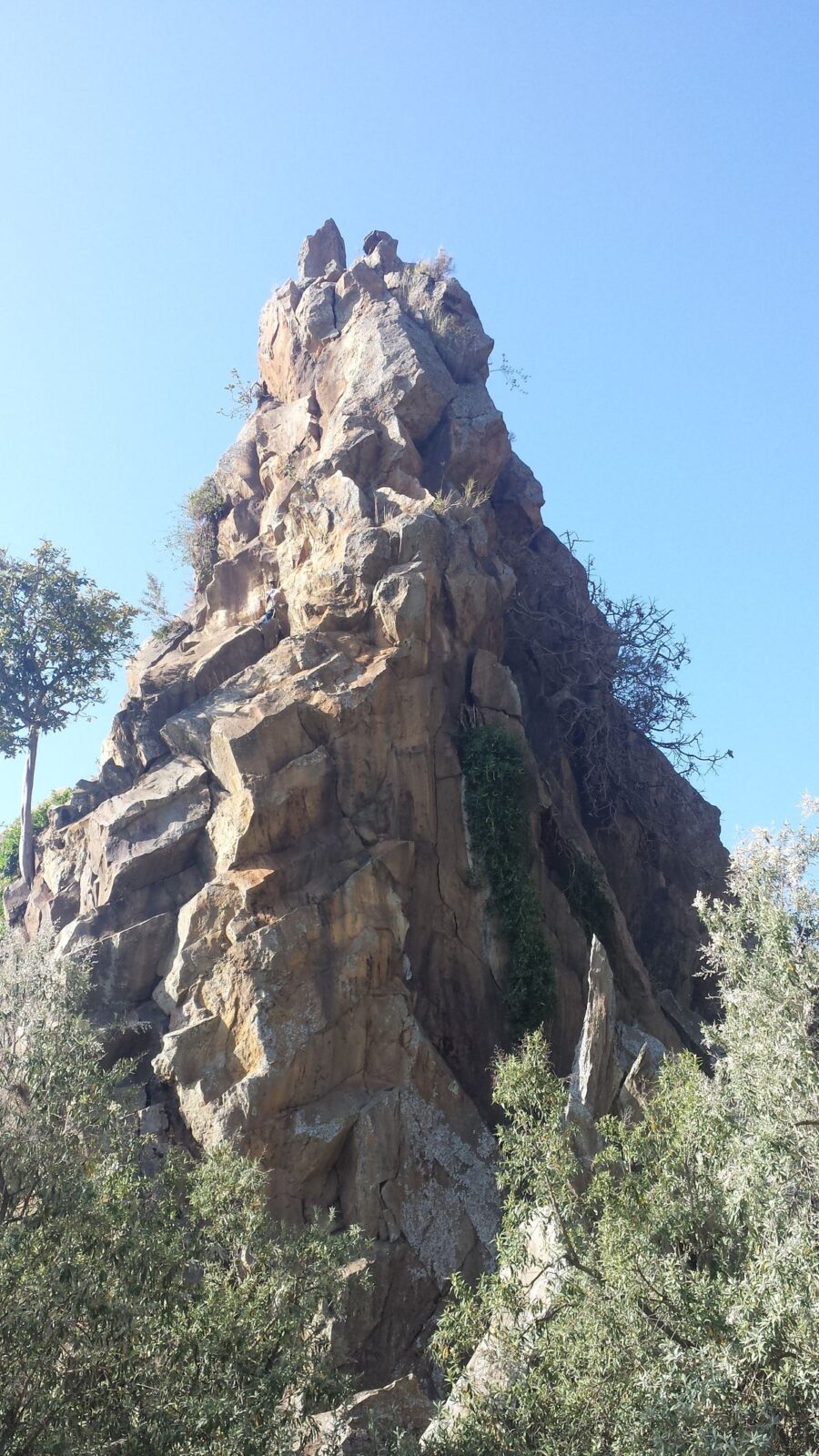
Hell’s Gate stands out for its rugged, scenic terrain—from towering gorge trails and volcanic plugs to vast grasslands shared with zebra and giraffe. Unlike dense bush reserves, the park is one of the few in Africa where visitors can freely explore on foot and by bike among wildlife. It’s a perfect blend of open-running terrain and dramatic natural beauty, all within easy reach of Nairobi.
2. Guided Running Options in the Park
A. The Hell’s Gate Wild Challenge
This annual event is organized by Kenya Wildlife Service, featuring distances from 5 km up to a full marathon. Held in March or October, the challenge draws runners of all levels and supports conservation initiatives. It includes wildlife guides, hydration stations, and first-aid support for a uniquely ecological race experience.
B. Custom Guided Trail Runs
Offered year-round, these experiences are guided by expert local runners or KWS rangers, blending distance goals with wildlife watching and geological interpretation. Popular routes include loops via Elsamere Gate to Fischer’s Tower, circuits around Central Tower, and the Ol Njorowa Gorge corridor. Options range from casual 5 km fun runs to robust 20 km trail routes—tailored to fitness and desire.
C. Run-and-Bike Combo Tours
Flexible itineraries mixing short runs with guided cycling segments add a dynamic layer: run through gorges, bike across plains lined by giraffes, and pause for scenic viewpoints. These hybrid tours suit runners looking for variety and deeper exploration.
3. The Terrain, Wildlife & Safety Landscape
Hell’s Gate features an accessible mix of trail surfaces: dusty gravel, rocky ridges, and sunlit plains interspersed with erosion gullies. Elevation changes are modest (a few hundred meters), leading runners through volcanic formations like Fischer’s Tower, steam-vapor fields, and obsidian rock structures.
Wildlife encounters are one of the park’s joys—expect to see zebras, buffalo, elands, klipspringers, baboons, and hyraxes. There are no lions or elephants in Hell’s Gate, though occasional leopards may approach at dusk—something we avoid by scheduling runs during normal daylight hours. All guided runs include mandatory ranger or guide accompaniment, especially through gorge trails, to manage flash flood risks during the rainy seasons.
Ideal running seasons are during the dry months of January–March and July–October, when visibility, footing, and access are optimal. Rainy periods (March–May, November) make gorge paths slippery and increase flash flood risk.
4. Sample 3‑Day “Run the Rift” Safari Itinerary
Day 1 – Arrival & Warm-up Run
Begin with a 5–8 km warm-up run from Elsamere Gate across dappled plains toward Fischer’s Tower. Afterward, enjoy an evening visit to the Olkaria geothermal spa for water therapy and stretching.
Day 2 – Gorge Trail Run & Geology Highlights
Embark on a runner-friendly 10–12 km loop journeying into Lower Gorge, descending into canyon floors and returning via Central Tower trails. Learn about each landmark’s volcanic history and local folklore. Later in the day, switch to cycling and explore beyond the park boundary, weaving through Maasai grazing routes.
Day 3 – “Wild Challenge” Inspired Full Loop & Cultural Finale
Tackle a 15–20 km route modeled on the Wild Challenge: through open plains, valley corridors, and rock formations. Afterward, enjoy a cultural visit with Maasai elders in a nearby center—share stories of the land and learn about traditional navigation and running legends.
5. What Makes Hell’s Gate Special for Runners
-
Accessibility just outside Nairobi: A 2.5-hour drive places you in a setting often rivaling full-day remote parks.
-
Wildlife encounters on foot: Run beside grazing herds without needing a vehicle hierarchy.
-
Geological theater underfoot: Volcanic plugs, gorge floors, obsidian walls, and thermal vents enrich every run.
-
Event infrastructure and ecological impact: Annual races like the Wild Challenge engage both runners and the community in conservation awareness.
6. Training & Gear Recommendations
| Item | Recommendation |
|---|---|
| Trail shoes | Must have firm grip for varied terrain |
| Clothing | Lightweight layers, sunhat, sunglasses, breathable fabrics |
| Hydration | 1–2 L capacity via handheld or pack |
| Navigation tools | Run with a guide or use marked route maps |
| Health | Notify guides of any conditions; carry basic first-aid |
| Event kit | For races: bibs, timing chip, packable rain shell, energy gels |
Great Migration Adventure provides all guidance for gear selection, race registration, and pre-run orientation to ensure you’re fully prepared.
7. Conservation & Cultural Connections
Hell’s Gate’s open access model is managed by KWS, allowing low-impact human-wildlife activity while preserving ecological integrity. Running tours and events contribute to park revenue, local employment for Maasai guides, and educational outreach programs. Our guided runs often include storytelling sessions with Maasai elders and visits to cultural centers, deepening visitor understanding of how people and wildlife share this dramatic terrain.
We uphold strict leave-no-trace principles, respect wildlife movement, and support community sustainability initiatives alongside conservation messaging.
8. Frequently Asked Questions
Can anyone join?
Yes—guided runs accommodate all fitness levels, with shorter distances offered for community races, beginners, and school participants.
Is it safe without a guide?
No. Solo running inside the park is discouraged. Ranger-led routes ensure trail safety, wildlife guidance, and fast response in emergencies.
Are predators a concern?
Not typically. Hell’s Gate is free of lions and elephants; occasional leopards appear at dusk, but runners stay within daylight hours and follow ranger advice.
What’s the best time of year?
Dry seasons—January to March and July to October—offer the best conditions. Rainy seasons bring flash flood risk in the gorge.
Do I need special permits?
Run tours are permitted as part of guided adventure experiences; for events like the Wild Challenge, you register through Kenya Wildlife Service.
9. Why Choose Great Migration Adventure for Your Running Safari
-
Tailored itineraries: Distances and pacing adjusted for all levels and scenic highlights.
-
Local expert guides: Familiar with terrain, ecology, and best wildlife viewpoints.
-
Integrated experiences: Blend run segments with cultural storytelling, geology walks, and spa recovery.
-
Ethical travel values: We minimize impact, support local communities, and emphasize responsible wildlife interaction.
10. Final Thoughts
Yes—you can enjoy guided runs in Hell’s Gate National Park—and you should. Whether you opt for a Wild Challenge-style race or a personalized trail run through gorges, volcanic escarpments, and Rift Valley vista points, Hell’s Gate delivers a runner’s safari unlike any other. It’s a park where footsteps meet grazing wildlife, volcanic legends, and Maasai culture—all under open skies.
With Great Migration Adventure, each journey is both performance and connection. Lace up, feel the Rift move beneath your stride, and let the land inspire every step.