

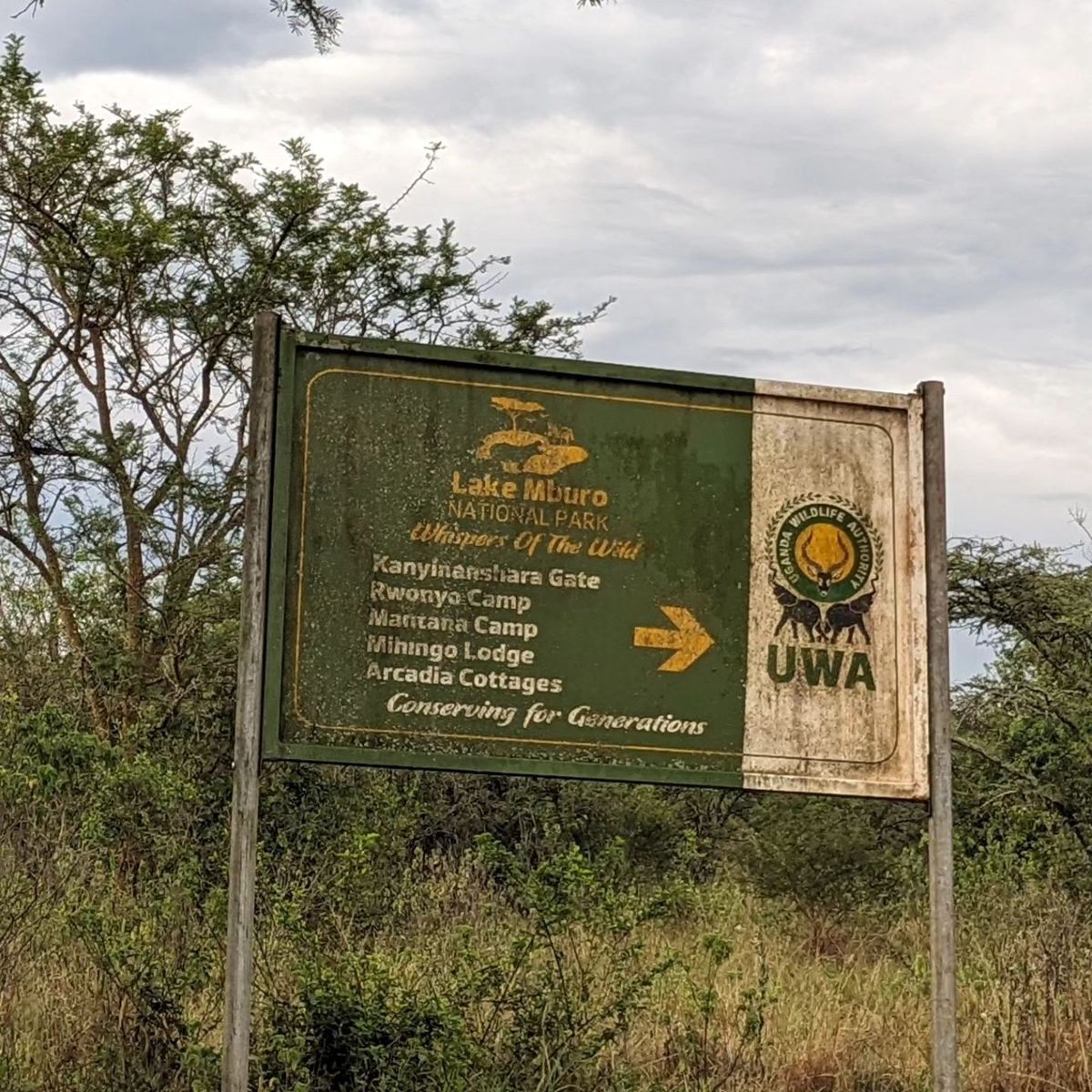
Can I Visit Lake Mburo National Park After Dark?
All About Guided Night Walks and Drives in Lake Mburo
Lake Mburo National Park, tucked into Uganda’s western savannah, is one of the country’s most accessible and wildlife-rich parks—just a 4‑ to 5‑hour drive from Kampala. While its zebras, impala, elands, hippos, and rich birdlife are well-known, fewer know that Lake Mburo is the only national park in Uganda that officially allows night-time wildlife activities. This makes Lake Mburo a truly exceptional destination: a place where your safari doesn’t stop at sunset. So yes—you can visit Lake Mburo at night, and here’s everything you need to know to experience it safely, sustainably, and memorably with Great Migration Adventure.
1. Lake Mburo’s Night-Time Wildlife Edge
Lake Mburo stands apart because night game drives and guided night nature walks are actively permitted in the park—making it the only Ugandan national park where it’s legal to explore wildlife after dark.
At night, the bush comes alive with activity you simply don’t see during daylight. Expect nocturnal species such as:
-
Leopards, if you’re lucky, stalking prey under the moonlight
-
Spotted hyenas calling in the distance
-
Bush pigs, genet cats, and white‑tailed mongoose scavenging
-
Bush babies (thick‑tailed galagos) blinking high in the trees.
-
Porcupines, pangolins, civets, and even hippos grazing ashore.
The spotlight becomes your eyes, the night your guide, and the unseen world of wildlife unveils under starry skies.
2. Night Game Drives: The Official Option
What to Expect
-
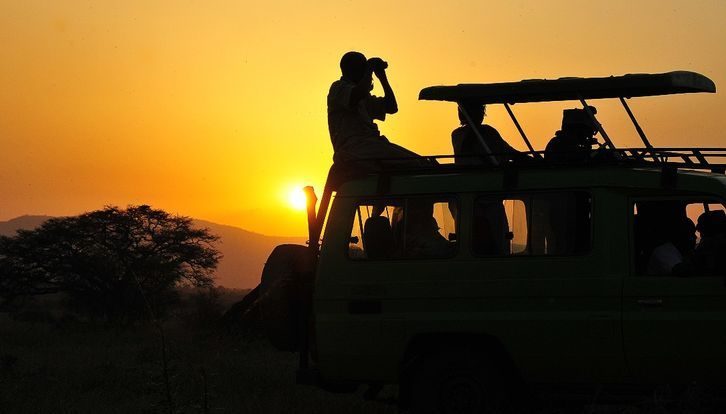
Duration: Typically 2–3 hours, starting around 6:30 pm to 7:00 pm.
-
Guides: Must be led by Uganda Wildlife Authority (UWA) licensed ranger/guides; in partnership with lodges or our safari vehicles.
-
Vehicles: Pre‑approved vehicles with UWA permits; spotlights are essential and limited, so booking in advance is critical.
-
Cost: Approx. USD 30–40 per person, variable by residency status and vehicle type:
-
Foreign non-resident: ~USD 30
-
Foreign resident: ~USD 30
-
East African citizen: ~40,000 UGX (when in private vehicle)
-
With UWA vehicle: USD 40/non‑resident, USD 35 resident, 40,000 UGX EAC citizen.
-
Why It’s Special
Lake Mburo’s open savannah terrain combined with relatively low predator density makes it safe and practical for night drives—unique among Uganda’s forested parks. You won’t get stuck in thick forest—just soft trails, open plains, and rich nocturnal activity.
Notable sightings include:
-
A resident male lion rumored to roam near Lake Mburo itself, though sightings are rare
-
Leopards, often spotted hunting or resting
-
Shy carnivores like genets, civets, bush pigs, and porcupines
-
Bush babies emerging in treetops high above, often spotted by quick eye reflections in spotlight.
3. Night Nature Walks: A Footstep Into Darkness
Lake Mburo also offers guided night walking safaris—a more intimate, slow‑paced way to explore after dark. These are on-foot treks escorted by an armed ranger guide using flashlights to uncover small mammals and night bird activity along trails.
Highlights
-
Duration: Approximately 3 hours, usually 7:00–9:00 pm
-
Group size: Small groups (max 6) per ranger for safety
-
Wildlife: Expect to encounter buffalo, giraffes, zebra, hyena, hippos, and birds like African finfoot along the trail and salt-lick areas.
-
Experience: A sensory-rich, guided exploration of the nocturnal ecosystem punctuated with insights into park history, animal behaviors, and local ecology.
Cost: ~USD 40 non-resident; USD 20 foreign resident; EAC ~15,000 UGX
4. Wildlife You Only See at Night
Lake Mburo’s night species list is a standout:
-
Leopards and hyenas—rare during the day, often on prowl at dusk
-
Bush pigs, porcupines, white-tailed mongoose, genet cats, and galagos (bush babies).
-
Hippos moving onto shore at dusk
-
Small mammals and nocturnal birds—owls, nightjars, and sometimes civets
-
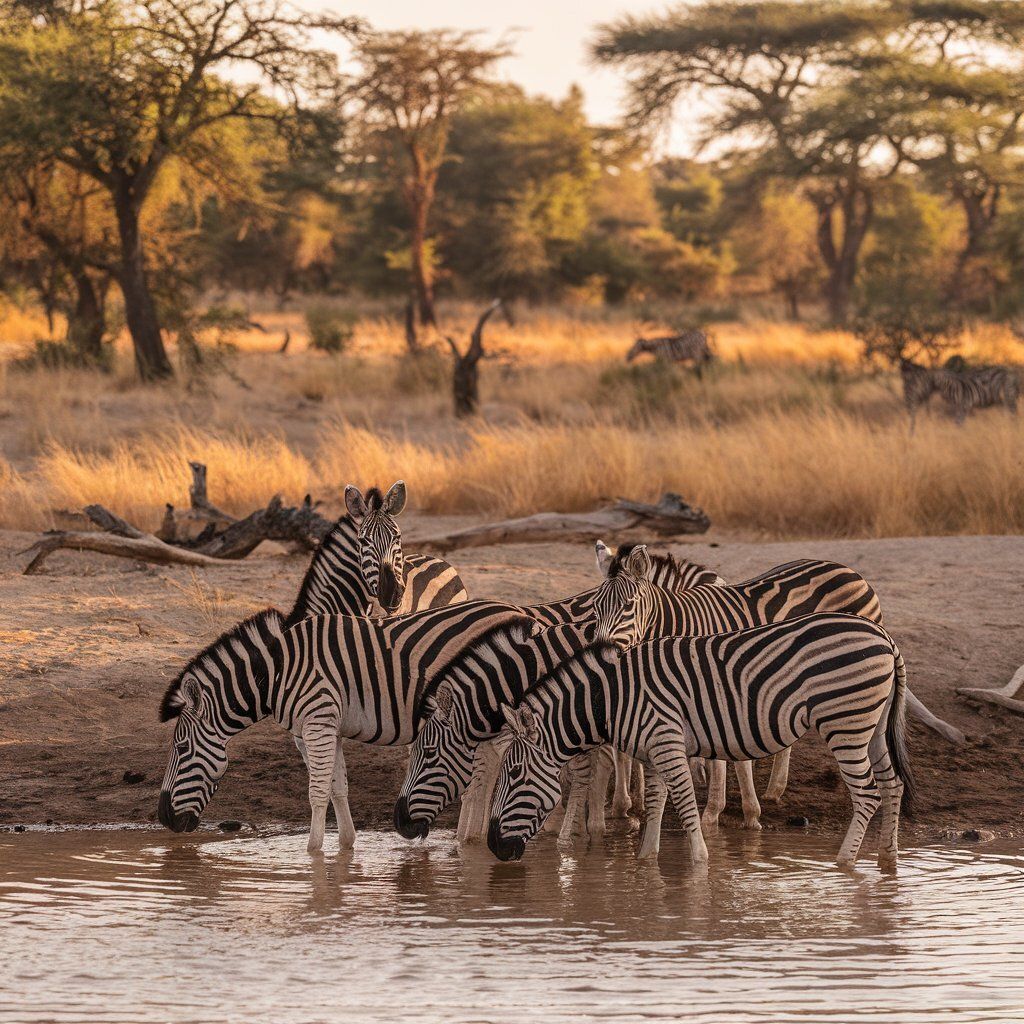
Contrasting silhouettes of grazing zebras, oribi, warthogs, buffalo against dark skies
The darkness amplifies sounds, shadow movements, and fresh spoor—making night safaris a multi-sensory adventure.
5. How Great Migration Adventure Makes It Work
Tailored Packages
We include night drives or walks as optional additions to our Lake Mburo safari packages, integrating them seamlessly with day game drives, horseback riding, boat cruises, and cycling safaris.
Overnight Stays
Ideal lodges include Mihingo Lodge, Rwakobo Rock Lodge, Kigambira Safari Lodge, Leopard Rest Camp, and Lake Mburo Safari Lodge—all within easy reach of park gates and night-drive access.
Booking & Logistics
-
We arrange advance permits, secure vehicles with spotlights, and coordinate UWA ranger guides.
-
Pre-drive safety briefings, vehicle preparation, and ranger escort are all included.
Safety & Conservation Focus
-
Only UWA-approved vehicles with trained guides are used.
-
Our guides enforce strict wildlife distancing, no misuse of spotlights, and zero litter policy.
-
Night activities are limited to specific zones and do not disturb animals or park rules.
6. Who Should Do a Night Walk vs Night Drive?
| Preference | Night Game Drive | Night Nature Walk |
|---|---|---|
| Safe, vehicle-based experience | ✅ | ❌ |
| Close-up wildlife spotlighting | ✅ | ❌ |
| Walking adventure and immersion | Limited | ✅ |
| Seeing elephants, gazelle herds | ✅ (open savannah) | Less likely |
| Observing birds or identifying tracks | Both offer opportunity | ✅ (slower, guided viewing) |
| Group size | Up to vehicle capacity (6–7) | Max 6 per ranger |
Both experiences reveal Lake Mburo’s nocturnal richness—choosing depends on how you want to engage with the wild.
7. When Is Night Safari Best?
Dry Season (June–August and December–February)
-
Trails firm and visibility is high
-
Wildlife concentrated around water
-
Best for reliable night views and game sightings
Wet/Shoulder Season (March–May, September–November)
-
Denser vegetation and slippery trails
-
Heightened bird activity and amphibian chorus
-
Night drives still run but require caution—walks more challenging but atmospheric
Booking 2–4 weeks in advance is wise—especially for night walks, which require ranger scheduling and vehicle availability.
8. Sample 3-Day Lake Mburo Night Safari Itinerary
Day 1: Afternoon Arrival
-
Drive from Kampala to Lake Mburo
-
Afternoon game drive, followed by sunset sundowners overlooking zebras grazing
-
Evening night game drive, spotlighting nocturnal species
Day-2: Day and Night Blended
-
Morning horseback or cycling safari
-
Optional boat cruise on Lake Mburo for hippos and birds
-
Pre-dinner rest
-
Night nature walk along forest edge down to salt lick—spot bush pigs, civets
Day 3: Departure
-
Early morning bird walk or gentle guided nature walk
-
Breakfast then transfer back to Kampala or onward safari
This itinerary provides a rich mix of experiences—from day to night, ground to water, animal tracks to starry skies.
9. FAQs & Advice
Can children join a night safari?
Yes—suitable if they stay calm and quiet. Rangers limit group size and offer guidance.
Am I safe at night?
Absolutely. All walks and drives are ranger-escorted and conducted in designated zones with safety protocols.
Is the terrain difficult?
Drive-based safaris are easy. Night walks require moderate fitness—paths can be uneven and occasionally muddy.
What should I pack?
Bring warm layers, a jacket, flashlight, water, bug repellent, and binoculars. Cameras with low-light ability are advantageous.
10. Why Lake Mburo Night Safaris Are a Must
Lake Mburo is the only national park in Uganda offering officially sanctioned night wildlife experiences—making it uniquely magical. Night drives and walks reveal a hidden side of the bush full of mystery and rare wildlife interactions. With Great Migration Adventure, you gain:
-
Expert coordination with UWA for permits and safe operations
-
Inside access to the best observation zones with spotlights
-
Personal guided experiences tailored to your interests—photography, wildlife, families
-
Responsible and low-impact tourism that supports park conservation and adjacent communities
Conclusion
So yes—you can visit Lake Mburo at night—and doing so reveals a dimension of wild Africa unseen by most safari-goers. Whether you opt for the spotlight chase in a safari vehicle or a quiet ranger-led forest walk under starlight, Lake Mburo’s nocturnal world offers wildlife experiences steeped in mystery, energy, and discovery.