

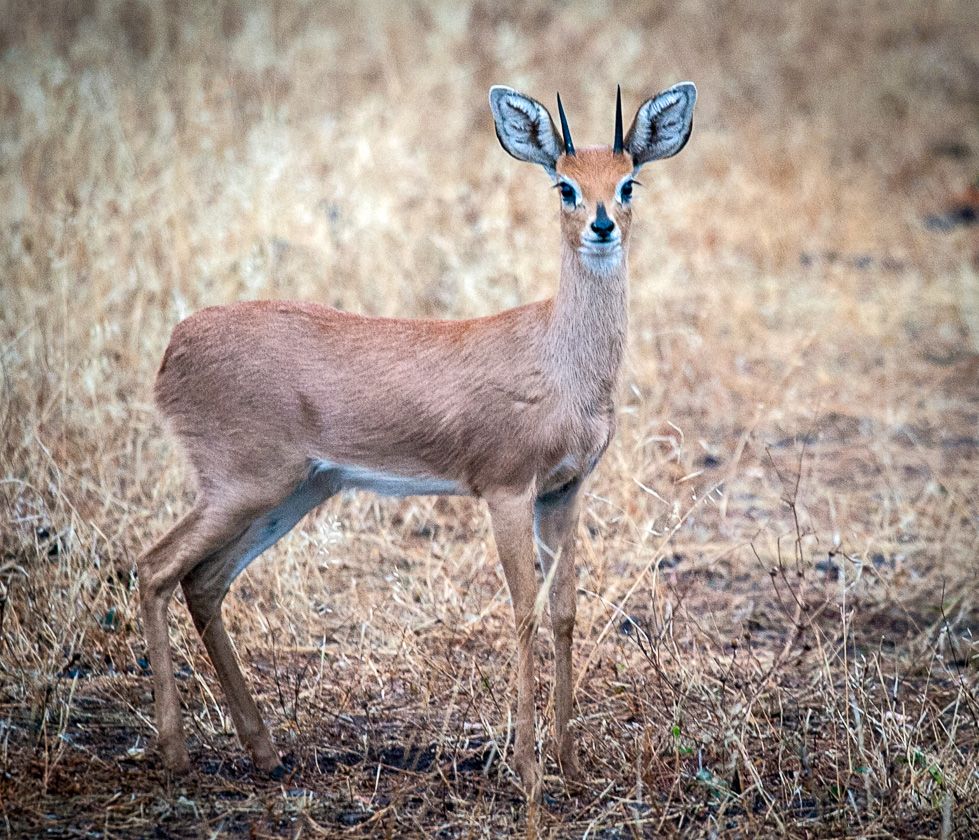
Can You See Duikers in Kibale?
Exploring the Shy Antelopes of Uganda’s Primate Capital with Great Migration Adventure
Few creatures stir curiosity quite like duikers—small, elusive forest antelopes that slip through the undergrowth with remarkable stealth. In Uganda, Kibale Forest National Park may be best known for its chimpanzees and primate diversity, but this lush rainforest is also home to several species of duikers. At Great Migration Adventure, we believe interactions with subtle wildlife—like duikers—enrich every safari.
This deep-dive article unpacks everything you need to know about encountering duikers in Kibale: their behavior, species present, best viewing practices, conservation context, guided safari routes, and how we shape experiences that bring you closer to these quiet forest dwellers.
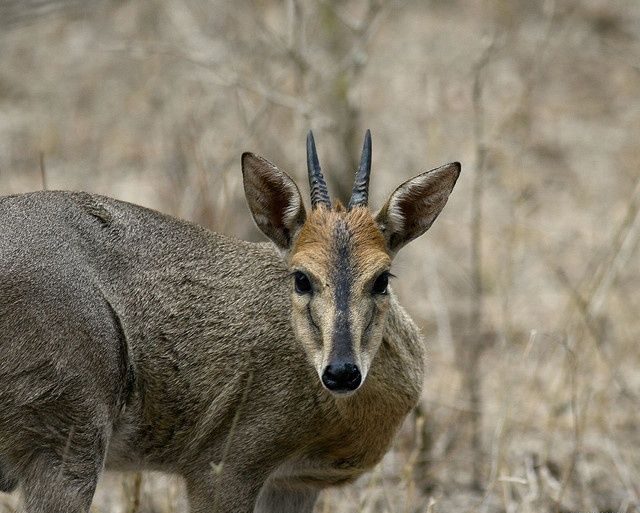
1. Meet the Duiker: Africa’s Forest Phantom
Duikers (genus Cephalophus and Philantomba) are small, solitary antelopes found in dense forests across sub‑Saharan Africa. Their name—meaning “diver” in Afrikaans—reflects their habit of darting into vegetation when startled.
Key features:
-
Weight: 5–20 kg, depending on species
-
Behavior: Shy, mostly solitary, often crepuscular
-
Diet: Browsers, eating fruits, leaves, and occasionally fruits dropped by primates
-
Role: Seed dispersal, prey for forest predators, ecological indicators
In Kibale, duikers play a vital role in seed dispersal and forest regeneration, especially in primate‑drop zones. They’re most active at dawn, dusk, or under the shadowy canopy—making sightings rare but rewarding.
2. Species of Duikers Found in Kibale
Kibale hosts at least three duiker species:
Blue Duiker (Philantomba monticola)
-
Among the smallest duikers (≈ 5 kg), with grey-blue coats. Highly cryptic in dense forest 🌿. Frequently recorded in Kibale and Bwindi.
Red Forest Duiker (Cephalophus natalensis)
-
Chestnut-colored, medium‑small duiker found in tropical forests of Uganda, including Kibale.
Peter’s Duiker (Cephalophus callipygus)
-
A shy forest dweller present in Kibale, often spotted when leaves rustle unexpectedly.
Other duiker species—such as yellow‑backed duiker—are more common in Bwindi or Mgahinga but rare in Kibale.
3. Why Tracking Duikers in Kibale Is Special
🌳 Biodiversity & Behavior
Kibale supports 13 primate species and over 70 mammal species, including forest antelopes. The lush, layered habitat offers ideal cover for duikers but makes them naturally hard to spot.
🍇 Rich Primate-Dropped Food
Duikers follow fruiting primates, eating fallen fruits—making areas under fig, ficus, or mahogany trees hotspots during tracking walks or chimp treks.
🚶 Forest Walk Advantages
Guided nature walks and chimp tracking treks cross zones where duikers may be flushed—especially along boundary trails of Kanyanchu, Bigodi Wetland, and northern sectors.
Sensitive Tracking
Our trackers use low voices, soft steps, and local knowledge of calls and spoor to detect duiker presence without disturbance.
4. How Great Migration Adventure Designs Duiker‑Friendly Safaris
Guided Nature Walks
During chimp treks and forest walks we offer quiet opportunities for duiker sighting: early morning or late afternoon when duikers are more active.
Birding & Biodiversity Add‑Ons
Combining birding with duiker tracking improves chances—duikers, birds, and monkeys often intersect feeding areas. Our guides use binoculars to scan fallen fruit under canopy and trail edges.
Regular Routes Known for Duikers
We focus on zones like Kanyanchu loop, Bigodi Wetland sanctuary, and Ndali‑Kasenda crater strip, where soft forest edges meet chimp-friendly zones—duiker activity is recorded here.
Timing Matters
We suggest hikes at crepuscular hours—around 6–8 am and 4–6 pm—for best visibility.
Educational Emphasis
Guests receive duiker field guides, learn about spoor, alarm calls, and ecological roles—transforming chance glimpses into meaningful wildlife lessons.
5. What You Might See in Kibale
Blue Duiker
Fast-moving shadows in understory, light or grey coloration, darting behavior. Often observed early in the morning on quiet forest paths.
Peter’s Duiker
Larger than blue duiker, chestnut coat, solitary. Most often glimpsed across narrow clearings or near fruity trees.
Red Forest Duiker
Seen occasionally feeding on forest fruits. More likely to be heard than seen, due to its woodland preference.
If lucky, guests have also observed bushbuck or serval—also present in Kibale—foraging along trails.
6. Conservation Context & Ecological Role
Poaching Impacts & Forest Recovery
A study in Kibale’s Ngogo zone highlighted that red duiker populations were lower in areas prone to poaching—even more so than in undisturbed old-growth forest. This underscores the importance of protected strongholds like Kibale for duiker survival.
Forest Health Indicators
Duikers are important seed dispersers, feeding on fallen fruit and helping regeneration. Their presence—or absence—reflects forest ecosystem balance and primate health.
Community & Tourism Benefits
Guided duiker walks help support local forest guides and park conservation efforts. They provide educational value beyond primates and engage eco-minded visitors in lesser-known wildlife narratives.
7. Sample 4‑Day “Duiker & Forest Life” Safari
Day 1: Arrival and Introduction
-
Lodge briefing in Fort Portal
-
Short chimney‑lit walk to explore lemur-like mammals
Day-2: Chimp Trek + Duiker Silent Walk
-
Morning trek to chimp site, chance of flushing duiker under fruit trees
-
Afternoon birding and Bigodi Wetland walk includes hidden duikers
Day 3: Ndali‑Kasenda & Kanyanchu Loop
-
Drive through crater lakes, on‑foot hike into forest edge trails
-
Guided spotlight walk at dusk (looking for duiker silhouettes)
Day-4: Departure with optional forest‑edge birding or primate follow
-
Brief dawn walk for duiker/bird encounters
-
Transfer to next destination (Rwenzori, Queen Elizabeth, or Gorilla region)
All packages include transport, lodging, meals, licensed guides, and conservation fees.
8. Tips for Increasing Your Duiker Sighting Chances
| Strategy | Details |
|---|---|
| Timing | Early morning or late afternoon walks |
| Quiet Movement | Soft steps on leaf litter help avoid flushing them early |
| Watch Fruit Trees | Beneath primate feeding zones is a duiker hotspot |
| Use Spotlights After Dark | Some duikers are active into dusk—keepers use red-filter torch on quiet trails |
| Listen for Alarm Calls | Colobus monkeys or birds often call when duikers are disturbed |
9. Common Misunderstandings & FAQs
Q: Are duikers easy to see?
A: No—they’re small and shy, but consistent walking and prime habitat give the best odds.
Q: Is duiker tracking safe?
A: Yes. Kibale walks are guided, low-risk forest trails. Rangers accompany night walks where needed.
Q: Do you guarantee a duiker sighting?
A: No guaranteed sightings. But our trackers and route choices maximize chances through habitat and activity windows.
Q: Can children participate?
A: Yes. Quiet, short walks are suitable for families and children curious about small forest mammals.
10. Why Great Migration Adventure Delivers Unique Duiker Encounters
At Great Migration Adventure, we value the subtle wonders of the bush. Our promise to you:
-
Expert local guides with awareness of duiker living zones
-
Ethical walking protocols—no disturbance, leave-no-trace
-
Educational emphasis—identifying spoor, calls, behavior
-
Support to UWA conservation funding and community eco-guides
-
Customized safari routes, tailored to include duiker viewing potential alongside chimp tracking, primates, and birds
Final Thoughts: Celebrate the Quiet Side of Kibale
While chimpanzees, forest elephants, and red colobus monkeys dominate headlines, duikers add depth to Uganda’s forest story. They are nimble reminders that every leaf-littered shadow holds a secret.
Kibale is not just Uganda’s primate capital—it’s also a quiet haven for duikers. With patient walking, careful listening, and our expert guidance, spotting one of these shy antelopes becomes a compelling part of your safari memory.
Let Great Migration Adventure guide you beyond the well-known species to the hush and hush of Kibale’s ground dwellers. Encounter duikers not merely as icons, but as ambassadors of forest vitality and survival.
Ready to glimpse the beady eye of a forest phantom?
Let us lead you into Kibale’s hidden world—with duiker sightings included in your safari story.