

Are There Guided Hikes in the Rwenzori Mountains?
Discover the Mystical Mountains of the Moon with Great Migration Adventure
Few places on earth are as enchanting and formidable as the Rwenzori Mountains, Africa’s legendary “Mountains of the Moon.” Rising majestically along Uganda’s western border with the Democratic Republic of Congo, the Rwenzoris present some of Africa’s most dramatic alpine terrain. At Great Migration Adventure, we believe this ancient range offers not only breathtaking scenery but also transformative journeys—through its towering peaks, glacial lakes, and primordial forests.
So, are there guided hikes in the Rwenzori? Absolutely—and they’re not just hikes, but full-fledged wilderness experiences, led by expert guides, supported by porters and cooks, and tailor‑made for adventurers who seek awe and altitude in equal measure.
1. Why Hike the Rwenzori Mountains?
A Spectacle of Scenery
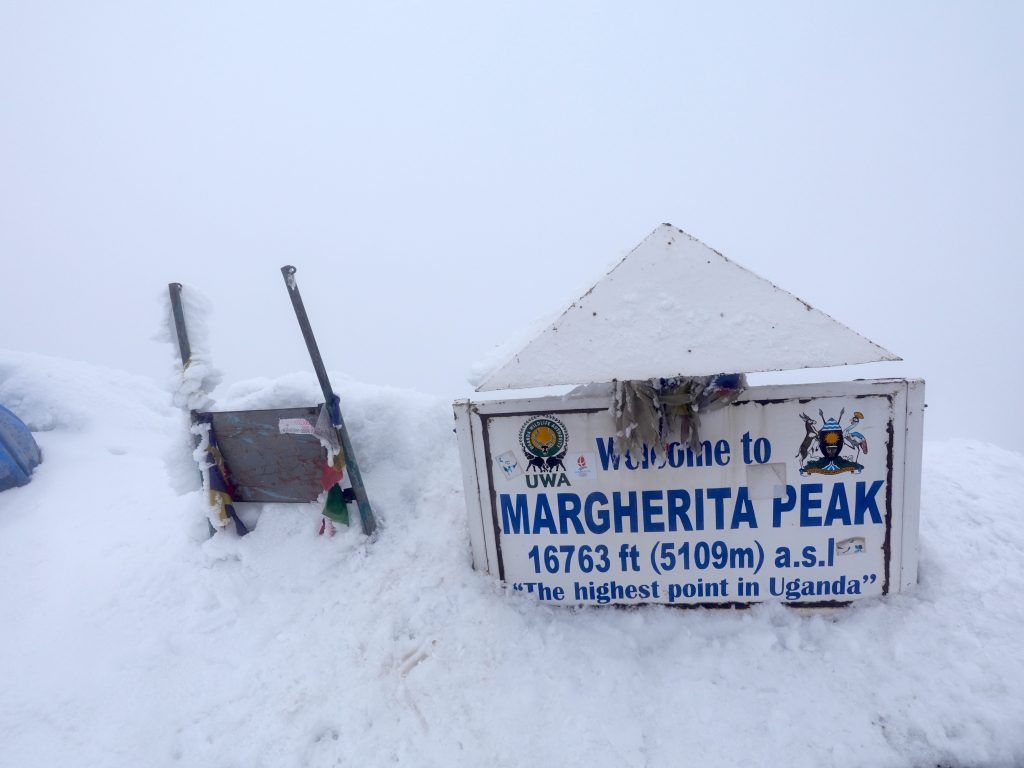
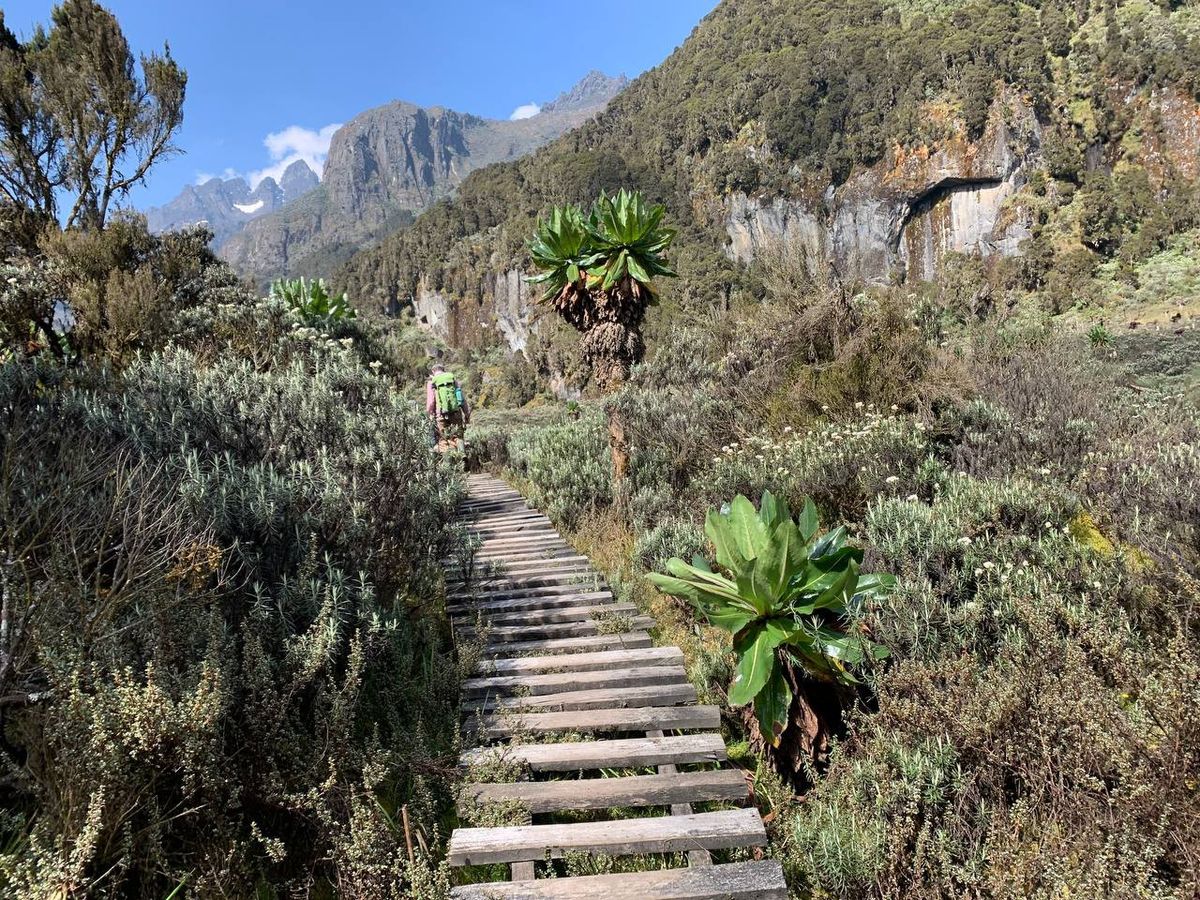
The Rwenzori range is one of the most scenic mountain regions in Africa, with steep glacier‑capped peaks, hanging glaciers, alpine meadows, and moss‑draped rainforest. Peaks like Mount Stanley (5,109 m), Mount Speke (4,890 m), and Mount Baker (4,843 m) define the horizon.
Biodiversity Hotspot
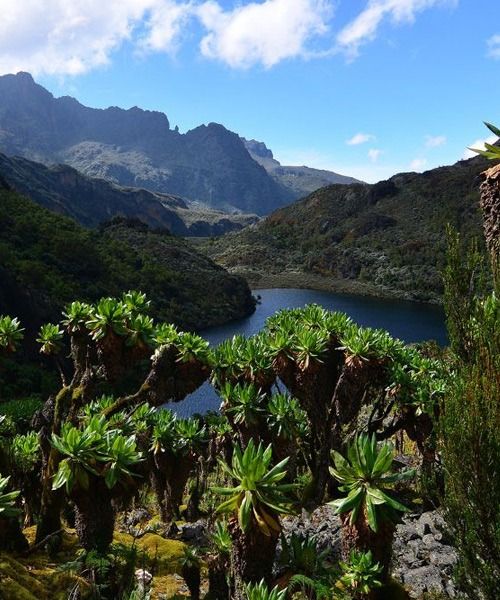
The mountains host remarkable ecological zones—from lowland forest with forest elephants to afro‑alpine moorlands with giant lobelias and groundsel. Birdlife includes rare species like Rwenzori turaco, Archer’s robin‑chat, and Albertine Rift endemics.
A World Heritage Retreat
Designated a UNESCO World Heritage site, the Rwenzori Mountains National Park protects this unique ecosystem and provides structured, guided routes for trekkers.
Cultural Connection
Guided treks engage you with Rwenzori guides whose families have lived in the region for generations. Many routes travel through Bakonzo communities known for their mountain folklore and hospitality.
2. Guided Hike Options: Routes and Duration
Rwenzori hikes are modular; routes vary from a few days up to two‑week full circumnavigations. The park requires all hikers to trek with licensed guides and registered support crew.
Popular Trekking Routes
| Route Name | Duration | Highlights |
|---|---|---|
| Central Circuit | 8–9 days | Major peaks: Margherita, Stanley; glaciers; giant moorland |
| Northern Circuit | 12–13 days | Including Speke and Baker summits; more remote |
| Southern Circuit | 14–15 days | Full traverse; remote valleys, triple‑border viewpoints |
| Short Hikes | 3–5 days | Lugogo River walk; Nyabitaba huts or lower elevations |
Summary of Typical Itinerary (Central Circuit)
-
Day 1: Arrival in Fort Portal/Mt. Rwenzori base; cultural intro
-
Day 2: Drive to Nyakalengija (~3,000 m) then trek to Nyabitaba Hut
-
Day 3: Central Circuit entry; ascend to John Matte Hut
-
Day 4–5: Trek to Bujuku area; access to Margherita hut (~4,643 m)
-
Day 6: Summit Margherita (5,109 m); descend to Bujuku
-
Day 7: Trek over high passes into the Kitandara Basin
-
Day 8–9: Exit and return to Fort Portal
Our guided hikes include porters, meals, camping gear, all permits, and ground transportation. When you trek with Great Migration Adventure, you benefit from decades of regional experience and route expertise.
3. Safety and Preparation
Physical Fitness & Altitude
Rwenzori hiking is strenuous and reaches high altitudes, where temperatures can drop below freezing at night. While technical climbing gear isn’t required for peaks like Margherita (Route is non‑technical), strong cardio fitness is essential.
Altitude Acclimatization
We recommend spending a night at mid‑elevations during the trek to adjust. Guided acclimatization hikes help minimize altitude sickness.
Weather
The mountain ranges receive heavy rainfall year‑round. The best climbing window is during the drier months: June–August, and December–February (though weather remains unpredictable).
Safety Measures
All treks are organized with licensed guides, umbrella cover support, communications equipment, and a safety evacuation plan. Schedules are flexible to accommodate summit attempts or weather changes.
4. Flora, Fauna & Phenomena Along the Trail
Montane & Afro‑Alpine Ecosystems
Expect to walk through dense tropical forest with endemic orchids and ferns, then ascend into moorlands dotted with towering giant lobelias. Above 4,000 m you’ll encounter groundsel and stark alpine landscapes with ice and stone.
Wildlife Highlights
-
Birds: Rwenzori turaco, rare ibis, sunbirds
-
Primates: L’hoest’s monkeys in forested sections
-
Small mammals: Elephant shrews, Hyrax
-
Insects: Colorful butterflies and alpine flies
Glacial Features
Summit areas are adorned with hanging glaciers and ice fields; witnessing them is both stunning and sobering in a changing climate.
5. Cultural Experiences Along the Way
Busongora potato terraces, traditional huts, and small trading hamlets dot the lower trails. Guides share legends about the peaks, such as the ancient stories of “Kali Nyonyi” (stone women) guarding Glacier Hut. Meals include local staples like sweet potatoes, nshere, and freshwater river fish.
Unique cultural features:
-
Making banana beer with Bakonzo hosts
-
Listening to moonlit ridge stories from local wisdom keepers
-
Visiting community projects that support trekking porters and guides
6. Why Choose Great Migration Adventure?
Experienced Guides & Crew
Our Rwenzori guides are UWA‑licensed, multilingual, and trained in high‑altitude response and wilderness safety.
Tailored Hike Packages
We offer customizable routes with summit or scenic variants based on your preferences, fitness, and interest in photography, birding, or geology.
Eco‑Responsible Trekking
We strictly follow leave‑no‑trace principles, use locally supplied huts where possible, and the transport eco‑charges contribute to the park and community reserves.
Comfort & Convenience
Our logistics include luxurious overnight stays before and after the trek, pre‑trek briefings, gear rental coordination, and flexible return options to Kampala or onward safari destinations.
7. Sample 9‑Day Rwenzori Trek Itinerary with Great Migration Adventure
Day 1: Arrival and overnight in Fort Portal
Day 2: Transfer to trailhead; trek to Nyabitaba Hut through rainforest
Day 3–4: Ascend via moorland into the upper zone; reach John Matte Hut
Day 5: Trek up to Bujuku Hut and acclimatize
Day 6: Summit Margherita and descend
Day 7: Cross Kitandara Pass; camp in southern basin
Day 8: Trek out to the road head; return to hotel
Day 9: Departure or transfer to next safari route
This itinerary includes camping or basic hut stays, full board meals, porters, guides, permits, and transfers.
8. Equipment & Packing Checklist
Essentials
-
Lightweight trekking poles
-
Waterproof down jacket
-
Warm hat and gloves
-
Layered clothing: base layers, mid‑layers, wind shell
-
Daypack with hydration system
-
Sleeping bag (–5 °C rating)
-
Headlamp
Optional gear
-
Camera and trail tripod
-
Binoculars (for birding)
-
Altitude medicine (consult your physician)
-
Local currency for tips and porters
All heavy gear can be carried by porters; we provide full support to ensure you travel safely and comfortably.
9. When Is the Best Time to Hike the Rwenzori?
-
June to August: More stable weather with less rain, better conditions for summit success
-
December to February: Also relatively dry with clearer skies and good visibility
Avoid March to May and September to November unless you’re prepared for heavy rain, muddy trails, and soft summit conditions.
Book your Rwenzori hike at least 4–6 months in advance—permits and crew availability are limited.
10. Frequently Asked Questions (FAQs)
Q: Is climbing Rwenzori dangerous?
A: With proper preparation, licensed guides, and acclimatization, it’s as safe as any high‑altitude trek. We mitigate risk via phased ascent and medical readiness.
Q: Do I need previous trekking experience?
A: While ideal, it’s not required. Our guides customize the pace and schedule. The trek is suitable for moderately fit travelers committed to hiking 8–10 hours in some days.
Q: What wildlife can I expect on route?
A: Bird watchers will love Rwenzori turaco, various sunbirds, and mountain ibis. Mammals are rare at altitude, but wildlife is abundant in the lower rainforest zones.
Q: Is tipping customary for porters and guides?
A: Yes. At the end of the trek, it’s customary to tip guides and porters. We suggest an amount aligned with industry standards and can provide recommendations.
Conclusion: Mountain Majesty Awaits
Yes—you can—and you should—embark on guided hikes in the Rwenzori Mountains. These ancient peaks offer scenes of surreal tranquility, geological grandeur, and ecological wonder that few places on Earth can match.
At Great Migration Adventure, we don’t just guide you to a summit; we curate your journey into the clouds. Every step, story, and vista is an invitation to explore something deeper—not just a mountain, but memory, myth, and resilience.