

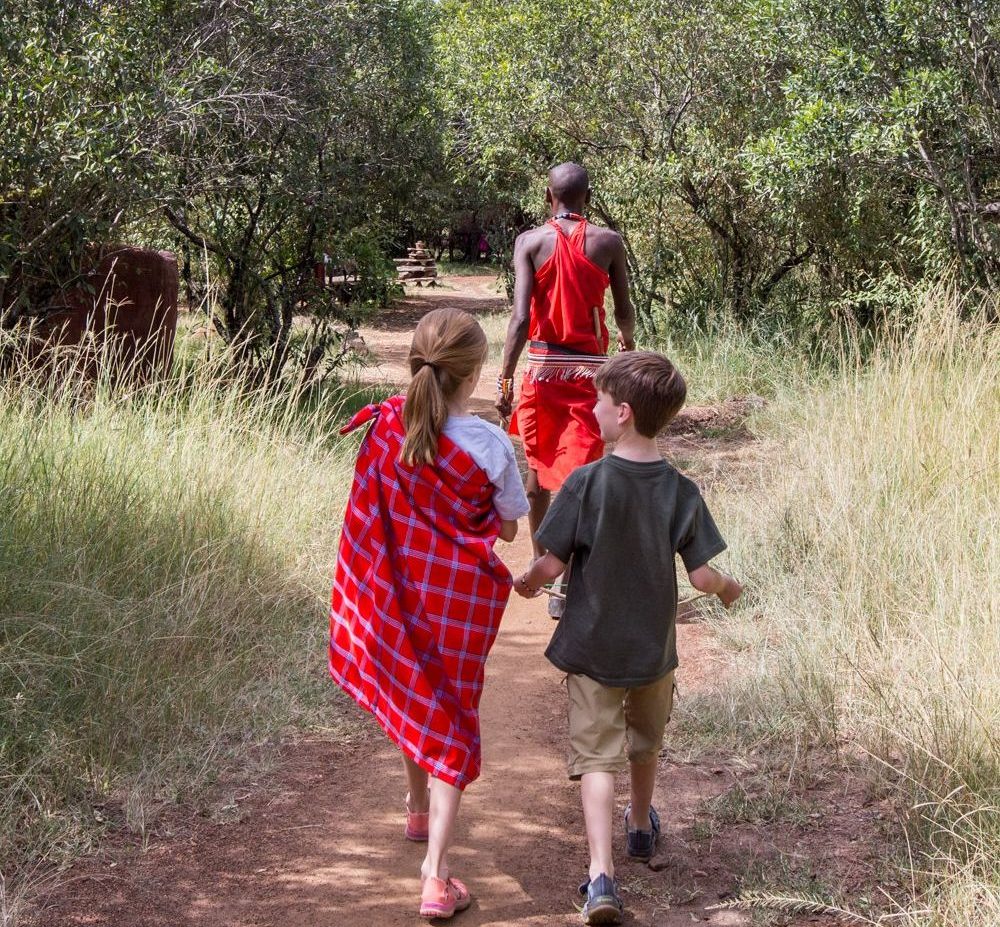
Are There Cultural Festivals Near Maasai Mara?
Discover the Rich Traditions and Celebrations Surrounding the Maasai Mara with Great Migration Adventure
The Maasai Mara National Reserve is undoubtedly one of Africa’s most famous wildlife destinations. Every year, millions of visitors flock to witness the spectacular Great Migration and encounter iconic African wildlife like lions, elephants, and cheetahs in their natural habitat. However, beyond the breathtaking landscapes and thrilling safaris, the Maasai Mara region is steeped in rich cultural heritage, vibrant traditions, and unforgettable festivals that offer a deeper understanding of the people who call this land home.
At Great Migration Adventure, we believe that a true African safari experience is incomplete without engaging with the local cultures that shape the identity of this extraordinary region. In this comprehensive article, we’ll explore the cultural festivals near the Maasai Mara, their significance, the communities involved, and how you can immerse yourself in these celebrations on your next safari.
Introduction: The Maasai Mara – A Cultural and Natural Treasure
The Maasai Mara ecosystem is located in southwestern Kenya and forms a continuation of Tanzania’s Serengeti National Park. The region is named after the Maasai people, a Nilotic ethnic group renowned worldwide for their distinct customs, vibrant dress, and semi-nomadic pastoralist lifestyle.
Cultural festivals near the Maasai Mara offer visitors a unique window into the Maasai’s age-old traditions as well as the customs of other local communities such as the Kuria, Kipsigis, and Luo peoples who also inhabit the broader Rift Valley and neighboring areas.
While wildlife remains the primary draw for many tourists, these festivals celebrate community life, rites of passage, music, dance, and a profound connection to the land — providing meaningful, immersive experiences that complement the natural wonders of the Maasai Mara.
Why Cultural Festivals Matter on Your Safari
Understanding and participating in cultural festivals enhances your safari in several ways:
-
Insight into Indigenous Traditions: Festivals offer context about Maasai and other ethnic groups’ history, social structure, and worldviews.
-
Support Local Communities: Tourism revenue generated by festivals contributes directly to community development and conservation.
-
Memorable Experiences: Vibrant dances, colorful costumes, and engaging rituals create unforgettable memories beyond game drives.
-
Cultural Respect and Awareness: Encountering these festivals promotes mutual respect and appreciation between visitors and locals.
Great Migration Adventure customizes itineraries that balance wildlife adventures with cultural immersion, ensuring an authentic and responsible safari experience.
Overview of Major Cultural Festivals Near Maasai Mara
While the Maasai Mara itself does not host large-scale annual festivals, several vibrant cultural events take place within a few hours’ drive in the greater Rift Valley and surrounding counties. These include:
1. The Maasai Moran (Warrior) Ceremony
Though not a single festival, the Maasai Moran initiation ceremony is a central cultural event in Maasai life, often witnessed in villages around the Mara.
-
What it is: A rite of passage marking the transition of young Maasai boys into warriorhood (Moran status). The ceremony involves rituals, singing, dancing, and communal feasting.
-
When: Varies by community; many initiation rites occur in August and September but can be year-round depending on local customs.
-
Where: Maasai villages near the Mara, including Olare Orok, Sekenani, and surrounding conservancies.
Visitors can arrange guided visits with local elders to witness parts of the ceremony and understand its significance in Maasai culture. This experience is usually private and respectful, ensuring community approval and cultural sensitivity.
2. Eunoto Ceremony (Maasai Warrior Graduation)
-
What it is: The Eunoto marks the graduation of morans (young warriors) into elder status, symbolizing a critical life transition.
-
Significance: It involves traditional songs, dances, and blessings from elders. The ceremony can last several days and includes symbolic shaving of warrior locks.
-
Where: Several Maasai communities around the Mara region celebrate Eunoto, often coordinated by local leaders and cultural committees.
Great Migration Adventure offers opportunities to attend these ceremonies, often combined with cultural walks and Maasai homestead visits.
3. Narok Cultural Festival
-
Where: Narok County, the administrative region encompassing the Maasai Mara.
-
When: Annually, usually in December.
-
What: A showcase of Maasai culture including traditional dance competitions, poetry, beadwork exhibitions, and warrior displays.
-
Why it matters: The festival promotes Maasai heritage preservation and attracts both locals and tourists, fostering cultural pride.
Visitors can combine the Narok festival with a Maasai Mara safari for a comprehensive wildlife and culture holiday.
4. Kipsigis Cultural Festival
-
Who: The Kipsigis community, part of the larger Kalenjin ethnic group, resides near the Maasai Mara.
-
When: Usually held between August and September.
-
What: The festival features traditional music, dance, wrestling competitions, and storytelling sessions.
-
Where: Kericho and Bomet counties, about 2-3 hours from Maasai Mara.
Our safari packages can include excursions to Kipsigis festivals, where visitors experience a distinct cultural identity alongside the Maasai.
5. Loita Cultural Festival
-
Where: Loita Hills, close to the Maasai Mara.
-
What: The Loita Maasai community hosts a festival that celebrates traditional music, dance, and the unique customs of this sub-group.
-
Why visit: This is a more intimate cultural experience, with fewer tourists and a chance to witness traditional Maasai life in a remote setting.
6. Rift Valley Cultural Festival
-
Where: Nakuru and surrounding Rift Valley towns.
-
When: Annually, often around October.
-
What: A multicultural festival celebrating the diverse communities of the Rift Valley including Maasai, Kikuyu, Luo, and Kalenjin peoples.
-
Why it’s special: Combines cultural performances, food fairs, traditional sports, and art exhibitions.
Cultural Elements to Experience During Festivals
Visitors attending festivals near Maasai Mara can expect:
-
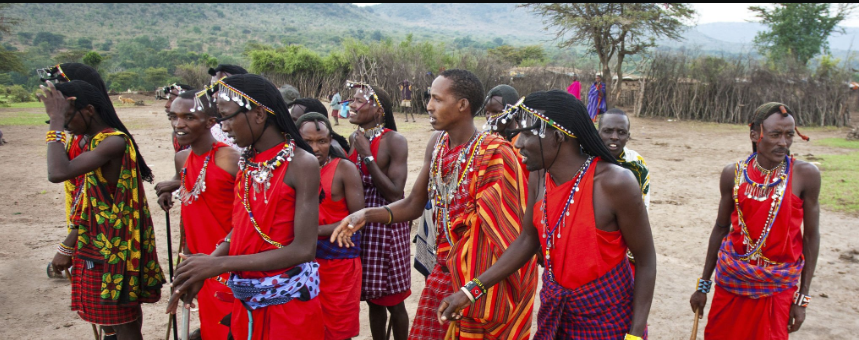
Traditional Maasai Dance and Song: Known for rhythmic jumping (adumu) and powerful vocal performances.
-
Warrior Displays: Demonstrations of spear-throwing, shield dancing, and jumping contests.
-
Beadwork and Craft Markets: Opportunities to purchase intricate beadwork and leather goods made by local artisans.
-
Storytelling and Oral Histories: Elders recount stories that have been passed down for generations.
-
Traditional Attire: Festival participants don colorful shukas (cloth wraps), elaborate bead necklaces, and other cultural dress.
-
Community Feasts: Sharing of traditional foods such as ugali (maize porridge), meat stews, and milk-based drinks.
How to Participate Respectfully in Cultural Festivals
Cultural festivals are community celebrations, and it’s important for visitors to engage respectfully:
-
Seek Permission: Always arrange visits through trusted local guides or cultural officers.
-
Photography Etiquette: Ask before photographing individuals or ceremonies.
-
Dress Modestly: Respect local norms regarding clothing.
-
Observe Quietly: Some rituals may be sacred and not open for full participation.
-
Support Local Artisans: Purchasing crafts directly supports communities.
Great Migration Adventure partners with community leaders to ensure your involvement is respectful and mutually beneficial.
Combining Cultural Festivals with Wildlife Safaris
One of the great advantages of visiting Maasai Mara and its neighboring regions is the ability to combine thrilling wildlife safaris with rich cultural experiences. Imagine witnessing a sunset over the Mara plains, followed by an evening dance performance or traditional feast.
Our bespoke itineraries allow you to:
-
Explore the Maasai Mara’s abundant wildlife during the day.
-
Visit Maasai villages and participate in cultural workshops.
-
Attend local festivals and ceremonies.
-
Enjoy community-led conservation initiatives.
This holistic approach enriches your understanding of Kenya’s landscapes and peoples, creating a safari that stays with you long after you return home.
Sample Itinerary: Maasai Mara Wildlife and Cultural Festival Experience
Day 1: Arrival in Nairobi – transfer to Maasai Mara
Day 2: Morning game drive + Maasai village visit and warrior dance demonstration
Day 3: Full-day game drive + attend Narok Cultural Festival evening events
Day 4: Drive to Kericho for Kipsigis Cultural Festival + traditional wrestling and music
Day 5: Return to Maasai Mara – evening storytelling around the campfire
Day 6: Game drive + farewell Maasai dance celebration
Day 7: Departure via Nairobi
Conservation and Cultural Preservation Through Festivals
Cultural festivals in Maasai Mara and surrounding areas are more than entertainment—they play a vital role in:
-
Preserving Traditions: Passing knowledge and customs to younger generations.
-
Promoting Peace: Strengthening bonds within and between communities.
-
Supporting Sustainable Tourism: Providing economic incentives that reduce reliance on harmful land practices.
-
Advocating Wildlife Conservation: Many festivals are held in tandem with conservation awareness campaigns.
When you attend these festivals with Great Migration Adventure, you are directly contributing to these efforts.
Beyond the Safari — Embrace Culture Near Maasai Mara
The Maasai Mara and its surroundings offer more than wildlife spectacles; they offer a vibrant cultural mosaic filled with music, color, tradition, and community spirit.
If you want your safari to be authentic, transformative, and deeply enriching, join us at Great Migration Adventure in exploring the cultural festivals near Maasai Mara. Our expert team will craft a journey that celebrates both nature’s grandeur and humanity’s enduring heritage.
Contact Great Migration Adventure Today
Embark on a safari that celebrates wildlife and culture.