

Why Mongooses Deserve the Spotlight
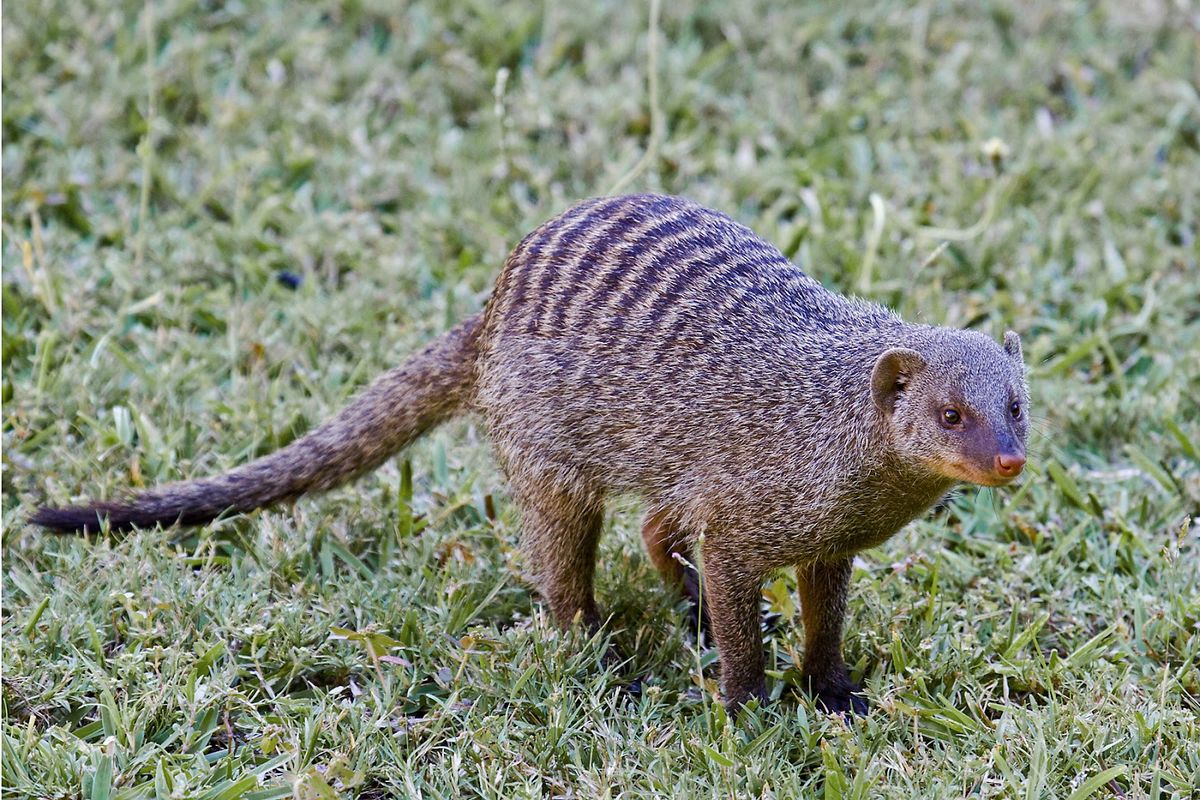
When planning an African safari, most travelers focus on lions, elephants, rhinos, and the sheer grandeur of the continent’s “Big Five.” But at Great Migration Adventure, we invite our guests to look beyond the giants and discover the smaller, fascinating creatures that shape Africa’s ecosystems. One such group is the mongoose family — agile, clever, social, and often overlooked.
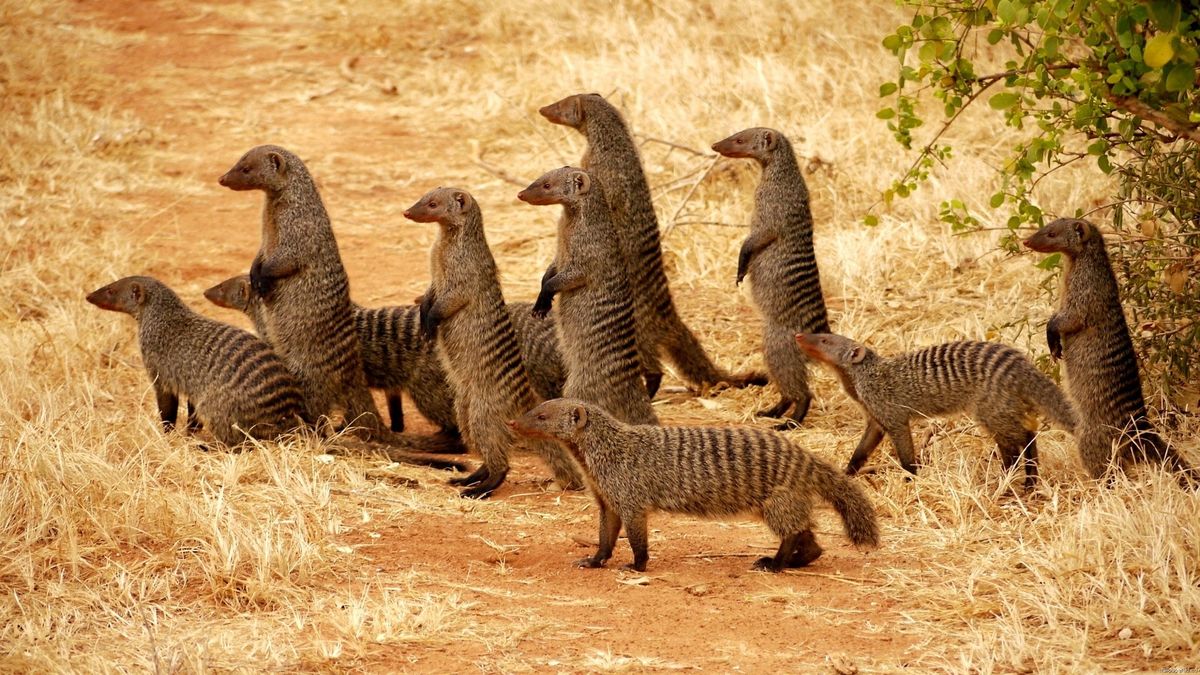
There’s something endearing and electric about spotting a troop of banded mongooses scurrying through the savannah, tails up like antennae, working as a team to forage, dig, and communicate. With more than 30 species across the continent — from the solitary white-tailed mongoose to the highly social dwarf and banded mongooses — there is no single place to see them all. But some parks offer better chances than others, depending on habitat, visibility, and conservation policy.
So where is the best park to see mongooses in Africa?
This comprehensive guide explores everything you need to know — the best parks, ideal times, spotting tips, behaviors to watch, and how Great Migration Adventure designs personalized mongoose-focused safaris. If you’re ready to explore Africa’s wild on a finer scale, this article is your complete blueprint.
Understanding Mongooses: Africa’s Unsung Wildlife Heroes
Who are the Mongooses?
Mongooses are small carnivorous mammals belonging to the Herpestidae family. While some resemble ferrets or weasels, mongooses are unique in both behavior and ecological role. Most are omnivorous, feeding on insects, small vertebrates, birds’ eggs, fruit, and — famously — venomous snakes, which some species can kill with speed and agility.
They are adaptable animals, found in forests, deserts, swamps, and savannahs. But depending on the species, their social structures vary widely:
-
Banded mongoose: Social, living in troops of 10–40 individuals.
-
Dwarf mongoose: Africa’s smallest carnivore, also very social and cooperative.
-
White-tailed mongoose: Nocturnal and solitary.
-
Marsh mongoose: Shy, found near water.
-
Slender mongoose: Versatile and mostly solitary.
Each of these species thrives in different parts of Africa, and some parks are particularly rich in sightings and behavior displays.
Top 5 Parks to See Mongooses in Africa
Below are the best national parks and conservation areas where mongoose sightings are common, the environments support healthy populations, and your safari guides (like ours at Great Migration Adventure) are trained to notice and interpret mongoose behavior.
1. Queen Elizabeth National Park – Uganda
Home of the Famous Banded Mongoose Research Project
One of the best places in Africa to observe mongoose behavior up close is Queen Elizabeth National Park (QENP) in western Uganda. The Mweya Peninsula in particular is world-famous for its Banded Mongoose Research Project, and visitors frequently see habituated troops around Mweya Safari Lodge and surrounding areas.
Why It’s the Best:
-
High density of banded mongooses, many of which are habituated and unbothered by humans.
-
Researchers occasionally lead interpretive walks or share findings with guests.
-
Mongooses are seen digging, grooming, babysitting, and even play-fighting — great for photographers and families.
Other Species Found Here:
-
Slender mongoose
-
Marsh mongoose
-
White-tailed mongoose (seen during night drives)
When to Visit:
-
December to February and June to August are the driest and best for sightings around camps and roads.
Great Migration Adventure Experience:
We include early morning tracking walks around Mweya, and our guides work with researchers to show you mongoose family behavior, troop hierarchies, and foraging strategies. This is one of our signature small predator experiences.
2. South Luangwa National Park – Zambia
The Paradise of Dwarf and White-Tailed Mongooses
In Zambia’s South Luangwa, mongooses share the stage with leopards, lions, and elephants — but they often steal the show. The park’s mix of mopane woodlands, riverine forests, and open plains makes it ideal for several mongoose species.
Most Common Sightings:
-
Dwarf mongooses: Active in dry woodland, often seen perched on termite mounds.
-
White-tailed mongooses: Seen on night drives, walking bush tracks alone with their signature glowing tail.
-
Banded mongoose: Common in valleys near water sources.
What Makes It Unique:
-
South Luangwa pioneered walking safaris, offering a slow-paced exploration that suits small mammal tracking perfectly.
-
The park is famous for daylight leopard sightings — and often, mongooses mob these predators in defense.
Best Time to Go:
-
July to October, when visibility is high and animals cluster near water.
Great Migration Adventure Insight:
Our custom South Luangwa itineraries often include two days of walking safari, where your guide and scout help identify mongoose burrows, tracks, and scent-marking posts.
3. Serengeti National Park – Tanzania
Wilderness, Open Plains, and Banded Troops on Patrol
The central and eastern Serengeti are wonderful for those who want to see wildlife at scale. While lions and wildebeest draw most attention, the open grasslands and scattered kopjes (rocky outcrops) are perfect for spotting banded mongooses and dwarf mongooses.
Where to Look:
-
Near kopjes like Simba Kopje and Moru, where mongooses use crevices for shelter.
-
Open plains in Seronera, especially around termite mounds.
Highlights:
-
Observing mongoose troops interacting with predators like jackals, servals, and eagles.
-
Photogenic moments with mongooses basking in morning sun or lined up at burrow entrances.
Season:
-
Dry season (June to October) offers best visibility.
-
January to March is also good around Ndutu and southern plains.
Great Migration Adventure Advantage:
Because we offer exclusive off-road permits in certain conservation areas like Ndutu and Namiri, we can follow mongoose troops off the beaten path without disturbing them.
4. Kruger National Park – South Africa
Multiple Species, Night Drives, and Self-Drive Options
With one of the largest road networks in Africa, Kruger allows travelers to explore on their own or with guides — and mongoose sightings are frequent, especially in the southern sections of the park.
What You’ll See:
-
Slender mongooses darting across roads or following buffalo herds.
-
White-tailed mongooses and marsh mongooses seen during guided night drives.
-
Banded mongoose troops near rivers and picnic sites.
Unique Perk:
Some mongooses have adapted to human presence, meaning closer viewing and photo opportunities.
Great Migration Adventure Tip:
Choose private concessions within Kruger (like Sabi Sands) for deeper, more immersive experiences. Our guides often combine mongoose sightings with carnivore behavior interactions, such as watching mongooses mob smaller cats.
5. Etosha National Park – Namibia
Desert Adaptations and Troop Behavior in Harsh Landscapes
In Namibia’s vast Etosha Pan, survival is an art. Banded and slender mongooses thrive here, navigating dry grasslands and salt flats. Their resilience in such an arid environment makes for truly memorable wildlife viewing.
Key Areas:
-
Halali and Okaukuejo camps often host nearby mongoose families.
-
Scouting around waterholes in the early morning reveals banded mongooses on patrol.
What Makes Etosha Unique:
-
The pale backgrounds and open terrain make small mammals stand out visually — great for wildlife photographers.
-
Mongooses here are particularly bold, often foraging in daylight despite the heat.
Best Season:
-
Dry months from May to October — when vegetation is sparse and waterholes are busy.
Great Migration Adventure Experience:
Our Desert Small Mammal Safari combines mongoose sightings with other elusive creatures like bat-eared foxes, aardwolves, and honey badgers — a rare treat for serious wildlife fans.
When is the Best Time to See Mongooses?
Morning vs. Evening:
-
Dwarf and banded mongooses are diurnal — meaning active in daylight.
-
White-tailed and marsh mongooses are mostly nocturnal, making night drives essential.
Seasonal Guide:
| Season | Best Parks | What to Expect |
|---|---|---|
| June – October | South Luangwa, Tarangire, Etosha | Clear views, dry conditions, active foraging |
| November – March | Queen Elizabeth, Serengeti, Kruger | More cover, babies and pups visible, bird-rich backdrop |
| April – May | Caution in East Africa due to rains | Best for Kruger and Etosha; fewer crowds |
Behavior to Watch for on Safari
One of the most rewarding parts of a mongoose sighting is watching their behavior. Here’s what to look for with help from your Great Migration Adventure guide:
Group Coordination:
-
Troops move in synchronized patterns, taking turns at lookout and foraging.
-
“Sentinel” behavior is common, where one mongoose stands guard on a termite mound.
Social Interaction:
-
Alloparenting: Non-breeding adults help raise pups.
-
Grooming sessions after meals are common bonding activities.
Hunting:
-
Banded mongooses dig rapidly, using sharp claws to uncover insects.
-
Dwarf mongooses chase small lizards or scorpions.
-
White-tailed mongooses stalk rodents or amphibians at night.
Great Migration Adventure’s Mongoose-Focused Safaris
Because many safari companies focus almost entirely on large mammals, Great Migration Adventure offers special itineraries that prioritize small predators and unique animal behaviors. Here’s what you can expect:
Custom Mongoose Itinerary (Sample 8-Day Plan):
Day 1–2: Queen Elizabeth National Park (Uganda)
-
Visit Mweya mongoose project
-
Boat cruise on Kazinga Channel
Day-3–5: Serengeti National Park (Tanzania)
-
Game drives around kopjes
-
Photography sessions with dwarf mongoose
Day 6–8: Tarangire National Park
-
Dry-season troop tracking
-
Evening bush walk with small predator focus
What’s Included:
-
Private safari vehicle with pop-top roof
-
Specialist guide with small mammal expertise
-
Lodges near known mongoose zones
-
Optional night drives in private conservancies
Seeing a mongoose may not seem as dramatic as watching a lion hunt or elephants bathe. But when you pause, lower your lens, and focus on these smaller mammals, a whole new dimension of Africa comes alive.
Mongooses are smart, funny, bold, and expressive. They challenge leopards, chase snakes, dig tirelessly, and live in communities as rich in drama as any savannah soap opera.
Whether you’re an avid photographer, a conservationist, or simply an adventurer seeking a new angle, Great Migration Adventure can help you discover Africa’s wild through the mongoose lens.
Let’s Plan Your Mongoose Safari
Ready to track mongooses across Africa’s iconic landscapes?
Talk to our expert team today, and we’ll tailor a journey that combines your favorite parks, the best guides, and unforgettable wildlife moments — big and small.
Great Migration Adventure. More Than Big Five. Discover the Unseen