Can I Meet Local Tribes on Safari?
A safari in Africa is not just about spotting the Big Five or traversing vast savannahs. It’s also a profound journey into the continent’s rich tapestry of cultures, customs, and communities. One of the most rewarding aspects of safari travel is the opportunity to meet local tribes and witness firsthand their traditions and way of life. From the Maasai in Kenya and Tanzania to the Batwa in Uganda and the Himba in Namibia, engaging with indigenous tribes can elevate your safari experience from a simple wildlife expedition to a transformative cultural exchange.
The Cultural Side of Safari Travel
Safaris often evoke images of wildlife and dramatic landscapes, but Africa’s beating heart is its people. Cultural tourism, when done respectfully, provides travelers a glimpse into the daily life, beliefs, and traditions of local tribes who have lived in harmony with nature for centuries. Many of these communities play crucial roles in conservation and sustainable tourism, making their participation not just an add-on, but an essential part of your safari.
Key Tribes You Can Encounter on Safari
The Maasai (Kenya and Tanzania)
Masai People
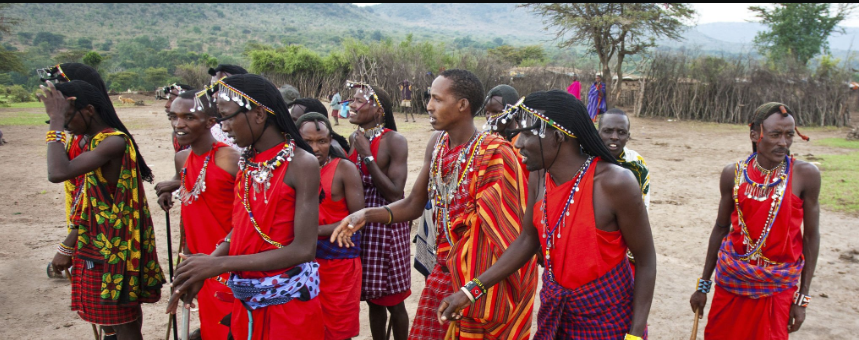
Perhaps the most iconic tribe associated with East African safaris, the Maasai are semi-nomadic people known for their bright red attire, intricate beadwork, and deep-rooted customs. Visiting a Maasai village (manyatta) can include traditional dances, a tour of their homesteads, and conversations about their pastoral lifestyle. These visits are often coordinated through safari lodges and are respectful, pre-arranged cultural exchanges.
The Batwa (Uganda)
Batwa Uganda
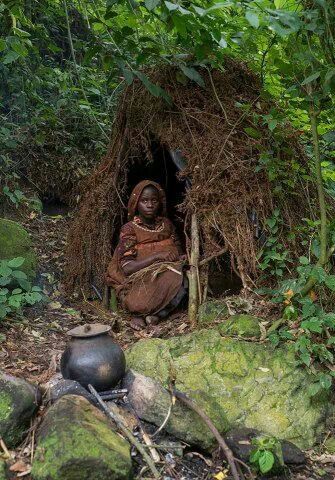
In the forests of southwestern Uganda near Bwindi Impenetrable National Park, the Batwa people, historically hunter-gatherers, offer a unique cultural experience. Once forest dwellers who coexisted with mountain gorillas, the Batwa now engage in tourism as a way of preserving their heritage and supporting their communities. Visitors can join guided forest walks, participate in traditional music and storytelling, and learn about their survival techniques.
The Himba (Namibia)
Himba tribe
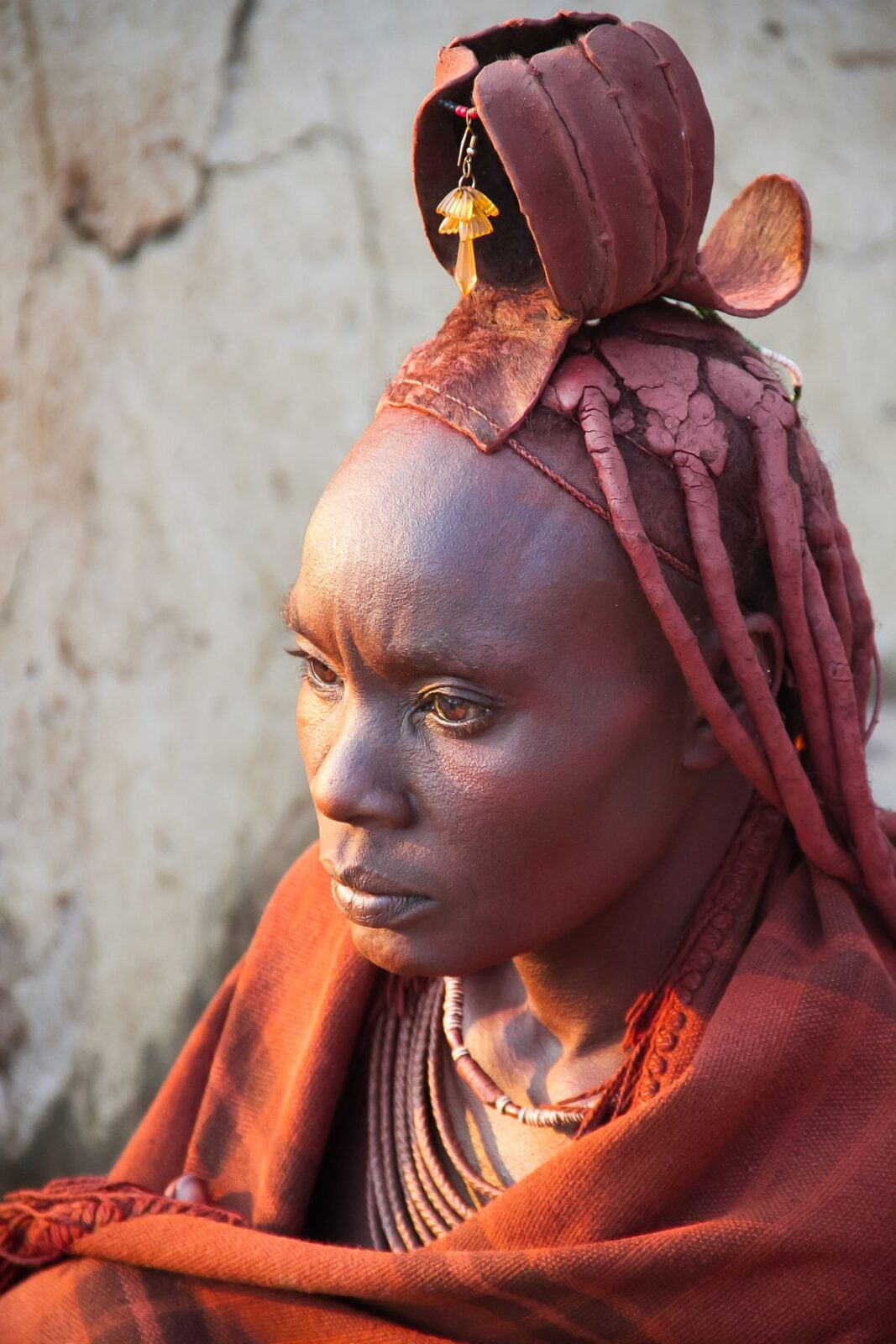
In Namibia’s arid north, the Himba people are renowned for their ochre-colored skin and distinctive hairstyles. Visiting a Himba village allows you to learn about their beauty rituals, cattle-rearing lifestyle, and social structures. These tours are typically guided by interpreters and contribute to local economies.
The Hadzabe (Tanzania)
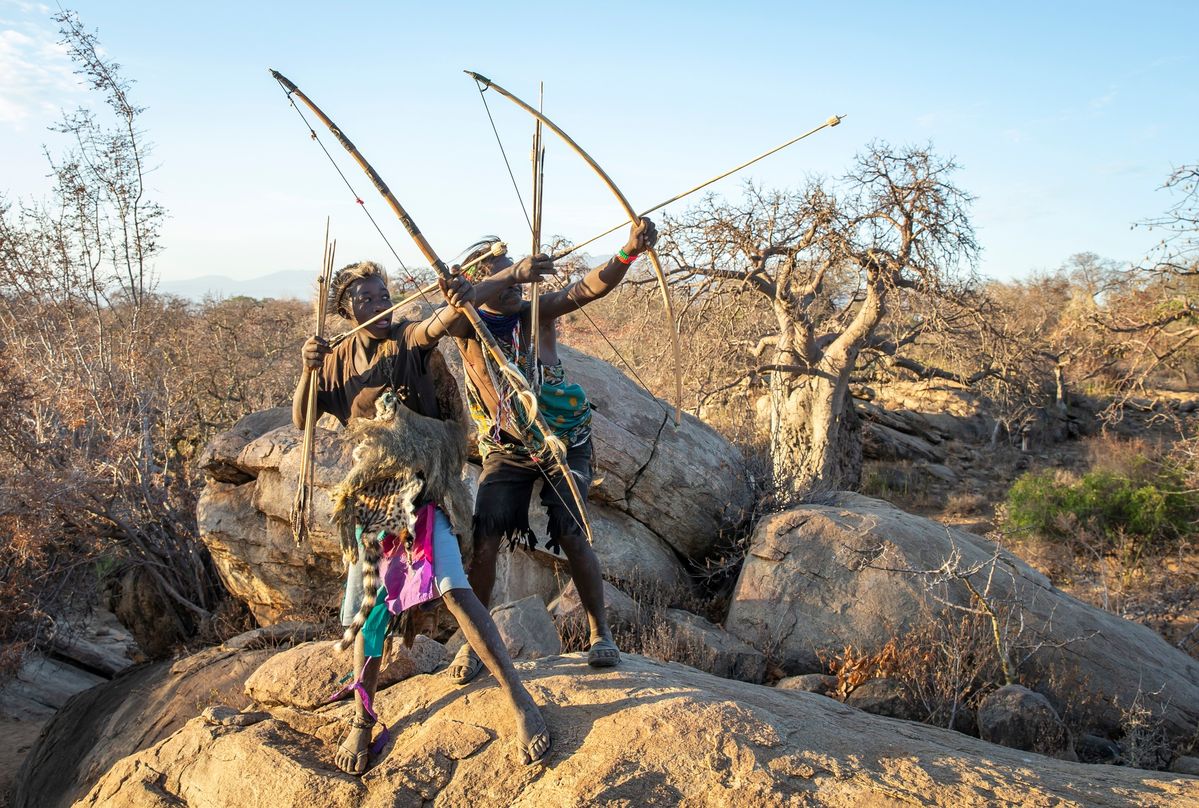
The Hadzabe hunting
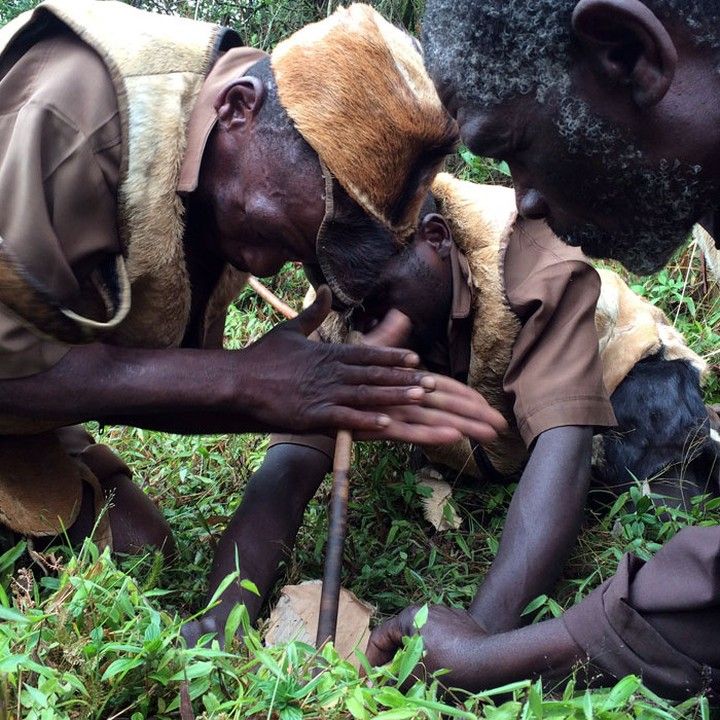
Among the last remaining hunter-gatherers in East Africa, the Hadzabe tribe near Lake Eyasi in Tanzania offers a glimpse into a prehistoric way of life. You can join them on morning hunts, learn to make fire without matches, and understand their language, which includes click sounds.
The Samburu (Kenya)
Cousins to the Maasai, the Samburu reside in northern Kenya and have preserved many traditional practices. Known for their storytelling, ceremonies, and elaborate attire, the Samburu welcome visitors into their villages to share aspects of their lifestyle.
Responsible Cultural Tourism
While visiting tribes can be enriching, it’s vital to approach cultural interactions with sensitivity and respect. Choose tours and lodges that practice ethical tourism, ensure fair compensation to local communities, and avoid exploitative encounters.
- Ask Before Photographing: Always seek permission before taking photos of individuals or ceremonies.
- Support Local Economies: Buy handmade crafts directly from artisans and consider donating to community projects.
- Go With a Reputable Guide: They can facilitate meaningful interactions and act as cultural interpreters.
Cultural Experiences Integrated into Safari Itineraries
Many tour operators now include cultural visits as part of their itineraries. For instance:
- A gorilla trekking trip in Uganda can be coupled with a Batwa experience.
- A Serengeti safari might include a visit to a Maasai village.
- Exploring Namibia’s wildlife can be complemented with Himba interactions.
Customized itineraries can include multi-day cultural immersions where guests live among tribal communities and participate in daily tasks.
Challenges and Opportunities
There are challenges in balancing authenticity with tourism. Over-commercialization, misrepresentation, or disruption of local life are risks if not managed well. However, with respectful planning and community-led tourism models, tribal visits can be mutually beneficial.
Communities benefit from income, cultural preservation, and opportunities for education, while travelers gain insights that go beyond typical tourist experiences.
Yes, you can absolutely meet local tribes on safari, and doing so offers a powerful dimension to your adventure. These interactions not only enrich your understanding of Africa’s diversity but also foster cultural exchange, empathy, and global citizenship. To make the most of such experiences, choose your safari operator wisely, approach with an open heart, and embrace the stories, songs, and smiles of the people who call Africa home.