Can I Volunteer at Wildlife Sanctuaries?
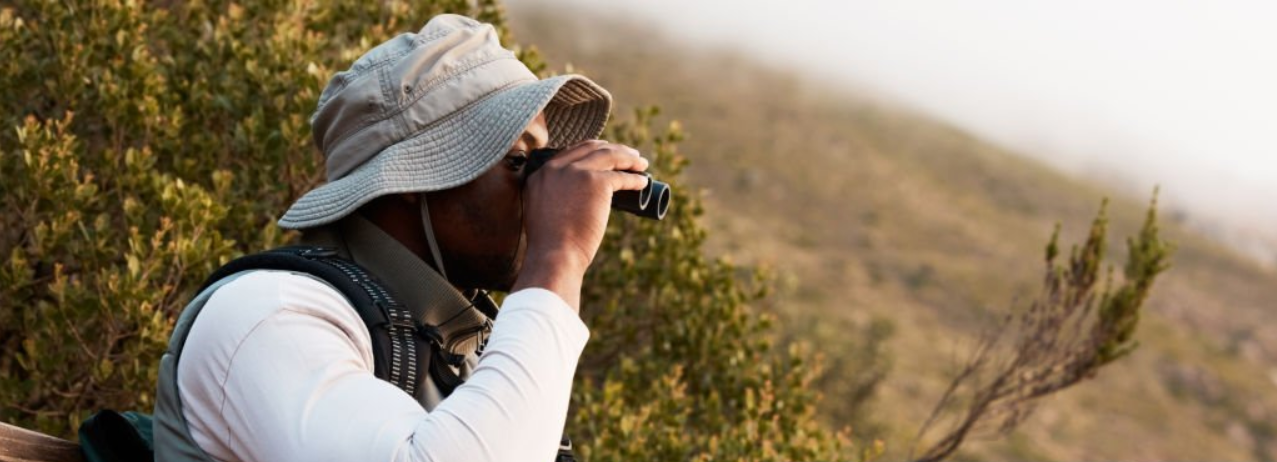
For many wildlife and nature enthusiasts, the idea of volunteering at a sanctuary holds great appeal. Wildlife sanctuaries offer refuge for injured, orphaned, or endangered animals and play a critical role in conservation efforts. Volunteering at these sanctuaries is not only a way to support conservation but also provides an enriching and transformative experience for individuals. This article explores the possibilities, requirements, responsibilities, benefits, and challenges of volunteering at wildlife sanctuaries.
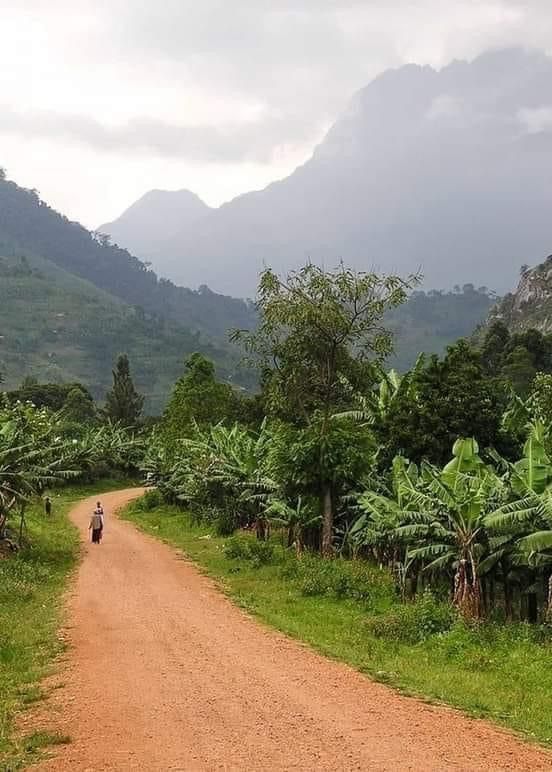
Western Uganda
Understanding Wildlife Sanctuaries
Wildlife sanctuaries are protected areas established to ensure the safety and conservation of wild animals in their natural habitats. They provide shelter to animals that have been rescued from poaching, illegal trade, injury, or displacement due to habitat loss. Sanctuaries can be government-run or managed by non-governmental organizations and conservation groups. Their primary goal is to provide care for the animals while also promoting public awareness and education.
Some sanctuaries may function as rehabilitation centers, helping animals recover and, if possible, reintroducing them into the wild. Others may provide lifelong care for animals that cannot be released due to physical or behavioral issues.
Volunteering Opportunities
Many wildlife sanctuaries welcome volunteers from all over the world. These programs range in duration, commitment level, and the type of tasks involved. Some offer short-term volunteer projects lasting a few days or weeks, while others require long-term commitments of several months.
Volunteering opportunities typically fall into the following categories:
- Animal Care – Feeding, cleaning enclosures, assisting with medical care, monitoring animal behavior.
- Education and Outreach – Guiding visitors, running workshops, and engaging in local education programs.
- Conservation Research – Collecting data, observing wildlife, and assisting in environmental research.
- Maintenance and Construction – Building and maintaining infrastructure, such as enclosures, fences, and shelters.
- Administration and Fundraising – Assisting with administrative tasks, organizing events, or helping raise funds for the sanctuary.
Eligibility and Requirements
Requirements for volunteering vary depending on the sanctuary and the type of work involved. However, most programs require volunteers to:
- Be at least 18 years old (some accept younger volunteers with parental consent).
- Be physically fit and capable of performing manual labor.
- Have a strong interest in animals and conservation.
- Commit to a minimum duration, often two weeks or more.
Some sanctuaries may require specific skills or experience, such as veterinary knowledge, carpentry, or teaching ability. Others provide training to volunteers on arrival.
Costs and Inclusions
Volunteering at wildlife sanctuaries is often not free. Many programs charge fees to cover accommodation, meals, training, and operational costs. These fees help sustain the sanctuary and ensure the well-being of the animals. In return, volunteers usually receive:
- Shared accommodation or housing onsite.
- Three meals a day or access to kitchen facilities.
- Orientation and training sessions.
- Access to conservation areas and activities.
Benefits of Volunteering
Volunteering at a wildlife sanctuary offers numerous benefits, both personal and professional. These include:
- Hands-on Experience – Working directly with animals and learning about their care and behavior.
- Education – Gaining knowledge about wildlife conservation, ecosystems, and human-wildlife conflict.
- Cultural Exchange – Meeting people from different countries and learning about local cultures.
- Skill Development – Improving skills in communication, teamwork, problem-solving, and leadership.
- Personal Growth – Building confidence, empathy, and a sense of purpose through meaningful work.
- Networking – Connecting with professionals in conservation, biology, and veterinary medicine.
Challenges and Considerations
While the experience can be deeply rewarding, it is important to be aware of the potential challenges:
- Physical Demands – Tasks can be labor-intensive, often in hot or humid climates.
- Emotional Strain – Witnessing injured or traumatized animals can be emotionally difficult.
- Remote Locations – Some sanctuaries are in isolated areas with limited access to internet or amenities.
- Cultural Differences – Adapting to local customs, food, and language can require flexibility.
- Financial Commitment – The cost of volunteering, travel, insurance, and vaccinations can be substantial.
Choosing the Right Sanctuary
When selecting a sanctuary, it is important to do thorough research to ensure it is ethical and well-managed. Look for the following indicators:
- Accreditation or Partnerships – Affiliations with recognized conservation organizations.
- Transparency – Clear information about how funds are used and how animals are cared for.
- Animal Welfare – Prioritization of animal needs over entertainment or tourism.
- Volunteer Reviews – Positive feedback from past participants.
- Environmental Practices – Efforts to minimize ecological impact and support local communities.
Avoid programs that allow close contact with wild animals for photo opportunities or entertainment, as these often exploit the animals and do not contribute to conservation.
Popular Destinations for Volunteering
Wildlife sanctuaries around the world welcome volunteers, with notable locations including:
- Africa – Sanctuaries in Kenya, South Africa, Uganda, and Namibia offer opportunities to work with elephants, primates, big cats, and rhinos.
- Asia – Thailand, India, and Indonesia have programs for rescued elephants, gibbons, and orangutans.
- South America – Peru, Ecuador, and Bolivia host sanctuaries for monkeys, birds, and jungle wildlife.
- Australia – Volunteering with koalas, kangaroos, and native bird species.
Preparation and Planning
Before volunteering, proper planning is essential. Consider the following steps:
- Research – Identify sanctuaries aligned with your interests and values.
- Budgeting – Account for program fees, flights, insurance, vaccinations, and travel gear.
- Health Precautions – Visit a travel clinic to discuss required vaccinations and health advice.
- Documentation – Ensure your passport is valid, and check visa requirements.
- Packing – Bring suitable clothing, footwear, insect repellent, sunscreen, and any necessary medications.
Making the Most of the Experience
To maximize the benefits of your volunteer experience:
- Be open-minded and adaptable.
- Respect local cultures and customs.
- Follow safety protocols and guidelines.
- Ask questions and seek to learn from staff and fellow volunteers.
- Reflect on your experience and consider how you can continue supporting conservation.
Volunteering at wildlife sanctuaries offers a powerful way to contribute to conservation while gaining invaluable personal and professional experiences. With careful planning, realistic expectations, and a passion for making a difference, anyone can play a role in protecting wildlife and preserving natural habitats. Whether for a few weeks or several months, the impact of volunteering extends far beyond the time spent on-site, influencing both the volunteer and the broader conservation movement.