

Can I See Colobus Monkeys in Arusha National Park?
A Forest Escape: Colobus Monkeys at Mount Meru’s Foot with Great Migration Adventure
Arusha National Park’s mosaic of montane forest, grassy plains, crater rims, and lakes gives it an edge rarely matched in Tanzania. Among its many wildlife treasures, the black-and-white colobus monkey stands out—not just for its dramatic appearance, but for being one of the few places in East Africa where it can be reliably encountered. At Great Migration Adventure, we craft experiences that connect you to the quiet rhythms of forest life, and spotting colobus monkeys in Arusha is one such unforgettable highlight.
1. Why Arusha?
Situated just outside Arusha city, Arusha National Park covers around 137 km² and has earned acclaim as the only park on Tanzania’s northern safari circuit where colobus monkeys are easily seen. It’s also one of the few parks permitting walking safaris and canoeing amid wildlife, all under the backdrop of Mount Meru’s imposing slopes.
2. Meet the Black-and-White Colobus
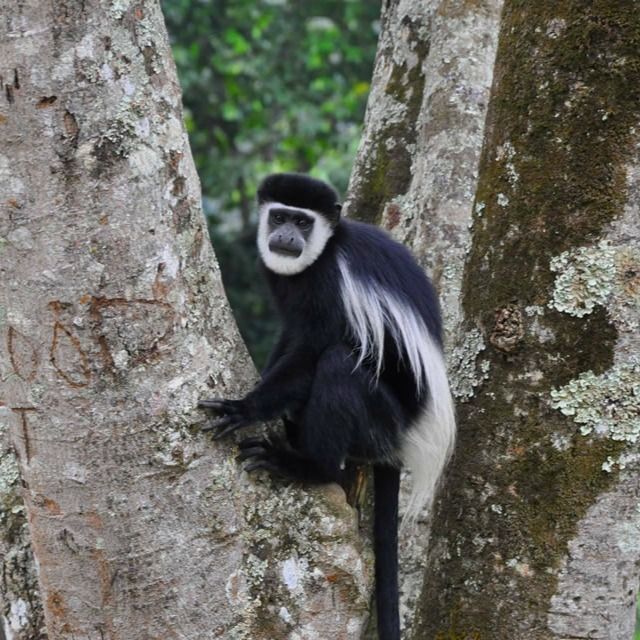
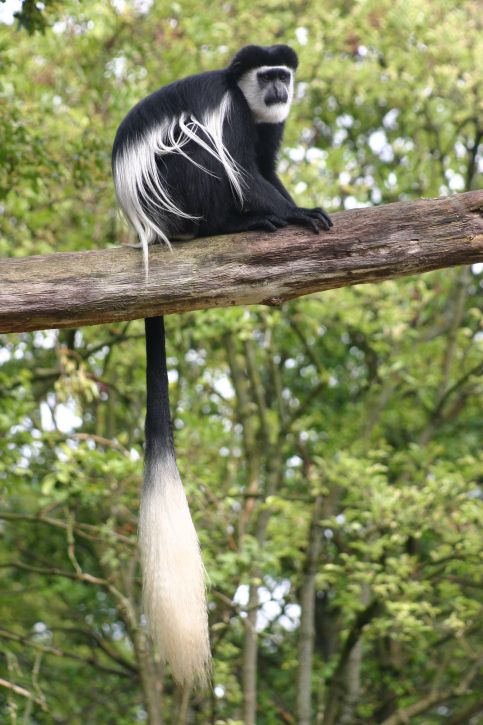
The Black-and-White Colobus (also known as the mantled colobus, Colobus guereza) is a striking arboreal primate. Graceful in posture, they feature jet‑black bodies fringed with long white mantles and a dazzling plumed tail, their movement whisper-quiet among branches. These leaf-eating monkeys lack thumbs, enabling elegant motion through dense forest.⁷³
In Arusha, they thrive amidst riverine forest and gallery woodland, feeding on leaves, fruits, and young shoots. Their striking white faces and halos of fur are often illuminated when sun breaks through the canopy.⁷
3. Where to See Them in the Park
Montane and Riverine Forest Zones
The slopes of Mount Meru and pockets of dense forest—especially in Ngurdoto Crater and along tugulu pathways—are prime habitat for colobus groups. These zones merge leafy shade with open glades and support healthy troops.
Ngurdoto Crater Rim
This volcanic amphitheater, surrounded by forest and grassy wetlands, serves as both colobus viewing ground and scenic walking terrain. Colobus are frequently spotted here perched on strangler figs or feeding in the crater’s forest fringe.³⁴
Momella Lakes Wetlands
The forested edges of the alkaline Momella Lakes provide shaded refuges where colobus troops move and feed in the canopy. Walking or canoeing in the area often yields excellent sightings.²⁸
4. How and When to Observe Colobus
Walking Safaris
Arusha is unique in permitting guided walking safaris, which bring you closer to canopy life. Accompanied by armed park rangers and naturalist guides, you’ll explore dense zones ideal for colobus detection.⁵⁰
Game Drives
Even from the vehicle, colobus monkeys are readily visible—especially near forested roads or crater rim vegetation. Look up and listen for their soft vocalizations echoing through the trees.
Canoe Safaris
Canoeing on the Momella Lakes offers a quieter vantage point: you may spot colobus moving in waterfront trees, with flamingos, fish eagles, and buffalos making the scene magical.
Best Times to Visit
-
Dry season (June–October, December–March): vegetation is thinner, visibility higher, and waterholes more frequented by wildlife including colobus groups.
-
Wet season (March–May, November): forest becomes denser—but colobus may descend lower into browse-rich zones more visible from trails.⁵⁴
5. The Arusha Experience with Great Migration Adventure
Sample 3-Day Itinerary
Day 1 – Arrival & Intro Walk
Drive into Arusha NP, settle into a lodge, then embark on a late afternoon walk along crater rim trails. With forest canopy overhead and forest monkeys beckoning, this is an ideal introduction.
Day 2 – Ngurdoto Crater & Momella Lakes Loops
Morning walk into Ngurdoto’s forest edge to find colobus troops, followed by an afternoon canoe ride on Momella Lakes. Capture reflections of flamingos, buffalo, and possible seated colobus in alders.
Day 3 – Forest Tracks & Gentle Hikes
Choose a guided walking safari into forest patches along Mount Meru’s foothills. Birdlife, colobus groups, duikers, and antelope flourish here. After lunch, depart.
6. What Makes Colobus Viewing Unique Here
-
Consistent visibility: Unlike other parks where colobus are rare, Arusha offers reliable sightings.⁰
-
Close encounters on foot: Silent walking safaris bring you within tree-trunk distance.
-
Scenic backdrop: Mount Meru looms overhead; crater rims and lake shores make for photographic framing.
7. Conservation Values & Cultural Connections
Arusha National Park serves an important role in protecting forest-dwelling primates and supporting biodiverse corridors amid expanding human land use. Visiting helps sustain:
-
ranger patrols and habitat protection for arboreal primates
-
educational outreach supporting conservation knowledge among local schools
-
employment for Maasai guides and eco-conscious lodge operators
We also include cultural visits where Maasai guides share forest lore and local perspectives on wildlife and habitat preservation.
8. FAQs — Colobus in Arusha
Are colobus easy to spot?
Yes—Arusha is the only northern safari park with regular, easy colobus sightings due to a healthy forest population and guided access on foot and near water areas.²³
Do I need special permits or plans?
Walking safaris require a ranger escort, and canoe trips require booking—but both are managed through guided operator packages. No special permits beyond standard park fees.
Are these monkeys endangered?
The mantled colobus is currently listed as Least Concern globally, but is threatened by habitat loss outside protected areas. Arusha provides a safe refuge.⁹
Can children see them?
Absolutely—guided walks are suitable for families with moderate mobility; colobus movements are slower and easier to observe than many primates.
9. Why Choose Great Migration Adventure
We believe great views of forest primates should be matched with great knowledge and comfort. Here’s how we enhance your colobus experience:
-
Local expert guides trained in forest ecology and arboreal primate behavior
-
Custom itinerary design to fit your pace, interests, and accommodations
-
On-foot and canoe-based safari modes combining colobus sighting with immersive nature
-
Responsible tourism practices supporting local livelihoods and park conservation
-
Ideal stability through dry seasons—optimal for walking safaris and quiet wildlife observation
10. Final Thoughts: Forest Giants in Arusha’s Heart
Yes—you can see colobus monkeys in Arusha National Park, and seeing them is a highlight worth planning for. Their long mantles and elegant movement among forest branches, the forest trails alive with birdsong, and the shadow of Mount Meru above—it’s a backdrop that turns a glimpse into a memory.