


Can I Bring Children on Gorilla Treks?
A Comprehensive Guide by Great Migration Adventure
1. Introduction
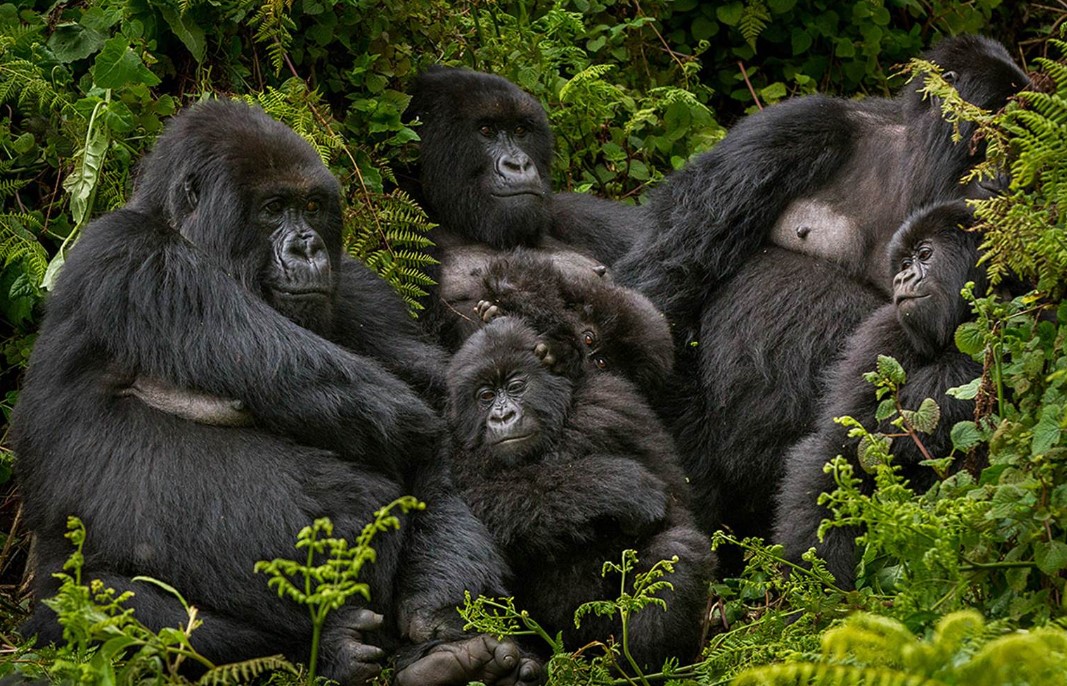
Gorilla trekking in Uganda (Bwindi Impenetrable Forest, Mgahinga) or Rwanda (Volcanoes National Park) is one of the most memorable wildlife experiences available. Many families ask: Can I bring my children along? The answer is yes—under the right conditions and preparations. At Great Migration Adventure, we understand the wonder gorilla encounters bring and guide families carefully through every requirement, guideline, and safety stride to make the experience meaningful and secure for all ages.
2. Minimum Age Requirements
-
Uganda (Bwindi & Mgahinga): Minimum age is 15 years.
-
Rwanda (Volcanoes): Minimum age is 15 years.
These age limits are set by national authorities to protect both the gorillas and young trekkers. Children under 15 are not permitted in the gorilla groups, to minimize risks of respiratory disease transmission and disturbance to the primates.
3. Why the Age Restrictions Matter
-
Health Risks: Gorillas are vulnerable to human illnesses. Children may carry mild coughs or colds that could prove fatal for the gorillas.
-
Behavioral Risks: Young trekkers might unintentionally break silence or act unpredictably in close encounters.
-
Physical Difficulties: Trekking through dense forest to find gorillas is physically demanding. Age limits ensure participants can keep pace and endure the trek safely.
4. Alternative Experiences for Families
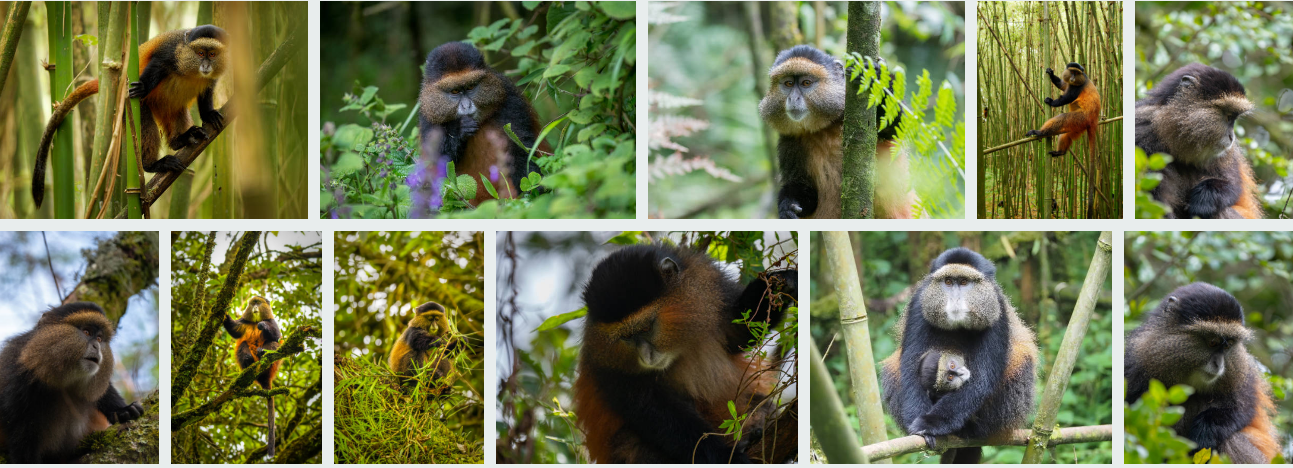
For families with children under 15, there are rich alternatives:
-
Golden monkey trekking (Rwanda/Uganda): Minimum age often lower—around 12 years.
-
Chimpanzee tracking (Uganda’s Kibale or Rwanda’s Nyungwe): Minimum age often 12.
-
Forest nature walks and community experiences: Suitable for younger children under guided supervision.
-
Cultural experiences with local communities: In Bwindi or Rwandan villages.
These options still allow exposure to primates and ecosystems in a way that honors wildlife and aligns with age-appropriate engagement.
5. Selecting the Right Trekking Duration
Trekking durations vary from 1 to 6 hours depending on gorilla group location. Some groups are more habituated and accessible; others require long walks. Ask your operator to assign family-appropriate gorilla groups—those habituated closer to trailheads. It reduces strenuous hiking and increases comfort.
6. Physical and Emotional Preparedness
If your children are 15 or older, take steps to prepare for the trek:
-
Train beforehand: Short hikes or forest walks build stamina.
-
Discuss expectations: Ensure your child understands silence rules, staying close, and assisting in respectful observation.
-
Dress appropriately: Moisture-wicking clothes, waterproof hiking shoes, sun hat, insect repellant, and gloves if needed.
7. Safety Guidelines During Trek
During the trek:
-
Keep group small—no more than 8 visitors per gorilla group, plus ranger guides and trackers.
-
Maintain the 7-meter rule—stay at least 7 meters away from gorillas unless the silverback approaches.
-
Children must remain silent and calm. Any signs of distress or coughing should be reported immediately.
-
Always follow guide instructions—especially regarding slow movements and refraining from feeding cookies or treats to keep focus on respect for wildlife.
8. Health Considerations
Ensure your child has:
-
Completed yellow fever and other recommended vaccinations.
-
No respiratory symptoms for 14 days before the trek.
-
A routine medical check-up to confirm fitness.
-
Travel insurance that covers wildlife-related injuries and medical evacuation.
9. Permit Costs and Budgeting
Gorilla trek permits are priced per person and can vary by season or nationality (foreign non‑resident rates tend to be higher). Add porter fees and park entry costs. Families trekking with children under 15 may still pay for alternative activities (chimpanzee, golden monkeys, guided walks), so budget accordingly.
10. Choosing Family-Friendly Lodges and Camps
Choose accommodations with family comforts:
-
Family cottages or spacious tents.
-
Staff experienced in hosting young trekkers.
-
Communal areas and activities for younger visitors (nature walks, storytelling evenings, batwa cultural visits).
-
High health standards, access to clean water, and medical kits.
At Great Migration Adventure, we tailor lodge selection based on family dynamics and age groups.
11. Packing Essentials for Children
Make sure each teen treker pack:
-
Sturdy hiking boots or waterproof walking shoes.
-
Long-sleeve shirt and trousers (neutral colors).
-
Waterproof layers (rain can occur suddenly).
-
Daypack with water bottle, snack, tissues or toilet paper, hand sanitiser.
-
Insect repellent and sunscreen.
-
Any personal medication.
-
Photocopy of permit or identity.
12. What Happens During the Trek
-
The group meets at the park briefing center; instructions and health and safety are reviewed.
-
Guides and trackers bring the gorilla group into range.
-
When gorillas appear, you’ll have up to one hour to observe quietly and respectfully.
-
If the gorillas move off, the group may follow slowly from a safe distance.
Children must remain calm, still, and quiet throughout—even if gorillas approach closely.
13. Cultural and Community Context
Many parks are surrounded by local communities, like the Batwa in Uganda. Engage children in respectful cultural experiences and learn about local conservation efforts. Younger children may benefit from primate enculturated storytelling and arts—great complement to gorilla trekking for older siblings.
14. Why Families Should Consider Bringing Teens
-
Life-changing experience: Seeing gorillas up close helps shape empathy and conservation awareness.
-
Powerful storytelling: Teens come home with meaningful stories, photographs, and empathy for the natural world.
-
Educational value: Parks provide insights into ecology, biology, and local conservation strategies.
15. Real-Life Family Stories
-
A family of four with two teens (15 and 17) trekked in Uganda’s Buhoma sector. Both children displayed resilience and calm, and the family got an hour-long peaceful gorilla encounter. They later wrote heartfelt thanks for the attentiveness of their tracker who coached their younger daughter when she felt a little nervous.
-
A blended family in Rwanda brought their 15-year-old on the trek and siblings aged 9 and 12 on golden monkey tracking and community walks on the same day—everyone had experiences suited to their energy levels.
16. Preparing with Great Migration Adventure
We assist families with:
-
Selecting suitable gorilla groups (those closest to trailheads).
-
Booking gorilla trek permits in advance (limited availability).
-
Coordinating complementary activities for younger travellers.
-
Providing trained guides familiar with family dynamics.
-
Ensuring packing, health, and insurance needs are fully addressed.
17. When Not to Bring Children
If children are under 15, or have health limitations, or feel anxious walking in dense forest—alternative experiences suit them better without risking well-being or park compliance. Young children may benefit more from batwa cultural experiences, nature walks, and supervised wildlife viewing from lodges.
18. Conclusion
Yes, you can bring children on gorilla treks—if they are aged 15 or older and physically and emotionally prepared. Children under 15 are respectfully excluded to safeguard primate health and meet national park policies.
Alternative options ensure the whole family can engage with East Africa’s natural wonders in age-appropriate ways.
With Great Migration Adventure, every detail is planned to make your family’s safari journey safe, educational, and unforgettable.