

Are There Emergency Medical Services in Parks?
When planning a safari in East Africa or any wilderness destination, the thrill of exploring vast landscapes, encountering wildlife, and immersing in nature is often balanced with questions of safety and preparedness. One of the most common concerns from travelers is whether emergency medical services are available in or near national parks. At Great Migration Adventure, we prioritize not just the wonder of your journey but also your wellbeing and peace of mind. This article explores the availability, structure, and accessibility of emergency medical services in and around the major national parks of East Africa.
1. Understanding the Nature of the Wilderness
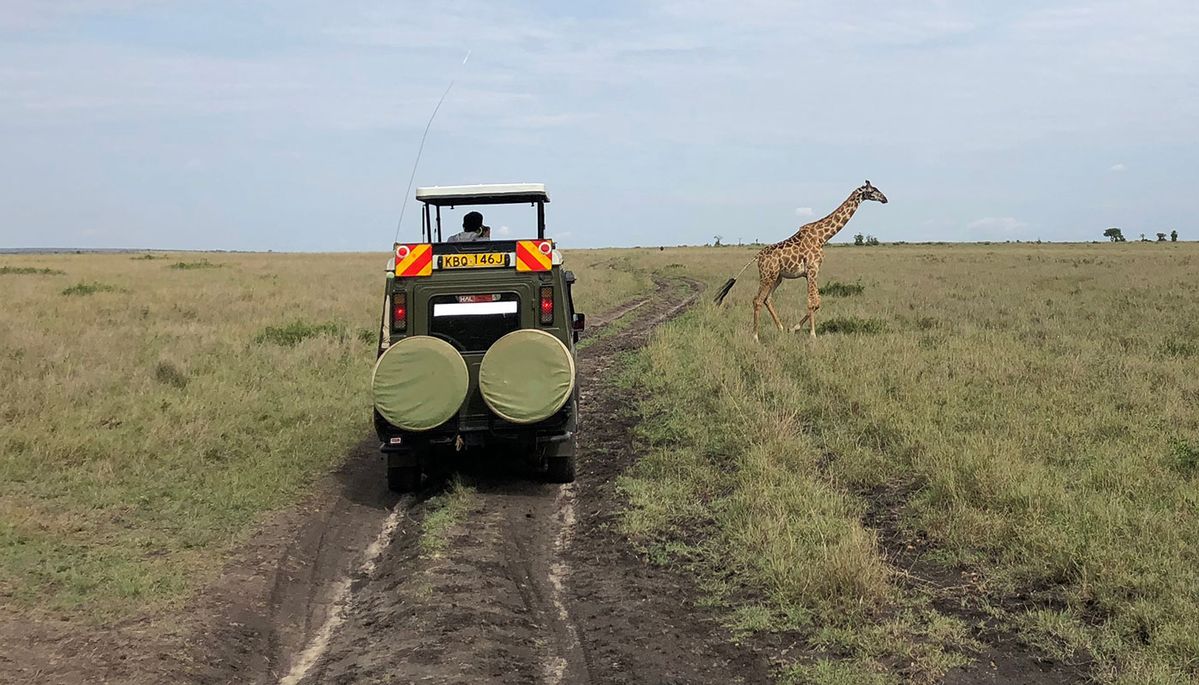
East Africa’s national parks are often located in remote areas, far from major cities or hospitals. These parks are designed to preserve natural ecosystems and allow wildlife to thrive undisturbed. As such, infrastructure like roads, electricity, and hospitals is limited.
However, governments and private operators have recognized the need for safety infrastructure to support the growing number of international and domestic tourists. Emergency response capabilities have been integrated into many park systems, though the level of sophistication and immediacy may vary depending on the location and popularity of the park.
2. Common Health Risks While on Safari
Before delving into emergency services, it is essential to understand the health risks associated with safari travel:
- Injuries from wildlife encounters
- Vehicle accidents on rough terrain
- Dehydration and heatstroke
- Malaria and other mosquito-borne diseases
- Allergic reactions (to plants, insects, or food)
- Gastrointestinal issues from water or food
Being aware of these risks helps both the traveler and the tour operator prepare adequately and respond quickly in case of an emergency.
3. First Line of Defense: Tour Operators and Guides
Tour operators and safari guides often serve as the first line of medical support. At Great Migration Adventure, all our guides receive regular training in:
- First aid and CPR
- Wilderness first responder (WFR) certification
- Handling allergic reactions and dehydration
- Emergency evacuation protocols
Our safari vehicles are equipped with basic first aid kits, and for longer journeys, we ensure we carry medical kits with more comprehensive supplies. Some high-end lodges and mobile camps also employ or retain access to trained paramedics or nurses.
4. Availability of On-Site Medical Personnel
Some luxury lodges and tented camps, particularly those in well-visited parks like Serengeti, Masai Mara, or Bwindi Impenetrable Forest, maintain access to on-call medical personnel. In certain cases:
- Lodges employ nurses or first responders.
- Camps are affiliated with flying doctor services.
- Staff are trained to recognize critical conditions quickly.
It is common for lodges to have a direct line to emergency air evacuation services, and they may assist in pre-hospital care until the patient can be transferred.
5. Air Evacuation Services: The Backbone of Safari Medical Response
One of the most reliable and widely used emergency services in the region is air evacuation. Companies such as:
- AMREF Flying Doctors (East Africa-based)
- Maisha Air Ambulance
- East African Air Rescue
These services offer quick medevac responses to serious incidents. Most travelers purchase a temporary membership with these providers as part of their travel insurance or separately. In an emergency:
- A bush airstrip or clear area is used to land a plane or helicopter.
- The patient is stabilized and transported to the nearest major hospital.
- Services often operate 24/7 with trained flight medics on board.
Tour operators can coordinate this instantly with the air evacuation company and ensure that the process is seamless.
6. Proximity to Hospitals and Clinics
Depending on the park, the nearest hospital or clinic could be:
- 30 minutes to 2 hours away (e.g., parks near towns like Arusha, Nakuru, or Kasese).
- 4-6 hours away in remote parks like Kidepo Valley or Ruaha.
Smaller towns may have basic clinics, while major cities (e.g., Nairobi, Kampala, Dar es Salaam) have full-fledged hospitals with emergency units.
7. Emergency Preparedness by National Park Authorities
Many national park authorities now employ trained rangers and have set up ranger posts that can assist in emergencies. These ranger stations:
- Communicate by radio
- Have GPS and satellite phone access
- Can guide emergency services to your location
In some countries, such as Kenya and Uganda, the park authorities work closely with security forces and Red Cross branches to organize rescues or medical assistance when needed.
8. Importance of Travel Insurance with Medical Coverage
We strongly advise all Great Migration Adventure guests to purchase travel insurance that covers:
- Emergency medical treatment
- Emergency evacuation (air or road)
- Repatriation
- Medical assistance coordination
A small investment in comprehensive insurance can save thousands of dollars in the event of a serious incident. Some credit card travel insurance policies offer basic coverage, but travelers should ensure the policy includes safari-specific risks.
9. What to Do in a Medical Emergency While on Safari
If you encounter a medical emergency during your safari:
- Notify your guide immediately. They will assess the situation and determine next steps.
- Administer first aid if possible.
- Contact base camp or lodge for backup and coordination.
- Evacuate if needed using road transport or call for an air ambulance.
- Provide medical documents or allergy details to the responders.
Tour guides are trained to remain calm, organize logistics, and communicate effectively under pressure.
10. Safeguarding Your Health Before Your Trip
To reduce the chances of needing emergency services, prepare in advance:
- Get all required vaccinations (yellow fever, hepatitis, etc.)
- Take anti-malarial medication as prescribed
- Bring a small personal medical kit
- Declare any allergies or health conditions to your tour provider
- Stay hydrated and follow food safety precautions
11. COVID-19 and Emergency Response
Since the global pandemic, more camps have adopted heightened health protocols, including:
- Isolation tents or designated areas
- Temperature checks and testing
- Coordination with regional health authorities
Medical teams are more aware and proactive about respiratory symptoms and quarantine procedures.
12. Real-Life Experiences and Stories
Many guests are surprised by the swiftness and professionalism of the emergency response in national parks. At Great Migration Adventure, we’ve had clients who suffered mild allergic reactions, minor injuries, or dehydration — and all were managed safely on-site or via quick transport to nearby clinics.
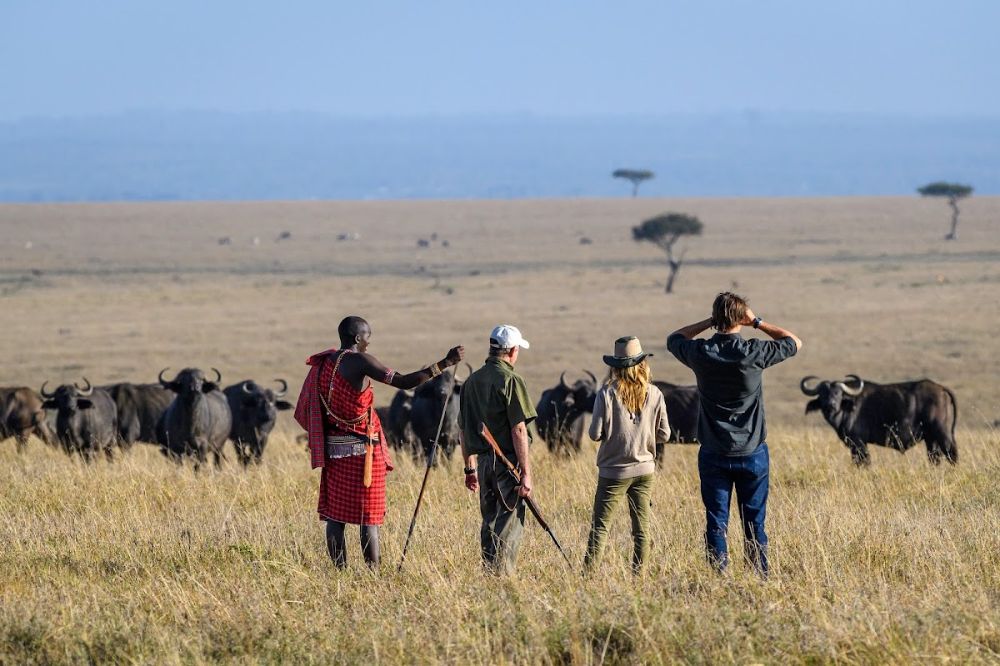
One traveler in Serengeti experienced a fractured ankle during a walking safari. Within one hour, our guide coordinated with a flying doctor service, and the guest was safely flown to Nairobi for treatment. The guest later sent heartfelt thanks, praising the calm, responsive approach of our team.
13. Final Thoughts: Yes, Help Is Available
While no one plans for a medical emergency, knowing that reliable services are in place can provide much-needed reassurance. From trained safari guides and lodge staff to air evacuation services and regional hospitals, East Africa has developed an effective support system for travelers in the wild.
At Great Migration Adventure, we prioritize both your experience and your safety. We ensure that every itinerary is designed with contingencies, support, and emergency contacts in place. Whether you’re tracking gorillas in Bwindi, game-driving across the Serengeti, or birding in Arusha, you’re never far from help should you need it.