

Can I Use Credit Cards in Remote Parks?
When preparing for a safari or wilderness adventure in East Africa, one of the most common yet overlooked questions travelers ask is: Can I use credit cards in remote parks? The short answer is: not always. But the longer and more practical answer dives deep into the realities of remote travel, infrastructure, and financial systems in safari destinations. This article from Great Migration Adventure explores everything you need to know about using credit cards in remote national parks and protected areas across East Africa.
Understanding Remote Parks
Remote parks in East Africa include destinations like Serengeti National Park, Bwindi Impenetrable Forest, Ruaha National Park, Kidepo Valley, Mahale Mountains, and Katavi. These locations are prized for their remoteness, untamed landscapes, and limited tourist numbers, making them ideal for those seeking a wild and immersive experience. However, that very remoteness can often mean limited infrastructure, including financial services.
Credit Card Acceptance in Lodges and Camps
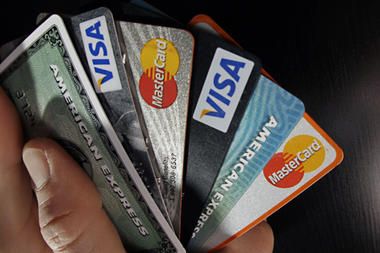
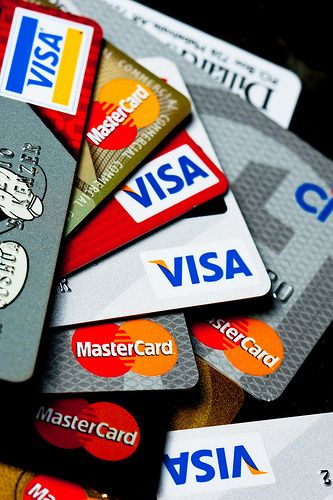
In more developed parks such as the Serengeti or Maasai Mara, many midrange to high-end lodges and tented camps accept credit cards. Visa and MasterCard are the most widely accepted, while American Express is often excluded due to higher transaction fees and limited compatibility with local banking systems. Even in these areas, internet connectivity, power outages, and system glitches can occasionally hinder the use of electronic payments.
In contrast, in ultra-remote parks like Katavi or Kidepo Valley, many lodges and community-run accommodations may operate offline and prefer cash. Some boutique lodges may accept cards but could experience frequent disruptions in connectivity or require card payments to be processed in advance in major towns or online before arrival.
Park Entry Fees and Activities
National park entry fees are typically paid at the gate or in advance. In countries like Uganda and Rwanda, most payments at park gates are processed electronically, and the Uganda Wildlife Authority (UWA) and Rwanda Development Board (RDB) offices accept cards in urban centers. However, in remote areas, you may need to prepay park fees before reaching the gate.
Similarly, extra activities such as gorilla trekking, hot-air balloon rides, or boat safaris may require prepayment through tour operators or local offices in advance. On-the-spot credit card payments at activity sites are less common in remote parks.
Fuel Stations and Convenience Stores
Remote parks may have one or two fuel stations nearby or en route, and most of them do not accept credit cards. If you’re on a self-drive safari, always carry sufficient cash (local currency) to refuel, especially if you’re driving through areas like northern Kenya, western Tanzania, or Karamoja in Uganda.
Convenience stores in remote areas typically deal in cash. While larger towns near national parks may have supermarkets that accept cards, once you venture into park territory or small villages, you’ll find yourself in a cash-only environment.
Tipping Staff and Guides
Gratuities form a significant part of income for many safari guides, lodge staff, and porters. Tipping is generally done in cash, and while some lodges offer the option of tipping via card or adding it to your final bill, this is not standard in all parks. Having cash in small denominations (either local currency or US dollars) is helpful and often appreciated.
What About Mobile Payments?
East Africa has one of the most advanced mobile money ecosystems in the world, with platforms like M-Pesa, Airtel Money, and MTN Mobile Money used widely. In countries like Kenya, Uganda, and Tanzania, even small vendors and rural residents accept mobile payments.
However, mobile money is only accessible to people with local SIM cards and verified mobile wallets. If you’re visiting as a tourist, your ability to use these systems will depend on your phone setup, SIM card registration, and sometimes your level of integration with local payment platforms. Most tourists are better off relying on credit cards and cash.
ATM Access
ATMs are scarce in remote national parks. The last ATMs are usually found in the nearest towns before entering the park. For example:
- For Bwindi Impenetrable Forest: the nearest ATMs are in Kabale or Kisoro.
- For Serengeti: options are in Karatu or Arusha before entering the park.
- For Kidepo Valley: Kitgum or Gulu are the last points with ATM access.
These ATMs may not always be stocked or functional, and international cards might face withdrawal limits. Withdrawals also attract international fees, so plan ahead.
Travel Tips: How to Be Financially Prepared
- Carry Some Cash: Always carry some US dollars and local currency. USD is widely accepted for tourism-related payments in East Africa.
- Use Credit Cards at Major Hotels and Cities: Save your card for use in capital cities, airports, and luxury accommodations.
- Prepay When Possible: Book and pay for accommodations, activities, and park fees in advance.
- Inform Your Bank: Let your bank know you’re traveling to East Africa to avoid card blocks.
- Keep Small Bills: Many remote vendors and staff won’t have change for large denominations.
- Bring a Backup Card: Have at least two different cards in case one fails.
So, can you use credit cards in remote parks? Yes, but with limitations. While East Africa has made great strides in embracing digital payments, remote national parks remain largely cash-driven environments. Credit cards are best used in major towns, luxury lodges, and booking offices before heading deep into the wild.