
Can I Charge Electronics on Safari?
Going on safari in East Africa is an unforgettable adventure that connects you with the wild in a way few other travel experiences can. Whether you are exploring the Serengeti, tracking gorillas in Bwindi, or witnessing the Great Migration in the Maasai Mara, one modern necessity remains ever-present: your electronic devices. Cameras, phones, tablets, drones, power banks, and GPS trackers all enhance your safari experience or help you record and share your memories. But with all this gear comes a pressing question: Can I charge electronics on safari?
The short answer is yes, you can charge electronics on safari. However, the extent to which this is possible and the convenience you can expect varies significantly depending on your choice of accommodation, the type of safari (mobile, lodge-based, or camping), and how remote your location is. This guide from Great Migration Adventure aims to walk you through everything you need to know about keeping your devices powered in the African wilderness.
1. Types of Accommodations and Their Charging Capabilities
Your ability to charge electronics largely depends on where you are staying. Here is a breakdown of the most common types of accommodations and what to expect from each:
Luxury Lodges and Camps
These often come equipped with solar power or generators. In-room charging points are typically available, especially in communal areas. Some high-end lodges even provide universal plug adapters and dedicated charging stations.
Mid-range Camps and Tented Lodges
These usually offer limited charging hours when the generator or solar power is active. Charging may be centralized at the main reception or dining tent. It’s advisable to bring your own adapters and a power bank as backup.
Budget Campsites and Mobile Camping Safaris
Charging may be infrequent or unavailable. On mobile safaris where the camp moves with you, charging facilities are minimal or non-existent. Rely heavily on solar chargers and fully charged power banks.
Self-Drive Safari Lodges and Guesthouses
These accommodations often provide basic charging access, though not guaranteed around the clock. Plan ahead by checking with each location in advance.
2. Electricity Supply in East Africa
Most East African countries use 220-240V electricity with British-style three-pin plugs (Type G). However, some regions use different plug types, particularly in rural or isolated areas. Always carry a universal adapter and a voltage converter if your devices are not rated for 220-240V.
In many safari camps, electricity is generated by solar panels or diesel generators. These setups often run on a schedule, such as morning and evening hours, to conserve energy. Knowing these time windows can help you plan when to charge your devices.
3. Power Outlets and Adapter Tips
- Plug Type: Most countries use Type G plugs, the same as in the UK.
- Adapters: A universal adapter is crucial. It allows you to use your devices regardless of plug type.
- Multi-USB Chargers: A charger with multiple USB ports is a space-saver and allows you to charge several devices at once.
- Surge Protectors: Voltage fluctuations can occur. A portable surge protector can help safeguard sensitive electronics.
4. The Role of Power Banks and Solar Chargers
A reliable power bank is your best friend on safari. Look for one with high mAh (milliamp-hour) capacity, enough to recharge your smartphone or camera multiple times. Here are some recommended devices to carry:
- Power Bank (10,000 – 30,000 mAh): Essential for smartphones, GPS units, and compact cameras.
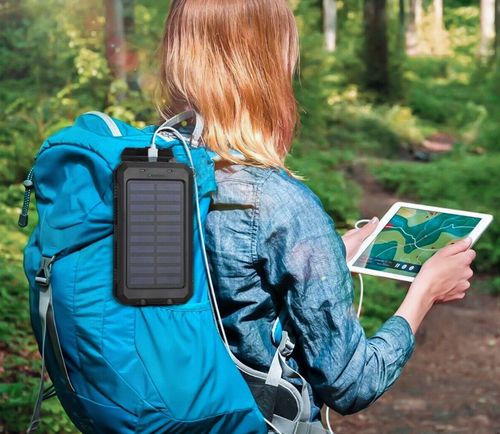
- Solar Power Bank: Offers the convenience of off-grid charging, ideal for multi-day trips with no power.
- Portable Solar Panel Kits: Useful for larger electronics or charging multiple devices. Lightweight and can be attached to your daypack while trekking.
5. Charging Cameras and Photography Gear
For many safari-goers, photography is a top priority. DSLR and mirrorless camera batteries need regular charging, especially with high-resolution shooting. Tips to manage camera power:
- Carry at least two to three spare batteries.
- Turn off image preview and Wi-Fi features.
- Keep batteries warm in cold mornings to preserve charge.
- Label and rotate your batteries to track usage.
- Carry a portable battery charger compatible with your camera brand.
6. Charging Drones and GPS Units
Drones require high-capacity batteries, and depending on the model, charging can take a few hours. If you plan to use a drone, ensure your accommodation supports extended charging sessions. It’s also crucial to carry extra batteries and portable charging units.
GPS devices or satellite messengers also need reliable power. Most of these devices can be charged using USB connections, so multi-port USB chargers or solar panels are ideal.
7. Tips for Safari Travel with Electronics
- Pack Smart: Use waterproof and dustproof cases for all electronics.
- Label Everything: Power cords and adapters can get mixed up in communal charging areas.
- Secure Devices: Always store electronics in locked suitcases or safes when not in use.
- Minimize Use: Limit unnecessary use of devices to conserve battery.
8. Communal Charging Areas and Security
Many camps offer charging only in communal tents or dining areas. These places are usually safe, but it is wise to stay nearby when charging or use a lockable charging case. Avoid leaving valuables unattended.
9. Charging During Game Drives
If you are on long game drives, some safari vehicles are equipped with charging ports (usually 12V or USB). This is more common in luxury or customized vehicles. It’s a good idea to confirm with your tour operator in advance.
Bringing a car charger (USB or lighter socket) can be helpful for self-drive safaris. Always charge devices during transfers or downtime.
10. Charging in Remote Areas and Off-Grid Locations
In places like Katavi, Kidepo Valley, or Mahale Mountains, access to electricity can be sparse. These remote locations may rely solely on solar or limited generator power. Planning becomes essential:
- Bring fully charged power banks.
- Use solar charging during daylight.
- Confirm charging schedules with camp staff.
11. Emergency Communication Devices
Some travelers bring satellite phones or GPS beacons for remote travel. These need charging as well, typically via USB or AC outlets. Have a dedicated power bank just for these devices and limit their use to conserve energy.
12. Safari Etiquette and Charging
It’s courteous not to monopolize charging stations in shared areas. If the camp has limited plugs, take turns and unplug once your device is full. Also, avoid using large appliances like hair dryers or kettles, as they can overload the system.
13. Tech Packing List for a Safari
Here is a checklist of recommended charging-related items to pack:
- Universal adapter
- High-capacity power bank
- Solar charger or panel
- Multi-port USB charger
- Spare camera batteries
- Battery charger for camera/drone
- Surge protector
- Waterproof electronics bag or case
14. Battery and Charging Etiquette with Wildlife
Avoid using flashes around wildlife, not only for animal safety but also to conserve battery life. Turn off devices when not in use and use power-saving modes where possible.
Charging electronics on safari is entirely feasible with the right preparation. The key lies in understanding the type of safari you’re on, the available resources at your accommodation, and having the right gear to stay powered even in the remotest corners of East Africa. At Great Migration Adventure, we guide our guests in advance to prepare for charging needs and ensure their devices remain ready to capture every incredible moment.