What’s the Best Park for Buffalo Herds in East Africa?
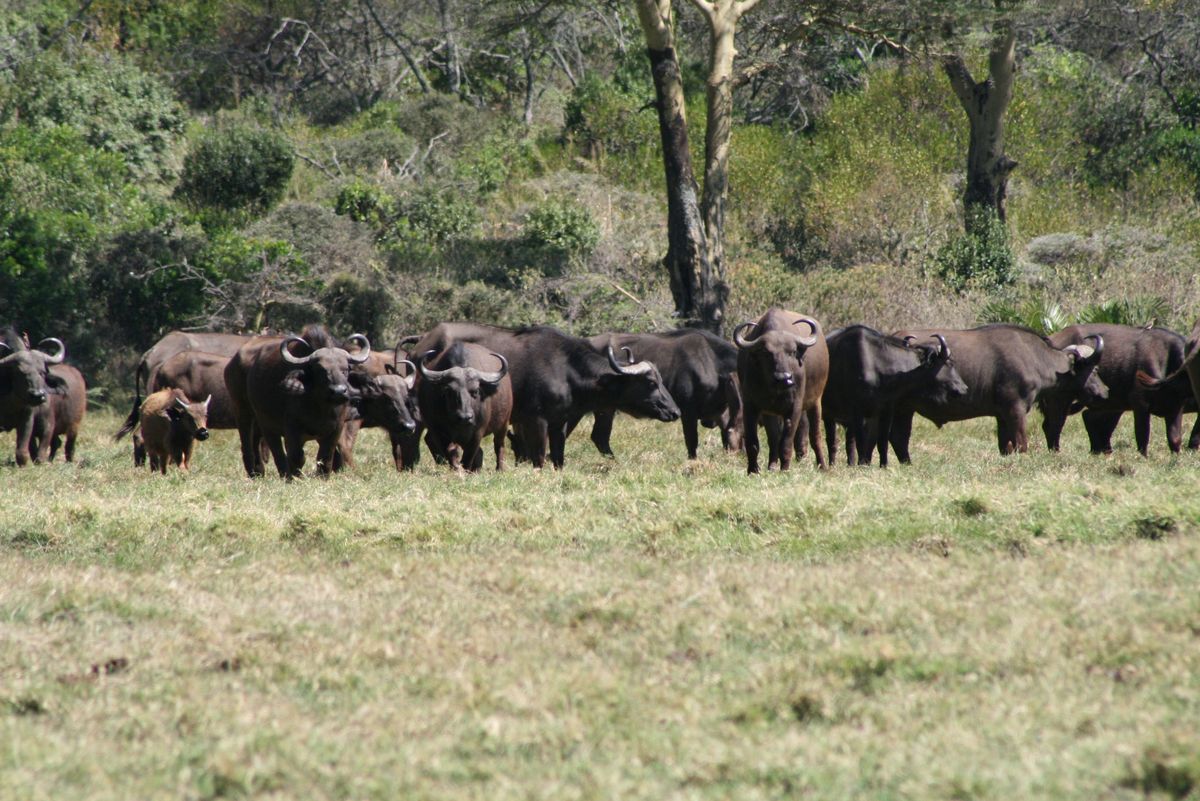
If you’re asking, “What’s the best park for buffalo herds in East Africa?”, the answer centers on habitats where Cape buffalo congregate in dramatic numbers—against a backdrop of migratory rhythms, water sources, and savannah abundance. From vast herds clustering at riverbanks during the dry season to remote wilderness scenes far from crowds, several parks stand out. Among these, the Serengeti (Tanzania), Ngorongoro Crater (Tanzania), Ruaha and Katavi (Tanzania), and Uganda’s Queen Elizabeth and Murchison Falls National Parks rise to the top. At Great Migration Adventure, we specialize in designing buffalo‑focused safaris—identifying the best timing, seasons, lodges, and routes to deliver exceptional encounters.
Why Buffalo Herds Matter
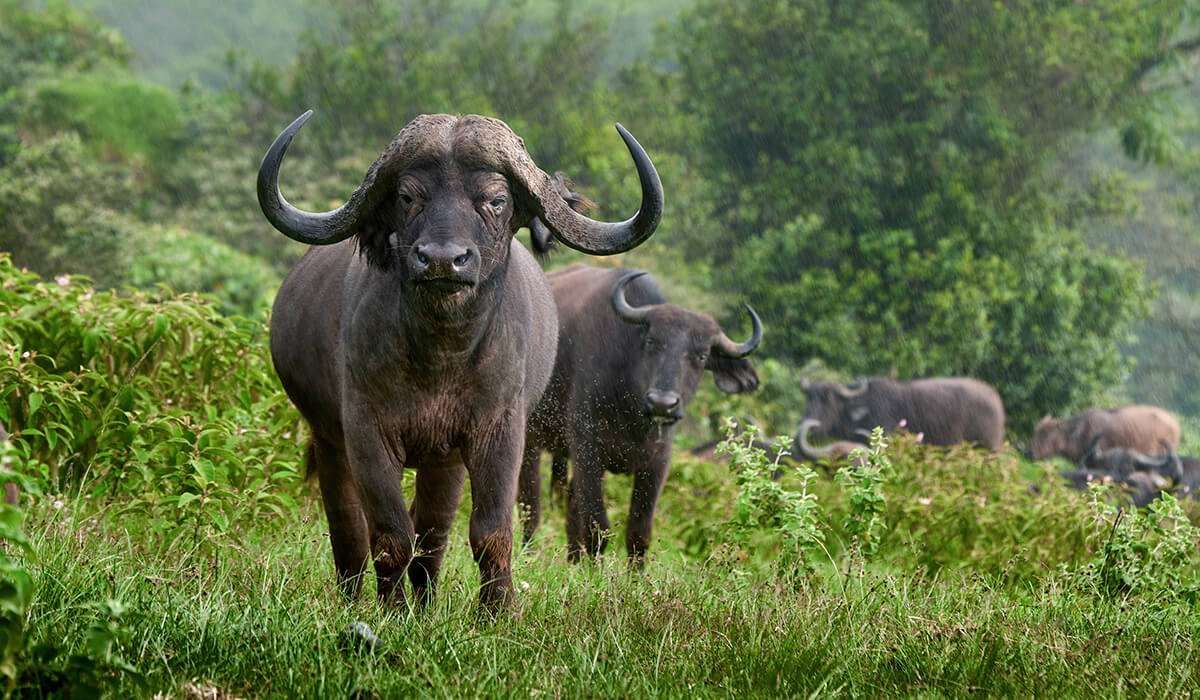
African buffaloes—strong, social, and sometimes unpredictable—are iconic savannah megafauna. Their large herds influence grasslands, support predator dynamics, and create dramatic wildlife moments. Witnessing hundreds or thousands of buffaloes clustered near water at sunset or spread across plains is both visually powerful and ecologically alive.
Top Parks for Buffalo Herd Viewing
Serengeti National Park (Tanzania)
Serengeti is renowned for hosting some of the continent’s largest buffalo populations. These herds track the Great Migration of wildebeest and zebra, gathering in dense clusters during the dry season. Safari drives through woodlands and plains often encounter buffalo herds of hundreds—and at calving season, thousands—set against sweeping grassland vistas. Viewing from vehicles and occasional walking safaris reveal complex behavior, dust‑plume movements, and predator-buffalo dynamics.
Ngorongoro Crater (Tanzania)
This volcanic caldera shelters a resident buffalo population concentrated around crater-floor lakes and grasslands. The crater’s enclosed terrain creates a nearly guaranteed encounter, with large herds often visible at close range. The lush crater environment supports steady grazing and predictable water access year-round, making buffalo tracking especially dependable. Substantial numbers gather at springs and swamp margins—ideal for photography and observational depth.
Ruaha National Park (Tanzania)
Ruaha is East Africa’s largest park and among the least visited. It supports massive buffalo herds—especially along the Great Ruaha River during the dry season. Herds can number hundreds, sometimes more, congregating within riverine woodlands and sandbanks. Late-afternoon river safaris or game drives reveal complex social interactions and dramatic drinking congregations. Ruaha offers immersive buffalo viewing away from crowds.
Katavi National Park (Tanzania)
Known for wild, remote plains and seasonal floodplains, Katavi hosts spectacular aggregations of buffalo—often numbering in the hundreds to low thousands. During dry season, when floodplain water recedes, buffaloes crowd remaining pools and channels. Visitors often witness stampeding herds, mass movement, and wide-open buffalo vistas rarely seen in busier parks.
Murchison Falls National Park (Uganda)
Along the Nile and surrounding grasslands of northern Uganda, Murchison Falls holds substantial buffalo herds grazing plains and congregating at riverbanks. Concentration is highest along both banks of the Nile’s course, especially in Borassus grasslands and open savannah zones. Large mixed herds of buffalo, elephant, and giraffe frequent these zones—especially during dry months.
Queen Elizabeth National Park (Uganda)
Queen Elizabeth NP is one of Uganda’s premier parks for buffalo sightings. Herds thrive in savannah, woodland, and wetlands surrounding the Kazinga Channel. Dry season game drives and boat safaris on the channel deliver up-close, large herds—sometimes numbering in the hundreds. Herd structure includes breeding bulls, females and juveniles, displaying protective, tight-knit behavior.
Kidepo Valley National Park (Uganda)
Remote and under-visited, Kidepo features dramatic herds roaming the Narus and Kidepo plains. Herds are visible at distance across golden grassland under mountain sky. While fewer annual buffalo numbers than in Uganda’s central parks, the isolation and visual scale make for a striking, raw buffalo environment.
Akagera National Park (Rwanda)
Though in Rwanda, Akagera deserves mention—its wetlands and savannah plains near lakes and papyrus swamps support healthy buffalo herds. Boat and ground safaris frequently encounter buffalo near shorelines or moving across savannah fringes—ideal for combined buffalo and hippo boat experiences.
Which Park Offers the Best Buffalo Experience?
For sheer herd numbers and scenic drama: Katavi or Serengeti
Katavi delivers remote wilderness buffalo masses, often recording some of Africa’s densest gatherings outside migration corridors. Serengeti’s herds add connectivity to the mass wildebeest migration, predator interaction, and photographic diversity.
For predictable viewing and variety: Ngorongoro Crater
In a compact, enclosed ecosystem, buffalo are always present, especially near crater lakes and swamps. The crater offers easy access and excellent buffalo observation without long drives.
For combined waterways and buffalo: Queen Elizabeth or Murchison Falls
Wetland systems anchor buffalo viewable by vehicle or boat—ideal for combining with hippo and elephant sightings along rivers.
For wilderness and solitude: Ruaha
Ruaha yields buffalo encounters in solitude: river-edge herds emerging at midday, open plains silent before sunset, and exclusive wildlife moments.
When to See Buffalo Herds
-
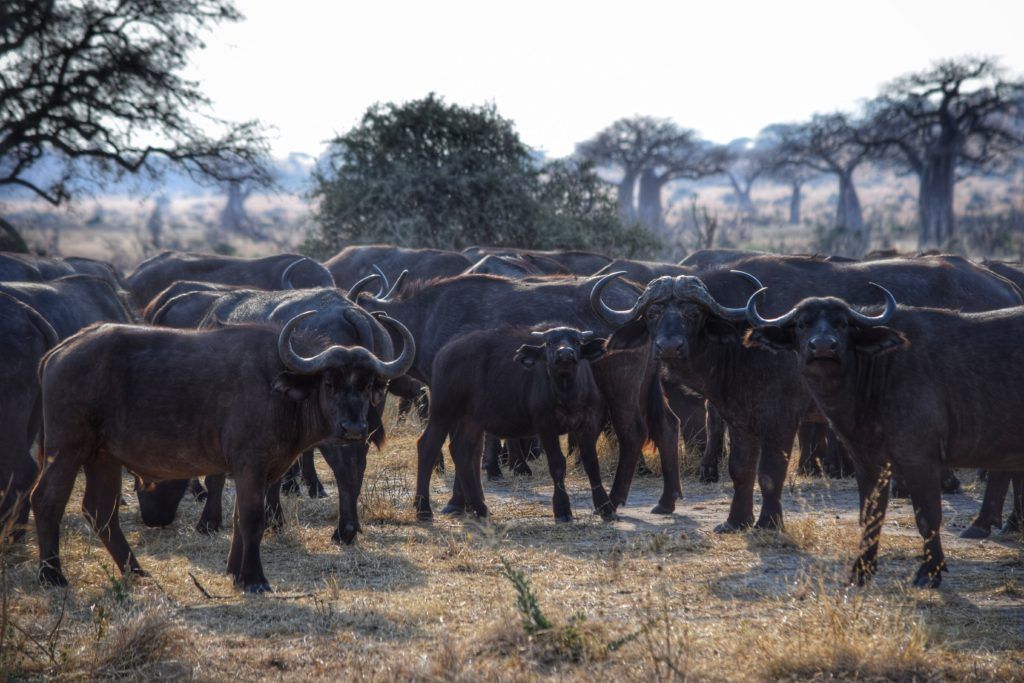
Dry season (June–October, December–February): Water scarcity concentrates herds around rivers, lakes, and permanent sources—making sightings dense and prolonged.
-
Early morning and late afternoon: Buffalo grazing/drinking is most active, followed by resting in shade or wallowing midday.
-
Nd beyond the dry season: While early rains disperse herds, buffalo persist—though less predictable; dry-season access remains prime for guided drives and river viewing.
Sample Itineraries for Buffalo Safari
1. Serengeti & Ngorongoro Buffalo Focused Safari (7 days)
-
Days 1–2: Arrive Arusha, transfer to Serengeti, afternoon game drive spotting herd clusters.
-
Day 3: Full-day drives across central Serengeti plains, observing migration-aligned buffalo herds.
-
Day 4: Early departure to Ngorongoro Crater; afternoon crater drive for buffalo near springs.
-
Day 5: Full crater morning drive, evening transfer back to lodge rim.
-
Day 6: Optional walking or cultural Maasai visit; evening crater sunset buffalo herd viewing.
-
Day 7: Departure.
2. Remote Buffalo Herd Safari in Tanzania (10 days)
-
Days 1–3: Arrive Dar or Arusha; fly to Ruaha, game drives along Great Ruaha River.
-
Days 4–6: Move into Katavi; mokoro or game drives in prime floodplains; witness massive buffalo gatherings.
-
Days 7–8: Return via fly to Serengeti for additional buffalo-herd photography.
-
Days 9–10: Drive to Ngorongoro or Lake Eyasi, enjoy crater safari and departure.
3. Uganda Buffalo Water Safari (6–7 days)
-
Day 1: Arrive Entebbe; transfer to Murchison Falls.
-
Day 2: Morning game drive along northern river bank; afternoon sunset boat safari seeing buffalo and hippo.
-
Day 3: Drive to Queen Elizabeth NP; evening buffalo herd observation on Mweya plains.
-
Day 4: Boat cruise along Kazinga Channel for buffalo group sightings; afternoon game drive.
-
Day 5: Kidepo flight; evening buffalo drive on Narus plains.
-
Day 6: All-day Kidepo safari; evening departure or extended Mburo/forest extension.
-
Day 7: Optional boat or game drive, then return.
Wildlife Behavior & Interpretation
-
Buffalo herd structure includes females, calves, and dominant adult bulls; solitary bulls may form bachelor groups.
-
Herd defense is communal—buffaloes circle calves when threatened. Predator interactions clarify herd bravery.
-
Seasonal movements track forage and water availability; herds move daily between grazing areas and water sources.
Conservation & Ethics
Buffalo conservation requires stable water sources and protection of wetlands. All featured parks have anti-poaching patrols, community engagement, and habitat preservation in place. Great Migration Adventure partners with operators that support ranger training, local employment, and habitat management—ensuring that your buffalo safari supports ecological resilience.
Frequently Asked Questions
Is buffalo viewing dangerous?
Buffalo herds can be unpredictable. However, guided safaris maintain safe distances and expert situational management.
Which park is best in dry months?
Any major park is good: Serengeti and Ruaha in Tanzania, Queen Elizabeth or Murchison in Uganda—dry season brings peak buffalo gatherings.
Are buffalo present year-round?
Yes—they are resident in many parks, though herd visibility and congregation change with seasons.
Are wildlife experiences limited by crowds?
Ruaha and Katavi offer solitude and fewer vehicles; Ngorongoro sees more visitors but herds remain present day after day.
Voices from the Field
Visitors often describe the thunder of hooves crossing plains at sunset, the dust rising as buffalo herd moves en masse, or reflections of buffalo lineups in reflected water pools. In Uganda, Queen Elizabeth boat safaris frequently reveal hundreds of buffalo grazing sharply at channel edges—often accompanied by elephants or waterbuck. In remote Tanzania, guests marvel at uninterrupted buffalo plains and predator‑buffalo interactions under empty skies.
Why Book with Great Migration Adventure?
-
Tailor-made buffalo safari itineraries according to your preferred scale, comfort, and park focus.
-
Insider seasons expertise: we choose timing when buffalo herds are at their densest.
-
Expert guides familiar with buffalo behavior, park habitats and herd dynamics.
-
Seamless logistics: fly‑in counters, remote lodge planning, cultural and photography packages.
-
Responsible tourism: supporting rangers, community tourism initiatives, and wildlife conservation.
While several East African parks offer excellent buffalo encounters, the best depends on what you value most:
-
For massive herds in wilderness: Katavi or Serengeti.
-
For predictable, scenic buffalo settings: Ngorongoro Crater.
-
For river-edge buffalo scenes with hippos and elephants: Queen Elizabeth or Murchison Falls.
-
For dramatic solitude and remote buffalo plains: Ruaha.