
What’s the Best Time for Birding in Uganda?
Uganda is rightly called Africa’s premier birding destination, offering more than 1,000 species across diverse rainforest, wetland, savannah, montane, and papyrus habitats. From the elusive shoebill stork to forest endemics like the African green broadbill and Golden‑winged Weaver, Uganda delivers a spectacular avian showcase. But when is the best time to witness this abundance? The answer depends on your goals: chances for rare forest specialties, high seasonal visibility, or migratory influxes. This guide helps you choose the optimal timing for your birding safari, crafted by Great Migration Adventure to suit your interests, comfort, and wildlife expectations.
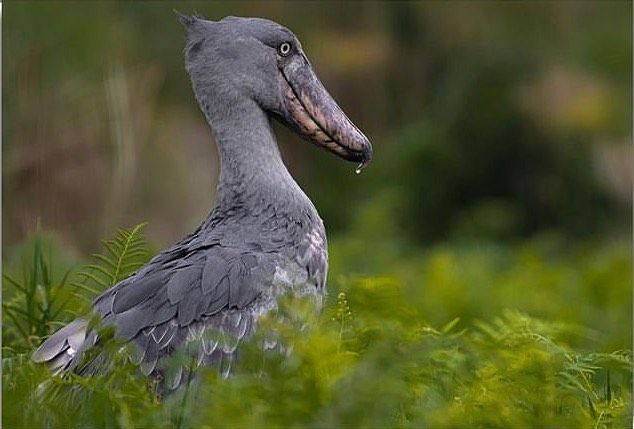
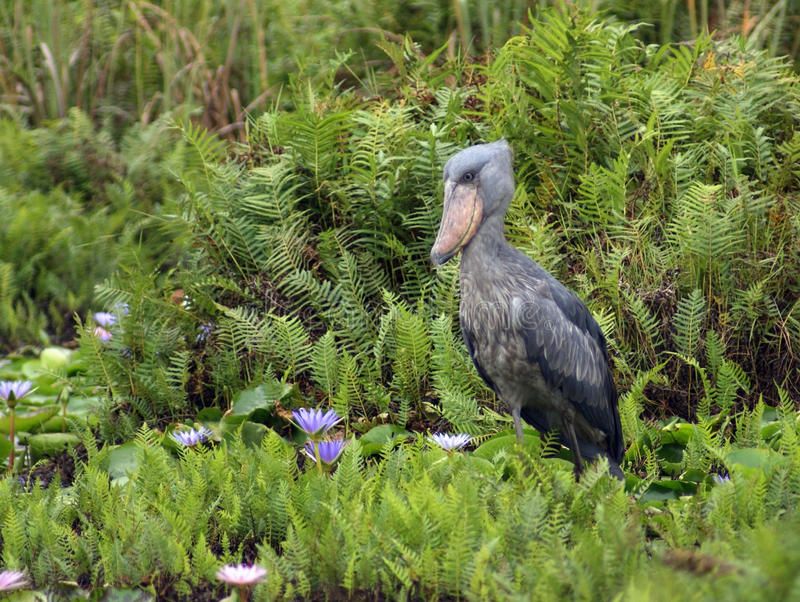
Shoebill Stork
Why Timing Matters
-
Dry versus Rainy Season: Uganda’s seasons shape trail access, bird behavior, and vegetation density.
-
Migratory Movements: Many European, Asian, and intra-African migrants arrive between November and April.
-
Breeding Plumage and Courtship Displays highlight from May to July, especially for forest endemics.
Understanding these patterns ensures your birding experience aligns with the species and behaviors you most desire.
Seasonal Overview for Birding
Dry Seasons — December to February and June to September
These months are widely considered the optimal windows:
-
Dry trails and stable travel conditions—making remote hotspots accessible.
-
Birds congregate at water sources and stay in visible habitats.
-
Breeding activity peaks, offering vibrant displays and vocal birds.
Uganda’s top birding areas during dry seasons:
-
Bwindi and Mgahinga forests (Albertine Rift endemics)
-
Queen Elizabeth NP and Kazinga Channel wetlands
-
Murchison Falls NP along the Nile
-
Mburo, Semuliki, Kibale, and Mabamba Swamp
Wet Seasons — March to May and October to November
Though heavier rain can affect access, wet months also offer unique birding advantages:
-
Rich breeding plumage and nesting behaviors emerge in many species.
-
High vegetation density brings cover-rich forest species into view.
-
Fewer tourists, offering solitude and peaceful birding trails.
Limited access shouldn’t deter birders—especially forest specialists can flourish in these greener months.
Regional Highlights & Their Peak Birding Seasons
Bwindi Impenetrable & Mgahinga Gorilla NP
-
Home to 23 Albertine Rift endemic species, including African green broadbill, Shelley’s crimsonwing, Rwenzori turaco, and Kivu ground thrush.
-
Best months: June–August and December–February for clear trails and peak visibility.
-
Late August to early September, and May–June, showcase breeding plumage and optimum fruiting activity.
-
Migrant species join from November to April for increased diversity.
Dry season drives allow easier forest access; rainy season birding can reward those seeking less-visited trails and immersive forest life.
Queen Elizabeth National Park
-
Uganda’s richest birding site, with over 600 recorded species.
-
Highlights include shoebill, papyrus gonolek, African skimmer, grey-crowned crane, and birds along Kazinga Channel.
-
Best birding: Late May through September and November to April for migrants and breeding activity.
-
March–April brings rich nesting activity and immaculate water-edge sightings.
Sunrise and sunset boating are particularly productive for waterbirds and raptors.
Murchison Falls National Park
-
Hosts over 450 bird species across savannah, forest, and Nile river habitats.
-
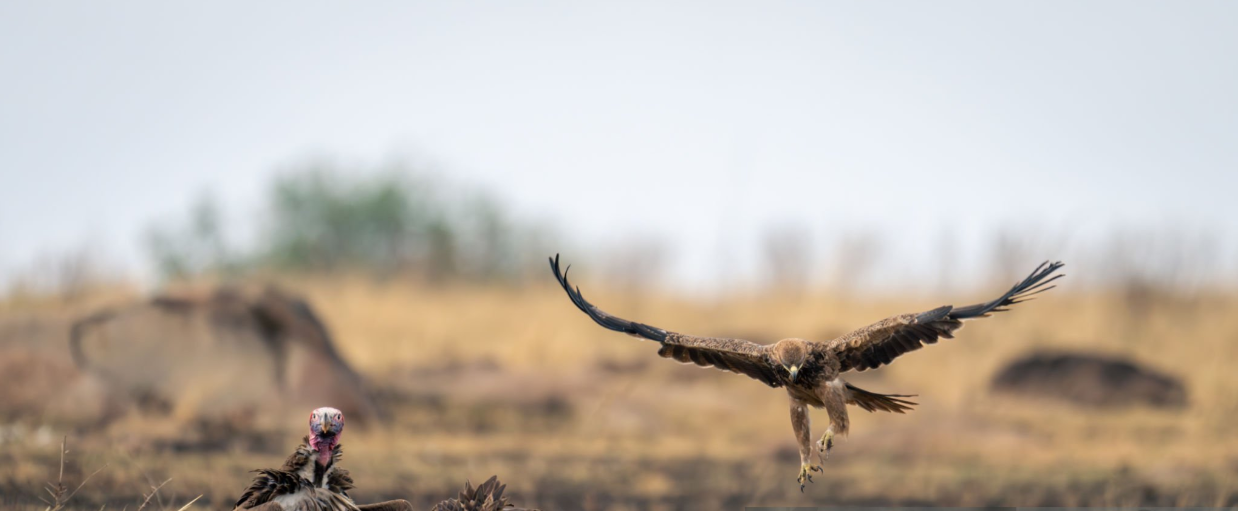
Prime sightings: shoebill, African finfoot, Goliath heron, various raptors.
-
Best time: December–February when riverbanks dry and waterbirds congregate.
-
Wet months remain good for birding but may limit forest trail access.
Kibale Forest
-
More than 370 bird species, with forest specialties like Green-breasted Pitta, white-naped pigeon, and Blue-headed sunbird.
-
Optimal months: March–May and September–November when birds are vocal and foliage lush; dry periods offer easier walking.
Rainy months may complicate access but reward birders with active forest life and breeding sounds.
Semuliki National Park
-
Over 440 bird species, including rare Congo-forest endemics such as Congo serpent eagle, Nkulengu rail, Black dwarf hornbill, and others.
-
Birders’ best time: December to March for reliable trail conditions and easy species spotting.
During rains the forest may be flooded, but bird activity remains strong.
Mabamba Swamp (Lake Victoria Wetlands)
-
A Ramsar-listed wetland and top site for shoebill stork, papyrus birds, and waders.
-
Accessible year-round—but dry season offers stable conditions for early-morning canoe trips and photography.
-
Many visitors report quiet magical encounters with shoebill stillness from boats.
Lake Mburo National Park
-
Over 350 bird species in mixed habitat mosaic.
-
Notable sightings include African finfoot, papyrus gonolek, papyrus yellow warbler, Bare-faced go-away bird.
-
Ideal months: December–February and June–September—less rain and trail clarity make multi-activity exploration easy.
Lake Nakuwa, Kasyoha-Kitomi & Others
-
Kasyoha-Kitomi offers forest birding of blue-headed sunbird, cinnamon long-tailed cuckoo, and more.
-
Lake Nakuwa Wetland System and similar backwaters host papyrus specialists and water bird migratory stopovers.
These habitats are most accessible in dry seasons, although birding can still be strong if planned carefully during shoulder rains.
Choosing the Best Time for Your Birding Goals
Targeting Rare Forest Endemics
Plan for May–June or August–September, when breeding or fruiting draws birds to lower visibility levels and active choruses fill forest air.
Spotting Migratory Species
Visit between November and April, when Palearctic and intra-African migrants freshen the birdlist.
Best Overall Climate and Access
Dry seasons (December–February, June–August) offer the most reliable conditions across Uganda’s varied birding terrain.
For Solitude & Quiet Discovery
Wet months (March–May, October–November) offer empty trails, emerald landscapes, and intimate forest encounters.
Sample 7‑Day Birding Itinerary (Dry Season Focus)
Day 1–2: Entebbe arrival, half-day Mabamba Swamp paddle; afternoon birding at botanical gardens or Lutembe wetlands.
Day3–4: Fly or drive to Bwindi; bird-specific forest walks for Albertine endemics, early starts and misty mornings bring species to life.
Day 5: Queen Elizabeth NP & Kazinga Channel boat safari at sunset and sunrise to capture waterbirds and raptors.
Day-6: Morning in Maramagambo forest or Mweya Peninsula; afternoon and early evening drive through bush savannah birding.
Day 7: Return via Lake Mburo for wetland birding by boat or walk; overnight or transfer onward.
Alternate routing can include Kibale Forest for forest migratory birds or Semuliki for rare Central African species.
Birding Tips & Best Practices
-
Start early: Dawn delivers peak song activity.
-
Carry binoculars and a field guide/app.
-
Dress in muted colors, lightweight, layered clothing.
-
Bring insect repellent, sunhat, water, snacks.
-
Stay patient and listen—many forest species may remain unseen but audible.
-
Record sightings and use local checklists for richer engagement.
Year-round birds are present but guided walks maximize discovery even in greener months.
Adding Value with Great Migration Adventure
-
Custom itineraries focused on your birding targets across Uganda’s IBAs.
-
Expert local guides familiar with seasonal movements and vocalizations.
-
Logistics handled—permits, transport, accommodation, and site access during wet months.
-
Multi-modal trips—canoe, walking, vehicle drives, boat cruises to cover mixed habitats.
-
Support conservation: birding fees help sustain protected wetlands, forests, and local communities.
Conservation & Cultural Significance
Birding tourism funds protected area management, wetland conservation, and local livelihoods in communities surrounding key IBAs. Visitors who come during off-peak months support sustainable tourism where other revenues dip. Additionally, birders who appreciate community-based bird guides support both conservation and cultural continuity.
Voices of Birders
“Saw a shoebill stare like a statue in Mabamba within half an hour of canoeing out—jaw‑dropping.”
“In Bwindi’s misty forest we heard the rich song of Shelley’s crimsonwing clear through the canopy; that memory stays.”
Local guides often recall returning species after rains subside, and migrant arrivals turning freshwater wetlands into kaleidoscopic feeding sites.
Frequently Asked Questions
Is Uganda only bird-rich in certain months?
No—Uganda’s equatorial climate ensures year-round variety, but quantity, accessibility, and breeding behaviors peak during dry and shoulder seasons.
What if I want both forest endemics and waterbirds?
Choose late dry season (June–August) or early dry (December–February)—you’ll see breeding activity, many migrants, and navigable terrain.
Do I need overnight lodging near parks?
Yes—some prime IBAs (Bwindi, Semuliki, Mabamba) require early starts best served by local lodges or camps.
Can non-birders enjoy these outings?
Absolutely—Uganda’s birding groups often mix with cultural visits, forest walks, and wildlife viewing for broader audience appeal.
The best time for birding in Uganda depends on what you seek—from the crystal stillness of a shoebill in Mabamba, to forest-bound Albertine Rift endemics, to the dramatic arrival of migratory flocks. As a rule:
-
Dry seasons (December–February, June–September) deliver optimal visibility, activity, and access.
-
Wet or shoulder seasons (March–May, October–November) offer lush landscapes, nesting displays, guild activity, fewer crowds.
-
November to April brings migrant species; May–July highlight breeding displays and forest vocalizing.
With Great Migration Adventure, your birding safari becomes tailor-made—balancing climate, habitat, species interest, and travel style to deliver your ideal Uganda birding journey.