
Are There Batwa Cultural Experiences in Uganda?
Deep in the highland forests of southwestern Uganda lives one of Africa’s oldest indigenous communities—the Batwa. Once inhabitants of the dense Virunga and Albertine Rift forests, the Batwa have faced displacement but still keep their traditions alive. For curious and conscientious travellers, Batwa cultural experiences offer a powerful opportunity: to walk through their ancestral heritage, learn traditional skills, and contribute directly to their resilience. If you’re asking, “Can I take a Batwa cultural experience in Uganda?” the answer is an enthusiastic yes. Through Great Migration Adventure, we curate authentic, respectful visits that honor the Batwa’s voice, support their community, and align deeply with ethical tourism values.
Who Are the Batwa and Why Their Culture Matters
The Batwa, often referred to as forest pygmies, historically inhabited the primate-rich forests of Bwindi and Mgahinga. Their lives intertwined with the forest: they were hunter-gatherers, herbalists, honey collectors and spiritual custodians of nature. When national parks were created in the early 1990s, most Batwa were evicted—with little compensation—and forced to accustom to agrarian life.
Today, their cultural practices and oral histories face threats of being forgotten. Many Batwa live in poverty on forest peripheries. Cultural tourism initiatives—including forest walks, traditional performances, and craft demonstrations—provide a vital lifeline, funding healthcare, education, and cultural preservation. By visiting the Batwa respectfully, travellers help keep an ancient heritage alive while gaining deep insight into Uganda’s indigenous identities.
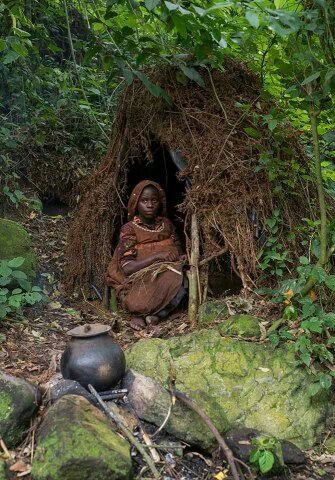
Batwa Women
Types of Batwa Cultural Experiences
1. The Batwa Trail Experience (Forest Walk & Heritage Trail)
Operated near Bwindi Impenetrable and Mgahinga Gorilla National Parks, the Batwa Trail is a guided cultural forest walk led by Batwa community members. It typically lasts 3–5 hours and includes:
-
Trekking through old-growth forest, visiting shelters, caves, or forest clearings once used as spiritual or ritual sites.
-
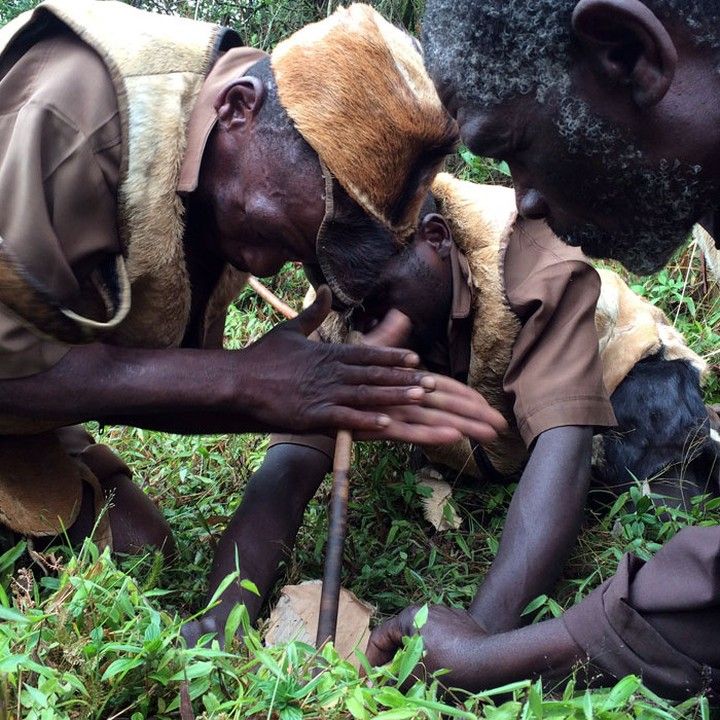
Demonstrations of traditional techniques: making fire by rubbing sticks, trapping animals, gathering herbal medicines and honey.
-
Visits to reconstructed Batwa huts, learning about construction and forest resource use.
-
A finale with traditional singing, drumming, and dancers—a powerful expression of forest heritage and community history.
This experience merges forest immersion with heritage preservation, offering both learning and empathy.
2. Batwa Community Village Experiences
Near villages bordering the national parks, visitors can engage in half-day or full-day Batwa community experiences that include:
-
Visiting Batwa homes, observing daily routines and learning about their livelihoods since displacement.
-
Observing or participating in craft-making: weaving baskets, mats, and raffia goods using traditional materials.
-
Watching local healers explain herbal remedies drawn from forest plants.
-
Traditional dance, music and storytelling performances that recount their way of life, myths, and legends.
These village visits strengthen economic links by placing proceeds in Batwa hands, funding schools, clinics, and cultural programming.
3. Heritage and Combined Primate Itineraries
Many travellers combine Batwa experiences with gorilla treks and golden monkey walks. Often, a morning gorilla trek is followed by an afternoon Batwa trail or cultural visit. This sequencing offers both primal wildlife immersion and thoughtful cultural interaction in a single day of travel, making cultural tourism seamlessly complementary to natural exploration.
Locations Where Batwa Experiences Take Place
Bwindi Impenetrable Forest (Buhoma, Rushaga, Nkuringo, Buhoma Craft Banda)
This region hosts multiple Batwa activity zones:
-
The Buhoma area offers the Batwa Experience alongside visitor centers—walks, performances, and craft sessions.
-
In Rushaga and Nkuringo, villagers organize guided forest trails, visits to community craft workshops, and traditional ceremonies.
-
The Buhoma Craft Banda serves as a focal meeting point for bookings and community-led operations.
Mgahinga Gorilla National Park (Garama Cave & Heritage Trail)
Here, the Batwa Trail leads through forest paths up to Garama Cave, once a traditional leadership site. Along the walk:
-
Guides explain forest customs, herbal knowledge, and bow-and-arrow hunting skills.
-
In Garama Cave, guests experience echoing ritual songs reflecting spirituality and loss.
-
The trail ends with dance and drumming on a hillside overlooking the Virunga volcanic peaks.
This setting connects forest conservation, Batwa identity and living performance.
Semi‑Remote Outposts (Buninga forest, local villages near Lake Bunyonyi)
Other community-based initiatives include cultural encounters in smaller Batwa settlements near Bwindi and Mgahinga, where craft cooperatives, weaving workshops, basic homestays, and nature walks are offered.
What to Expect on a Batwa Cultural Tour
These experiences emphasize:
-
Learning by doing
Guests forage for forest foods, learn fire-making, try building shelter or weaving baskets. -
Forest storytelling
Elders share myths, forest lore, migration stories, and the meaning of rites. -
Performance art
Dance and song—sometimes performed in caves, open courtyards, or at village centers—offer emotional and symbolic narratives. -
Handcrafted souvenirs
Visitors may purchase crafts made by Batwa women, including sisal bags, honey, mats and traditional carvings, with proceeds supporting the community. -
Cultural humility
Tours explicitly encourage listening, asking respectfully, and avoiding gimmicks. -
Community reinvestment
Tour revenues support education scholarships, healthcare access, and infrastructure improvements through Batwa-led savings groups or local trusts.
Best Time and Duration
-
Experiences are available all year, though dry season (June–August, December–February) offers firmer trails, easier for forest walks.
-
The forest trail alternates can take 2–5 hours, depending on route and pace.
-
Village-based experiences typically last 2–3 hours, with optional deeper half- or full-day sessions.
-
Many visitors pair cultural experiences with primate trekking, often scheduling them the same day for a full and enriching itinerary.
Sample Multi-Day Itinerary Including Batwa Experiences
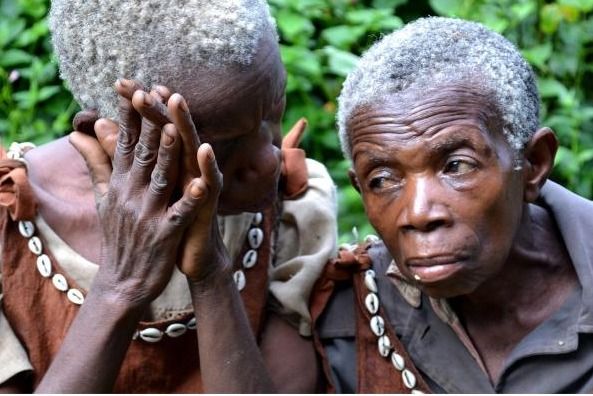
Batwa People
Day 1: Arrive Entebbe or Kampala; fly or drive to gorilla country in southwest Uganda; settle into lodge near Bwindi or Buninga.
Day-2: Early morning gorilla trek in Bwindi forest; afternoon Batwa Trail experience with guided forest walk and cultural reflections around traditional drum performances.
Day 3: Optional walking safari or golden monkey trek in Mgahinga; afternoon visit to a Batwa village for craft demonstration and herbal medicine session.
Day-4: Break day with birding, village school visits or cultural talks, then drive to Queen Elizabeth Park or onward.
This combination provides wildlife, wellness, culture and direct empowerment of Batwa communities.
Conservation & Social Justice Perspective
Batwa cultural tourism is not just performance—it’s a practical mechanism for community resilience:
-
Historically, Batwa suffered eviction without land rights or compensation, leading to poverty, poor healthcare, and reduced life expectancy.
-
Cultural tourism injects income directly into Batwa households, funding education, health services, and small enterprise projects.
-
Initiatives such as rebuild village housing near lodges, craft cooperatives and heritage trail training centers restore dignity and agency.
-
Participation is community-led—from guide training to event planning—ensuring ownership isn’t extractive.
Choosing a social-justice aligned operator ensures that cultural experiences empower, rather than commodify, the Batwa.
Frequently Asked Questions
Is it respectful to visit the Batwa communities?
Yes—when conducted ethically. Seek experiences where community members guide, where proceeds benefit them, and where tradition is shared honestly rather than staged.
Are children appropriate for these visits?
Yes—children over around 6–7 years old can join shorter cultural walks; full-day forest hikes may be too strenuous for very small children.
Can such experiences be combined with gorilla trekking?
Yes—they often complement primate treks. Some operators offer full-day combined safari + trail itineraries.
What level of walking fitness is required?
Forest trails vary; most are moderate in difficulty. Village visits require minimal walking and are accessible to most travellers.
Is it possible to stay with Batwa households?
Most cultural experiences do not involve overnight homestays but may visit nearby villages. Homestays are rare and must be arranged ethically.
Voices from Travelers and Batwa
“The Batwa forest trail felt spiritual… our guide showed me how to find edible roots and herbs I never would have noticed.”
“Their songs echoed inside the cave—I felt the weight of displacement and resilience in every step.”
“We purchased sisal baskets from women we met after the walk, knowing the money was going to their families first.”
Batwa elders and guides frequently remark that sharing their stories helps keep languages, forest memory, and identity alive for younger generations.
Why Book Batwa Cultural Experiences Through Great Migration Adventure
Great Migration Adventure ensures:
-
Ethical partner selection —we work only with Batwa-led or cooperative-run tourism experiences that give back to their community.
-
Tailored itineraries —balancing cultural, natural and wildlife interests with appropriate pacing and timing.
-
Community support —tour fees contribute to education, health, cultural preservation and livelihoods.
-
Responsible framing—pre-trip materials advise respectful behavior, cultural context, and guide support.
-
Quality combined experiences—we integrate Batwa visits into primate, wildlife and birding itineraries seamlessly.
Yes—you can experience Batwa cultural tourism in Uganda. These encounters offer immersive learning, emotional depth, and the chance to support one of Africa’s oldest indigenous communities. With Great Migration Adventure, your journey becomes more than tourism: it becomes solidarity, story‑telling, and support for cultural survival.