Can I Visit Semuliki National Park?
Semuliki National Park lies hidden within the remote western edge of Uganda, where the Rwenzori foothills meet the Albertine Rift, and lowland rainforest merges with open savanna. As one of East Africa’s richest ecosystems, this wilderness invites exploration—and the short answer to “Can I visit Semuliki?” is a resounding yes. With Great Migration Adventure, you can embark on a safe, insightful, and deeply immersive journey into one of Uganda’s most biodiverse realms.
Overview of Semuliki National Park
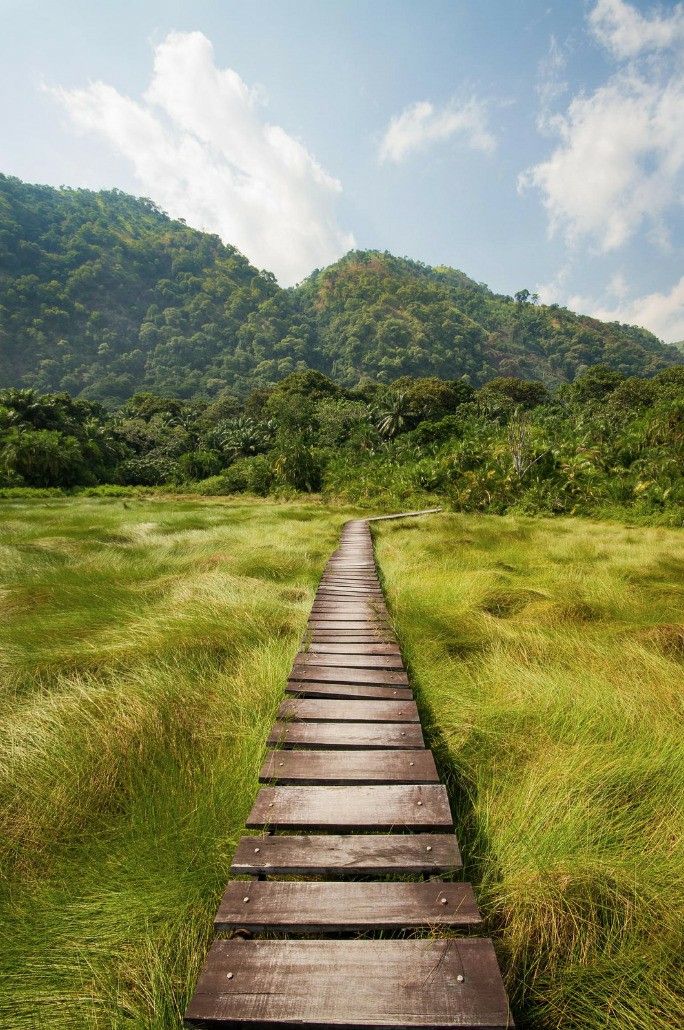
Established in 1993, Semuliki National Park covers roughly 220 km² of forest and floodplain wilderness. It’s the only lowland rainforest in East Africa, hosting over 8 primate species, 53 mammal species, nearly 441 bird species, and some of the region’s rarest butterfly and plant life. This park represents a meeting point of Central African and East African flora and fauna, making it a biodiversity gem that remains relatively untouched by mass tourism.
Semuliki National Park
Why Semuliki Is Worth Visiting
Biodiversity & Ecosystem Uniqueness
The park harbors a staggering diversity: over 400 bird species (many Albertine Rift forest endemics), abundant primates such as grey-cheeked mangabey, black-and-white colobus monkeys, and De Brazza’s species, forest elephants, buffalo, sitatunga, and rare butterflies and amphibians.
Remoteness & Serenity
Unlike Uganda’s more visited parks, Semuliki remains undiscovered by most travelers. This isolation invites a peaceful, crowd-free safari—one where forest trails lead to volcanic hot springs, wildlife sounds carry through canopy, and cultural encounters unfold in quiet villages
Geological Wonders
At the heart of the park lie the Sempaya hot springs—one male and one female pool—with steaming geysers and boiling mineral-rich waters reaching over 100 °C. Visitors may even boil eggs or bananas in the female spring, all while soaking in Rift Valley views and a forest alive with wildlife.
Cultural Heritage & Local Community
Surrounding Semuliki are communities of the Batwa (forest hunter-gatherers), Bamba, Bakonzo, and Babwisi people. Guided visits connect travelers with Batwa traditions, medicinal plant knowledge, folk songs, dances, farming systems, and identity—an opportunity to support cultural continuity and respectful tourism
How to Reach Semuliki National Park
Semuliki lies approximately 5–6 hours by road from Kampala via Fort Portal, then winding toward Bundibugyo. Access is via a remote entry at Sempaya Gate, located 5 km inside from Ntandi headquarters. The final stretch is on gravel roads; 4×4 vehicles are strongly recommended, especially in rain season when roads can become muddy or impassable.
Alternatively, light aircraft can land at the Semuliki airstrip near the park boundary, enabling faster access directly to camps or lodges near the reserve forest fringe.
Best Time to Visit
Semuliki is accessible year-round, but the dry seasons (June–August and December–February) provide the best wildlife visibility and more reliable trail conditions. Birdwatching peaks year-round, although migratory species arrive between November and March. Rain seasons bring lush vegetation but can disrupt access and increase insect activity .
Activities You Can Enjoy
Birdwatching & Wildlife Viewing
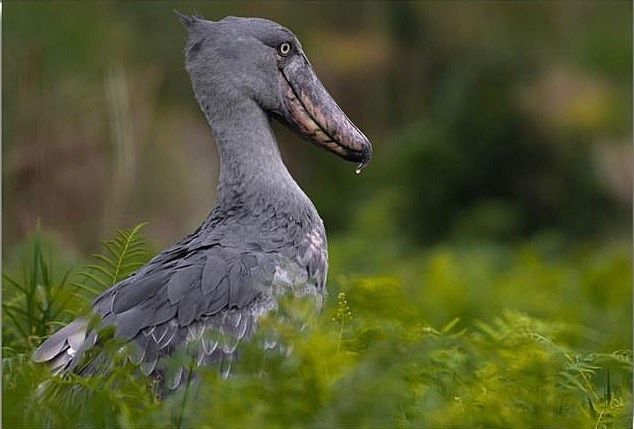
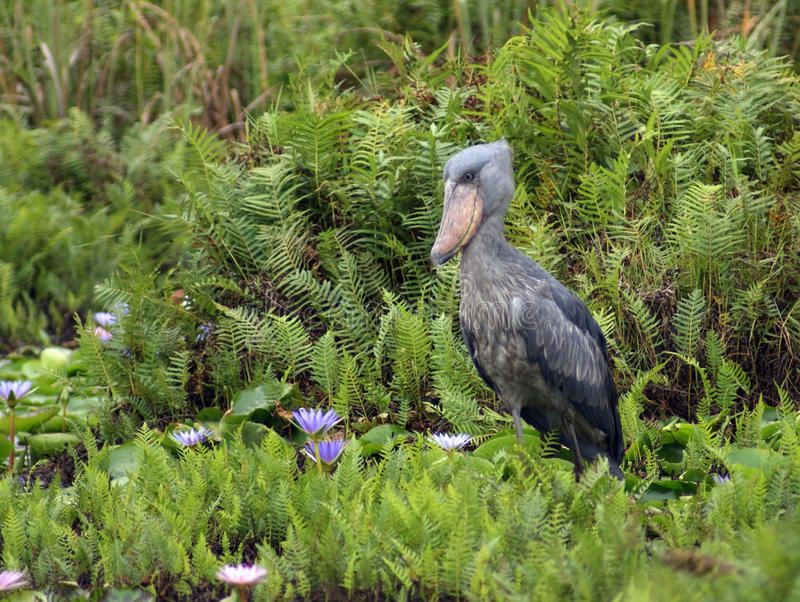
Semuliki boasts over 440 recorded bird species—many forest endemics (e.g. shoebill stork, Nkulengu rail, Congo serpent eagle, hornbills, turacos) visible along Kirumia, Ntandi, and Sempaya trails. Expect a satisfying blend of forest and wetland species in one visit.
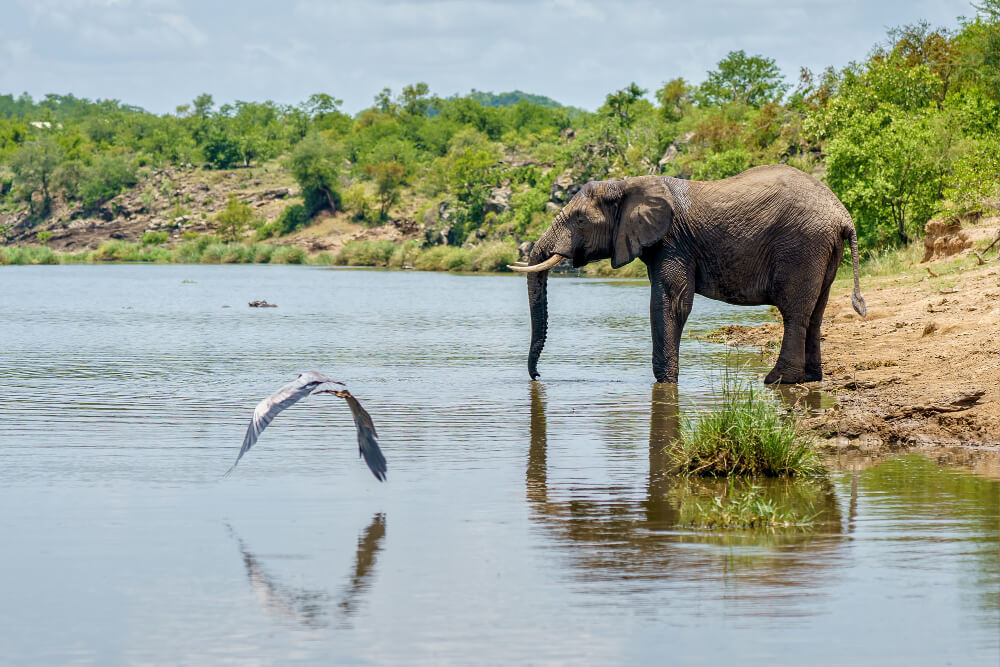
Large mammals are more elusive but include forest elephants, waterbuck, forest buffalo, sitatunga antelope, duikers, and hippos along rivers or lake margins. Leopard sign is occasionally noted in savanna and riparian areas.
Primate Walks & Rare Radial Encounters
Semuliki hosts at least eight primate species: grey-cheeked mangabey, red-tailed and vervet monkeys, black-and-white colobus, De Brazza’s monkeys, and chimpanzees in remote forest zones. Guided treks along Red Monkey and Sempaya trails allow close encounters with these agile canopy dwellers.
Semi-habituated chimpanzee groups exist but official trekking is limited. Eventually habituation may allow future small-group treks under ranger guidance .
Hot Springs Exploration
The iconic Sempaya hot springs—Nyasimbi (female) and Bintente (male)—are accessible via guided forest trail, culminating in steaming geothermal vents where local guides demonstrate boiling of food in minutes. The boardwalk allows safe viewing and interpretive cultural stories around spring lore and rituals.
Nature Walks & Hiking Trails
Trail options range from:
-
Sempaya Trail (8 km): 2–4 hours, passes hot springs, monkeys, birds
-
Red Monkey Trail (11 km): 3–4 hours, targets De Brazza’s along river
-
Kirumia Trail (13 km): 8-hour forest and river trek with birding and vista views to Lake Albert
Guided by park rangers with interpretive expertise, these walks deliver immersive forest experience and local ecological storytelling.
Boat Cruises on Lake Albert & Semuliki River
Short boat trips on Semuliki River connecting to Lake Albert offer close encounters with waterbirds, hippos basking near shores, and crocodiles. Morning departures provide light for photography and provide scenic insights into Rift escarpments and coastlines.
Cultural Immersion with Local Communities
Engage with the Batwa and other ethnic communities in local villages bordering the park. Tours include traditional dance, storytelling, medicinal plant walks, forest resource knowledge, and artisan crafts—supporting community livelihoods and cultural recognition.
Sample 7-Day Itinerary Featuring Semuliki
Day 1: Drive from Kampala via Fort Portal to Bundibugyo area—settle at lodge near park.
Day-2: Morning birding walk along Ntandi trails; afternoon nature hike toward Semuliki River.
Day 3: Full Sempaya trail hike, visit hot springs, soak in forest life and primate sightings.
Day-4: Optional boat trip on Lake Albert/Semuliki River; ritual egg boiling; sunset birdwatch.
Day 5: Red Monkey or Kirumia trail hike; forest primates and aquatic birdlife exploration.
Day-6: Cultural visit to Batwa or Babwisi villages; narration on ancestral forest use.
Day 7: Final forest walk or birding shift; return via scenic escarpment views to Fort Portal or onward safari to Kibale or Queen Elizabeth.
This itinerary can be extended to integrate primate trekking in Kibale, big-game safari in Queen Elizabeth NP, or scenic extension into Rwenzori Mountains.
Conservation & Ecotourism Context
Semuliki is part of the Albertine Rift Ecosystem, one of Africa’s top biodiversity hotspots. It includes forest elephants, primates, forest antelopes, rare birds, and many endemics. Tourism and park management operate in partnership with Uganda Wildlife Authority, local communities, and conservation research institutions like the Institute of Tropical Forest Conservation. Visitor impacts are minimized through controlled trail use, community-based tourism, and habitat protection .
The Shoebill Stork in Semulik
Local people—especially the Batwa—have historic ties to the forest. Engaging respectfully in cultural visits supports heritage preservation and livelihood diversity. Great Migration Adventure works only with operators who support conservation fees, local employment, and forest watershed health.
Highlights to Expect
-
Birding brilliance: expect over 400 bird species including forest specialties like shoebill, turacos, hornbills and endemic passerines.
-
Primate encounters: grey-cheeked mangabeys, colobus monkeys, De Brazza’s, baboons, and possibly chimpanzee viewing.
-
Hot springs experience: geothermal wonders with boiling vents and a folklore-rich setting.
-
Forest immersion: guided hikes into evergreen canopy, swamp forest, and river corridor habitats.
-
Cultural exchange: Batwa storytelling, traditional crafts workshops, rituals and forest medicine.
-
River safari: peaceful boat rides with hippo and riverine bird sightings against Rift Valley scenery.
What to Pack & Tips
-
Comfortable walking shoes or boots for muddy and forest terrain
-
Long-sleeve light clothing and insect repellent for humidity and mosquitoes
-
Rain jacket or poncho for unpredictable showers
-
Binoculars and bird guide or app if you’re birding
-
Water bottle, sunscreen, hat, snacks
-
Camera with zoom lens and extra memory
-
Modest contributions for community encounters, made respectfully through guide channels
Safety and Visit Conduct
-
All guided hikes and boat trips are led by experienced park rangers
-
For your safety and wildlife protection, stick to marked trails and avoid shortcutting sensitive zones
-
Boating is conducted at safe distances from hippos and crocs—avoid swimming or disembarkment in waterways
-
Cultural visits are arranged in partnership with community organizations and respect participation consent
-
Always inform guides of any health or mobility limitations for proper planning
Frequently Asked Questions
Is Semuliki too remote or challenging to reach? Not at all—with 4×4 vehicle or regional flight, visits are accessible and ideal for travelers seeking off-grid wilderness.
Can I see chimpanzees at Semuliki? Official trekking is limited now, but habituation efforts are under way. Chimp sightings may be possible with seasonally updated permissions.
Is accommodation available? Yes—from basic campsites at park headquarters to mid-range lodges like Semuliki Safari Lodge and Kirumia guesthouses near entry points.
Can families or less fit individuals manage trails? Yes—short trails (2–3 hr) and gentle boat rides suit most, with longer hikes optional. Activities are tailor‑paced.
Is wildlife dense? Forest mammals are often skittish—but guided walks and local knowledge significantly increase sightings.
Guest Impressions
Visitors describe Semuliki as “a rainforest untouched by time,” where dawn birdcalls echo before bustle, and ancient trails reveal monkeys leaping overhead. One guest recounted the eerie spectacle of a dozen hot-spring geysers cracking through swamp forest into the mist, while another remembers the quiet boat glide along Semuliki River as a hippo herd cooled below the canopy.
Why Book with Great Migration Adventure?
-
Tailored itineraries focused on forest, birding, culture, or photo priorities
-
Trustworthy logistics: permits, transport links, guide liaison, accommodation booking
-
Ethical partnerships: community hosts, conservation-driven operations, Batwa inclusion
-
Expert guides interpreting forest ecology, bird behavior, tribal narratives
-
Seamless safari routing: integrate Semuliki with Uganda’s primate parks or Rift Valley highlights
Yes—you can visit Semuliki National Park. Beyond that, expect to discover East Africa’s rarest rainforest ecosystem: a place of humming biodiversity, ancient springs, silent forest giants, cultural threads, and bird-filled skies. A journey here is for curious travellers seeking depth, reflection, and connection.