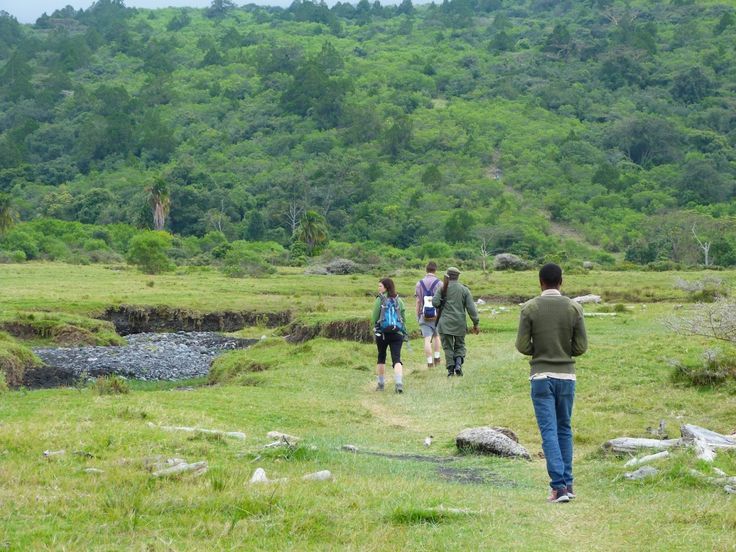
Can I Do Guided Walks in Arusha National Park?
There’s something deeply immersive about setting foot into wilderness—especially when wild animals roam freely and the rhythm of nature becomes palpable under each step. Unlike most Tanzanian national parks, Arusha National Park offers guided walking safaris—a rare opportunity to experience wildlife on foot. If you’re asking “Can I do guided walks in Arusha National Park?” the answer is a clear and enthusiastic yes. At Great Migration Adventure, we design experiences that incorporate these guided walks, blending intimate exploration with smooth safari logistics, enriching interpretive learning, and a profound connection to East Africa’s wild mosaic.
Why Choose a Guided Walk?
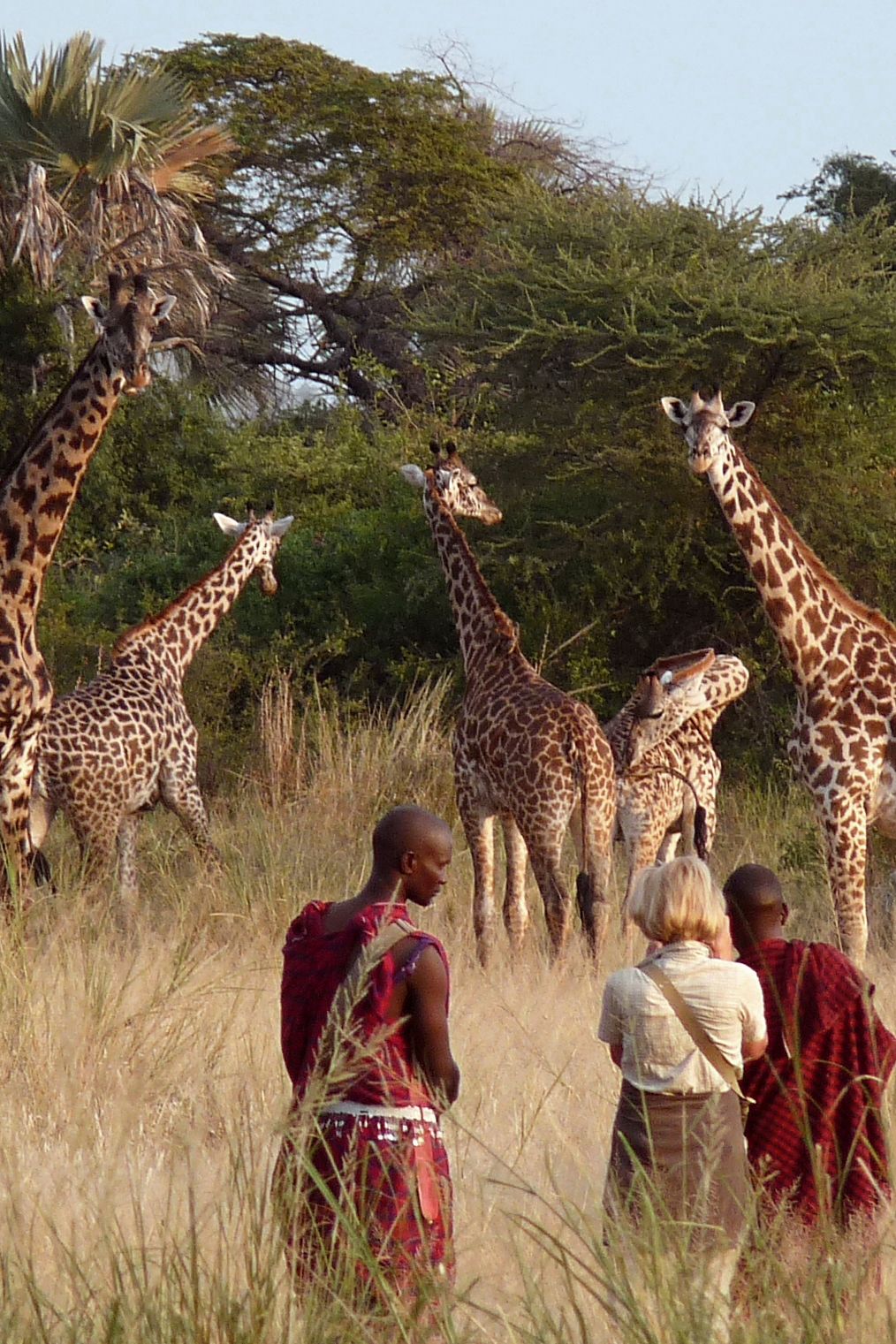
guided walks in Arusha National Park
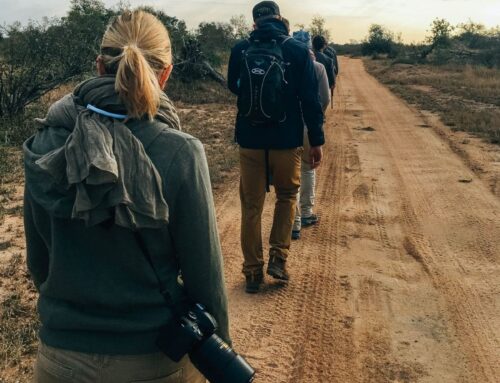
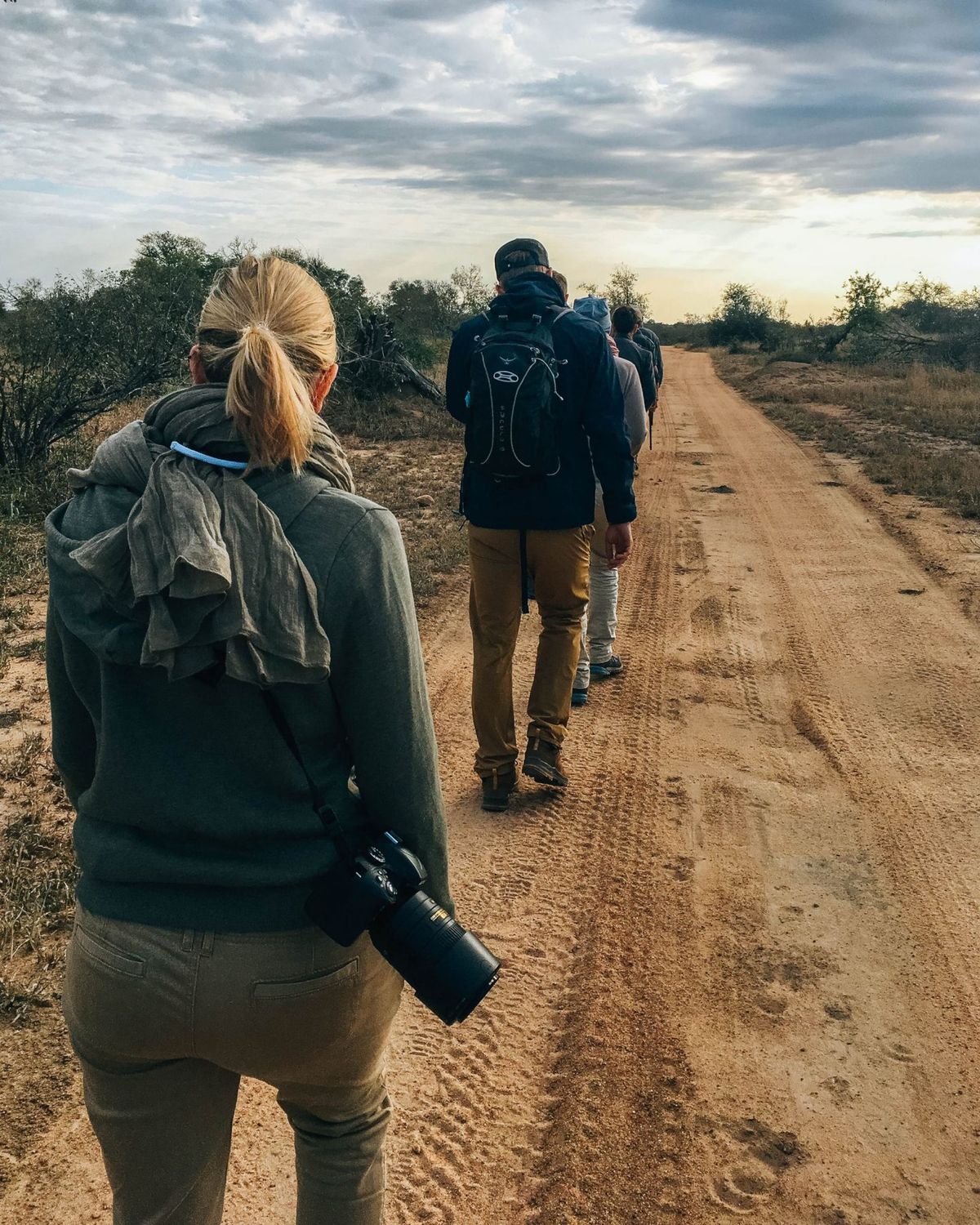
Walking safaris offer unmatched immersion. You leave behind the engine hum of a vehicle and instead tune in to the forest floor’s details—tracks, insect life, bird calls, and subtle plant diversity. These close-to-nature experiences are supported by expert guides and operated in predator-safe zones of the park, giving visitors safe walking hours with the assurance of local knowledge and trained rangers.
Arusha: One of Few Destinations for Walking Safaris
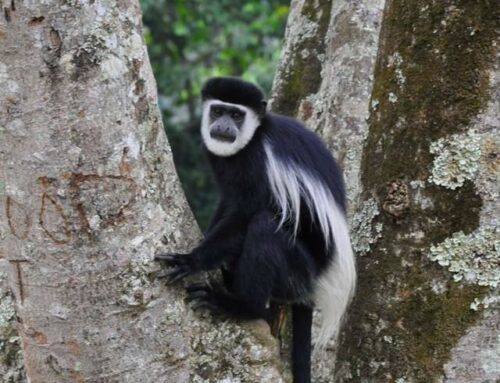
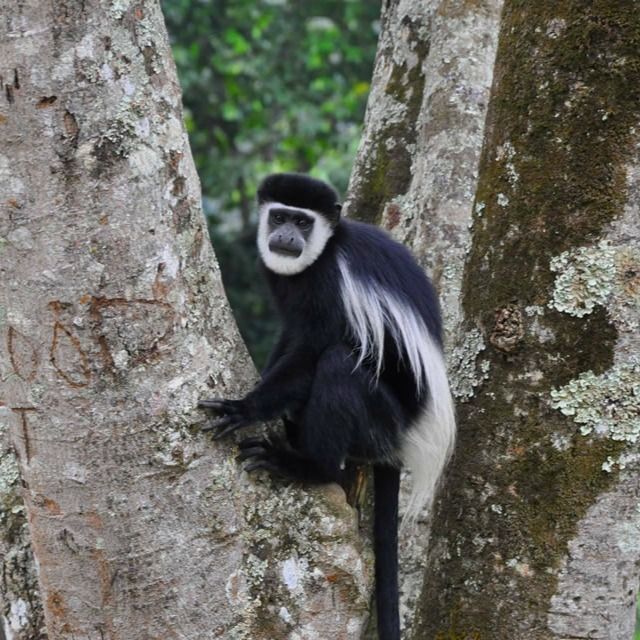
Arusha National Park stands out regionally because it permits walking safaris in zones where large predators are rare. This distinguishes it from larger parks like Serengeti or Ngorongoro, where walking is prohibited. You can stroll through open savannah, montane forest, and crater-edge habitats, encountering giraffes, buffalo, warthogs, blue and colobus monkeys—all under ranger escort. Most other Tanzanian parks restrict guests to 4×4 vehicles, making Arusha a unique and intimate offering.
What You’ll See on Foot
A guided walk typically lasts between one and four hours—tailored to your pace, curiosity, and safety comfort. Expect to move through diverse terrain:
-
Open grasslands at the foot of Mount Meru, where zebras and buffalo graze.
-
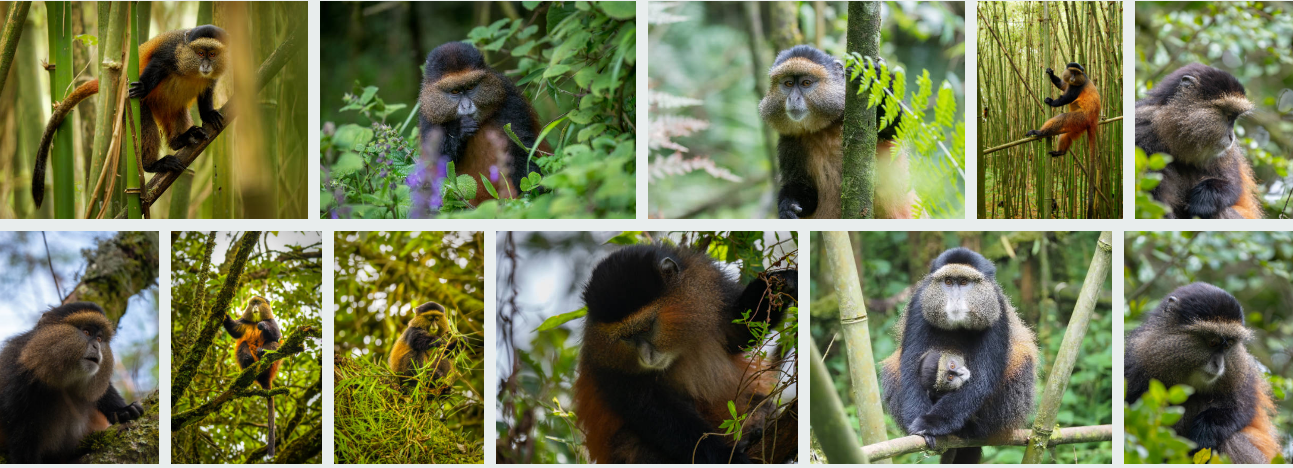
Montane forest trails, home to colobus and blue monkeys, forest birds, and woody flora.
-
Ngurdoto Crater rim, offering sweeping views and lush crater slopes abundant with bushbuck and antelope.
-
Momella Lakes edge, where flamingos, hippo pools, and colourful algae blooms create lively spectacles.
Your armed ranger will point out animal tracks—perhaps giraffe footprints or warthog trails—and explain ecosystem interconnections you’d miss from a vehicle.
Safety First
Walking safaris in Arusha are conducted in areas known to be low-risk for predatory encounter. No lions typically venture into these trails. Rangers are armed and trained for safety and wildlife interpretation. Group sizes are kept small—usually under ten—to limit disturbance, maintain intimacy, and preserve trail etiquette.
Best Time to Walk
The dry season (June through October and January/February) is ideal. Trails are firm and less muddy, wildlife congregates around water sources, and insect activity is lower. Rainy seasons can make paths slippery, obscure visibility, and limit walking access in certain forest patches.
Combining Walking with Game Drives or Canoeing
For a richer Arusha experience, we often include guided walking safaris paired with:
-
4×4 game viewing drives, which can take you through the park’s savannahs, Ngurdoto Crater floor, and riverine zones.
-
Canoe trips on Lake Momella, an enjoyable mid- to late-afternoon paddle among flamingos and hippos at lake edges.
-
Optional waterfalls hikes, such as visits to hidden cascades at the foot of Mount Meru.
These combinations allow you to see the park’s full ecological range—all within one day or as an added morning or afternoon option.
Sample Day: Walking Safari in Arusha
Morning
-
Depart early from accommodation in Arusha town.
-
Arrive at Momella Gate for ranger orientation.
-
Begin walk across plains, closed-by giraffes munching acacia leaves.
-
Pause at forest edge to observe colobus monkeys in canopy and pause to identify plant species.
Midday
-
Reach Ngurdoto Crater rim viewpoints, hear narratives about the crater’s formation and ecosystem.
-
Enjoy a picnic lunch under shady trees, with views back toward Mount Meru.
Afternoon
-
Continue into forested slopes toward Ulyulyusya waterfall, visiting eucalyptus and fig tree groves.
-
Board a vehicle for a game drive through crater floor and Momella lakes, spotting flamingos and hippos.
-
Optional canoe ride at Big Lake Momella as afternoon light softens.
Return to Arusha or transfer to next safari destination.
Wildlife Highlights on Foot
Walking lets you appreciate wildlife behavior up-close:
-
Giraffes browsing inches from your boots.
-
Cape buffalo grazing quietly at twenty meters.
-
Blue and colobus monkeys leaping in forest canopy.
-
Birdlife, including hornbills, turacos, flamingos and migratory species—birders count over 400 species recorded in the park.
Predator sightings (such as leopard, hyena) are possible but rare on walks due to selected safety zones. Still, ranger commentary may include tracks or signs of predators to observe from a vehicle later.
What to Bring & Precautions
-
Knee-length walking shoes or boots for scrub or muddy ground.
-
Sunhat, sunscreen, insect repellent.
-
Water bottle and light snacks.
-
Binoculars and wildlife field guide if desired.
-
A small daypack; lightweight clothing layered for morning chill and midday warmth.
Walk duration and difficulty are tailored by age, stamina, and group preference. Children above seven can join shorter walks.
Conservation and Education Impact
Great Migration Adventure emphasizes responsible tourism. Arusha National Park’s walking trails serve educational purposes: understanding flora, tracking animal signs, and interpreting ecosystems. Our guided walks support footpath use that limits environmental impact, respect park rules, and foster awareness of conservation needs. We collaborate with professionals and local rangers who share deeper insights into ecological health and connect visitors to wildlife stewardship.
Sample Extended Blog Tour: Arusha & Beyond
-
Day 1: Arusha arrival, optional city tour and cultural welcome.
-
Day 2: Guided morning walk in Arusha National Park, picnic and canoeing at Momella Lakes.
-
Day 3–4: Transfer to Serengeti or Tarangire—game-drive safaris.
-
Day 5: Ngorongoro Crater full-day drive and crater rim walk.
-
Day 6: Lake Manyara game drives or cultural visit.
-
Day 7: Optional mountain hike or coffee plantation tour.
-
Day 8: Departure or add Zanzibar beach stay.
This blends walking exploration with classic East African safari views for variety and depth.
Why Choose Great Migration Adventure
-
We coordinate official walking safari permits, safety gear, and experienced rangers.
-
Walk durations and routes are customised per group—pauses for birding, photography, or youngster interest.
-
Our guides offer interpretive commentary—not just wildlife highlights but plant uses, local folklore, and ecosystem interrelationships.
-
We deliver seamless transitions from walking to vehicle-based travel, including comfortable meals and lodge transfers.
-
Family-friendly pacing ensures inclusive access for children and elders.
-
Our itineraries always align with conservation best practice and partner-driven ecological support.
Frequently Asked Questions
Is walking allowed year-round in Arusha National Park?
Yes, but best walking conditions are during dry months—June to October and January through February. Rain seasons may hamper trail safety.
Are walks safe from predators?
Yes. Park authorities only permit walking in zones with low risk of predator presence. Rangers are armed and skilled.
Can children join walking safaris?
Typically yes—children above seven may walk with shorter route options. Parental discretion and ranger advice determine suitability.
How long do walks typically last?
Standard walks are 1.5 to 4 hours; itinerary flexibility allows combining short walks with game drives or canoeing.
Will there be vehicle game viewing on the same day?
Usually yes. Walks are often paired with drives to maximize wildlife viewing and cover different habitats.
Guest Stories & Experiences
Recent visitors describe the walk as surreal and grounding—watching a herd of giraffes graze mere meters from where they stand, listening to colobus monkeys call overhead, and discovering flamingo flocks reflected on bright alkaline lakes. Guides describe footprints of leopards near walking routes before handing you over to the vehicle-based drive. Guests frequently cite this as their favourite part of a multi-day safari—an intimate, sensory immersion into East Africa’s original wild classroom.
Yes—you absolutely can do guided walks in Arusha National Park, and doing so is a highlight of East African travel for those seeking immersive nature encounters. When booked through Great Migration Adventure, your walking safari includes expert local guidance, safe trails, interpretive learning and seamless transitions into broader safari itineraries. You’ll walk with giraffes, pause at crater rims, paddle at flamingo lakes, and return with a deeper understanding of nature—all without compromising comfort or safety.