Can I See Tree‑Climbing Lions in Lake Manyara? Your Complete Guide by Great Migration Adventure
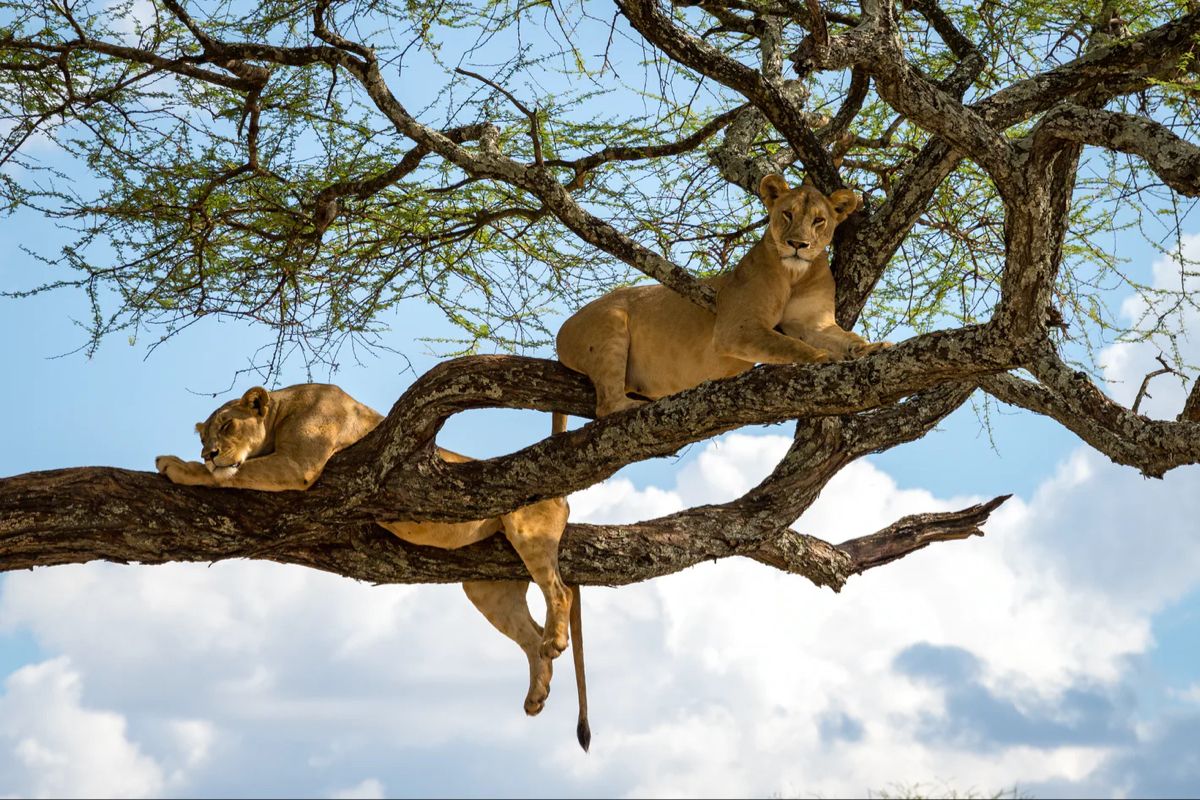
Few images capture the magic of African wildlife more vividly than lions perched lazily in the branches of an acacia tree. These iconic tree‑climbing lions have captured imaginations the world over, and if you’re wondering whether to visit Lake Manyara specifically to see them—the answer is yes. Lake Manyara National Park in northern Tanzania is one of the few places in Africa where lions frequently climb trees.
With Great Migration Adventure, you’ll experience this phenomenon with expert guides, flexible itineraries, and insider knowledge that enhances your chances of seeing—and understanding—these majestic cats.
This guide will cover every facet of the story: the science and behavior of tree-climbing lions, where and when to see them, how to plan a trip, what else you can enjoy in Lake Manyara, and why booking with us guarantees a memorable and meaningful safari.
1. Tree‑Climbing Lions Explained
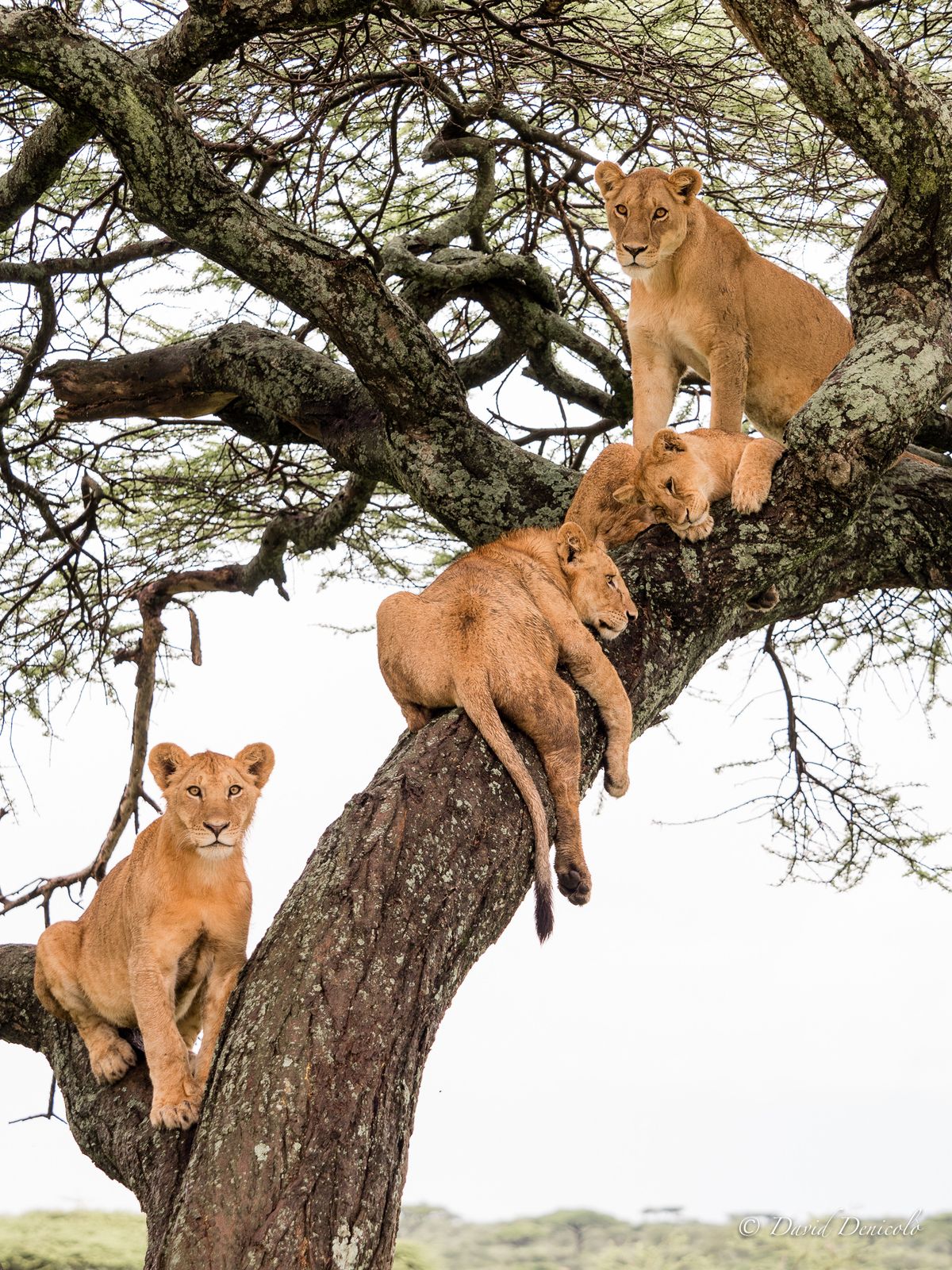
Why do lions climb trees?
Tree climbing is rare among lions, yet in Lake Manyara they do it regularly. Experts propose several reasons:
-
Cooling off: Branches offer breezier, cooler perches in the midday heat.
-
Avoiding insects: Elevated positions help them escape ground-level insects like flies or mosquitoes.
-
Vantage points: From trees they can survey grazing plains for prey or pick out threats.
-
Social behavior: Adult females, sub-adults, and even cubs climb; it’s a behavior rooted in comfort and adaptation.
How common is it?
Lake Manyara’s lions climb trees more often than anywhere else. Observational data suggests that within the park’s designated territory of forest and acacia woodland, several prides are known to climb routinely, sometimes several times a day.
2. Why Lake Manyara Specifically?
Unique habitat
Lake Manyara’s west-side acacia forest and steep escarpments form the backdrop. Lions here have adapted to this forest-lake interface, finding elevated branches readily near riverine corridors and grazing zones.
Small park, high visibility
At just over 325 square kilometers, Lake Manyara is compact. Game-viewing roads are close to lion habitats, so guides with local knowledge can position your vehicle near likely tree-climbing sites quickly.
Behavioral tradition
Visiting naturalists and rangers report that tree-climbing behavior in this population is passed down through generations. It’s a rare learned behavior localized to this population.
3. When Is the Best Time to See Lions in Trees?
Optimal season: dry season
June through October, after the rains, when grass is lower and visibility is clear, is the best time to spot tree‑climbing lions. They climb more when the ground is dry and insects ground-level are abundant.
Time of day
Midday through early afternoon—roughly 11 a.m. to 3 p.m.—is prime tree‑climbing lion time. This is when lions escape the heat and rest in cooler, elevated branches. Early morning and evening are better for chasing, hunting, or ground-based activity.
4. What Can You Expect on a Great Migration Adventure Visit?
Expert guidance
Our guides know the behavior patterns and the local pride territories. Through early communication with park rangers and community trackers, we position our vehicles near likely tree-climbing sightings, maximizing viewing chances.
Small group viewing
We keep groups limited to two vehicles per sighting to minimize disturbance and provide unobstructed views.
Observation flexibility
If lions climb immediately after a morning drive, we may return in the afternoon specifically to track the same pride near likely trees.
Interpretation and wildlife storytelling
We explain lion hierarchy, social dynamics, why tree climbing is beneficial, and how this behavior compares to lions in other regions.
5. Example Itinerary: Two-Day Lake Manyara Experience
Day 1 – Arrival and First In‑Park Drive
-
Transfer from Arusha or Ngorongoro to Lake Manyara Day Lodge or tented camp.
-
Afternoon game drive: expectations set, visitors scan plains and gently forested areas.
-
Evening talk: overview of lake ecology, predator-prey dynamics, and pride structure.
Day 2 – Full-Day Game Drive with Tree-climber Search
-
Morning drive: lion dens and territorial edges.
-
Lunch break at viewpoint over the lake.
-
Midday “tree‑lion hour”: seek shade on forest roads near known pride trees.
-
If lions climb, spend time watching; if not, return later afternoon.
-
Night: optional guided walk to discuss nocturnal wildlife and predator ecology.
This short itinerary can be extended to combine with Ngorongoro Crater, Serengeti migration safaris, or coffee farm stays inland.
6. Understanding Lion Behavior in Lake Manyara
Lake Manyara’s forests shelter multiple prides. The one most famous for tree climbing is often called the “Tree Pride.” Understanding their social structure enhances sightings:
-
Pride composition: matriarchal groups with females, cubs, and sub-adults.
-
Territorial boundaries: pride territories are small but overlap, allowing consistent sightings.
-
Tree selection: lions favor mature ancient acacia and fig trees with horizontal branches low enough to climb safely.
-
Observation tolerance: habituated to vehicles, the lions remain relaxed in branches above game drives.
7. Hybrids & Comparison to Other Regions
-
In other regions—including Queen Elizabeth NP in Uganda and Nyiragongo regions of DR Congo—lions climb trees sporadically, but it’s rare and unpredictable.
-
Tree-climbing behavior in Lake Manyara seems cultural—passing from generation to generation.
-
Seeing lions in trees elsewhere requires great luck; Manyara offers reliable observation because of the behavior’s frequency there.
8. What Else to See in Lake Manyara
While tree-climbing lions are the headline, Lake Manyara offers:
Birdlife
Thousands of flamingos (when water levels permit), pelicans, herons, storks, and forest species like turacos, bee-eaters, and Forbes’s plovers.
Other wildlife
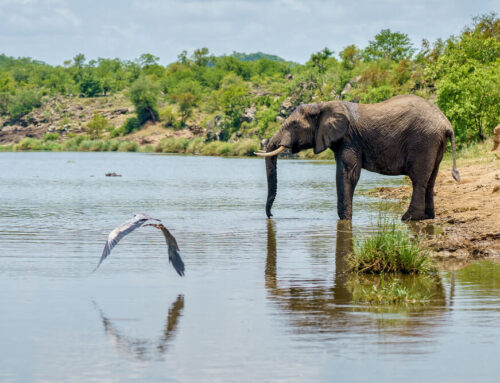
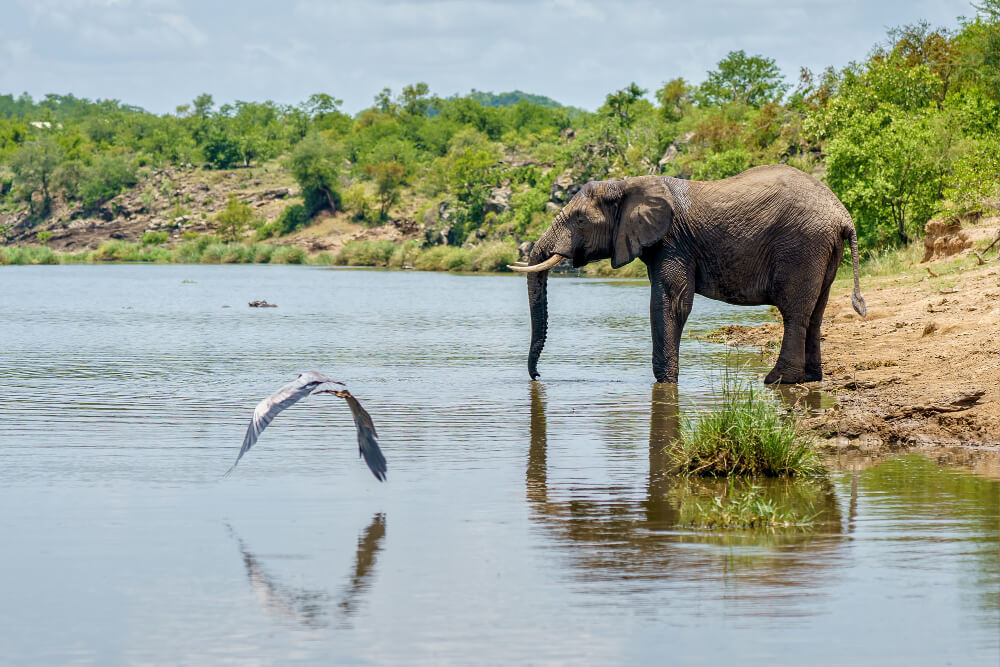
Elephant herds, buffalos grazing in marsh edges, hippos in the lake, baboons in forests, giraffes, waterbucks, and if you’re lucky, climbing leopards on rocky kopjes.
Scenic highlights
The Rift Valley escarpment provides sweeping views; hot springs and small Kirurumu waterfalls are nearby.
Cultural visits
Optionally visit a local Maasai village or coffee farm near Karatu—learn about land use, boma life, and the balance between conservation and cultivation in the Manyara region.
9. Logistics and Practical Tips
Park fees & timing
Lake Manyara has entry fees that cover wildlife viewing; tree-lion sightings incur no extra permit.
Park opens early and gates close shortly after sunset. Our guides coordinate timing to observe lions within regulation in the park and return to lodge after close.
What to bring
-
Binoculars or zoom lens (200–400 mm ideal).
-
Layered clothing: mornings are cool, midday warm, afternoons breezy.
-
Water bottle, sun hat, sunscreen, a camera, and insect repellent.
-
A small notebook if you enjoy wildlife journaling.
Health & safety notes
Tanzania requires up-to-date yellow fever vaccination or proof if coming from yellow fever countries. Malaria risk is low but exists—mosquito precautions are prudent.
All vehicles carry radio contact and first‑aid kits, and guides are trained in wildlife safety and local health protocols.
10. Conservation Context
Lake Manyara National Park is a UNESCO biosphere reserve and part of the greater northern safari ecosystem connecting Tarangire, Ngorongoro, and Serengeti parks.
Tree‑climbing lions are not a tourist gimmick but a valuable behavioral adaptation. Conserving such behavior requires preserving habitat continuity, pride territories, and minimizing human conflict.
Great Migration Adventure supports community-based conservation, anti-poaching patrols, and initiatives that protect corridors linking Manyara to adjacent reserves.
11. Frequently Asked Questions
Can I guarantee seeing lions in trees?
While there’s no absolute guarantee in nature, sightings of climbing lions in Lake Manyara are frequent and consistently reported. Guided practices and local knowledge significantly increase your odds.
Do only lions climb, or other cats too?
Lions are most commonly observed in the trees here. Leopards are rare or absent in the dense forest areas of Manyara.
Is tree climbing dangerous for the lions?
Acacias and figs can support lion weight comfortably. No injuries linked to this behavior have been recorded—it appears natural and well-adapted.
Would loud vehicles disturb them?
Lions in these areas are habituated to safari vehicles and maintain respectful distance. Great Migration Adventure maintains strict viewing protocols to minimize interference.
12. Testimonials from Travelers
“I thought tree‑climbing lions were myth until I saw the Tree Pride lounging in acacia branches above our Land Cruiser. The silence beneath the foliage, the lazy yawn as she stretched—absolute magic.” — Elena, USA
“Our tracker Mohamed anticipated the lion cubs climbing at midday next to a particular tree. We waited quietly, and two youngsters ascended right in front of us. Seeing cubs up there was unforgettable.” — Markus & Ingrid, Germany
“Lake Manyara was a perfect discovery—I wasn’t expecting to see lions in trees. Our Great Migration Adventure guide explained why, and I left both enlightened and awestruck.” — Priya, India
13. Complementary Safari Highlights
Combine with Ngorongoro Crater
Only a short drive away, Ngorongoro offers crater-floor safaris with dense predator and prey concentrations.
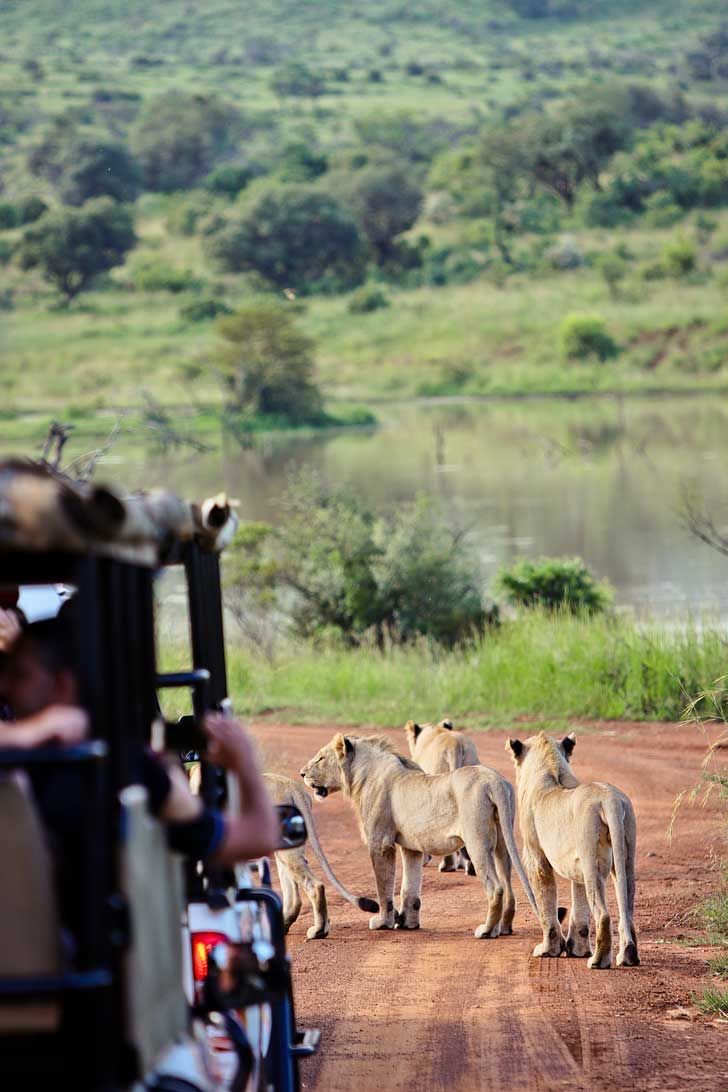
Private Safari Guided Game Drive in Ngorongoro
Extend to Serengeti or Tarangire
Following Manyara, head into iconic wilderness areas for classic game drives across wide-open plains, migration corridors, and diverse ecosystems.
Add a Cultural or Coffee-Farm Day
Consider a short stay in the highlands near Karatu, visiting coffee farms, cultural tea houses, and conservation education centers.
14. Why Choose Great Migration Adventure for Your Lake Manyara Visit
-
Specialized guidance: We know when, where, and how tree-climbing lions behave in Manyara.
-
Customized itineraries: Whether you want a day trip or blend into a longer Tanzanian circuit—we build around your interests.
-
Conservation values: We support responsible tourism and community benefit programs.
-
Guest-focused service: Small groups, flexible pickup, and interpretive storytelling amplify your understanding and enjoyment.
You absolutely can see tree‑climbing lions in Lake Manyara National Park—one of nature’s most compelling wildlife behaviors. Through Great Migration Adventure, this extraordinary animal phenomenon becomes accessible, supported by local knowledge, ethical guidelines, and exceptional safari planning.
If you’re drawn to the hope and wild eccentricity of lions reclined in acacia branches, reach out to us. We’re here to design your perfect Lake Manyara adventure—and show you a side of the African bush you won’t find anywhere else.