Are There Horseback Safaris in Tanzania? Your Ultimate Guide with Great Migration Adventure
Imagine exploring Africa’s plains silently, on a horse’s back, moving through wildlife corridors where hoofbeats replace engine rumbles. That’s the essence of a Tanzanian horseback safari—a uniquely intimate way to experience this wild land.
Yes—horseback safaris are available in Tanzania, and with Great Migration Adventure, you can enjoy them through thoughtfully crafted itineraries that combine adventure, comfort, wildlife, and conservation impact.
1. What Is a Horseback Safari—and Why Tanzania?
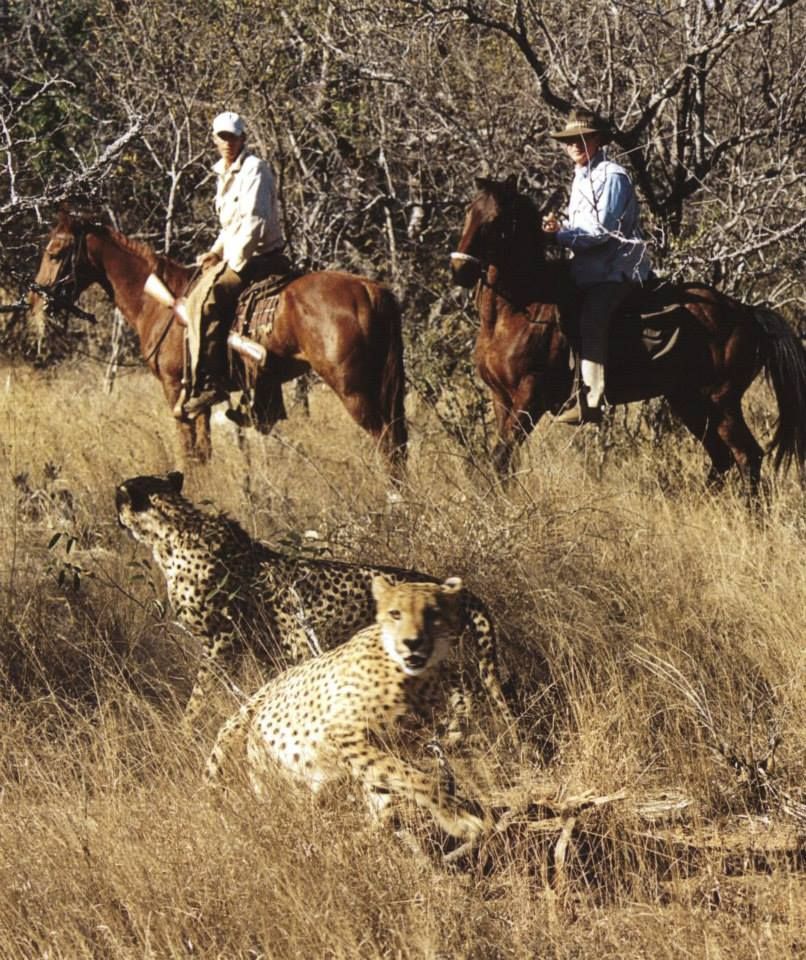
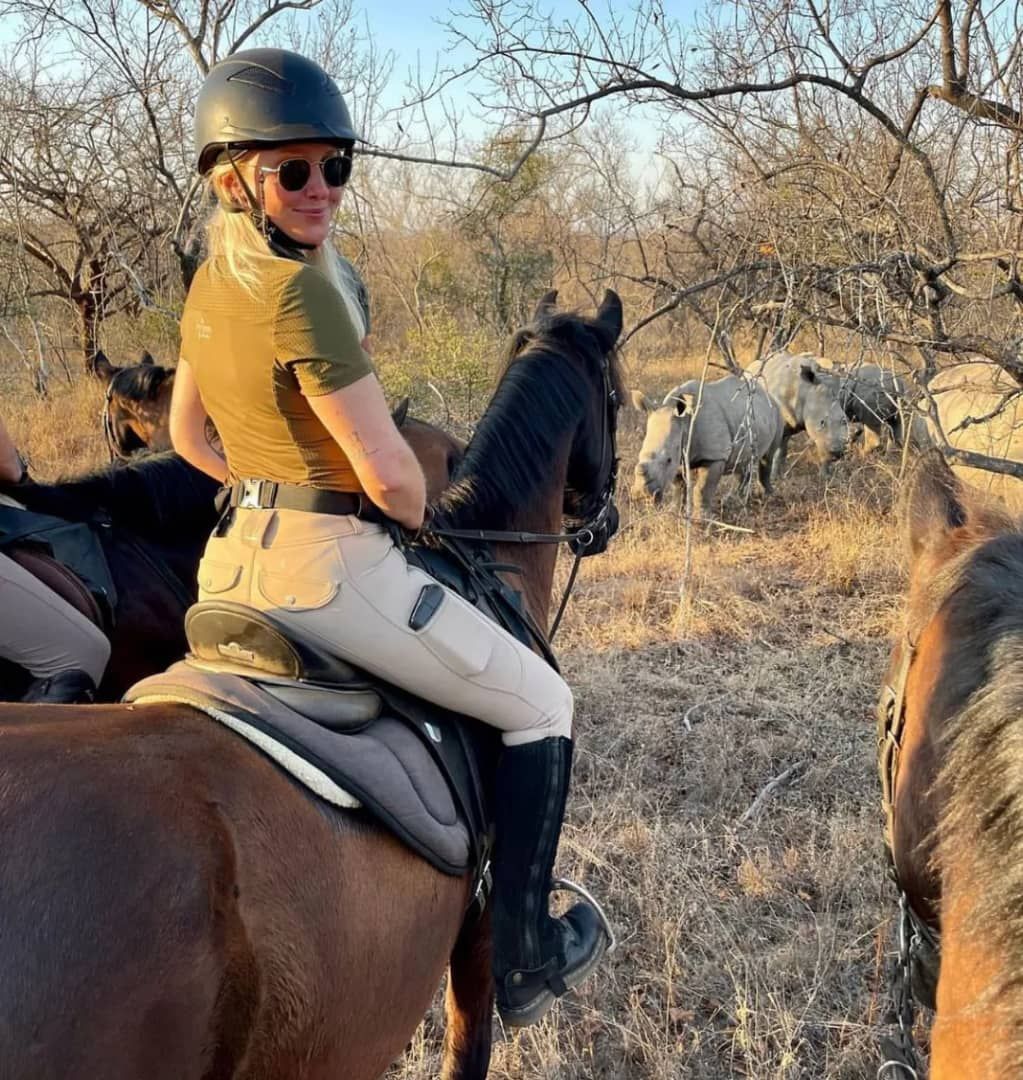
Horseback safari blends equestrian travel with wildlife viewing, offering quiet, low-impact journeys into nature. These safaris take riders along ancient game trails, alongside giraffes, zebras, wildebeest, and even elephants—often closer than vehicles allow.
Although Kenya is known for horse adventures, Tanzania also delivers spectacular riding safaris, especially within the Serengeti-Mara ecosystem, Ngorongoro Highlands, Lake Natron, and foothills of Kilimanjaro and Meru.
Operators like Kaskazi Horse Safaris, Tanzania Nature Rides, Otaruni Safaris, East Africa Gorilla Safaris, and Hazzes Adventure offer diverse options from day rides to multi-day mobile camps.
2. Regions & Routes — Where to Ride in Tanzania
Serengeti & Grumeti Reserves
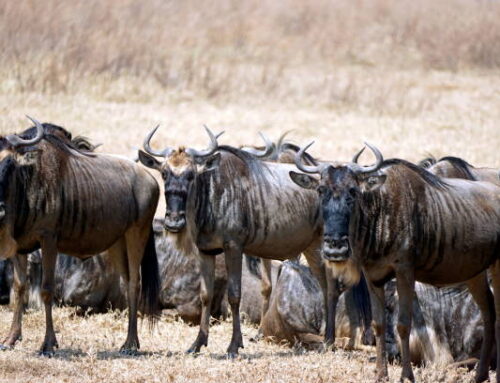
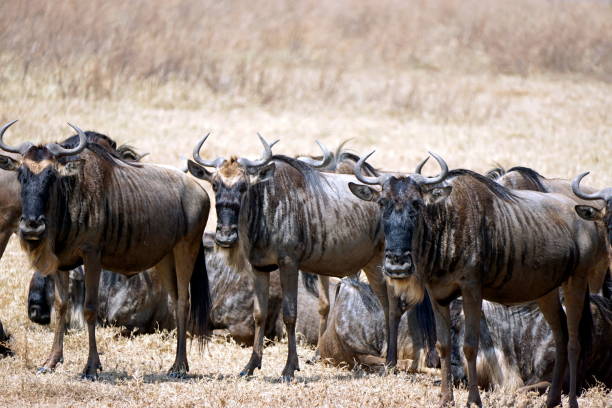
Ride across the plains of Serengeti during migration season, galloping alongside wildebeest and zebra herds. Some mobile riding safaris follow the migration across the Grumeti corridor, offering unmatched wildlife access and riding terrain .
Ngorongoro Highlands and Crater Rim
The Ngorongoro region provides farmland, rolling hills, and coffee estates—ideal day rides for novices or mixed-ability groups. Lodges like The Manor host stables with beginner‑friendly horses in spectacular highland scenery.
Arusha National Park & Kilimanjaro Foothills
Explore trails beneath Mount Meru and across Maasai steppe toward Kilimanjaro. Encounters with colobus monkeys, giraffes, and zebras are common. Day and short multi-day rides offer both nature immersion and cultural visits.
Lake Natron & Flamingo Plains
Riding across the alkaline flats of Lake Natron offers uncanny landscapes and flamingo breeding lagoons—a surreal horse safari environment.
Tarangire & Manyara Wilderness
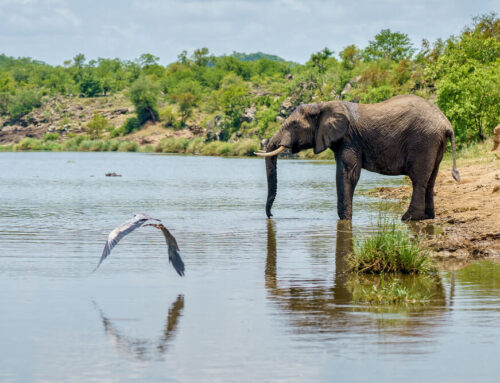
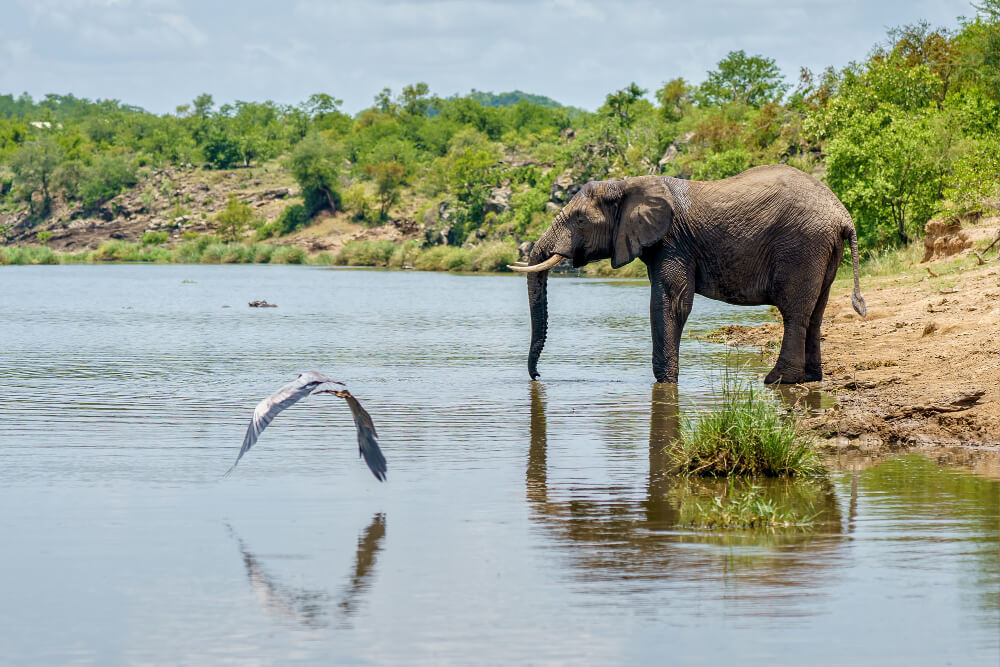
Ride through baobab-studded plains and woodlands in Tarangire, known for elephants and birdlife. Lake Manyara area offers lush forest-lakeside riding, with flamingos and forest creatures visible from saddle.
3. Types of Riding Safaris & Who Should Go
Multi-Day Migration Rides
For experienced riders, these immersive safaris follow migrating wildlife over several days, camping in mobile tented camps. Moderate‑to‑advanced riding skills are required. Kaskazi offers an 8-night Serengeti Migration Ride, with raw bush-camps and wildlife encounters on horseback.
Scenic Day or Weekend Rides
Ideal for beginners or families: guided rides through plantations and reserves, lasting from two to six hours, viewing wildlife such as giraffes, buffalo, zebra, and antelope .
Combination Safaris
Blend horseback riding with traditional vehicle game drives, cultural visits, and optional post-safari beach stays in Zanzibar. These mixed itineraries give variety and flexibility .
4. Experience Highlights: Riding in Nature
-
Ride alongside wildlife in a calm, silent approach—zebra, giraffes, wildebeest may approach out of curiosity.
-
Follow ancient elephant trails and cross open plains that vehicles cannot access.
-
Camp beneath the stars on mobile riding safaris, enjoying quiet dawns and wildlife sounds.
-
Engage with Maasai communities, learn horsemanship in local culture, and ride through traditional grazing lands.
5. Conservation & Local Impact
Riding safaris in Tanzania often support conservation by funding mounted ranger units, which patrol sensitive areas on horseback—a low disturbance method used by Tanzania Nature Rides and others.
Equestrian lodges and camps provide employment and training to local communities, and host cultural elements that benefit indigenous people.
By booking through Great Migration Adventure, you ensure fair local pay, ethical practices, and minimized environmental footprint.
6. Practical Info: Skills, Seasons & Gear
Rider Level & Weight Limits
Most operators accept riders of all levels. Beginners may take short, scenic rides; experienced riders can join multi-day migration safaris. Some groups set weight limits (commonly around 100 kg) and minimum age around 14 years for longer rides
Best Time to Ride
Dry season—from June through October—is ideal for horseback safari, offering stable terrain and migration movements
What to Pack
-
Helmet (often provided), gloves, long trousers and riding boots or closed shoes
-
Sunhat, sunglasses, and sunblock
-
Water bottle, binoculars, camera
-
Light riding jacket for early mornings and evenings
7. How Great Migration Adventure Structures Your Ride
-
Itinerary customization to match your riding skill, interests, and comfort level.
-
Private logistics, including domestic flights, transfers, transfers and camping gear
-
Experienced riding guides trained in wildlife tracking and horse management
-
Group size moderation, typically max six riders per guide for safety and personalization
-
Accommodation blending, with luxury lodges between riding days where guests can rest or join non-riders in game drives
-
Safety protocols, including accredited horse gear, rider briefings, and radio communication
8. Sample 8-Day Itinerary: Kilimanjaro to Serengeti Horse Safari
-
Day 1: Arrive Kilimanjaro or Arusha; transfer to horse camp near Mt Meru; short afternoon ride.
-
Day 2: Full day ride through coffee farms and acacia woodland, learning local riding traditions. Evening at eco-lodge.
-
Day 3: Transfer to Serengeti west; afternoon ride in Grumeti corridor.
-
Day 4‑7: Multi-day migration ride, riding alongside zebra and wildebeest herds, camping under stars, bush dining.
-
Day 8: Final ride down to savannah; transfer to lodge for rest or onward safari. Fly back to Arusha.
Guests can add cultural visits, hot-air balloon rides, or beach stays on Zanzibar.
9. Stories from the Saddle
“Riding beside zebra and honeymoon giraffe herds on open Serengeti plains was surreal—the horse and I felt invisible.”
“Cantering at dawn on Grumeti’s edge with migration in full force—that’s Africa.”
“Kids aged 14 and 16 loved tracking wildlife on horseback and sleeping under endless skies.”
These are typical memories shared by horseback safari guests traveling with Great Migration Adventure.
10. Choosing the Right Riding Safari
-
Skill level: Day rides suit beginners; migration rides require confident riding and fitness.
-
Focus: Choose migration-centric safaris for wildlife immersion or scenic foothill tours for relaxed riding.
-
Duration: From half-day rides to week-long expeditions.
-
Accommodation style: Mobile fly camps, boutique lodges, or tented camping.
-
Additional interests: Combine horseback riding with cultural tours, walking safaris, or snorkeling off Zanzibar.
11. Booking Tips & Why Reserve Through Us
When you book with Great Migration Adventure:
-
You get expert itinerary planning tailored to your travel style.
-
We handle logistics: horse operators, safety certificates, transport, rider briefing.
-
You benefit from vetted operators with ethical standards and local community support.
-
We provide pre-trip packing lists, riding orientation, and follow-up support.
12. Your Riding Safari Checklist
-
Confirm your horse‑experience level
-
Choose locations (Serengeti, Meru, Manyara, Natron) and time of year
-
Select duration and lodge vs mobile camp
-
Review weight and age guidelines
-
Arrange travel insurance for riding activities
-
Communicate any health or mobility restrictions to us early
Final Thoughts: Why Horseback Safari in Tanzania?
-
Silent, immersive wildlife experience not replicated in vehicles
-
Unique perspective riding along majestic migration or through Rift Valley plains
-
Ethical, low-impact travel supporting conservation and local economies
-
Different vantage—seeing wildlife from the saddle can be gentler, more intimate
With Great Migration Adventure, horseback safari becomes more than a ride—it’s a narrative of freedom, connection, and wild beauty. Whether you gallop beside wildebeest, meander beneath Kilimanjaro’s shadow, or rest under burning sunsets, your journey will leave hoofprints in your memory.