What’s the Best Park in East Africa for Hyena Sightings? — The Ultimate Guide by Great Migration Adventure
Hyenas are one of Africa’s most fascinating and often misunderstood carnivores. Their distinctive calls, complex social structures, and adaptability make them a thrilling subject for wildlife enthusiasts. If you’re keen to see hyenas in their natural habitat during your East African safari, choosing the right park is key.
East Africa—home to Kenya, Tanzania, Uganda, and Rwanda—offers many excellent national parks and conservancies where hyenas abound. But which park tops the list for hyena sightings? This comprehensive guide by Great Migration Adventure explores all you need to know about spotting hyenas, the best locations for viewing them, their behavior, and how to maximize your experience.
Introduction to Hyenas: Nature’s Nighttime Champions
Before diving into the parks, it’s useful to understand hyenas themselves. East Africa’s hyenas mainly comprise three species:
-
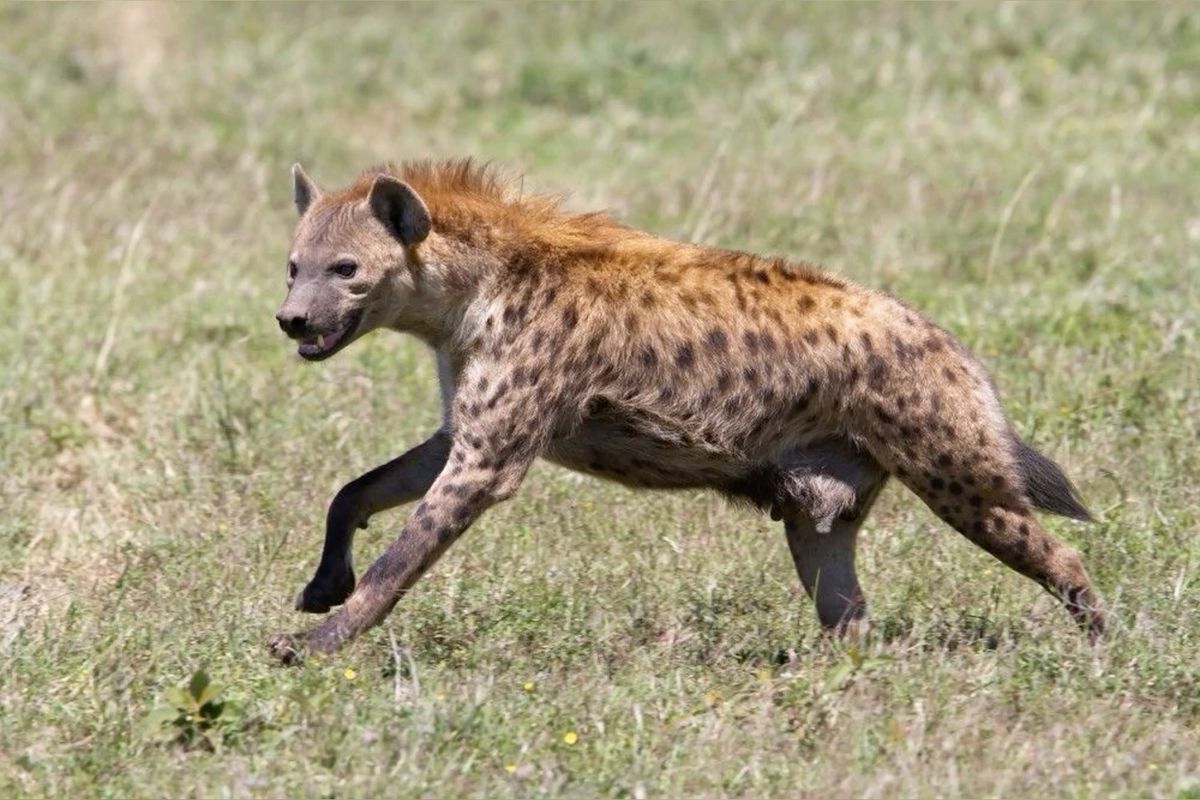
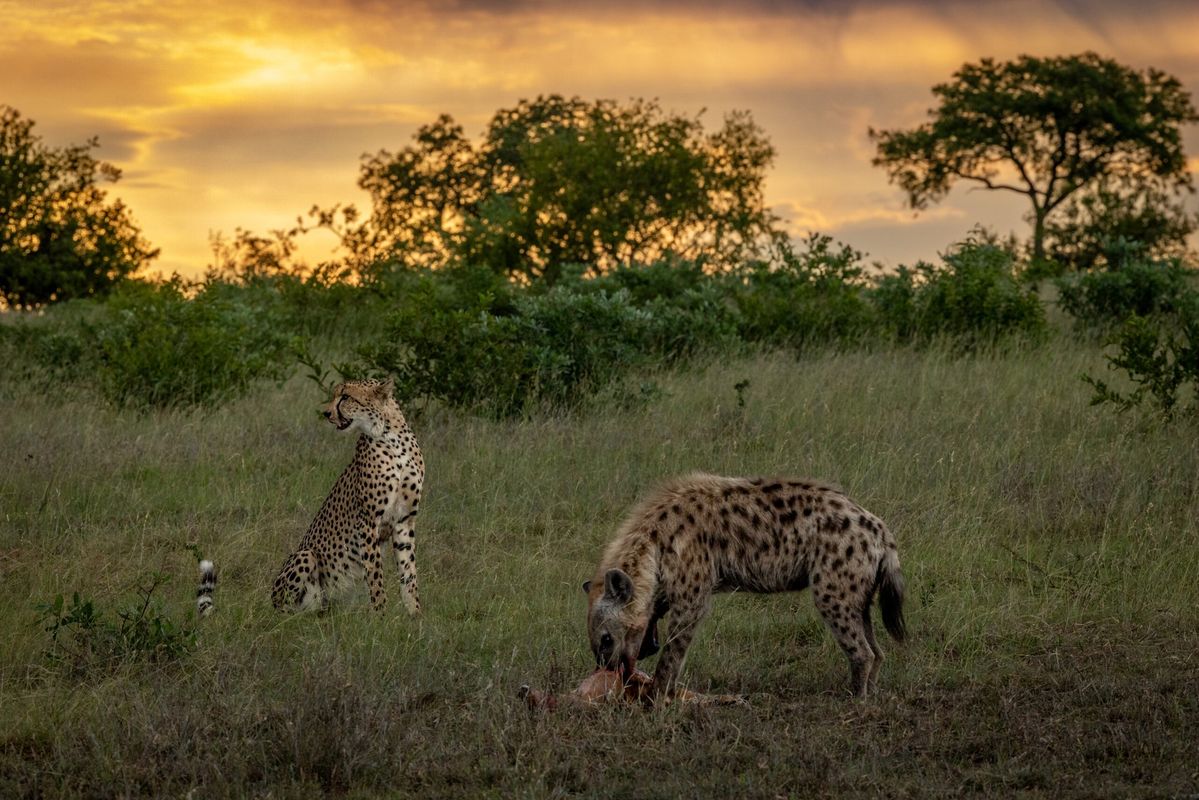
Spotted hyena (Crocuta crocuta): The most common and well-known, famous for their “laughing” calls and complex clans.
-
Striped hyena (Hyaena hyaena): More elusive, shy, and nocturnal, typically found in dry bushlands.
-
Brown hyena (Parahyaena brunnea): Very rare in East Africa, mostly in southern Africa.
Spotted hyenas dominate savanna ecosystems, often viewed as scavengers but are expert hunters. Their intelligence rivals that of primates, and their clans exhibit matriarchal social structures.
Why Hyena Sightings Are So Special
Hyenas are key ecosystem players—cleaning carcasses, controlling prey populations, and even shaping landscapes. Watching them reveals insights into survival, cooperation, and competition in the wild.
Hyenas are also highly vocal. Their eerie whoops and laughs at dusk and night create a spine-tingling soundscape, heightening the safari atmosphere.
Because hyenas are both predators and scavengers, their activity peaks during dawn, dusk, and nighttime, making sightings exciting but sometimes challenging.
Factors That Influence Hyena Sightings
-
Habitat: Open savanna, woodlands, and rocky outcrops are ideal.
-
Prey availability: Hyenas track large herbivore migrations and resident prey.
-
Human presence: Hyenas avoid high-density tourist areas but can be seen near camps.
-
Time of day: Twilight hours and early night are prime viewing times.
-
Season: Dry seasons concentrate animals near water, increasing hyena encounters.
Great Migration Adventure helps plan your safari to these conditions, enhancing your chance of memorable hyena sightings.
Top Parks in East Africa for Hyena Sightings
1. Maasai Mara National Reserve, Kenya
The Maasai Mara is arguably the best park for spotting hyenas, especially spotted hyenas. This vast reserve, part of the Serengeti ecosystem, boasts one of the highest densities of hyena clans.
-
Hyenas here are famous for their opportunistic hunting and scavenging during the great wildebeest migration.
-
Look for large clans near riverine forests and the Mara River corridor.
-
They often compete with lions and leopards, providing dynamic predator interactions.
-
Hyena “laughs” echo through the Mara at dawn and dusk.
Visitors often spot hyenas feeding on kills, fighting over carcasses, or nursing young in dens hidden among rocky kopjes.
Great Migration Adventure offers customized Maasai Mara safaris focusing on hyena behavior observation with expert guides.
2. Serengeti National Park, Tanzania
The Serengeti is world-famous for its endless plains and massive migrations. It’s also a hyena hotspot.
-
Spotted hyenas are abundant, especially in the southern and western parts.
-
Large clans stake out territories near river crossings and kopjes.
-
The Serengeti’s open terrain offers excellent viewing opportunities both day and night.
-
Hyenas here are involved in complex interactions with lions, sometimes stealing kills or hunting cooperatively.
Serengeti night drives in designated areas allow glimpses of nocturnal hyena activity, a unique way to experience their secretive side.
3. Ngorongoro Conservation Area, Tanzania
Ngorongoro’s crater is a unique ecosystem—an enclosed caldera with dense wildlife populations.
-
Hyenas thrive in this nutrient-rich environment, especially spotted hyenas which have well-established dens.
-
The crater’s visibility and accessible roads make spotting hyenas easier.
-
Visitors often observe hyenas scavenging near lion kills or feeding on the abundant prey.
-
Ngorongoro is notable for its predator density, including hyenas, lions, and jackals.
Great Migration Adventure can tailor safaris to focus on predator dynamics within Ngorongoro.
4. Queen Elizabeth National Park, Uganda
Queen Elizabeth NP in Uganda is a prime destination for hyena lovers.
-
It hosts spotted and striped hyenas in diverse habitats—open savanna and forest edges.
-
Hyenas here are nocturnal but can be spotted around waterholes and open plains at dusk.
-
The park’s crater lakes and savanna support high prey density, attracting hyenas.
-
Hyenas contribute to the park’s rich carnivore community.
Uganda safaris through Great Migration Adventure include guided game drives aimed at maximizing hyena encounters.
5. Lake Nakuru National Park, Kenya
Lake Nakuru is famous for flamingos but also offers good hyena viewing.
-
Spotted hyenas frequent the park’s woodland and rocky areas.
-
Due to smaller predator numbers, hyenas often dominate scavenging opportunities.
-
Sightings are common near water sources and grazing plains.
-
Hyena vocalizations add to the park’s unique soundscape.
Great Migration Adventure can arrange combined birding and predator safaris here.
6. Tsavo East and West National Parks, Kenya
Tsavo’s vast wilderness hosts healthy spotted and striped hyena populations.
-
Tsavo East’s open plains and Tsavo West’s hills and lava flows provide diverse hyena habitats.
-
The parks offer fewer tourists, so wildlife acts naturally.
-
Hyenas are often seen scavenging or hunting in smaller groups.
-
Night drives and walking safaris (where allowed) increase chances for hyena observation.
The Best Time for Hyena Sightings in East Africa
-
Dry Season (June to October): Wildlife concentrates around water, increasing predator-prey interactions and hyena activity.
-
Wildebeest Migration Periods: Hyenas follow the great migration in Serengeti and Maasai Mara, boosting sightings.
-
Twilight and Night: Early morning and evening safaris maximize chances to hear and see hyenas.
Great Migration Adventure’s expert planning optimizes travel dates to coincide with peak hyena activity.
Understanding Hyena Behavior in the Wild
Hyenas are complex social animals:
-
Clan Dynamics: Female-led clans with strict hierarchies; dominant females control food access.
-
Communication: “Laughs,” whoops, groans, and other vocalizations serve different social purposes.
-
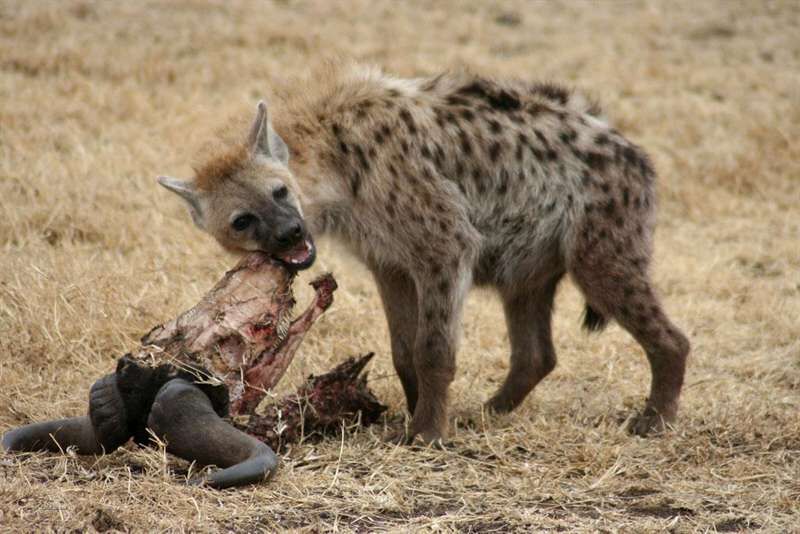
Hunting and Scavenging: Hyenas are skilled hunters but also effective scavengers, often stealing kills.
-
Territorial Marking: Scent marking and physical patrols protect clan ranges.
Observing these behaviors enriches your safari beyond mere spotting.
Hyena Conservation Status and Challenges
While spotted hyenas are not currently endangered, habitat loss, human-wildlife conflict, and poaching affect populations.
Conservation efforts focus on:
-
Promoting coexistence with local communities.
-
Researching hyena ecology and behavior.
-
Ensuring protected area management.
Booking safaris with Great Migration Adventure contributes to conservation funding and ethical tourism.
How Great Migration Adventure Enhances Your Hyena Safari Experience
-
Experienced guides skilled in spotting and interpreting hyena behavior.
-
Customized itineraries focusing on predator-rich areas.
-
Access to early morning and evening drives maximizing wildlife activity.
-
Options for night drives where legal and safe.
-
Cultural visits to communities coexisting with wildlife.
What to Bring and Prepare for Hyena Safaris
-
Binoculars and zoom lenses for photography.
-
Warm clothing for early morning and evening drives.
-
Flashlights or headlamps (for authorized night drives).
-
Field guides or apps for animal tracking.
-
Patience and a sense of adventure.
Sample 7-Day Hyena-Focused Safari Itinerary
-
Day 1-2: Arrival in Nairobi, transfer to Maasai Mara; afternoon game drives focusing on hyena clans.
-
Day 3-4: Serengeti exploration, tracking hyenas near migration paths.
-
Day 5: Ngorongoro crater game drive observing predator interactions.
-
Day 6: Queen Elizabeth NP in Uganda for diverse hyena species.
-
Day 7: Return to Nairobi or optional birding and cultural experiences.
The best park in East Africa for hyena sightings depends on your preferences, but Maasai Mara and Serengeti stand out as top destinations. With Great Migration Adventure, you gain expert guidance, tailored itineraries, and unforgettable wildlife experiences focused on hyenas and beyond.
Witnessing hyenas in the wild reveals their vital role in Africa’s ecosystems and dispels myths surrounding these remarkable animals.