Introduction: Why Aardvarks Are Elusive and Fascinating
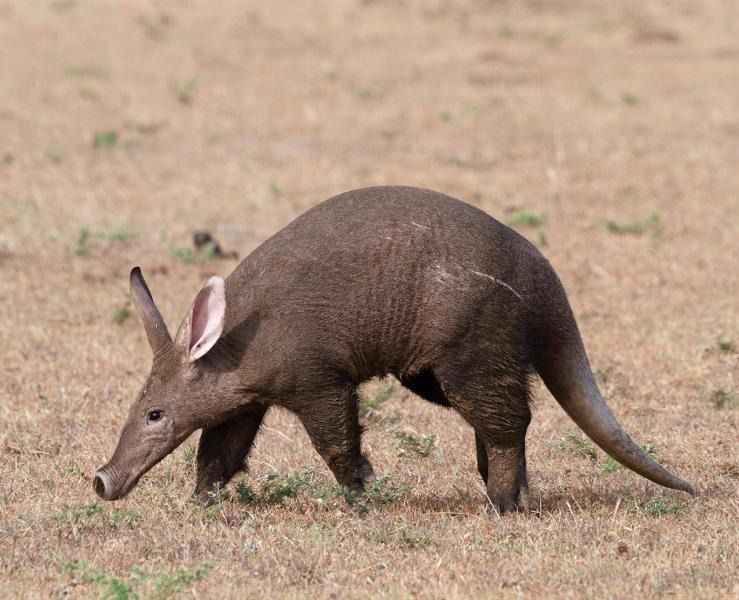
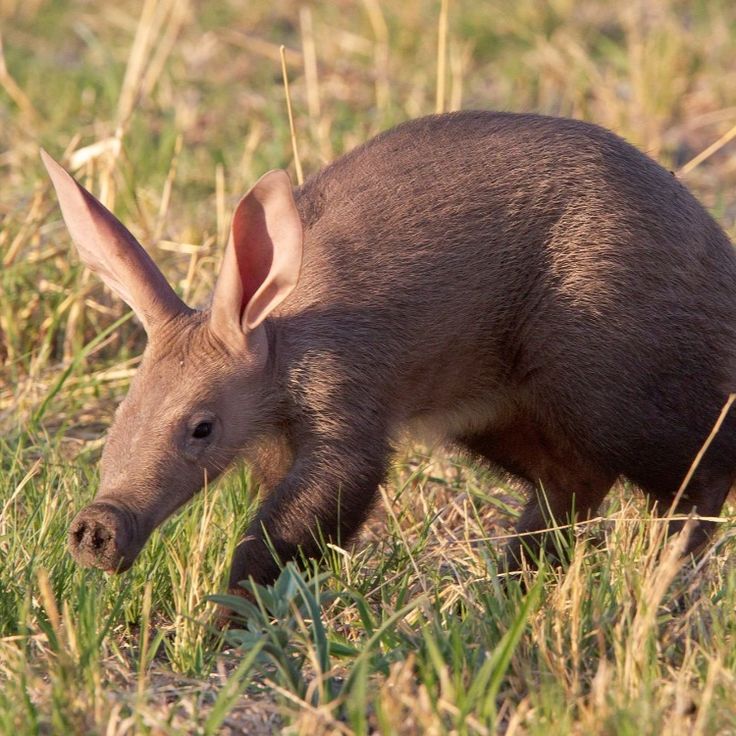
Aardvarks—often dubbed “earth pig” or “ant bear”—are even-toed mammals native to sub-Saharan Africa. Known for their unique appearance—long snouts, pig-like snouts, big ears, stumpy tails, and powerful digging claws—they are elusive, nocturnal, and solitary. Spotting one feels like a true safari trophy, but success is rare even for seasoned trackers.
So the question is: Can you realistically expect to see aardvarks in Kenya? And if so, where, how, when—and with whom? Great Migration Adventure answers that and explains how our tailor-made, conservation-minded safaris maximize your chances of hearing snuffles and spotting this rare creature in the wild.
aardvarks in Kenya
1. Aardvark 101: Biology, Behavior & Habitat
-
Species: Orycteropus afer—the only surviving member of the order Tubulidentata.
-
Physical Traits: Up to 2 m long body, 60 cm long tail, long ears (up to 25 cm), weighing 40–80 kg.
-
Feeding: Specialized diet of ants and termites; long, sticky tongue up to 30 cm.
-
Behavior: Nocturnal solitary activity; digs deep burrows to avoid daytime heat.
-
Habitat: Savannah, scrub, woodlands, grasslands; avoids dense forest and very dry deserts.
Aardvarks have low surface temperature detection, so they emerge only when conditions are favorable—cool nights after rain cycles are ideal.
2. Are Aardvarks Present in Kenya?
Yes—but sightings are rare.
-
Distribution: Widespread across Kenya, especially in Laikipia, Samburu, Tsavo, Loisaba, Masai Mara conservancies, Amboseli buffer lands, and parts of Northern Kenya.
-
Population: Locals have identified them at conservancy boundaries and community grazing areas.
-
Research records: Camera trap studies and local wildlife experts confirm their presence, though no formal large-scale population counts exist.
Because aardvarks are solitary and nocturnal, seeing one is a matter of careful planning, guided effort, and a touch of luck—qualities at which Great Migration Adventure excels.
3. Why They’re So Hard to See
-
Nocturnal: They only emerge at night.
-
Solitary: You won’t see groups—only one individual at a time.
-
Burrowing: They spend most daytime hours underground in deep burrows.
-
Camouflage and stillness: When they move, they freeze or blend in.
-
Behavior: Aardvarks move slowly to forage but can flee rapidly if startled.
Yet, when they are seen—emerging between burrows after dusk—it’s magical.
4. When and Where to Go for the Best Chance
Best times:
-
After rains: Termite floods lure them to surface.
-
Evening hours: Between 8:00 pm and midnight offers best visibility with spotlights.
-
Dry or early wet season: Cooler nights increase activity.
Best Locations for Spotting:
-
Laikipia & Loisaba Conservancies: Camera trap data shows occasional activity; Game drives after dark with experts may find fresh tracks or holes.
-
Samburu / Buffalo Springs: Dry dry forest edges near riverbanks—known to locals.
-
Tsavo East (northern zone): Remote, little light, spotted during night drives.
-
Amboseli buffer zones: Dusk night drives sometimes reveal snorts or lumps ambling near termite mounds.
-
Private Masai Mara conservancies: Teams occasionally track daytime burrow locations and return at night.
Great Migration Adventure arranges guided night drives with local naturalists in these regions—combining them with high-elevation look‑outs or vista points for star viewing and wildlife spotting.
5. How Our Tours Maximize Your Aardvark Sightings
Great Migration Adventure designs private or small-group safaris with these key strategies:
-
Flexible Night Drives
After sundowner game drives, vehicles head into termite-rich areas with spotlights and local trackers. -
Educated Local Trackers
Many Masai and Samburu scouts trained in wildlife detection know the signs: burrow shapes, foraging signs, fresh tracks. -
Camera-Trap Knowledge
In partnership with conservancies, we use areas with confirmed aardvark recordings to focus our evening route. -
Conservation Experience Stay
Optional visits to field stations where aardvark nocturnal behavior is studied. -
Terrain Selection
Long grass savannah and thicket edges where termites are abundant. -
Low Light Night Safaris
Using red-filter spotlights only—allowing minimal disturbance and retaining night vision.
6. What You’ll See: Behavior and Field Marks
-
Long untilted body, pale grey fur dusted with dirt.
-
Long face and snout holding curling insect-filled pellets.
-
Broad feet with long claws for digging.
-
Tail swishing slowly as the animal moves between mounds.
-
Ventilation flaring (ears moving) as scenting air.
-
Short sniffing pauses near termite mound before rapid departure.
Because sightings are short (typically under 5 minutes), guests must be poised, cameras ready, and guided to remain still.
7. Conservation and Cultural Importance
-
Termite control: Aardvarks influence insect balance, indirectly aiding vegetation health.
-
Burrows provide shelter for scrub hares, bush land tortoises, foxes, and even honey badgers.
-
Ecosystem indicator: Their presence signals healthy termite colonies and low pesticide use.
Local communities hold mixed attitudes—some believe aardvark sightings portend good rains or omens. Great Migration Adventure engages with Maasai and Samburu naturalists to respect and share cultural stories without sensational folklore.
8. Practical Considerations
What to Bring
-
Warm layers and thermals for night drives
-
Binoculars or camera with 200+ mm lens and fast ISO (>1600)
-
Red light torches
-
Voice recorder (to note signs: grunt-snort-snuffs)
-
Headlamps with red filter
-
Water bottle
Restrictions & Permits
-
Aardvark tracking is done from vehicle—no walking safaris.
-
Night drives require special permits in parks like Samburu and Tsavo.
-
Our guides coordinate with park authorities and conservancies for permissions.
Logistics
-
Vehicle-mounted universal charging for cameras and phones
-
Night game-drive vehicles configured with roof-mounted spotlights
-
Comfortable seating with headrests; save energy for sharp listening
9. Sample Itinerary — 9-Day Safari with Aardvark Tracking Focus
Day 1 & 2: Laikipia Plateau
Arrive Nairobi → Drive to Laikipia → Afternoon game drives → Sunset stargazing → Night drive with track search.
Day-3 & 4: Samburu & Buffalo Springs
Mid-morning wildlife drives → Cultural visits → Night safari into scrubland searching for burrows and foraging aardvarks.
Day 5: Transition to Masai Mara Conservancy
Flight or drive → Afternoon guided walking safari → Night drive focusing on termite-rich terrain.
Day-6: Mara Grasslands
Wet season rains expected → evening astronomy plus aardvark storytelling.
Day 7 & 8: Amboseli Buffer Zones
Mount Kilimanjaro backdrop → Dusk drives plus controlled spotlighting; highlight rare sighting narration.
Day-9: Return to Nairobi
Morning rest → Optional debrief with Maasai conservation advocates → Depart Nairobi.
This itinerary offers up to six night searching opportunities across confirmed aardvark habitat.
10. Success Stories: Guest Encounters
“We saw movement near a termite mound—ears flickering. Our guides froze—thank God. It came out fully in the spotlight. Aardvark!” — Lucy P., UK
“A shadow on the horizon—my kids were whispering. Suddenly it sniffed and vanished into a mound. Best moment of my safari.” — Rajiv N., India
“Our conservation guide showed us burrow clusters and explained termite control. When we spotted the animal feeding—we were speechless.” — Miriam T., Australia
11. Possible Sightings vs Wild Expectations
Expectations matter. Sightings of aardvarks are not guaranteed—but they’re more likely where anatomy, habitat, timing, and guide expertise align. Great Migration Adventure ensures transparency: sightings are rare, and our clients know it’s a special added possibility—not a promise.
12. Conservation & Ethical Practices
-
Zero foot contact: View from vehicle only.
-
Quiet equipment: Red lights, silent engines.
-
Supporting conservation: Part of your safari fee supports community-trained trackers and scavenger patrol.
-
Scientific outreach: We collaborate with biodiversity projects on aardvark monitoring, camera traps, and education.
13. Additional Fauna You Might Spot at Night
While searching, you may also see:
Porcupines
-
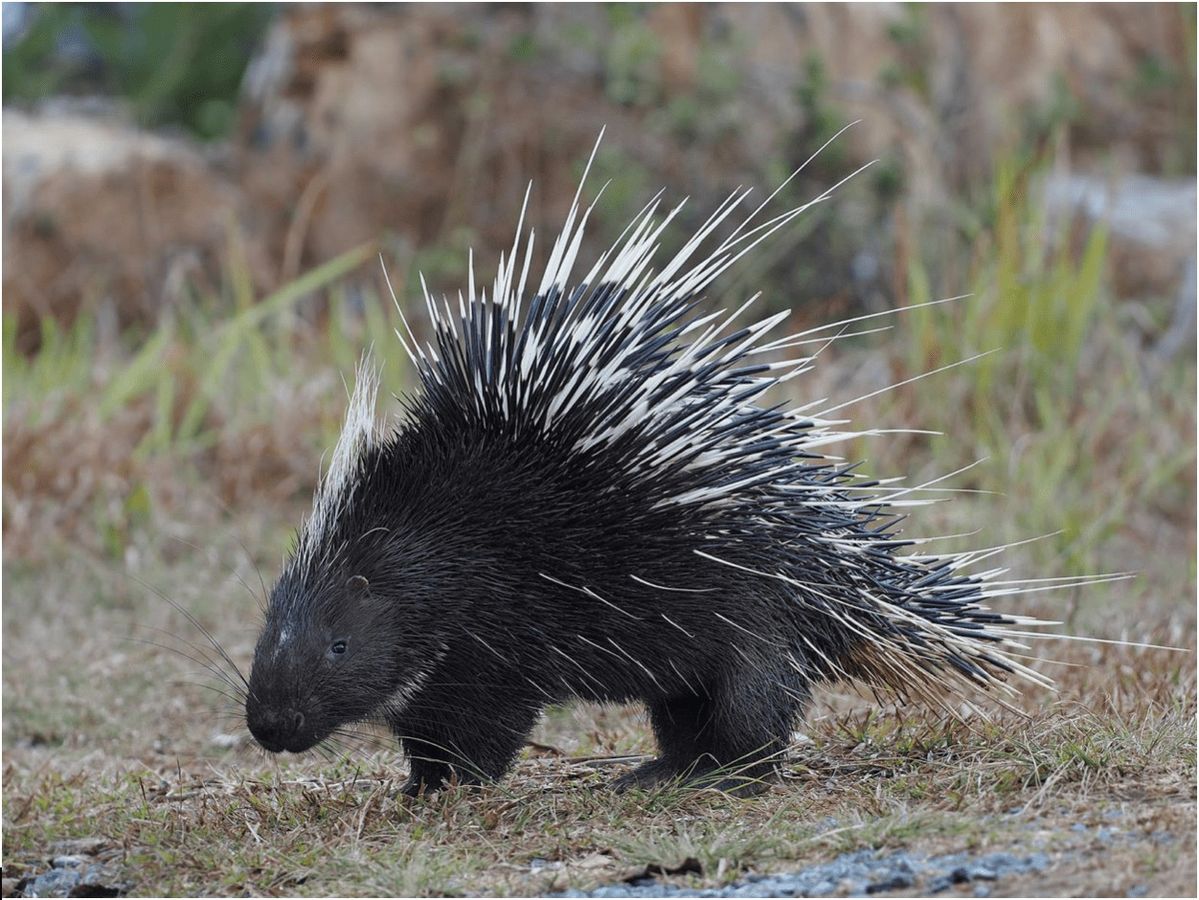
Porcupines grazing in grass fringes
-
Bush babies or galagos leaping through trees
-
Genets or civets patrolling termite areas
-
Owls—especially in forest edges near Kibwezi or Amboseli woodlands
-
Serval or leopard emerging at dusk
These sightings amplify the sense of safari immersion—multiple rare species unfolding beneath stars.
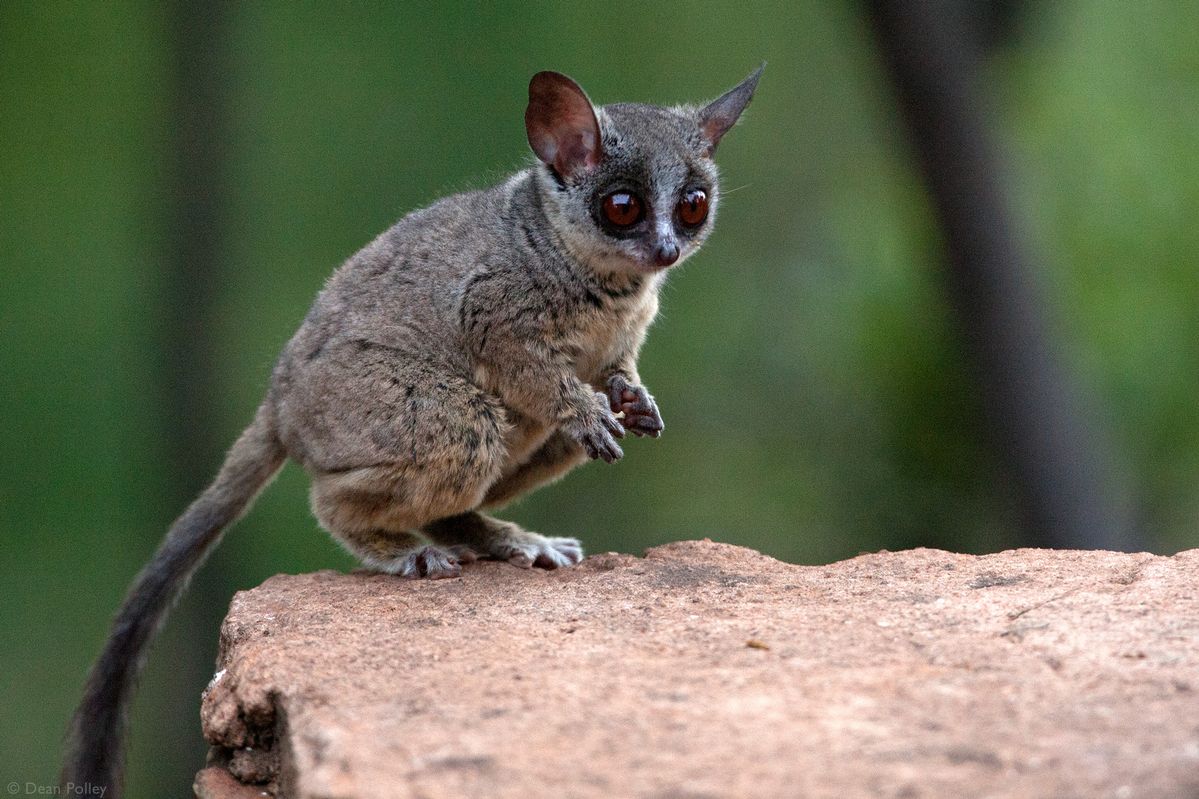
Bush babies
14. Aardvark Awareness: Why It Matters
-
Aardvarks are seldom studied, yet vital to savannah ecosystem balance.
-
Their burrow holes create miniature microhabitats used by other species.
-
Monitoring of aardvark health helps indicate termite population health and pesticide absence.
-
Great Migration Adventure commits part of safari revenue to community monitoring program, including outreach on pesticide and pastoral awareness.
15. Final Thoughts: Can You See Aardvarks in Kenya? With Us, You Have a Chance
Yes—it’s possible to see aardvarks in Kenya with the right planning, conditions, and guided expertise. While sightings are rare, they are reliably more likely when visiting the right areas (Laikipia, Samburu, Mara conservancies, northern Tsavo, Amboseli buffers) under favorable conditions.
As Great Migration Adventure, we curate safaris that prioritize wildlife encounters, cultural respect, and flexible routes. Our aardvark-tracking modules blend night drives, scientific context, local tracker knowledge, and conservation practice. Each of our trips is designed to provide an immersive African night experience—including, when possible, the thrill of seeing that long-snouted, silent forager emerging under the moonlit savannah.
If encountering aardvarks is on your bucket list—drop us a message. We’ll design a custom safari built around termite mounds, star-filled skies, wildlife bush drives, and a significant chance to see the quietly elusive aardvark.
Together, let’s go beyond the Big Five—into the night realm of Africa’s hidden guardians.