
Are There Photography-Focused Group Safaris?
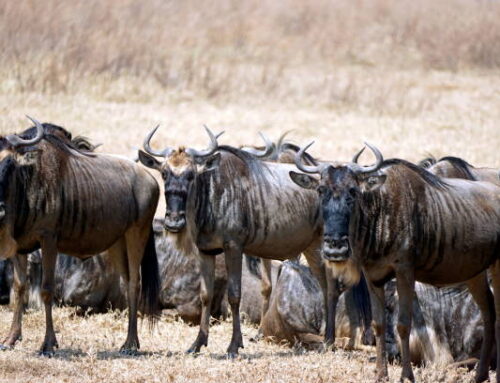
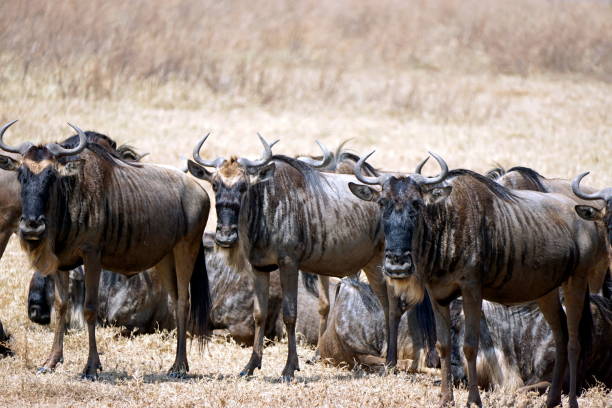
For wildlife lovers, nature enthusiasts, and serious shutterbugs, Africa offers one of the most photogenic landscapes on Earth—towering baobab trees, golden savannahs, herds of wildebeest, hunting predators, dramatic storms, and ethereal sunrises. And while any safari provides breathtaking sights, not all safaris are created equal—especially if your goal is to capture those scenes through a camera lens.
So if you’re asking yourself, Are there photography-focused group safaris? the answer is a clear and exciting yes.
Photography-focused safaris are a growing niche in wildlife tourism. These trips are designed for travelers who want more than a quick snapshot—they want time, guidance, and the right conditions to take truly remarkable photos. Whether you’re a beginner, an enthusiast, or a professional photographer, a photography safari is tailored to help you make the most of your passion.
This in-depth guide will walk you through everything you need to know about photography safaris, including what to expect, how they differ from regular tours, what gear to pack, and why they are an unforgettable investment in your craft. We’ll also highlight why Great Migration Adventure is the ideal partner for your next photo-centric safari.
What Is a Photography-Focused Safari?
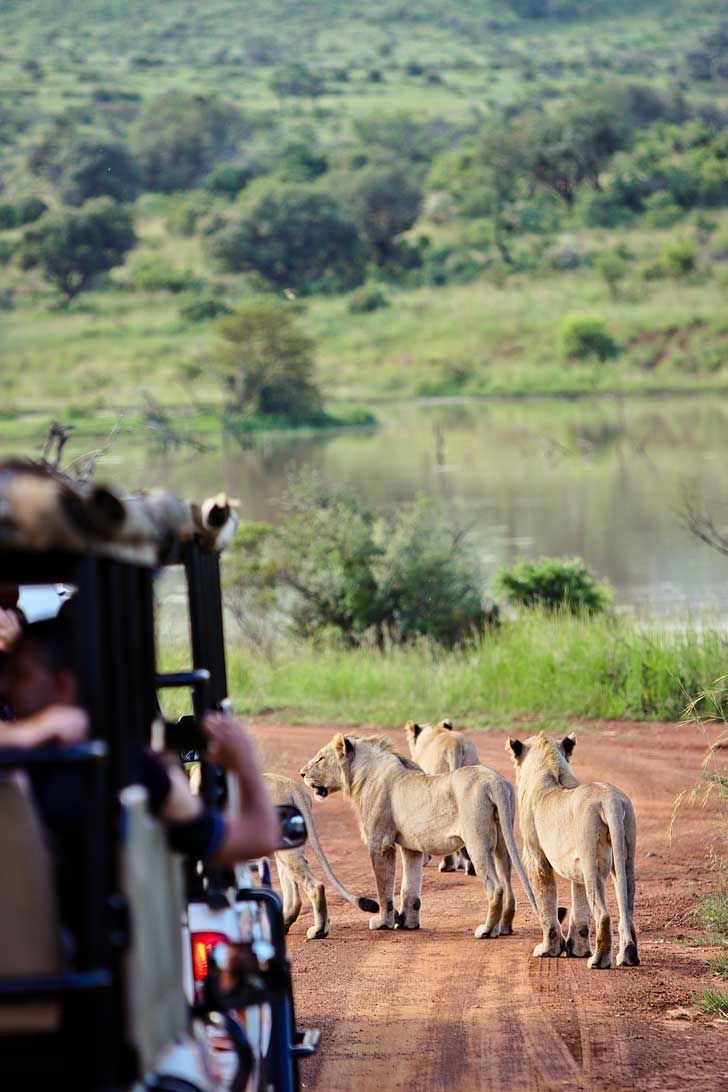
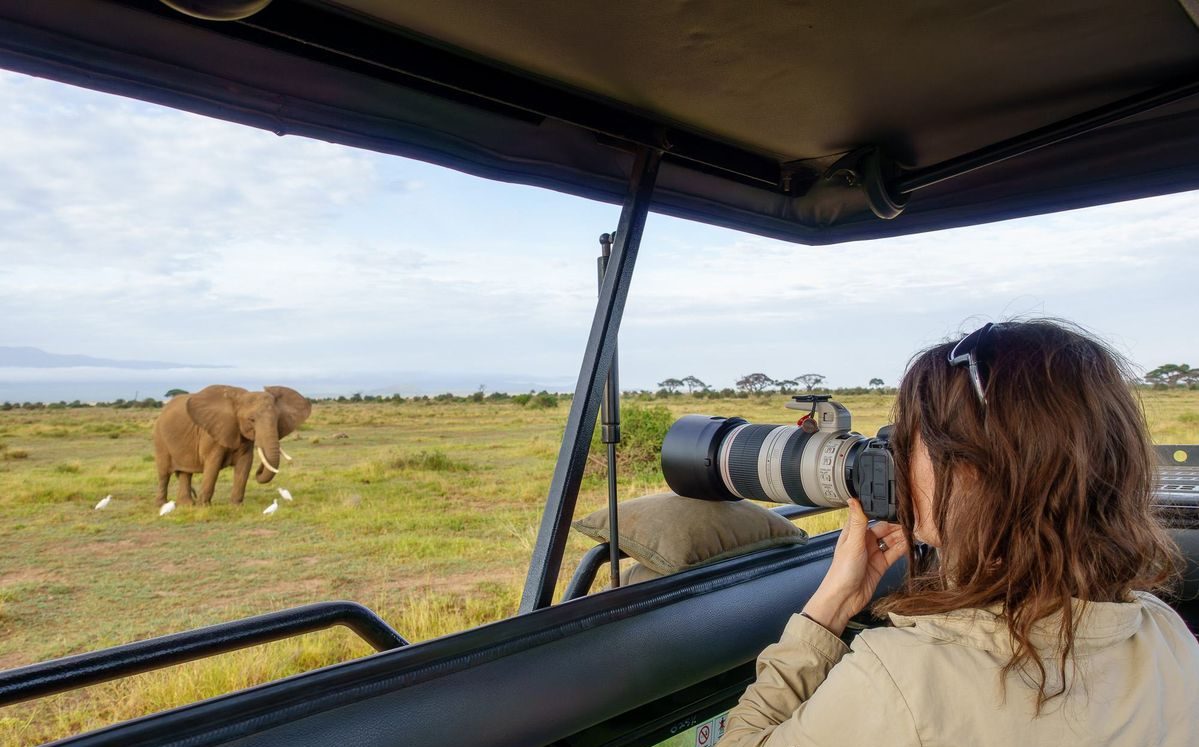
A photography safari is a wildlife tour designed with the unique needs of photographers in mind. Unlike traditional safaris, where the focus is often on maximizing the number of animal sightings, photo safaris emphasize quality over quantity. The goal is not just to see a lion, but to wait patiently for the perfect moment when it yawns, stretches, or walks against the golden horizon.
This kind of safari prioritizes:
-
Golden hour game drives (early morning and late afternoon)
-
Low vehicle occupancy for unobstructed camera angles
-
Extended time at sightings
-
Photography-friendly vehicle setups
-
Professional photographic guidance and tutorials
-
Slower-paced itineraries to match the rhythm of natural events
It’s about immersing yourself in the wildlife experience and capturing its beauty in compelling, meaningful ways.
Who Should Join a Photography Safari?
Photography safaris are ideal for:
-
Beginner photographers looking to improve skills with expert support
-
Hobbyists with a DSLR or mirrorless camera and a passion for wildlife
-
Professional photographers seeking portfolio-quality shots
-
Bloggers and content creators looking for high-impact images
-
Nature lovers who enjoy observing animal behavior in depth
You don’t need to be a professional to join. Many photo-focused tours are open to all levels and offer practical guidance that meets you where you are.
What Makes a Photography Safari Different?
Here’s how a photography-focused safari stands apart from a typical group tour:
1. Optimal Game Drive Times
Photographers live for light. Drives begin before sunrise or stretch into twilight to catch the soft, golden lighting that adds magic to every image. Midday drives—where the light is harsh—are often avoided or replaced with editing and learning sessions.
2. Smaller Groups per Vehicle
Standard safari vehicles may carry up to 7 or 8 people. Photography safaris limit guests to 2–4 per vehicle. Each participant typically gets a full row to allow camera movement, multiple lenses, and unobstructed views.
3. Patience and Time
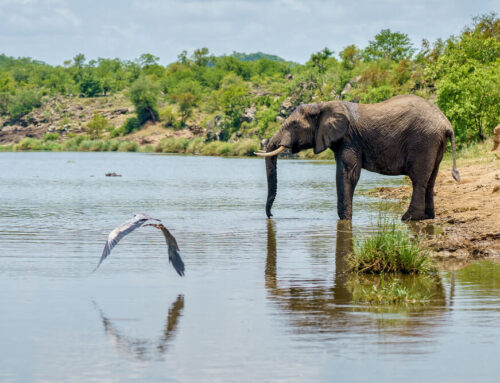
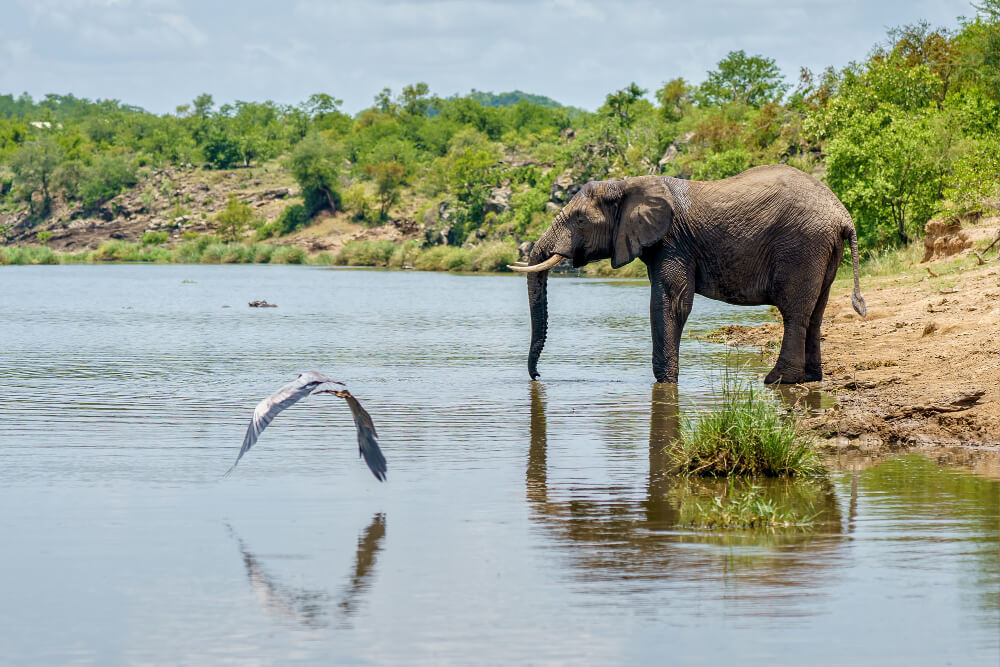
You might spend an hour observing one leopard or wait quietly near a watering hole for the perfect elephant reflection. The goal is to give photographers the time needed to create—without rushing off to the next sighting.
4. Special Vehicle Modifications
Some vehicles are equipped with camera mounts, beanbags, padded platforms, and even 360-degree swivel seats. USB charging ports and open-top viewing are common.
5. Photo Mentorship
Experienced photographers or guides often accompany the group, offering in-field support and sometimes post-processing advice. Many photography safaris include daily image review sessions, workshops, and one-on-one mentoring.
Why Choose a Photography-Focused Safari with Great Migration Adventure?
If you’re planning a photography safari in East Africa, Great Migration Adventure offers the ideal balance of expert guidance, flexible itineraries, and premium wildlife access. As a specialist in immersive African safaris, they understand the rhythm and patience required to capture those once-in-a-lifetime images.
Why Great Migration Adventure stands out:
-
They offer small group safaris tailored specifically for photographers.
-
Their guides are trained not only in wildlife tracking but also in photographic positioning, light awareness, and compositional help.
-
They customize routes around seasonal events, such as the wildebeest migration, predator activity, and birding spectacles.
-
You’ll benefit from flexible schedules, early departures, and lingering at sightings to get the perfect shot.
-
Camp locations and accommodations are selected not just for comfort—but also for their proximity to photo opportunities.
Whether you want to follow the Big Five, capture dramatic river crossings in the Maasai Mara, or focus on gorillas in misty mountain forests, Great Migration Adventure builds an experience around your creative vision.
Where to Go for the Best Photography Safaris
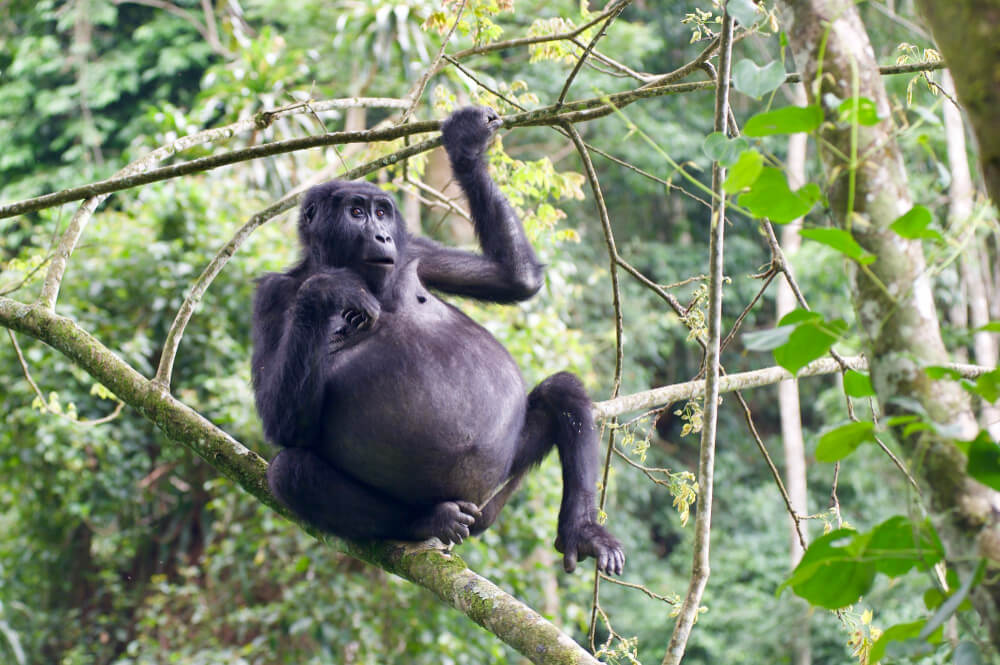
Bwindi Impenetrable Forest National Park
Great Migration Adventure operates in some of Africa’s most photographically rewarding locations, including:
📍 The Serengeti (Tanzania)
Iconic rolling plains, massive herds, and dramatic predator action. Perfect for motion shots and landscape compositions.
📍 Maasai Mara (Kenya)
Stunning light, big cat sightings, and migration river crossings. Classic wildlife photography at its best.
📍 Bwindi Impenetrable Forest (Uganda)
Ideal for close-up portraits and emotion-filled storytelling—especially during gorilla treks.
📍 Queen Elizabeth & Murchison Falls National Parks (Uganda)
Diverse habitats provide chances for elephants, hippos, tree-climbing lions, and beautiful birdlife.
Each itinerary is designed to align with nature’s calendar—whether that’s calving season in the Serengeti or the lush green landscapes of Uganda in the wet season (ideal for dramatic skies and color-rich photos).
A Typical Day on a Photography Safari
Your photography safari with Great Migration Adventure might look like this:
05:00 AM – Wake-up call with coffee or tea
05:30 AM – Depart for game drive during golden hour
06:30–10:30 AM – Photograph key wildlife moments with guidance from your photo mentor
11:00 AM – Return to camp for brunch and image review
Midday – Rest, editing session, or informal photography workshop
03:30 PM – Afternoon tea and briefing
04:00–07:00 PM – Evening game drive focused on light, composition, and unique sightings
07:30 PM – Dinner under the stars, followed by slideshow or Q&A
Unlike traditional safaris, there’s more time for learning, adjusting your skills, and reviewing your images in the moment—so you return home not just with better photos, but as a better photographer.
What Equipment Should You Bring?
Photography safaris demand thoughtful packing. Depending on your level, here’s what you’ll want:
Essential Gear
-
Camera body (DSLR or mirrorless)
-
Telephoto lens (100–400mm or 200–600mm for wildlife)
-
Wide-angle lens (for landscapes, camps, or group photos)
-
Spare batteries and memory cards
-
Beanbag or clamp for lens stability in vehicles
-
Rain cover or weather protection for your gear
-
Microfiber cloths and cleaning kits
-
External hard drive or cloud storage
-
Laptop for quick edits and backups
Optional Extras
-
Tripod (useful at lodges or for low-light landscapes)
-
Polarizing filter (for dramatic skies and reflections)
If you’re unsure what to pack, Great Migration Adventure provides a personalized pre-trip consultation, where their team can recommend gear based on your goals and locations.
Tips for Getting the Best Safari Shots
-
Use Natural Light
Work with the soft light of sunrise and sunset. Avoid using flash—it disturbs wildlife and is often prohibited. -
Watch Animal Behavior
Anticipate movement. Look for signs of hunting, feeding, or interaction. Great photos come from patience. -
Tell a Story
Don’t just shoot portraits. Capture the context: the landscape, the herd, the interaction. Think in sequences. -
Practice Ethical Photography
Never harass or bait wildlife. Always follow your guide’s advice and respect nature. -
Don’t Forget People
Capture portraits of your guides, lodge staff, and local communities with their consent. Their stories enrich your safari narrative.
Common Questions About Photo Safaris
🟡 Do I need to be a professional photographer?
No. Many guests are beginners or intermediate shooters. Great Migration Adventure caters to all levels.
🟡 Can I rent gear locally?
Yes. In some cities like Nairobi, Entebbe, or Arusha, gear rental options are available. Great Migration Adventure can assist with arrangements if needed.
🟡 Will I have internet access to upload or back up my photos?
Some camps offer limited Wi-Fi. However, it’s always wise to bring external storage devices.
🟡 What if I travel with a non-photographer companion?
Great Migration Adventure welcomes mixed-interest groups. Your partner can enjoy the safari while you focus on photography—with shared game drives and separate activities if desired.
A photography-focused safari isn’t just a vacation—it’s a deep dive into the rhythm of the wild. It’s about slowing down, seeing more, and walking away not only with stunning photos but also a greater appreciation for the natural world.
If you’ve ever wanted to witness Africa’s soul through your lens—and improve your craft with guidance and intention—then a photography group safari is calling your name.
And with a passionate, detail-oriented operator like Great Migration Adventure, you’re not just going on another tour. You’re joining a story—and documenting it, one frame at a time. Book Now!