

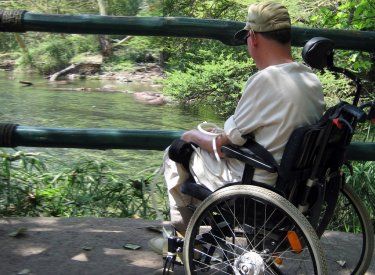
The Complete Guide to Wheelchair-Accessible Great Migration Safaris
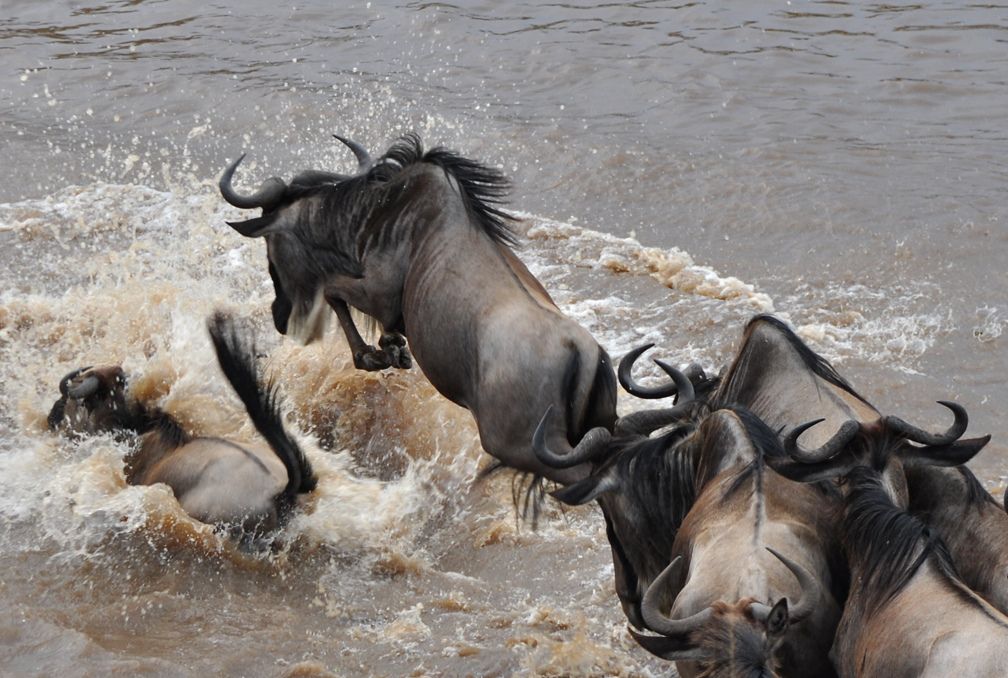
The Great Migration represents one of nature’s most awe-inspiring phenomena, with over 1.5 million wildebeest, 300,000 zebras, and hundreds of thousands of gazelles traversing the Serengeti-Mara ecosystem in an endless cycle of survival. For decades, this breathtaking spectacle remained largely inaccessible to wheelchair users and travelers with mobility challenges due to the rugged African terrain and lack of adaptive infrastructure. However, the safari industry has undergone a quiet revolution in accessibility, making it increasingly possible for travelers of all abilities to witness this natural wonder firsthand.
This comprehensive guide will explore every aspect of accessible migration safaris, from cutting-edge adaptive vehicles to fully equipped lodges and specialized tour operators. We’ll examine:
-
The evolution of accessibility in East African safaris
-
Current infrastructure and transportation options
-
Detailed assessments of accessible lodges and camps
-
First-hand accounts from wheelchair-using travelers
-
Step-by-step planning strategies
-
Cost considerations and budgeting
-
Emerging technologies improving accessibility
-
Regional differences between Tanzania and Kenya
-
Seasonal considerations for optimal access
-
Staff training and assistance availability
By the end of this guide, you’ll have all the information needed to plan a successful, comfortable, and unforgettable wheelchair-accessible Great Migration safari.
Understanding the Challenges: Why Safaris Have Been Traditionally Inaccessible
The African bush presents unique obstacles for wheelchair users that differ significantly from urban accessibility challenges:
Terrain Difficulties
-
Sandy, uneven paths that are nearly impossible to navigate with standard wheelchairs
-
Lack of paved surfaces in wilderness areas
-
Steep inclines and sudden drop-offs near riverbanks
-
Thick mud during rainy seasons (April-May and November)
Transportation Barriers
-
Traditional safari vehicles require climbing 3-4 steps to enter
-
High clearance needed for rough roads makes ramps impractical
-
Limited space for wheelchair storage in standard game drive vehicles
Accommodation Limitations
-
Tent camps with narrow doorways and raised floors
-
Bathrooms designed without grab bars or roll-in showers
-
Pathways between tents often covered in loose gravel
Service Gaps
-
Staff frequently untrained in assisting guests with disabilities
-
Lack of emergency evacuation plans for mobility-impaired guests
-
Medical facilities in remote areas unequipped for complex needs
These challenges have historically excluded many travelers with mobility limitations from experiencing the Great Migration. However, innovative solutions are changing this reality.
The Accessibility Revolution: How Safari Operators Are Adapting
Over the past decade, pioneering tour operators and lodge owners have developed creative solutions to make migration safaris more inclusive:
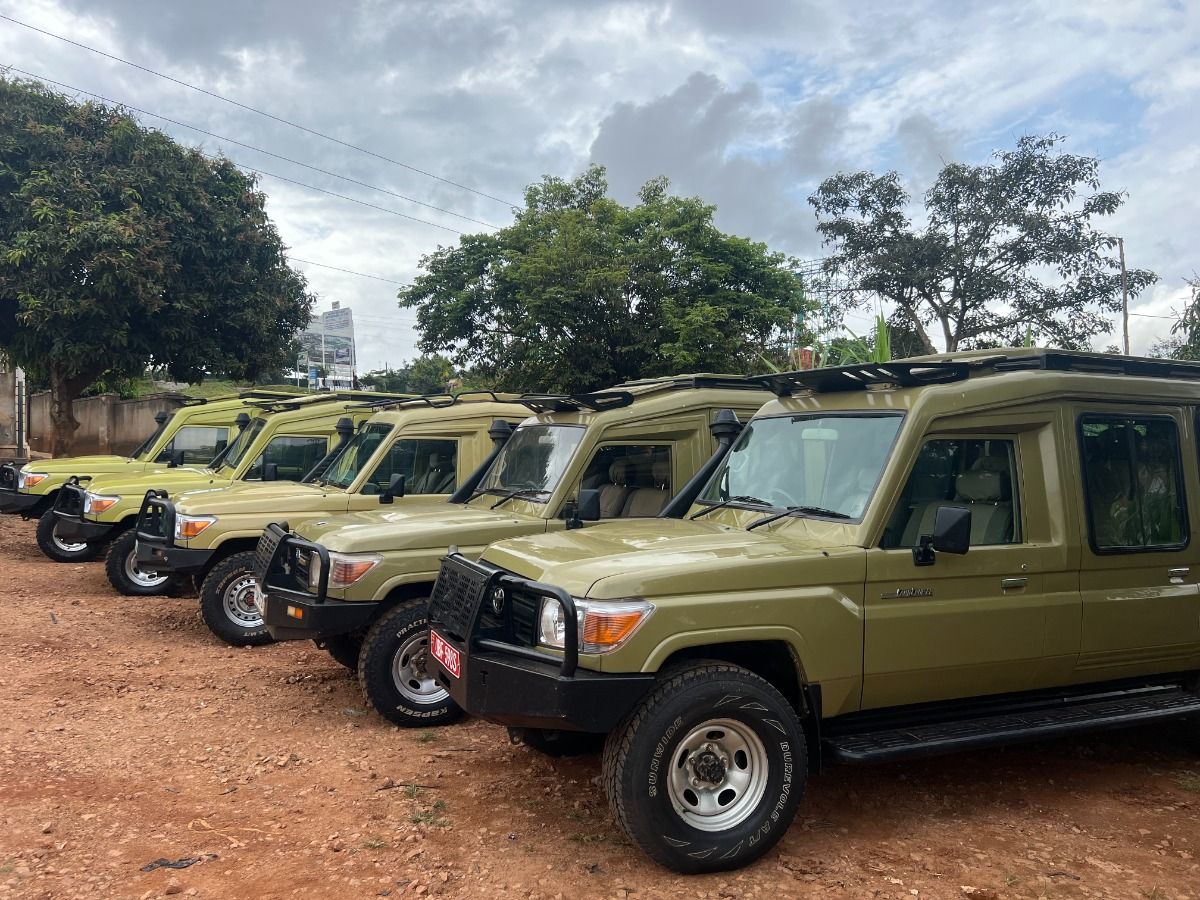
Adaptive Safari Vehicles
Specialized modifications include:
-
Hydraulic lifts capable of handling 300+ pounds
-
Rear-loading systems with fold-out ramps
-
Wheelchair locking mechanisms for safety
-
Removable seats to create space
-
Side-opening doors on some newer models
Accessible Lodge Design
Modern accessible camps feature:
-
Concrete or packed earth pathways (minimum 1m wide)
-
Roll-in showers with fold-down seats
-
Lowered vanity heights in bathrooms
-
Ramps with proper gradient (1:12 ratio)
-
Emergency call systems in rooms
Staff Training Programs
Progressive operators now provide:
-
Disability awareness training for all employees
-
Lifting and transfer technique instruction
-
Emergency evacuation drills for mobility-impaired guests
-
Cultural sensitivity training regarding disability
Specialized Equipment
Available at premium camps:
-
All-terrain wheelchairs with balloon tires
-
Portable shower chairs
-
Bed risers for easier transfers
-
Temporary ramp systems for tricky areas
Wheelchair-Accessible Lodges Along the Migration Route
Tanzania’s Serengeti National Park
Four Seasons Safari Lodge Serengeti
-
2 fully accessible suites with roll-in showers
-
Elevator access to all public areas
-
Pool lift available
-
Paved pathways to main viewing decks
-
Staff trained in ADA standards
Serengeti Serena Safari Lodge
-
4 modified rooms with grab bars
-
Ramps to dining area and pool
-
Golf carts available for transport
-
Assistance dogs permitted
Singita Faru Faru
-
Private villa with accessible design
-
Boardwalks to prime viewing spots
-
Spa treatment table with lift
-
Customized game drive vehicles
Kenya’s Masai Mara
Mara Serena Safari Lodge
-
3 wheelchair-friendly rooms
-
Accessible viewing platform at river
-
Smooth pathways to dining areas
-
Adapted safari vehicles available
Enkorok Mara Camp
-
Specially designed tent with ramp
-
Wide doorways and hard floors
-
Staff trained in assistance techniques
-
Private vehicle booking option
Governors’ Il Moran Camp
-
One accessible tent with roll-in shower
-
Raised walkways prevent flooding
-
Emergency evacuation plan
-
All-terrain wheelchair available
Private Conservancies: The Gold Standard for Accessibility
Private wildlife conservancies bordering national parks often provide superior accessibility:
Advantages Over National Parks:
-
Smoother, better-maintained roads
-
Fewer vehicles and more flexibility
-
Ability to drive off-road when needed
-
Higher staff-to-guest ratios
-
More customized experiences
Top Accessible Conservancies:
Mara North Conservancy (Kenya)
-
Home to several accessible camps
-
Permits night drives for easier wildlife viewing
-
Less crowded than main reserve
Grumeti Reserve (Tanzania)
-
Luxury lodges with accessibility features
-
Helicopter transfer options
-
Flat terrain in many areas
Olare Motorogi Conservancy
-
Limited to 12 tents across 35,000 acres
-
Specially adapted vehicles available
-
Smooth tracks to river crossings
Adaptive Safari Vehicles: Your Key to Accessibility
The most critical component of an accessible safari is proper transportation. Several specialized options exist:
Hydraulic Lift Vehicles
-
Rear-mounted platform lifts
-
Capacity: 300-400 lbs
-
Secure locking mechanisms
-
Removable seats for space
-
Available through operators like Epic Enabled
Ramp-Equipped Land Cruisers
-
Fold-out aluminum ramps
-
Lowered floor sections
-
Side or rear entry options
-
Common in Kenya’s conservancies
Alternative Options:
-
Closed-sided vans with wheelchair entry
-
Customized overland trucks
-
Helicopter transfers to remote areas
What to Ask About Vehicles:
-
Exact dimensions of entry points
-
Weight capacity of lifts/ramps
-
Safety restraint systems
-
Availability of tie-downs
-
Backup vehicles in case of breakdown
Planning Your Accessible Migration Safari: A Step-by-Step Guide
1. Choose Your Season Wisely
Best: July-October (Dry Season)
-
Firm ground conditions
-
Easier vehicle access
-
Predictable wildlife movements
Avoid: April-May (Long Rains)
-
Muddy, slippery conditions
-
Some camps closed
-
Difficult road access
2. Select an Accessibility-Specialized Operator
Recommended specialists:
-
Epic Enabled (Africa-wide)
-
Go Africa Safaris (Kenya focus)
-
Accessible Tanzania (Local expertise)
3. Verify Lodge Accessibility
Key questions to ask:
-
Exact measurements of doorways
-
Shower chair availability
-
Pathway surface materials
-
Staff training levels
-
Emergency protocols
4. Arrange Transportation
Must-have details:
-
Vehicle modification specifics
-
Backup options
-
Transfer assistance availability
-
Equipment storage space
5. Prepare Medical Needs
Essential preparations:
-
Extra wheelchair parts
-
Pressure relief cushions
-
Medical supply inventory
-
Emergency contact list
6. Secure Proper Insurance
Critical coverage areas:
-
Medical evacuation
-
Equipment damage/loss
-
Trip interruption
-
Pre-existing conditions
Cost Considerations: Budgeting for Accessibility
Accessible safaris typically cost 20-40% more than standard trips due to:
Primary Cost Factors:
-
Specialized vehicles ($200-$500/day extra)
-
Private guides ($300-$600/day)
-
Accessible room premiums ($100-$300/night)
-
Medical equipment transport fees
Sample 7-Day Budget (Per Person):
| Category | Standard Safari | Accessible Safari |
|---|---|---|
| Lodging | $2,500-$4,000 | $3,500-$5,500 |
| Vehicles | $1,000-$1,500 | $2,000-$3,000 |
| Guides | $700-$1,000 | $1,500-$2,000 |
| Extras | $300-$500 | $800-$1,500 |
| Total | $4,500-$7,000 | $7,800-$12,000 |
Cost-Saving Strategies:
-
Travel in shoulder seasons
-
Join small group tours
-
Book 12+ months in advance
-
Combine with non-safari destinations
First-Hand Experiences: Lessons from Wheelchair Safari Veterans
Mark T.’s Story (Spinal Cord Injury):
“My adapted Land Cruiser was a game-changer. We removed two seats so I could stay in my chair during drives. The staff at Four Seasons Serengeti were incredible – they even created temporary ramps over tricky spots when needed.”
Sarah K.’s Adventure (MS):
“I worried about bathroom access, but our tent had a beautiful roll-in shower with a fold-down seat. The all-terrain wheelchair provided by the camp let me get surprisingly close to a leopard sighting.”
Key Takeaways from Experienced Travelers:
-
Over-communicate your needs
-
Bring a capable travel companion
-
Pack essential spare parts
-
Accept that some areas may remain inaccessible
-
Focus on what you CAN experience
The Future of Accessible Safaris: Emerging Innovations
Vehicle Technology
-
New electric safari vehicles with lower floors
-
Retractable ramp systems
-
Advanced suspension for smoother rides
Lodge Design
-
Universal design principles becoming standard
-
Mobile app-controlled room features
-
Virtual reality safaris from lodge decks
Community Impact
-
Training programs for disabled safari guides
-
Local wheelchair manufacturing initiatives
-
Accessible tourism certification programs
Regional Differences: Tanzania vs. Kenya
Tanzania Advantages:
-
More luxury lodge options
-
Larger selection of adapted vehicles
-
Better dry season accessibility
Kenya Advantages:
-
More private conservancies
-
Stronger disability rights laws
-
Shorter transfers from Nairobi
Making Your Decision: Is an Accessible Migration Safari Right for You?
Ideal Candidates:
-
Those with lightweight wheelchairs
-
Travelers with companions/assistants
-
People comfortable with some uncertainty
-
Those with realistic expectations
Potential Challenges:
-
High costs of fully accessible trips
-
Limited last-minute availability
-
Need for flexibility in itinerary
-
Physical demands of bush travel
Final Checklist for Planning
-
Confirm vehicle modifications meet your needs
-
Verify exact lodge accessibility features
-
Arrange medical equipment transport
-
Purchase comprehensive travel insurance
-
Pack essential supplies and spares
-
Prepare for some itinerary flexibility
-
Connect with previous accessible safari guests
While challenges remain, the safari industry has made tremendous strides in accessibility, making the dream of witnessing the Great Migration achievable for wheelchair users. By selecting the right operator, verifying accessibility features, and preparing thoroughly, travelers with mobility limitations can now experience one of nature’s most magnificent events. The roar of thousands of hooves, the drama of river crossings, and the golden African sun need not be missed – with proper planning, the adventure of a lifetime is within reach. Book Now!