How Does Weather Affect the Great Migration?
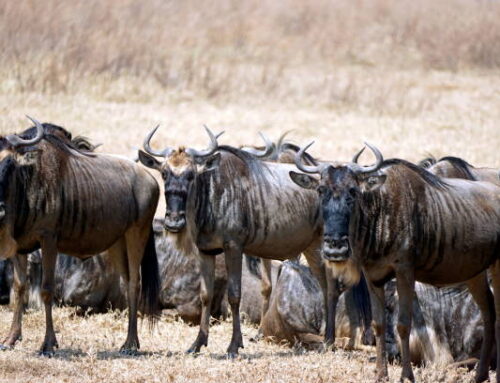
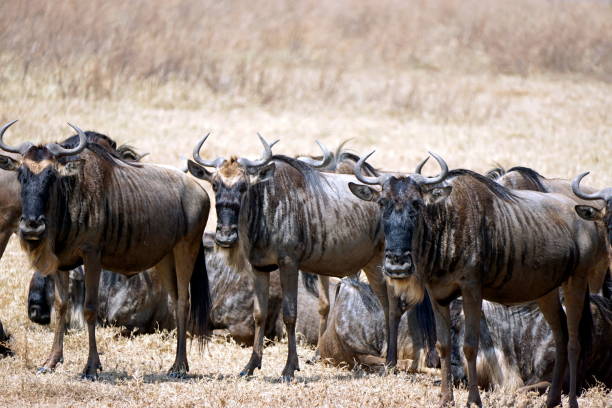
The Great Migration is one of the most spectacular wildlife events on the planet, where over two million wildebeest, zebras, and gazelles traverse the Serengeti-Mara ecosystem in search of fresh grazing and water. This annual journey is a delicate dance of survival, influenced heavily by one of nature’s most unpredictable forces—the weather. Rainfall patterns, droughts, floods, and temperature fluctuations all play a crucial role in determining the timing, route, and success of the migration. Understanding how weather affects the Great Migration not only deepens our appreciation for this natural wonder but also highlights the fragile balance between wildlife and climate.
Masai Mara Great Migration
The Role of Rainfall in Guiding the Migration
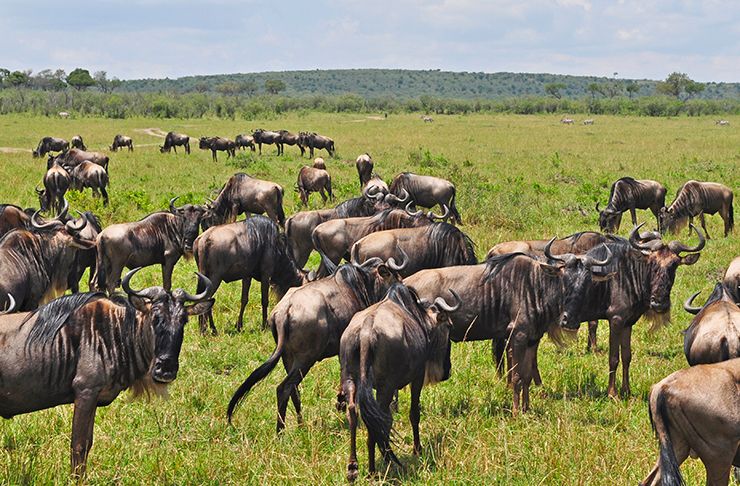
Rain is the primary driver of the Great Migration. Wildebeest, in particular, are highly attuned to rainfall patterns, following the growth of fresh grass across the plains. The migration is essentially a continuous search for greener pastures, and the rains dictate where and when these pastures emerge.
The Wet Season: A Time of Plenty
From December to May, the southern Serengeti and the Ngorongoro Conservation Area experience the long rains. This period transforms the landscape into a lush paradise, providing abundant grazing for the herds. Calving season, which occurs between January and March, coincides with this time of plenty. The short, nutrient-rich grasses in the southern plains offer ideal conditions for newborn calves, giving them the best chance of survival.
However, even within the wet season, variations in rainfall can have significant effects. If the rains are delayed or insufficient, the grass may not grow as vigorously, forcing the herds to move earlier than usual. Conversely, excessive rainfall can lead to waterlogged grounds, making movement difficult and increasing the risk of diseases like foot rot among the animals.
The Dry Season: The Push Northward
As the rains taper off around May, the southern grasslands begin to dry up, triggering the herds’ movement toward the western Serengeti and then north into the Maasai Mara. The dry season (June to October) is a time of scarcity, and the migration becomes a race against dwindling resources.
The timing of this movement is critical. If the dry season arrives too early, the herds may struggle to find enough food before reaching the Mara. If the dry season is prolonged, the competition for resources intensifies, leading to weaker animals and higher predation rates.
The Influence of Droughts and Floods
While seasonal rains guide the migration, extreme weather events like droughts and floods can disrupt the entire cycle.
Drought: A Threat to Survival
Droughts are becoming more frequent in East Africa due to climate change, and their impact on the Great Migration is profound. Extended dry spells reduce water availability and diminish grass quality, forcing the herds to cover longer distances in search of sustenance.
In severe droughts, thousands of wildebeest and zebras may perish from starvation and dehydration. The loss of weaker individuals affects predator populations as well, creating a ripple effect throughout the ecosystem. Additionally, droughts can alter traditional migration routes, pushing animals into areas with higher human-wildlife conflict, such as farmlands or settlements.
Floods: A Double-Edged Sword
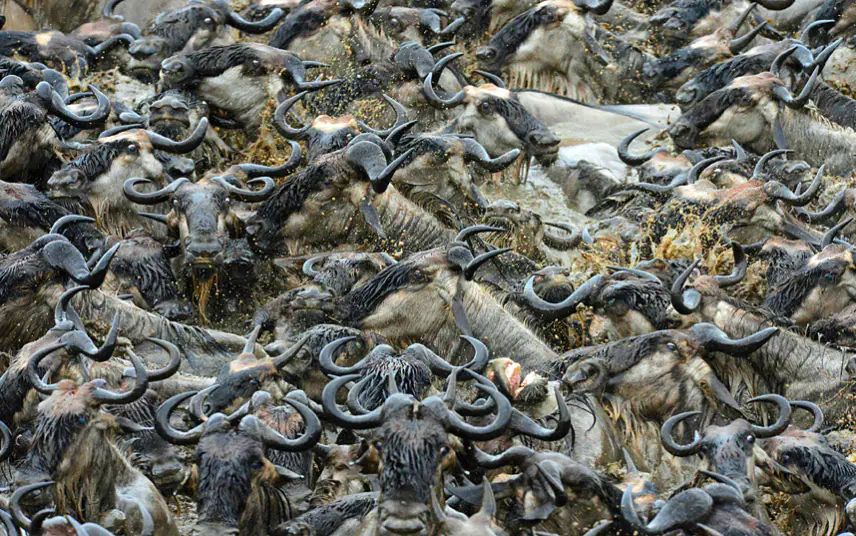
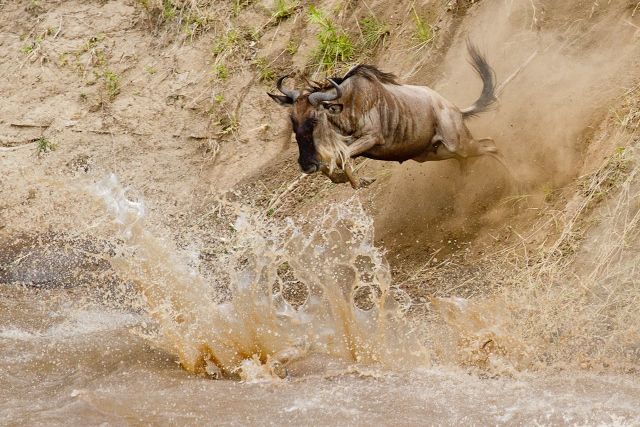
While rain is essential, too much of it can be just as deadly. Flash floods, particularly in the Mara River region, can drown thousands of migrating animals. The river crossings, already perilous due to crocodiles and strong currents, become even more dangerous when water levels rise unexpectedly.
Flooding can also destroy grazing lands, submerging grasses under water and forcing the herds to backtrack or take alternative routes. In some cases, floods have delayed the migration, causing bottlenecks where large numbers of animals congregate in small areas, increasing competition and stress.
Temperature Variations and Their Subtle Effects
Though less dramatic than rainfall, temperature fluctuations also influence the Great Migration. Higher temperatures accelerate the evaporation of water sources, exacerbating dry conditions. In contrast, unusually cold spells—though rare—can slow down the metabolism of wildebeest and zebras, making them more vulnerable to predators.
Additionally, temperature shifts affect plant growth cycles. Warmer temperatures may cause grasses to dry out faster, shortening the window of optimal grazing in certain regions. This can lead to mismatches between the herds’ movements and the availability of food, forcing them to adapt quickly or suffer the consequences.
Climate Change and the Future of the Great Migration
The Great Migration has evolved over millennia, but climate change presents unprecedented challenges. Rising global temperatures, shifting rainfall patterns, and increased frequency of extreme weather events threaten to disrupt this ancient cycle.
Scientists predict that East Africa will experience more erratic rainfall, with some areas becoming drier and others wetter. Such changes could fragment the migration routes, isolating populations and reducing genetic diversity. Furthermore, human activities like agriculture and infrastructure development are already encroaching on wildlife corridors, leaving the herds with fewer options when weather conditions turn hostile.
Conservation efforts must focus on protecting migratory routes, ensuring water availability, and mitigating human-wildlife conflict. Sustainable tourism also plays a role—by supporting eco-friendly safaris, travelers contribute to the preservation of this natural phenomenon.
The Great Migration is a breathtaking testament to nature’s resilience, but it is also a fragile system deeply intertwined with the weather. Rainfall dictates the herds’ movements, droughts and floods test their survival, and climate change looms as an ever-growing threat. By understanding these dynamics, we gain a deeper appreciation for the migration and recognize the urgent need to protect it.
For those fortunate enough to witness this spectacle, the connection between weather and wildlife becomes vividly clear. The thundering hooves of wildebeest crossing a river, the golden grasses swaying in the wind, the tension before a storm—all of it is part of a delicate balance that has endured for centuries. As stewards of the planet, it is our responsibility to ensure that future generations can experience the wonder of the Great Migration in all its untamed glory. Book Now!