
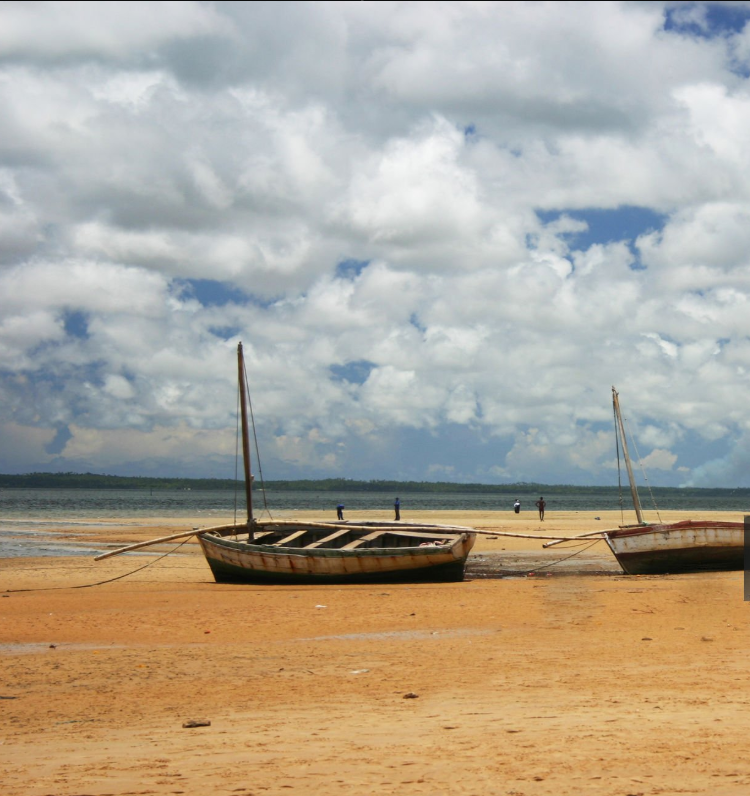
Can You Visit Mozambique in Rainy Season?
When planning a trip to Mozambique, many travelers wonder, Can you visit Mozambique in rainy season? The short answer is yes—but with some considerations. While the rainy season (typically November to March) brings lush landscapes, fewer crowds, and unique cultural experiences, it also presents challenges like heavy rainfall and humidity. However, for the adventurous soul, this time of year offers a different, often more authentic, perspective of this stunning African destination.
In this article, we’ll explore why visiting Mozambique in the rainy season can be a rewarding experience, what to expect, and how to make the most of your trip. Whether you’re a solo backpacker, a couple seeking a romantic getaway, or a family looking for adventure, understanding the rainy season will help you decide if it’s the right time for your journey.
Why Consider Visiting Mozambique in the Rainy Season?
1. Fewer Tourists, More Authentic Experiences
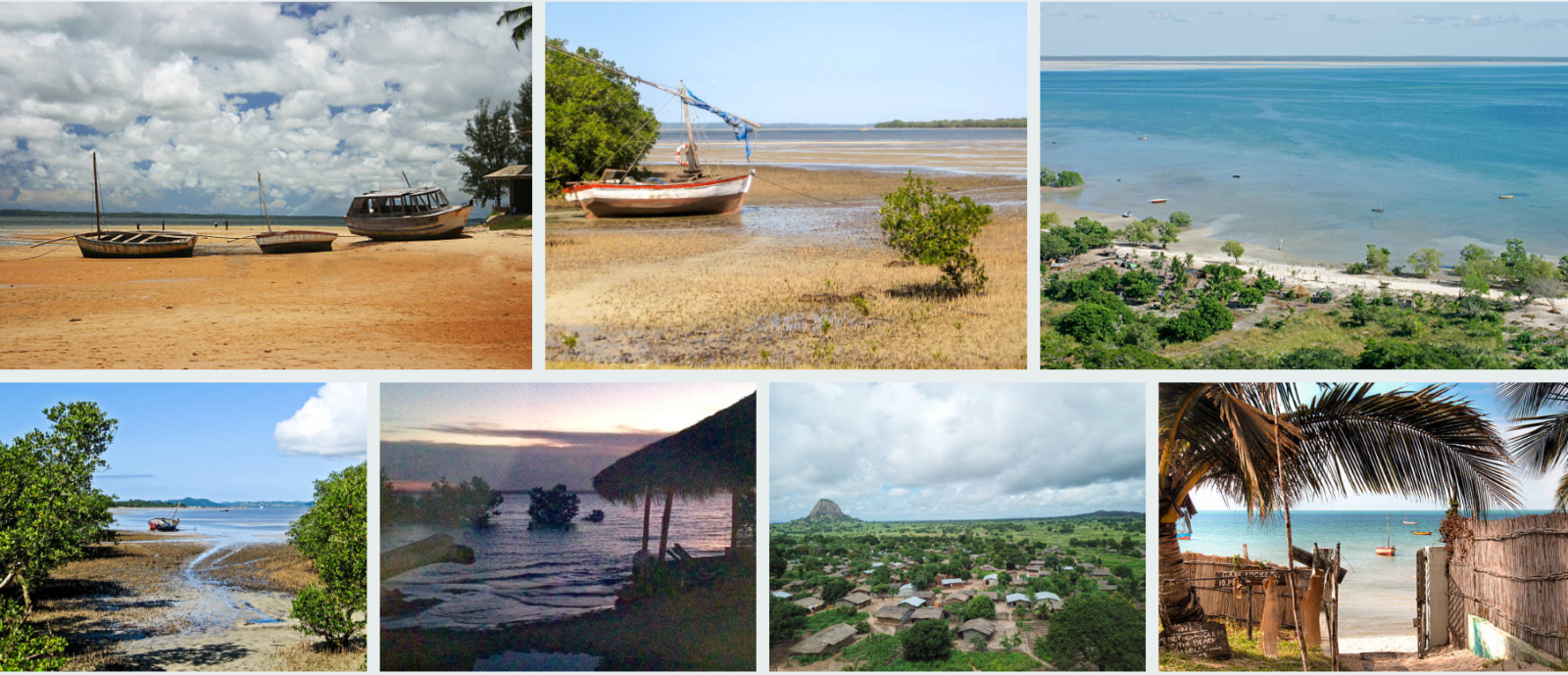
One of the biggest advantages of traveling during the rainy season is the lack of crowds. Popular destinations like the Bazaruto Archipelago, Tofo Beach, and Maputo are far less crowded, allowing you to enjoy Mozambique’s beauty in peace. You’ll have beaches almost to yourself, better opportunities to interact with locals, and a more relaxed atmosphere overall.
2. Lush, Vibrant Landscapes
The rainy season transforms Mozambique into a lush paradise. The dry, dusty landscapes of the dry season give way to vibrant greenery, blooming flowers, and overflowing rivers. If you love photography or nature, this is the perfect time to capture the country’s raw, untamed beauty.
3. Lower Prices and Better Deals
Since the rainy season is considered the low season for tourism, you’ll find significant discounts on accommodations, flights, and tours. Luxury lodges and beach resorts often slash their prices, making it an ideal time for budget-conscious travelers to experience high-end stays at a fraction of the cost.
4. Unique Wildlife and Marine Life Encounters
While some game reserves may be harder to access due to muddy roads, the rainy season is a fantastic time for birdwatching, as migratory species flock to the region. Additionally, the warm ocean waters attract marine life, making it a great time for diving and snorkeling—just be mindful of weather conditions.
Challenges of Visiting Mozambique in the Rainy Season
Of course, traveling during this time isn’t without its difficulties. Here’s what to keep in mind:
1. Heavy Rainfall and Flooding
Mozambique’s rainy season can bring torrential downpours, especially in January and February. Some roads may become impassable, and ferry services could be delayed. Always check weather forecasts and have a flexible itinerary.
2. High Humidity and Heat
Temperatures remain warm (around 25-35°C or 77-95°F), but humidity levels soar, making it feel much hotter. Pack lightweight, breathable clothing and stay hydrated.
3. Limited Access to Remote Areas
National parks like Gorongosa or Niassa may have restricted access due to flooding. If wildlife safaris are a priority, consider visiting toward the end of the dry season instead.
4. Higher Malaria Risk
Stagnant water increases mosquito activity, raising the risk of malaria. Consult your doctor before traveling, take prophylaxis if recommended, and use insect repellent.
Best Places to Visit in Mozambique During the Rainy Season
If you’ve decided to embrace the adventure, here are some destinations that shine even in the rain:
1. Maputo – The Cultural Heartbeat
Mozambique’s capital is a lively city with colonial architecture, vibrant markets, and a thriving arts scene. The rainy season adds a dramatic touch to its charm. Visit the FEIMA craft market, explore the Maputo Central Market, and enjoy fresh seafood at waterfront restaurants.
2. Tofo Beach – A Surfer’s Paradise
While cyclones can bring rough seas, they also create excellent waves for experienced surfers. Tofo remains a hotspot for diving, with manta rays and whale sharks still frequenting the waters.
3. Quirimbas Archipelago – Secluded Luxury
For those seeking exclusivity, the Quirimbas Islands offer pristine beaches and luxury resorts. The rain showers are usually short, leaving plenty of time for snorkeling, dhow sailing, and relaxation.
4. Ilha de Moçambique – A Historical Gem
This UNESCO World Heritage Site is rich in Portuguese colonial history. The rainy season enhances its mystical atmosphere, with fewer tourists crowding its ancient streets.
Tips for Traveling to Mozambique in the Rainy Season
To ensure a smooth trip, follow these practical tips:
-
Pack Smart: Bring waterproof gear, quick-dry clothing, and sturdy shoes.
-
Stay Flexible: Have backup plans in case of travel disruptions.
-
Book Accommodations Wisely: Choose lodges with good drainage and backup generators.
-
Monitor Weather Alerts: Keep an eye on cyclone warnings, especially in coastal areas.
-
Embrace the Adventure: Some of the best travel stories come from unexpected detours—let the rain add to your experience!
Can You Visit Mozambique in the Rainy Season?
Absolutely! While it requires extra preparation, visiting Mozambique during the rainy season offers a unique and rewarding experience. From empty beaches to lush landscapes and cultural immersion, this is the time to see the country in its most vibrant form.
So, if you’re asking yourself, Can you visit Mozambique in rainy season?—the answer is a resounding yes. With the right mindset and planning, you’ll discover a side of Mozambique that few travelers get to see.
Are you ready to embrace the adventure? Pack your rain jacket, book your ticket, and get ready for an unforgettable journey through one of Africa’s most captivating destinations—rain or shine!