

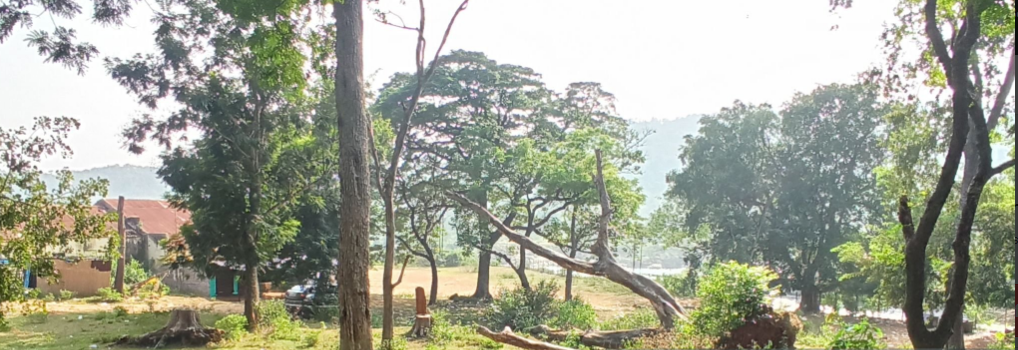
Why Is Gorongosa Park Recovering?
The question on many minds is: Why is Gorongosa Park recovering? The answer lies in a combination of visionary leadership, scientific innovation, community engagement, and nature’s incredible ability to heal when given a chance.
This article explores the remarkable revival of Gorongosa Park, highlighting the key factors behind its recovery and the lessons it offers for conservation efforts worldwide.
The Rise, Fall, and Resurrection of Gorongosa Park
Before delving into the reasons behind its recovery, it’s essential to understand Gorongosa’s history. Established in 1960, the park was once considered one of Africa’s most biodiverse regions, home to lions, elephants, zebras, and countless other species. However, Mozambique’s 15-year civil war (1977–1992) devastated the park. Soldiers hunted wildlife for food, and by the war’s end, over 90% of large mammals had been wiped out.
For years, Gorongosa seemed beyond repair—until a transformative partnership changed its fate.
1. Visionary Leadership and Strategic Partnerships
One of the primary reasons Gorongosa Park is recovering is the involvement of dedicated leaders and organizations committed to its restoration. In 2004, the Mozambican government partnered with the Carr Foundation, a U.S. nonprofit led by philanthropist Greg Carr. This public-private partnership laid the foundation for a 20-year restoration plan.
Greg Carr’s vision extended beyond just wildlife conservation—he recognized that Gorongosa’s recovery depended on improving the lives of surrounding communities. His approach integrated ecological restoration with human development, ensuring that local people became stakeholders in the park’s success.
2. Scientific Research and Wildlife Reintroduction
Science has played a crucial role in Gorongosa Park recovering. Ecologists, biologists, and conservationists have conducted extensive research to guide restoration efforts. Key initiatives include:
-
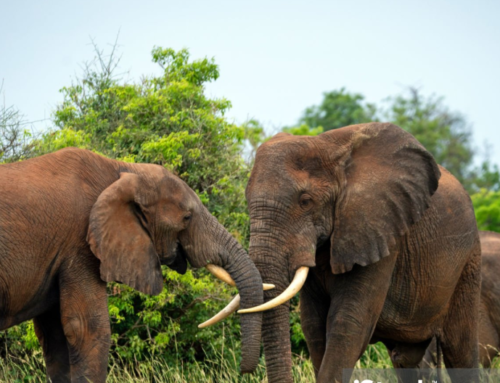
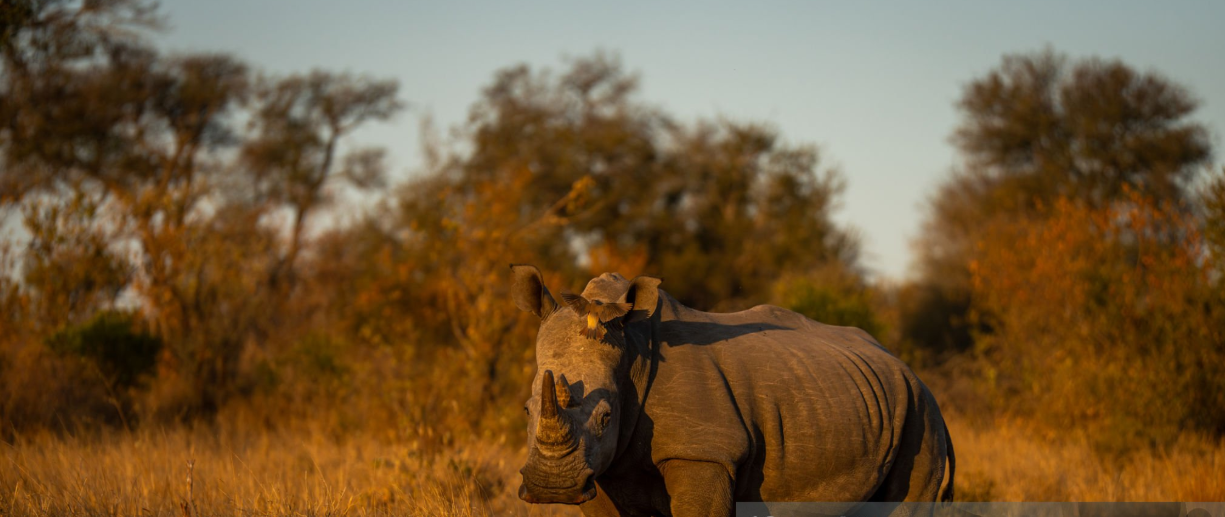
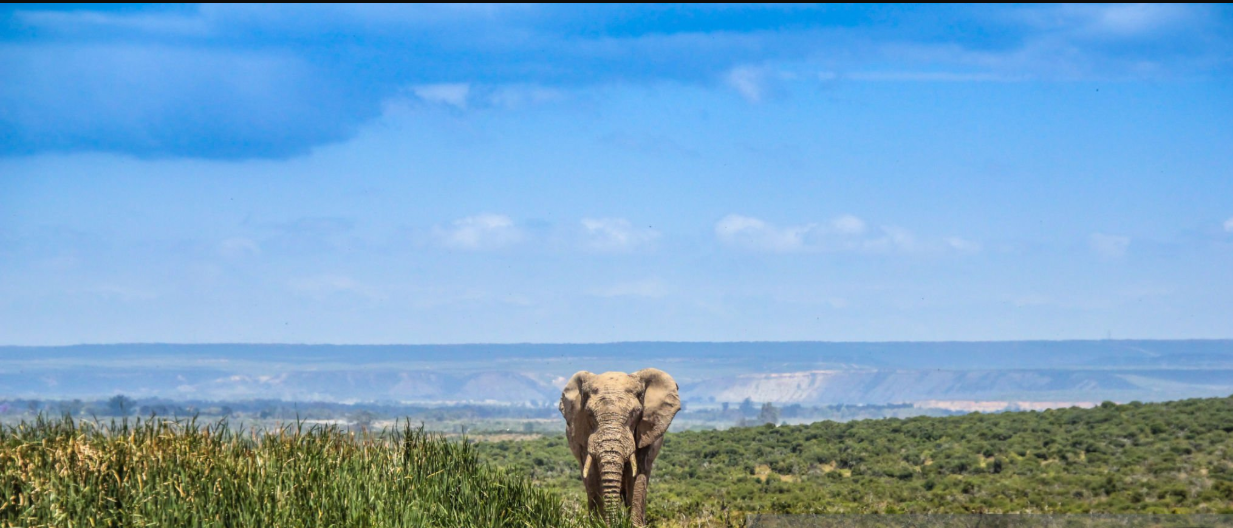
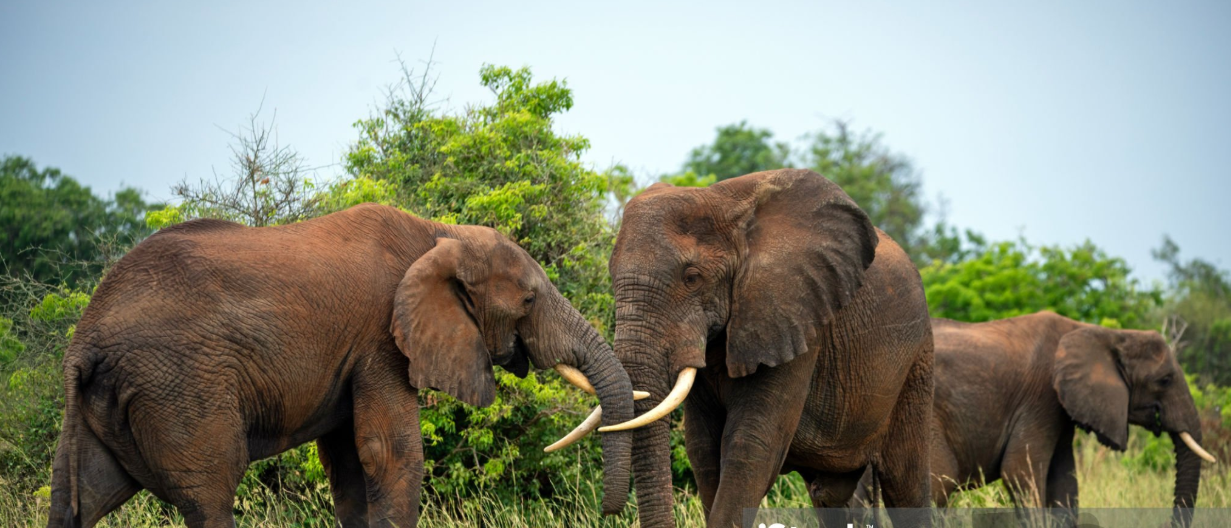
Wildlife Translocations: Species like elephants, buffalo, and zebras were reintroduced to restore ecological balance.
-
Predator-Prey Dynamics: Monitoring lion and hyena populations helps maintain a healthy ecosystem.
-
Biodiversity Studies: Scientists track species recovery, ensuring that interventions are data-driven.
One notable success is the rebound of the park’s lion population. From just a few dozen after the war, their numbers have significantly increased, signaling a healthier ecosystem.
3. Community-Centered Conservation
Perhaps the most critical factor in Gorongosa Park recovering is its focus on community empowerment. The park’s management understood that conservation cannot succeed without local support. Initiatives include:
-
Healthcare and Education: The Gorongosa Project built schools and clinics, improving living standards for nearby villages.
-
Sustainable Agriculture: Farmers are trained in eco-friendly practices, reducing reliance on poaching.
-
Employment Opportunities: Hundreds of locals work as rangers, researchers, and hospitality staff, tying economic benefits to conservation.
By making communities active participants in Gorongosa’s recovery, the park ensured long-term sustainability.
4. Anti-Poaching Efforts and Law Enforcement
Poaching was a major threat to Gorongosa Park recovering. To combat this, the park implemented rigorous anti-poaching measures:
-
Ranger Patrols: Highly trained rangers, including women recruited from local villages, protect wildlife.
-
Technology Integration: Drones and camera traps monitor illegal activities.
-
Legal Consequences: Stronger enforcement deters would-be poachers.
These efforts have drastically reduced poaching, allowing wildlife populations to rebound.
5. Reforestation and Ecosystem Restoration
War and deforestation damaged Gorongosa’s landscapes. Recognizing this, restoration efforts included:
-
Mount Gorongosa Reforestation: Thousands of trees were planted to revive water sources critical for wildlife.
-
Wetland Rehabilitation: Restoring floodplains benefited species like waterbucks and birds.
These ecological interventions have been instrumental in Gorongosa Park recovering its former glory.
6. Ecotourism as a Conservation Tool
Tourism generates revenue that funds conservation while showcasing the park’s revival. Luxury lodges and guided safaris attract visitors, creating jobs and fostering global awareness. Every tourist dollar reinvested into the park accelerates Gorongosa’s recovery.
7. Global Recognition and Continued Support
Gorongosa’s story has inspired the world. Documentaries like The Guide (2022) and partnerships with National Geographic have amplified its message. Continued funding from donors ensures that Gorongosa Park recovering remains on track.
A Model for Conservation Worldwide
Why is Gorongosa Park recovering? Because it proves that even the most devastated ecosystems can heal with the right mix of leadership, science, community involvement, and perseverance. Its success offers a blueprint for global conservation—one where humans and nature thrive together.
As Gorongosa’s wildlife roams freely once more, it stands as a living reminder: destruction is not permanent, and recovery is always possible.