Why Visit Rwanda’s Cultural Villages?
Why Visit Rwanda’s Cultural Villages? Rwanda, often referred to as the “Land of a Thousand Hills,” is a country rich in breathtaking landscapes, vibrant wildlife, and a deeply rooted cultural heritage. While many travelers are drawn to its famous mountain gorillas or scenic national parks, there is another gem that offers an equally enriching experience—Visit Rwanda’s Cultural Villages. These cultural hubs provide an immersive journey into the heart of Rwanda’s traditions, history, and way of life. But why should you make it a priority to explore these villages? The answer lies in the profound connection they offer to Rwanda’s past, present, and future, as well as the unforgettable memories and lessons they impart.
A Gateway to Rwanda’s Rich Heritage
When you Visit Rwanda’s Cultural Villages, you step into a living museum where history is not just told but experienced. Rwanda’s culture is a tapestry woven from centuries of traditions, rituals, and communal values. The cultural villages serve as custodians of this heritage, preserving practices that might otherwise fade in the face of modernization.
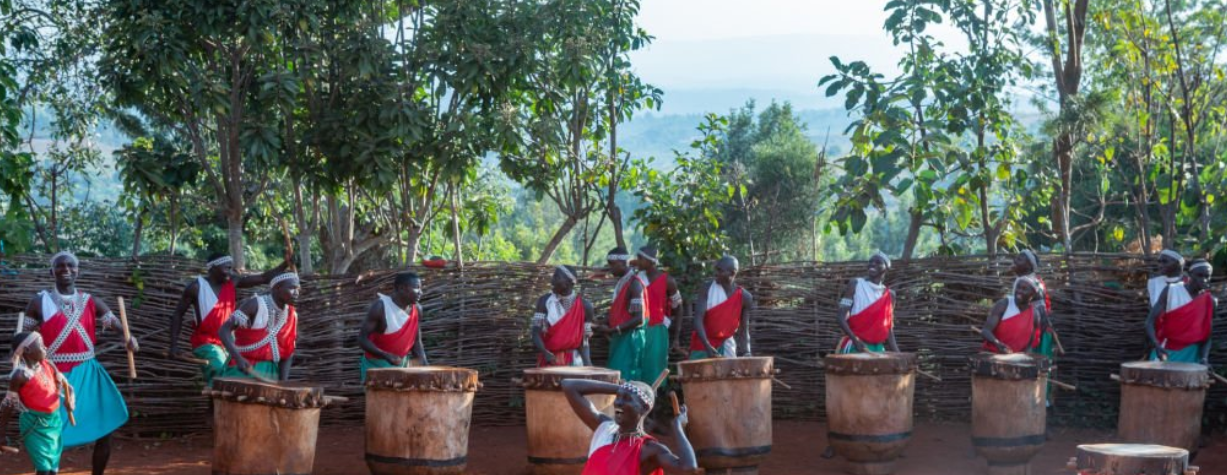
From the iconic Iby’Iwacu Cultural Village near Volcanoes National Park to the lesser-known but equally captivating villages in the Eastern and Southern provinces, each offers a unique glimpse into the lives of Rwanda’s indigenous communities. Here, you can witness traditional dances like the Intore, a warrior dance that once celebrated bravery and victory. You can listen to the rhythmic beats of the ingoma drums, which have been used for centuries in ceremonies and storytelling. These experiences are not just performances—they are a bridge to understanding Rwanda’s soul.
Connecting with Local Communities
One of the most compelling reasons to Visit Rwanda’s Cultural Villages is the opportunity to engage directly with the local people. Unlike conventional tourist attractions, these villages are often community-run, meaning your visit directly supports the livelihoods of Rwandans. By participating in workshops, sharing meals, or even learning a few words of Kinyarwanda, you become part of a meaningful cultural exchange.
Imagine sitting with a local artisan as they craft intricate imigongo (cow dung art), a traditional Rwandan art form characterized by geometric patterns. Or joining a group of women as they weave beautiful agaseke baskets, a skill passed down through generations. These interactions foster mutual respect and appreciation, reminding us that travel is not just about seeing new places but also about connecting with the people who call those places home.
Learning Rwanda’s History Through Living Stories
Rwanda’s history is both inspiring and complex, and the cultural villages provide a space to explore it in a personal and profound way. The country’s journey from the tragic events of 1994 to its remarkable rebirth is a testament to resilience and unity. When you Visit Rwanda’s Cultural Villages, you hear these stories from those who lived them—elders who share tales of reconciliation, hope, and the power of forgiveness.
For instance, the Iby’Iwacu Cultural Village was founded by former poachers who transformed their lives through cultural tourism. Their stories of redemption and community empowerment are a powerful reminder of humanity’s capacity for change. Similarly, the King’s Palace Museum in Nyanza offers insights into Rwanda’s pre-colonial monarchy, showcasing traditional architecture and royal artifacts. These narratives enrich your understanding of Rwanda far beyond what any textbook could convey.
A Celebration of Rwandan Cuisine
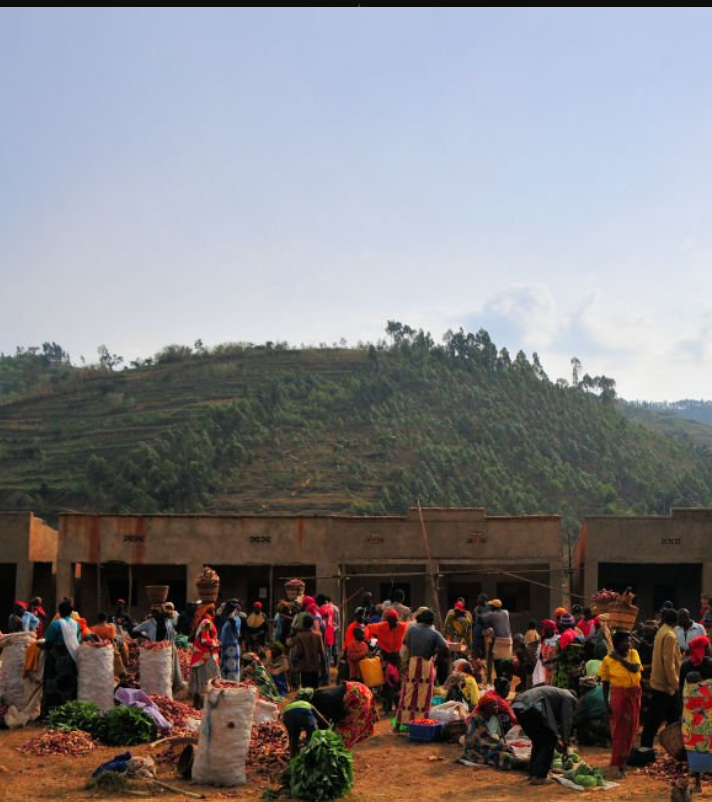
No cultural immersion is complete without savoring the local cuisine, and Rwanda’s villages offer some of the most authentic culinary experiences. When you Visit Rwanda’s Cultural Villages, you’ll have the chance to taste dishes like:
-
Ugali (Isombe): A staple made from cassava or maize, often served with beans or vegetables.
-
Brochettes: Skewered meat (goat, beef, or fish) grilled to perfection.
-
Ibihaza: Pumpkin mixed with beans, a traditional comfort food.
Many villages offer cooking demonstrations where you can learn to prepare these dishes yourself. Sharing a meal with locals is more than just eating—it’s an act of unity, a reminder that food is a universal language of hospitality and love.
Supporting Sustainable Tourism
In an era where travel often comes at an environmental or cultural cost, Rwanda’s cultural villages stand as a model of sustainable tourism. By choosing to Visit Rwanda’s Cultural Villages, you contribute to a form of tourism that prioritizes:
-
Preservation of Traditions: Many villages reinvest earnings into cultural education for younger generations.
-
Environmental Conservation: Some villages promote eco-friendly practices, such as using locally sourced materials for crafts.
-
Economic Empowerment: Tourism revenue helps fund community projects like schools and health centers.
This sustainable approach ensures that Rwanda’s heritage remains alive for future generations while providing tangible benefits to the communities you visit.
A Transformational Travel Experience
Beyond the sights and sounds, visiting Rwanda’s cultural villages can be a deeply transformational experience. In a world that often feels disconnected, these villages remind us of the beauty of simplicity, the strength of community, and the importance of preserving our roots. Whether you’re dancing alongside locals, listening to ancient folktales under the stars, or simply absorbing the serene beauty of the hills, you leave with more than just photos—you leave with a renewed perspective.
How to Make the Most of Your Visit
To fully embrace the magic of Rwanda’s cultural villages, consider these tips:
-
Engage with an Open Heart: Be curious, ask questions, and participate actively in activities.
-
Respect Local Customs: Dress modestly, ask permission before taking photos, and follow community guidelines.
-
Support Local Artisans: Purchase handmade crafts as souvenirs—they carry stories and skills worth cherishing.
-
Extend Your Stay: Some villages offer homestays, allowing for an even deeper immersion.
Why Visit Rwanda’s Cultural Villages?
The answer is clear: to experience Rwanda in its purest, most authentic form. These villages are not just tourist destinations; they are living, breathing embodiments of a culture that has endured and thrived. They offer lessons in history, humanity, and hope. They remind us that travel, at its best, is about connection—to places, to people, and to ourselves.
So, when you plan your next adventure, don’t just visit Rwanda for its gorillas or landscapes. Make it a priority to Visit Rwanda’s Cultural Villages. In doing so, you’ll discover a side of Rwanda that stays with you long after you’ve left its thousand hills—a side filled with warmth, wisdom, and wonder.
Visit Rwanda’s Cultural Villages, and let the journey transform you.