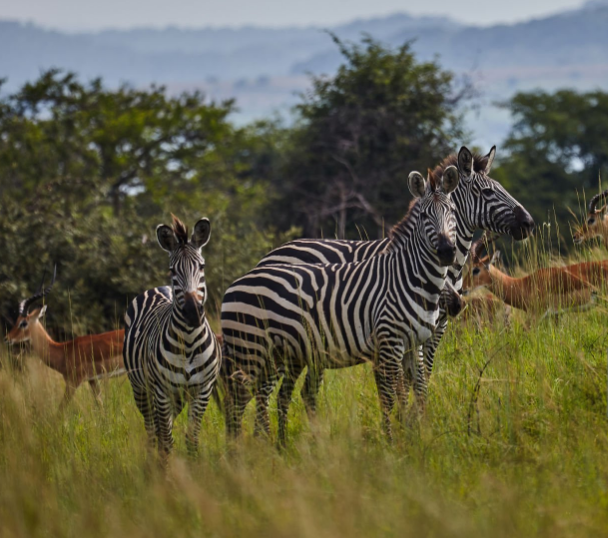
When Is Akagera Best for Wildlife?
Akagera National Park, a hidden gem in Rwanda, is a paradise for wildlife enthusiasts. With its sprawling savannahs, shimmering lakes, and dense woodlands, it offers an unforgettable safari experience. But to truly witness the magic of Akagera’s wildlife, timing is everything. So, when is Akagera best for wildlife? The answer lies in understanding the park’s seasons, animal behaviors, and the unique opportunities each period presents.
This article will guide you through the best times to visit Akagera for optimal wildlife viewing, ensuring you make the most of your adventure. Whether you’re a photographer, a nature lover, or simply seeking inspiration from the wild, knowing the perfect time to visit will elevate your experience.
Why Akagera National Park is a Wildlife Haven
Before diving into the best times to visit, it’s essential to appreciate why Akagera is such a remarkable destination. Once heavily impacted by human encroachment and poaching, the park has undergone an incredible transformation thanks to conservation efforts by African Parks and the Rwanda Development Board. Today, Akagera is home to:
-
The Big Five (lions, leopards, elephants, buffaloes, and rhinos)
-
Over 500 bird species, making it a birdwatcher’s paradise
-
Hippos and crocodiles thriving in its lakes and wetlands
-
Rare antelope species like the sitatunga and roan antelope
With such biodiversity, Akagera offers a thrilling wildlife experience. But to see these animals at their most active and visible, timing your visit correctly is crucial.
The Best Time to Visit Akagera for Wildlife
1. Dry Season (June – September): Peak Wildlife Viewing
If you’re wondering when Akagera is best for wildlife, the dry season (June to September) is the prime time. During these months, vegetation thins out, water sources shrink, and animals congregate around remaining lakes and rivers. This makes spotting wildlife significantly easier.
Why the Dry Season is Ideal:
-
Higher Animal Concentrations: With limited water, elephants, buffaloes, and antelopes gather around Lake Ihema and other water bodies.
-
Predator Activity Increases: Lions and leopards are more active as prey becomes easier to track.
-
Excellent Visibility: The sparse grass and fewer leaves on trees improve visibility for game drives.
-
Birdlife is Still Vibrant: While migratory birds are fewer, resident species remain abundant.
What You’ll See:
-
Lions lounging near waterholes or hunting at dawn.
-
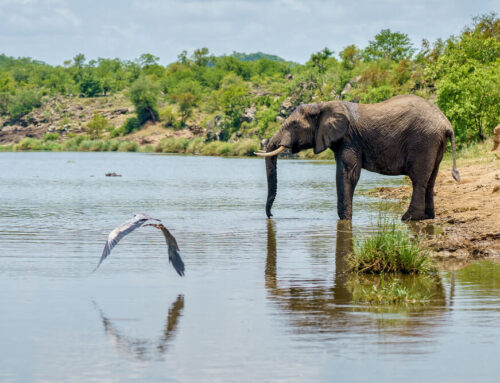
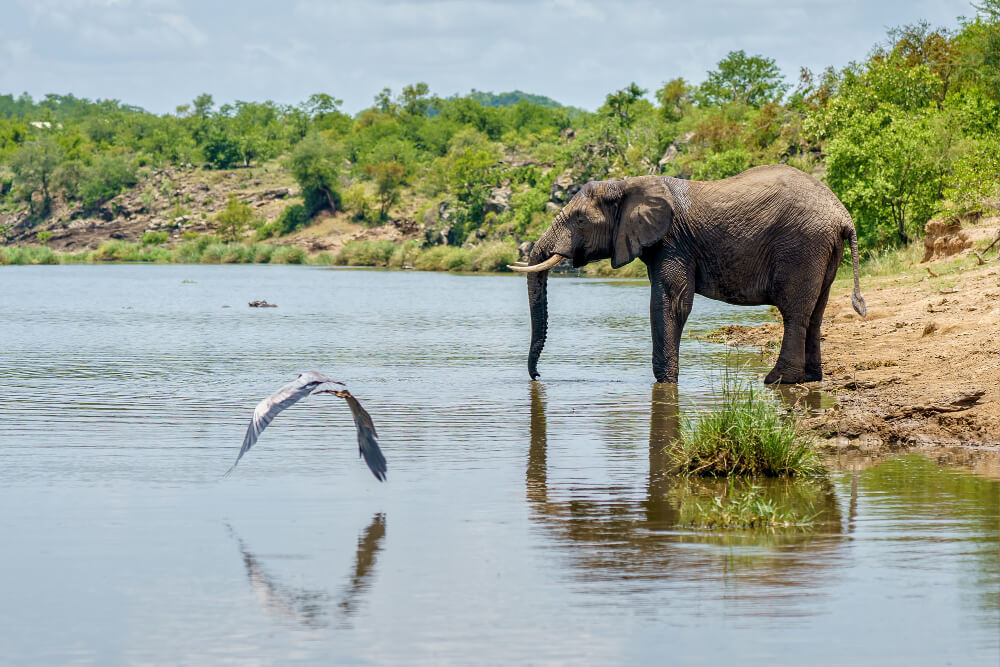
Elephants trekking in herds to drink.
-
Hippos and crocodiles basking along the shores.
-
Rhinos grazing in the open plains.
Tip: Early morning and late afternoon game drives yield the best sightings, as animals avoid the midday heat.
2. Short Dry Season (January – February): A Hidden Gem
Another excellent window for wildlife viewing is the short dry season in January and February. The landscape is still lush from the November rains, but the reduced rainfall means animals are more predictable in their movements.
Why Visit During This Period?
-
Fewer Tourists: Unlike the peak dry season, January and February see fewer visitors, offering a more private safari experience.
-
Newborn Animals: Many herbivores give birth during this time, attracting predators.
-
Pleasant Weather: Moderate temperatures make game drives comfortable.
What You’ll See:
-
Baby impalas and zebras taking their first steps.
-
Cheetahs (reintroduced in 2023) on the hunt.
-
Birdlife in transition, with some migratory species still present.
3. Wet Season (October – December & March – May): A Different Kind of Beauty
While the wet season isn’t the best time for wildlife in terms of ease of spotting animals, it has its own unique advantages. The park transforms into a green oasis, and birdwatchers will find this period particularly rewarding.
Pros of Visiting in the Wet Season:
-
Lush Landscapes: The scenery is breathtaking, with vibrant greenery and blooming flowers.
-
Birding Bonanza: Migratory birds arrive, making it the best time for bird enthusiasts.
-
Fewer Crowds: You’ll often have the park almost to yourself.
Challenges:
-
Thicker Vegetation: Animals are harder to spot as grass and foliage are dense.
-
Road Conditions: Some tracks may become muddy and impassable.
Best for: Photographers who love dramatic skies, birders, and those who prefer solitude in nature.
Month-by-Month Breakdown: When to Visit for Specific Wildlife
To help you plan better, here’s a detailed monthly guide on when Akagera is best for wildlife:
| Month | Wildlife Highlights | Best For |
|---|---|---|
| January | Newborn animals, predator activity, fewer crowds | Intimate safaris, photography |
| February | Continued dry spell, excellent game viewing | Big Five sightings |
| March | Start of rains, lush landscapes, birdlife thrives | Birdwatching, scenic views |
| April | Peak rains, fewer visitors, challenging game drives | Adventure seekers |
| May | End of heavy rains, animals return to open areas | Early dry season transition |
| June | Start of dry season, wildlife congregates near water | Prime game viewing |
| July | Optimal wildlife sightings, cool temperatures | Safaris, photography |
| August | Peak dry season, incredible predator-prey interactions | Lion and leopard sightings |
| September | End of dry season, last chance for easy wildlife spotting before rains | Late-season safaris |
| October | First rains, landscape rejuvenates, migratory birds arrive | Bird enthusiasts |
| November | Heavy rains begin, lush greenery, fewer tourists | Peaceful nature immersion |
| December | Short dry spells, newborn animals, festive season safaris | Family trips, unique sightings |
Final Thoughts: Choosing Your Perfect Time
So, when is Akagera best for wildlife? If your goal is optimal game viewing, aim for June to September or January to February. For bird lovers, the wet season (October to April) is unbeatable. And if you crave solitude and lush scenery, the rainy months offer a serene escape.
No matter when you visit, Akagera’s wild beauty will leave you inspired. The park’s revival is a testament to Rwanda’s commitment to conservation, and every visit supports these efforts. So pack your binoculars, charge your camera, and get ready for an unforgettable journey into the wild heart of Africa.
Pro Tip: Combine your Akagera safari with a gorilla trekking adventure in Volcanoes National Park for the ultimate Rwandan wildlife experience!
Final Motivation: Answering the Call of the Wild
Life is too short to stay confined to the ordinary. The wild calls to those who seek adventure, those who yearn to witness nature in its purest form. Akagera National Park is not just a destination—it’s an experience that reconnects you with the raw beauty of our planet.
So, when will you answer the call? When will you stand before a towering elephant, hear the roar of a lion at dusk, or marvel at a thousand birds taking flight? The best time is now. Plan your trip, choose your season, and let Akagera’s wildlife remind you of the untamed wonder that still exists in this world.
The wild is waiting. When will you go?