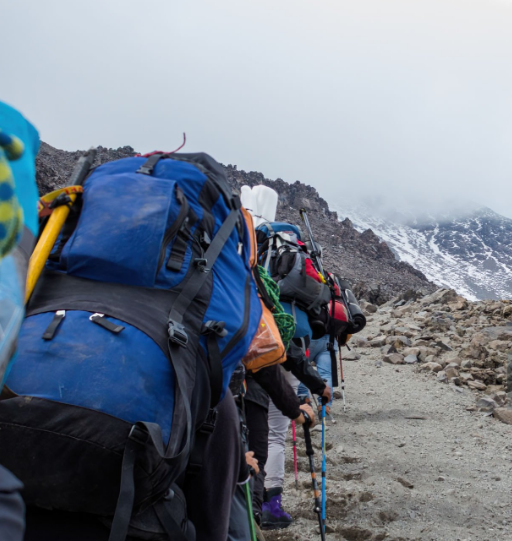
When’s the Best Time to Climb Kilimanjaro?
But before you embark on this life-changing journey, one crucial question arises: When’s the best time to climb Kilimanjaro?
Choosing the right time to ascend this majestic peak can make the difference between a grueling, rain-soaked trek and a breathtaking, sunlit adventure. The best time to climb Kilimanjaro depends on weather patterns, trail conditions, and personal preferences. However, beyond logistics, the best time to climb is also a metaphor for seizing opportunities in life. Just as climbers must pick the optimal season to conquer the mountain, we must recognize the perfect moments to pursue our own dreams.
Understanding Kilimanjaro’s Seasons: The Practical Best Time
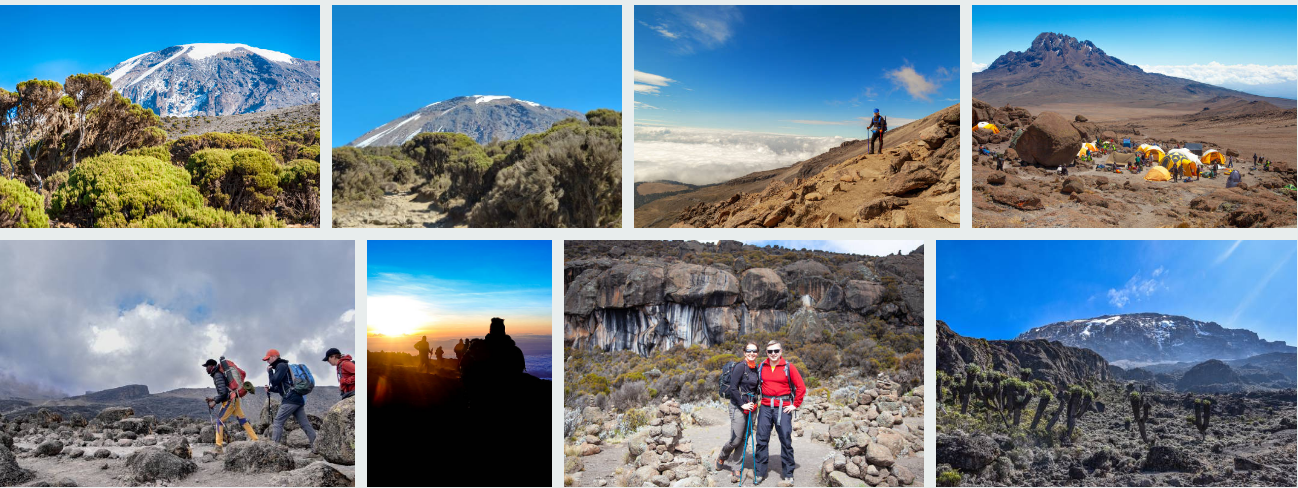
Kilimanjaro’s proximity to the equator means it doesn’t experience extreme winters or summers. Instead, it has wet and dry seasons that dictate the best time for climbing.
1. The Dry Seasons: The Optimal Windows
The best time to climb Kilimanjaro is during the two primary dry seasons:
-
January to mid-March
-
June to October
These periods offer the most stable weather, with clear skies, minimal rainfall, and moderate temperatures.
-
January to March: This is the warmer dry season, with cool mornings and pleasant afternoons. The skies are often clear, providing stunning views of the summit. However, nights can be extremely cold, especially at higher altitudes.
-
June to October: This is the colder dry season, characterized by crisp, clear days. While temperatures drop significantly at night, the trails are less muddy, and visibility is excellent.
2. The Shoulder Seasons: A Risk Worth Taking?
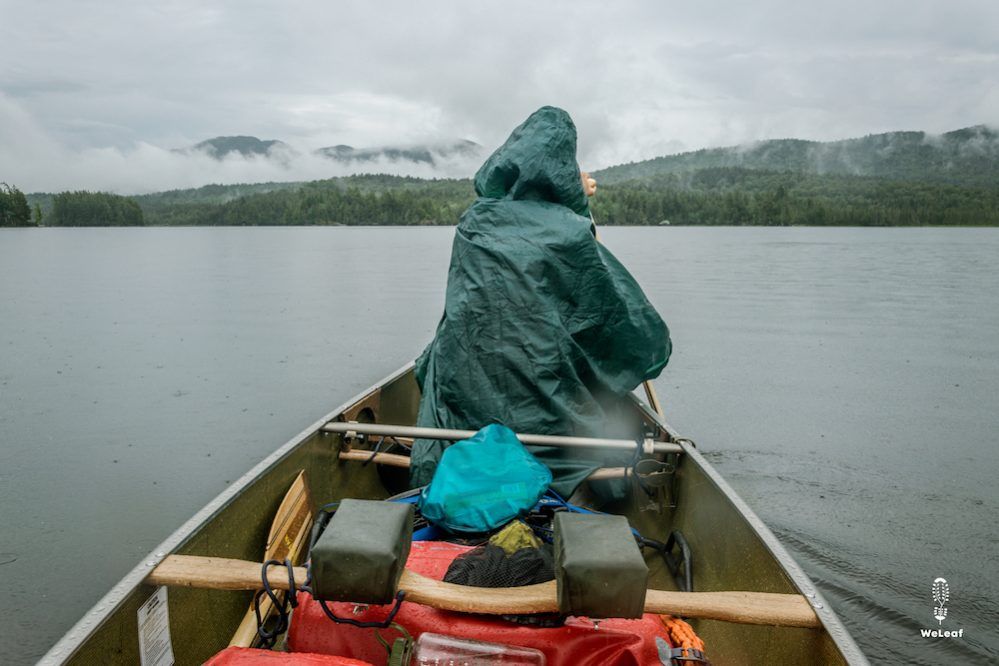
The months of April, May, and November are Kilimanjaro’s rainy seasons. While some adventurers opt for these periods to avoid crowds, the heavy rains make trails slippery, and thick clouds often obscure the views. However, for those who embrace challenges, climbing during these months can be a test of resilience—just as in life, sometimes the hardest paths lead to the most rewarding victories.
3. December: A Festive Ascent
December marks the beginning of the short dry season. While early December can still see some rain, late December is an excellent time for those who want to end the year with an epic achievement.
Beyond the Calendar: The Philosophical Best Time
While the dry seasons offer the most practical best time to climb Kilimanjaro, the deeper question is: When is the best time in your life to take on such a challenge?
1. The Best Time Is When You Decide
Many people wait for the “perfect” moment—when they’re fitter, wealthier, or less busy. But the truth is, the best time is when you make the commitment. Kilimanjaro doesn’t care about your age, profession, or past experience. It only asks for your determination.
-
Are you waiting for the “right” moment? That moment is now.
-
Are you afraid you’re not ready? No one ever feels 100% ready for greatness.
2. The Best Time Is When You Embrace the Challenge
Climbing Kilimanjaro is not just about reaching the summit; it’s about the journey. The altitude sickness, the freezing nights, the moments of doubt—they all shape you. Similarly, in life, the best time to pursue a dream is when you’re willing to face discomfort.
-
Growth happens outside comfort zones.
-
The struggle is part of the story.
3. The Best Time Is Before It’s Too Late
Kilimanjaro’s glaciers are melting. Scientists predict they could disappear within decades. This serves as a powerful metaphor: opportunities don’t last forever. The best time to chase your dreams is before circumstances change.
-
What dream have you been postponing?
-
What’s stopping you from starting today?
How to Prepare for Your Kilimanjaro Climb (And Your Dreams)
Just as you wouldn’t attempt Kilimanjaro without preparation, you shouldn’t chase your dreams without a plan. Here’s how to get ready for both:
1. Train Consistently
-
For Kilimanjaro: Build endurance with hiking, cardio, and strength training.
-
For Life: Develop skills, knowledge, and resilience. Small daily efforts lead to big achievements.
2. Choose the Right Team
-
For Kilimanjaro: A good guide and supportive group make the climb easier.
-
For Life: Surround yourself with people who encourage and challenge you.
3. Mindset Matters
-
For Kilimanjaro: Mental strength is as important as physical fitness.
-
For Life: Believe in yourself even when the path gets tough.
4. Take the First Step
-
For Kilimanjaro: Book your trip. Commit.
-
For Life: Start that project. Apply for that job. Take the leap.
The Best Time Is Now
So, when’s the best time to climb Kilimanjaro? The answer is twofold:
-
Logistically, aim for the dry seasons—January to March or June to October—for the safest and most enjoyable experience.
-
Philosophically, the best time is whenever you decide to stop waiting and start climbing.
Kilimanjaro teaches us that the journey is just as important as the destination. The freezing nights, the breathtaking sunrises, the camaraderie with fellow climbers—these are the moments that define the experience. Similarly, in life, the best time to pursue your dreams isn’t when everything is perfect; it’s when you choose to begin despite the imperfections.
The mountain isn’t going anywhere, but time is. The glaciers are receding. Opportunities fade. Dreams get postponed forever if we let them.
So, ask yourself: When’s the best time to climb your Kilimanjaro?
The answer is simple: Now.
Start training. Plan your climb. Take that first step. Because the best time to conquer any mountain—whether it’s Kilimanjaro or your biggest dream—is the moment you decide to try.
The summit is waiting. Will you climb?