

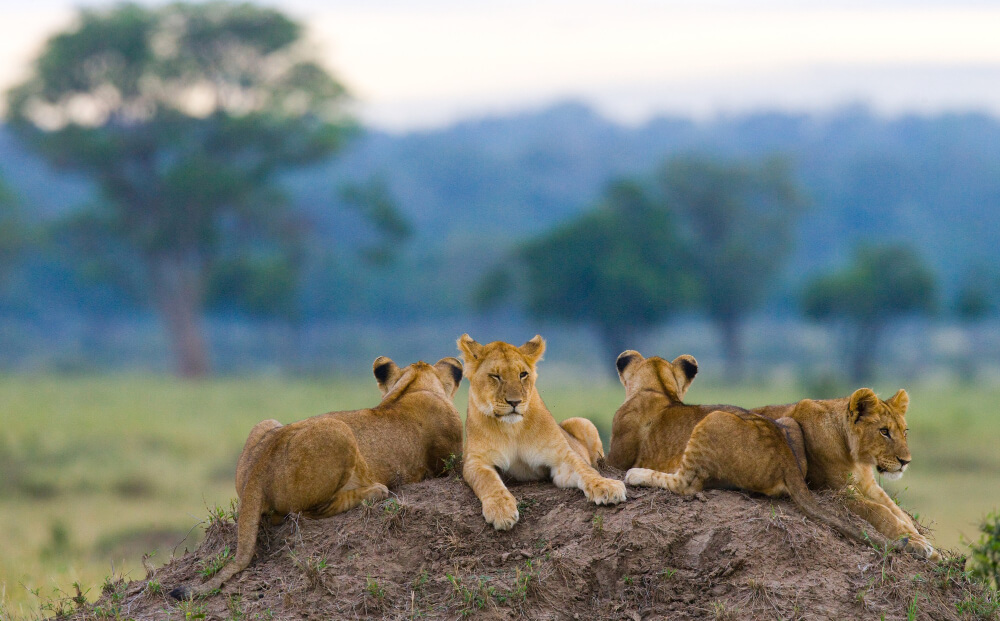
Serengeti National Park is one of the most iconic wildlife destinations in the world, celebrated for its vast savannahs, diverse ecosystems, and incredible wildlife. Located in northern Tanzania, Serengeti National Park spans approximately 14,750 square kilometers, making it one of Africa’s largest and most famous national parks. The park is most renowned for the annual Great Migration, where over two million wildebeests, zebras, and gazelles travel across the Serengeti plains in search of greener pastures, creating one of nature’s most breathtaking spectacles.(Exploring Serengeti National Park)
Exploring Serengeti National Park Tanzania offers travelers a once-in-a-lifetime safari experience, whether you’re witnessing the dramatic river crossings during the migration, observing predators on the hunt, or simply enjoying the stunning African sunsets over the endless plains.
Introduction to Serengeti National Park
The Serengeti, meaning “endless plains” in the Maasai language, lives up to its name with sweeping landscapes that seem to stretch to infinity. The park is part of the larger Serengeti ecosystem, which includes the Ngorongoro Conservation Area and parts of the Maasai Mara in Kenya. Serengeti National Park is divided into distinct regions, each with its own unique environment and wildlife. These regions include the Serengeti Plains, the Western Corridor, the Northern Serengeti, and the Serengeti Woodlands.
Home to the Big Five—lion, elephant, buffalo, leopard, and rhinoceros—the Serengeti offers one of the most thrilling wildlife experiences in Africa. The park is also a UNESCO World Heritage Site, recognized for its outstanding natural beauty and ecological importance.
The Great Migration: Nature’s Most Spectacular Event
One of the most remarkable natural phenomena on the planet, the Great Migration is the main reason many travelers visit Serengeti National Park. Every year, over two million animals—including wildebeests, zebras, and gazelles—embark on a circular migration across the Serengeti and into the Maasai Mara. This epic journey is driven by the search for fresh grazing land and water, as the animals follow seasonal rains across the plains.
The migration is not only a journey of survival but also a stage for dramatic wildlife encounters. Predators such as lions, cheetahs, leopards, and hyenas follow the herds, creating intense moments of life-and-death struggle. The river crossings, particularly at the Grumeti and Mara rivers, are some of the most dramatic scenes, where animals must brave crocodile-infested waters.
Timing is crucial when exploring Serengeti National Park Tanzania to witness the migration, as the movement of the herds is dictated by rainfall. From December to March, the southern Serengeti hosts the calving season, where thousands of wildebeest calves are born daily. From June to August, the herds gather in the western and northern parts of the park, preparing for the perilous river crossings into the Maasai Mara.
Wildlife Safaris in Serengeti National Park
While the Great Migration is the Serengeti’s most famous event, the park offers incredible wildlife viewing year-round. The Serengeti is home to over 70 large mammal species and more than 500 bird species, making it one of the most diverse ecosystems in Africa.
Visitors can embark on game drives through the different regions of the park, each offering unique wildlife encounters. The Serengeti Plains, for example, are the best place to spot cheetahs, as the open grasslands provide an ideal hunting ground for these fast predators. The woodlands of the Northern Serengeti are excellent for spotting leopards, which are more elusive and often found resting in the branches of acacia trees.
The Serengeti is also one of the best places in Africa to see lions in their natural habitat. The park is home to several lion prides, and their interactions—whether lounging in the sun, hunting, or protecting their cubs—offer fascinating insights into the life of these majestic predators.
The Big Five and Other Wildlife of the Serengeti
The Big Five—lion, elephant, buffalo, leopard, and rhinoceros—are among the most sought-after animals in Serengeti National Park, and visitors have a high chance of spotting them during a safari. Elephants roam the woodlands and savannahs, often seen in family groups, while buffalos graze in large herds across the plains. Leopards are more elusive but can be spotted in the wooded areas of the park.
Though rhinos are rare in the Serengeti due to past poaching, they can still be found in certain areas, particularly in the northern regions near the Maasai Mara border.
In addition to the Big Five, the Serengeti is teeming with other wildlife. Giraffes, zebras, and antelopes are commonly seen grazing across the plains, while hippos and crocodiles dominate the rivers. Smaller predators such as jackals, servals, and African wild dogs also call the Serengeti home, adding to the park’s remarkable biodiversity.
Birdwatching in Serengeti National Park
Serengeti National Park is a paradise for birdwatchers, with over 500 bird species recorded. The park’s varied habitats, including grasslands, woodlands, and wetlands, support a wide range of avian life. Bird species range from large, iconic birds such as ostriches, kori bustards, and secretary birds, to smaller, colorful species like lilac-breasted rollers and superb starlings.
One of the most sought-after birds in the Serengeti is the Fischer’s lovebird, a species endemic to northern Tanzania. Other notable birds include the martial eagle, crowned crane, and the rare black-headed gonolek.
Whether you’re an experienced birder or a casual observer, exploring Serengeti National Park Tanzania offers incredible opportunities to see a diverse array of birdlife in a stunning natural setting.
The Serengeti’s Regions and Ecosystems
Serengeti National Park is divided into several distinct regions, each offering a unique experience for visitors.
- Serengeti Plains: The heart of the park and home to the Great Migration, the Serengeti Plains are characterized by vast, open grasslands where you can spot predators like lions and cheetahs.
- Western Corridor: This region follows the Grumeti River and is famous for its dramatic river crossings during the migration. The Western Corridor is also home to large populations of hippos and crocodiles.
- Northern Serengeti: Less visited but equally stunning, the Northern Serengeti offers a more remote safari experience. It’s the best place to witness the wildebeest migration as they cross into the Maasai Mara. The area is also known for its dense woodlands, where leopards and elephants are often seen.
- Seronera Valley: Located in the central part of the park, the Seronera Valley is a wildlife-rich area known for its large predator population. Lions, leopards, and hyenas are commonly spotted here.
Exploring these diverse regions of Serengeti National Park Tanzania offers a variety of safari experiences, from observing river crossings to following lion prides through the grasslands.
Hot Air Balloon Safaris in Serengeti National Park
One of the most unique ways to experience the Serengeti is from above, on a hot air balloon safari. Floating over the plains at sunrise provides a breathtaking perspective of the park’s landscapes and wildlife. From the air, you can spot herds of wildebeests and zebras migrating across the savannah, elephants moving through the woodlands, and even predators stalking their prey.
Hot air balloon safaris typically end with a champagne breakfast in the bush, making for an unforgettable experience when exploring Serengeti National Park Tanzania.
Cultural Encounters with the Maasai People
A visit to the Serengeti is not complete without experiencing the culture of the Maasai people, who have lived in harmony with the land for centuries. The Maasai are a semi-nomadic tribe known for their distinctive customs, colorful clothing, and warrior traditions. Many Maasai villages are located near the Serengeti, and visitors can take part in cultural tours to learn about their way of life, participate in traditional dances, and purchase handcrafted jewelry and artifacts.
These cultural encounters provide insight into the Maasai’s deep connection to the Serengeti and their role in the region’s history.
Accommodation Options in Serengeti National Park
Serengeti National Park offers a range of accommodation options, from luxury lodges and tented camps to budget-friendly campsites. Luxury lodges such as the Four Seasons Safari Lodge and Singita Grumeti provide world-class accommodations with stunning views of the Serengeti’s landscapes and wildlife. These lodges offer a high level of comfort, with amenities such as swimming pools, gourmet dining, and guided safari experiences.
For those seeking a more immersive experience in nature, there are numerous tented camps located throughout the park. These camps, such as Serengeti Wilderness Camp and Kati Kati Tented Camp, offer comfortable yet rustic accommodations, allowing guests to sleep under the African sky while being surrounded by the sounds of the bush.
Budget travelers can opt for public campsites, which provide basic facilities but still offer an authentic Serengeti experience. Regardless of your budget, exploring Serengeti National Park Tanzania offers a wide range of accommodations to suit every type of traveler.
Conservation Efforts in Serengeti National Park
Serengeti National Park is a critical area for conservation in Africa. The park’s ecosystems support a vast array of species, but the area has faced challenges such as poaching and habitat encroachment. The Tanzanian government, along with conservation organizations like the Frankfurt Zoological Society, works to protect the Serengeti’s wildlife and promote sustainable tourism.
Conservation efforts in the Serengeti focus on anti-poaching patrols, habitat restoration, and education programs for local communities. Tourism plays a crucial role in funding these initiatives, as a portion of park fees and safari revenues go directly toward conservation.
Visitors are encouraged to follow responsible tourism practices when exploring Serengeti National Park Tanzania, such as respecting wildlife, minimizing waste, and supporting eco-friendly lodges.
FAQs
What is the best time to visit Serengeti National Park? The best time to visit is during the Great Migration, from June to September, or during the calving season from December to March.
How can I get to Serengeti National Park? The park is accessible by road from Arusha (a 6-hour drive) or by domestic flights to several airstrips within the park.
What wildlife can I see in Serengeti National Park? Visitors can see the Big Five (lion, elephant, buffalo, leopard, and rhino), as well as cheetahs, giraffes, zebras, wildebeests, and more.
Can I witness the Great Migration year-round? The migration occurs year-round, but the most dramatic moments, like river crossings, typically happen from June to September.
Are there luxury accommodations in Serengeti National Park? Yes, there are several luxury lodges and tented camps, such as the Four Seasons Safari Lodge and Singita Grumeti, offering top-notch amenities.
Is a hot air balloon safari worth it? Absolutely! A hot air balloon safari offers a unique and breathtaking perspective of the Serengeti’s wildlife and landscapes, especially at sunrise.
Exploring Serengeti National Park Tanzania is an unparalleled adventure that allows visitors to experience the raw beauty of Africa’s wildlife and landscapes. From the awe-inspiring Great Migration to the peaceful encounters with the Maasai people, the Serengeti offers a safari experience unlike any other. Whether you’re watching a lion pride on the hunt, floating over the plains in a hot air balloon, or simply soaking in the views of the endless savannahs, Serengeti National Park promises memories that will last a lifetime.