



Malindi Marine Park: Kenya’s Oldest Marine Protected Area
Kenya’s coastline has a lot to offer. It is home to one of East Africa’s marine conservation success stories. Here, coral reefs, seagrass meadows, colorful fish, dolphins, and sea turtles thrive in protected waters. Malindi Marine Park continues to attract travelers who want to experience nature in its purest form. They also learn how conservation protects marine ecosystems for future generations.
Located along Kenya’s coast near Malindi, this marine sanctuary is a peaceful escape from city life.
Visitors can enjoy crystal waters, snorkeling, glass-bottom boat rides, diving, and relaxing beach walks.
They appreciate one of Africa’s marine conservation initiatives.
Every visit supports tourism and helps protect an ecosystem preserved for decades.
A Marine Park With a Rich Conservation Legacy
The marine park was established in 1968. It became Kenya’s marine protected area. Its creation marked a turning point in environmental conservation efforts. The country recognized the importance of safeguarding reefs and marine life.
For decades, conservation authorities have worked with scientists, local communities, tour operators, and environmental organizations. They monitor the health of the reefs. Educate visitors about responsible tourism. These efforts have allowed marine species to flourish despite increasing tourism.
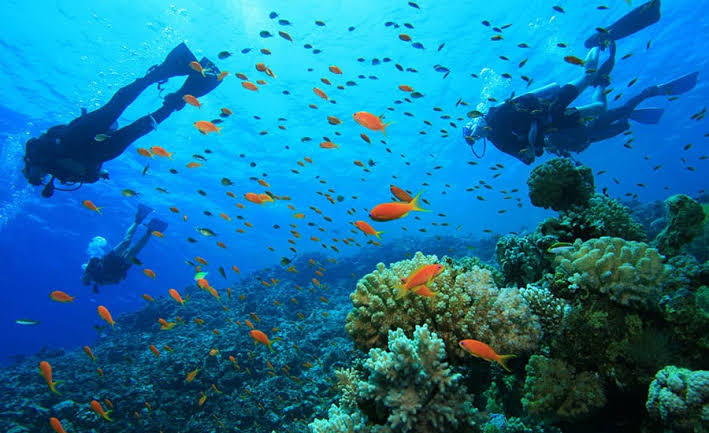
Malindi Marine Park coral reef with colorful tropical fish swimming through crystal clear waters
Today, the Park Remains a Success Story
The park is one of the examples of successful marine conservation in East Africa. It shows that protecting resources can benefit wildlife, local livelihoods, and tourism.
Crystal Clear Waters Full of Life
Visitors notice the clarity of the ocean. During the weather, visibility can exceed 20 meters. This makes underwater exploration an unforgettable experience.
The protected waters contain hundreds of fish species.
They move gracefully through coral gardens.
Bright blue surgeonfish, butterflyfish, angelfish, parrotfish, lionfish, and clownfish create a changing display.
Because Fishing is Prohibited Fish Populations Remain Healthy
Fish populations remain healthy because fishing is prohibited within the protected zone. Larger schools of fish are commonly seen. This gives snorkelers and divers wildlife encounters.
Coral Reefs That Support an Entire Ecosystem
Reefs form the foundation of life inside the park. They provide shelter, breeding grounds, and feeding areas for marine creatures. Healthy coral reefs also protect Kenya’s coastline by reducing wave energy.
Visitors Discover a Variety of Coral Formations
Visitors explore the reefs and discover a variety of coral formations. These include brain corals, table corals, branching corals, and massive boulder corals.
Snorkeling, for Every Experience Level
Many travelers consider snorkeling the way to experience the park. The shallow lagoons allow beginners to observe life. Guided snorkeling excursions provide masks, fins, and safety briefings.
Diving Beneath the Surface
Certified divers have opportunities to appreciate the underwater environment. Numerous dive sites surround the protected area. Each site offers coral structures, reef fish communities, and depths.
Some sites feature coral walls covered with soft corals and sea fans.
Others contain channels where rays occasionally glide across the seabed.
Night dives reveal a different marine world as octopuses emerge, crustaceans become active, and nocturnal fish begin hunting.
Sea Turtles Keep Migrating
Sea turtles are still really special here.
Green turtles and hawksbill turtles are often seen eating in seagrass or swimming slowly over the reefs. When its season, beaches are important for female turtles to lay eggs after they travel a long way across the Indian Ocean.
People who care about the environment work with communities to keep an eye on where turtles nest, help turtles that are hurt, and teach visitors about reducing pollution and protecting the ocean.
Watching a sea turtle move through the clear water makes a big impression and reminds visitors why we need to protect the ocean.
Dolphins Make Boat Trips More Fun
Sometimes when you go on a boat trip, you see dolphins playing in the water or swimming alongside the boat.
Spinner dolphins and bottlenose dolphins are often seen out at sea. Even though you can’t always see them, experienced boat captains know where they usually are.
When people watch wildlife, they have to do it in a way that doesn’t disturb the animals.
These surprise encounters are often a part of a coastal holiday.
Glass Bottom Boat Tours
Not everyone wants to snorkel or dive, so glass-bottom boat tours are an option.
These boats have windows that let you see coral reefs and colorful fish without getting in the water.
Families with kids, older travelers, or people who prefer to stay dry can still enjoy the beauty of the ocean.
Guides tell you about the kinds of coral, fish behavior, and conservation efforts, making the tour both fun and educational.
The Best Time to Visit
The park is open all year, but the weather affects how well you can see underwater.
From January to March, it’s usually warm the seas are calm. You can see really well underwater. These months are great for snorkeling, diving, and taking pictures.
From July to October, the weather is pleasant. The ocean conditions are good.
During the seasons, storms might reduce visibility, but there’s still a lot of marine life.
Planning activities during low tide often provides the best snorkeling experiences because the calm waters expose more reef areas.
Wildlife Beyond the Coral Reefs
The coastal ecosystem is more than the ocean.
Seabirds fly above the ocean looking for fish while herons and egrets search for food on the beach during low tide.
Mangrove forests along the coast provide a home for fish and crustaceans before they move to the reefs.
These mangroves also protect communities by keeping the shoreline stable and reducing erosion during storms.
Coral reefs, mangroves, and sea grass meadows are all. Depend on each other.
Supporting Local Communities Through Tourism
Tourism in the park helps local communities in many ways.
Local guides, boat operators, hotels, restaurants, artisans, and transportation providers all earn money from visitors.
Many former fishermen now work in tourism, which helps conserve the ocean resources that support their families.
Community conservation programs teach people about the importance of protecting the ocean.
Responsible tourism shows that economic development and environmental protection can work together.
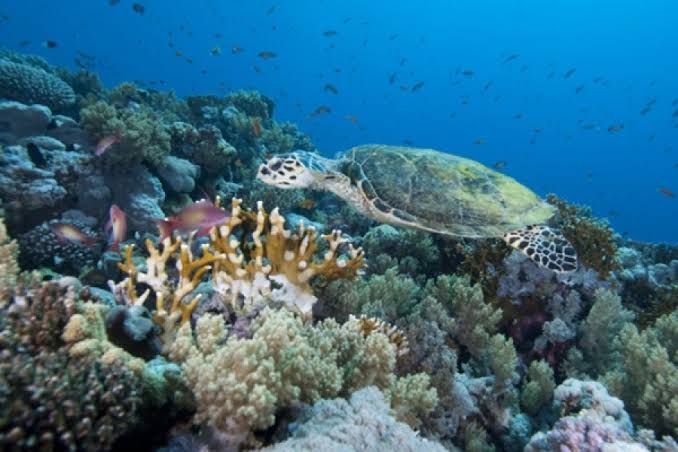
Sea turtle gliding above vibrant coral gardens in Malindi Marine Park beneath clear ocean waters
Practical Tips for Your Visit
Plan, and you will have time.
Wear sunscreen that’s safe for coral reefs to reduce the harm that chemicals can do to Malindi Marine Park: Kenyas Oldest Marine Protected Area.
It is a good idea to wear clothes that are light, hats, sunglasses, and bring a water bottle that you can use again to stay comfortable in the sun at Malindi Marine Park, Kenya’s Oldest Marine Protected Area.
Do not touch coral, collect shells, or feed the animals at Malindi Marine Park: Kenya’s Oldest Marine Protected Area.
Even small things can hurt the reefs at Malindi Marine Park, Kenya’s Oldest Marine Protected Area.
If you go snorkeling at Malindi Marine Park, try to stay underwater and do not stand on the coral reefs
Listen to the guide. You will be safe, and you will not hurt Malindi Marine Park
You can use a camera that’s waterproof to take pictures of the amazing things you see underwater at Malindi Marine Park: Kenyas Oldest Marine Protected Area without hurting the animals at Malindi Marine Park: Kenyas Oldest Marine Protected Area.
It is a good idea to go with a guide who knows what they are doing at Malindi Marine Park, Kenya’s Oldest Marine Protected Area.
This way, you can help take care of Malindi Marine Park: Kenya’s Oldest Marine Protected Area.
A Destination That Inspires Every Nature Lover
There are no places like Malindi Marine Park
It is a place that’s very beautiful and has a lot of different animals and plants
You can snorkel, dive, or take a boat ride. Just sit on the beach at the park
No matter what you do at Park, you will love it. Want to help take care of Malindi Marine Park: Kenya’s Oldest Marine Protected Area.
Malindi Marine Park: Kenya’s is not a place to go on holiday.
It shows us how we can take care of the earth and help the animals at Malindi Marine Park, Kenya’s Oldest Marine Protected Area.
When you visit Malindi Marine Park, you will learn a lot. and also have a great time
If you are going to the coast of Kenya, you should go to Malindi Marine Park
It is a special place
It has a lot of coral reefs and animals at the Park,
The people who live near Park, Kenya, are very friendly. The conservation efforts at Malindi Marine Park: Kenyas Oldest Marine Protected Area are very good.
Visiting Malindi Marine Park is an experience for everyone
You will see how beautiful Malindi Marine Park is. You will want to help take care of
Going to the park is not just about seeing the world at the park
It is about seeing how we can help take care of the earth and the animals, at Malindi Marine Park, Kenya’s Oldest Marine Protected Area.


