


Watamu Marine Park: Kenya’s Snorkeling and Sea Turtle
Watamu Marine Park is a great place to go snorkeling and see sea turtles. The coast of Kenya has a lot of beaches, but Watamu Marine Park has something special. It has coral reefs, calm waters, and lots of marine life. This park is 120 kilometers north of Mombasa and just south of Malindi.
People from all around the world know about Watamu Marine Park because it has so many different kinds of plants and animals. It is a place to go snorkeling. When you visit Watamu Marine Park, you can see lots of things. You can swim with fish or watch sea turtles moving slowly through the water.
Watamu Marine Park is a place for families, couples, or people who are traveling alone. Every time you visit, you can see something. You might see fish or watch sea turtles gliding through the water.
A Marine Paradise on Kenya’s Indian Ocean Coast
Watamu Marine National Park was established in 1968. It is one of the protected marine areas in Kenya. The Kenya Wildlife Service manages the park. It is also a UNESCO Biosphere Reserve because it is very important for the environment.
The park has reefs, lagoons, mangrove forests, seagrass beds, sandy beaches, and open ocean habitats. All these different ecosystems are home to thousands of species. These animals depend on each other to survive.
Unlike some beach destinations, Watamu Marine Park is protected. This means that people are not allowed to fish or do things that might hurt the environment in certain areas. This helps keep the reefs and marine life healthy.
When people visit the park, they can have fun. Also, help protect the environment. This is a way to take care of one of Kenya’s most valuable coastal ecosystems.
The water in Watamu Marine Park is very clear. This makes it perfect for snorkeling. The lagoons around the reef are shallow and calm. You can see underwater for a way. Even if you have never been snorkeling before, you can still explore the world.
As you snorkel, you can see lots of fish moving through the coral. You might see sea stars resting on the bottom. There are different kinds of fish, like butterflyfish, angelfish, and parrotfish. You can see these fish during guided snorkeling tours.
Local tour operators can provide you with the equipment you need to go snorkeling. They also give you safety briefings and guides who know the best places to snorkel. This helps keep the reefs safe.
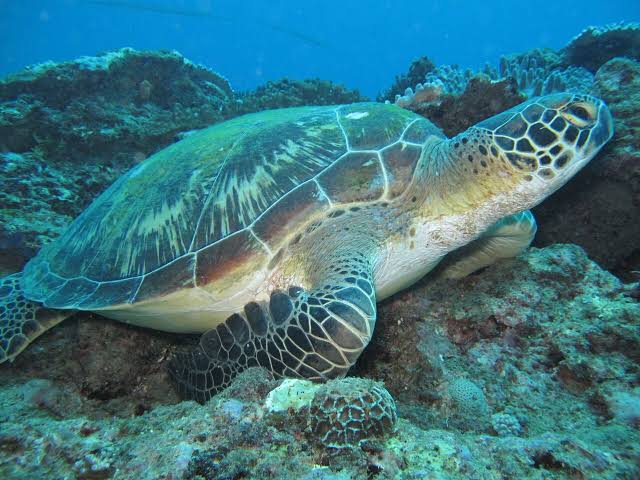
Sea turtle swimming above vibrant coral reefs in Watamu Marine Park’s crystal clear waters
Watamu Marine Park is a place for families to visit.
There are shallow areas where children can snorkel safely.
You can also see sea turtles at Watamu Marine Park. This is a special experience. The park is involved in projects to protect sea turtles. You can see turtles, hawksbill turtles, and other kinds of turtles.
Sea turtles eat seagrass and algae. Then they swim slowly across the reefs. Watching them is very peaceful. It is a memory that you will always remember.
Some organizations work with fishing communities to protect sea turtles. They rescue turtles that get trapped, watch over the beaches where turtles nest, and teach visitors about how to protect these animals.
If you visit at the time, you might see female turtles coming onto the beach to lay eggs. You might also see baby turtles making their way to the ocean for the first time. This is a special experience.
Watching sea turtles reminds us of how important it’s to protect the ocean and the animals that live in it. Watamu Marine Park is a place to learn about marine conservation and to see the beauty of the underwater world.
Coral Reefs Filled with Life
The coral reefs are really full of life. People call them the rainforests of the sea because they have many different kinds of animals and plants living there.
At Watamu, the reefs have all sorts of corals, like hard and soft corals. These corals make homes for lots of creatures. You will see branching corals, brain corals, table corals, and colorful sponge colonies. All these things give shelter to fish, octopuses, crustaceans, and lots of other organisms.
When you go diving or snorkeling, you might see moray eels hiding in places. Octopuses are really good at hiding; they can change color to blend in with the coral.
There are lots of creatures like sea cucumbers, sea urchins, feather stars, nudibranchs, and colorful reef crabs. They all add to the variety of life under the water.
Because the reefs are still healthy in places, people who take pictures underwater can take lots of amazing photos of marine life.
Excellent Diving Opportunities
Lots of people come to snorkel. Scuba diving is a whole different world.
Some companies teach diving. They have courses for beginners and for people who already know how to dive.
Some popular places to dive are the walls, the slopes of the reefs, underwater caves, and deeper channels. Sometimes you can see marine animals in these places.
Depending on the time of year, you might see reef sharks, eagle rays, stingrays, barracuda, giant groupers, Napoleon wrasse, and schools of snapper.
The water is usually very clear, so you can see the way. This makes diving more fun.
The people who teach diving make sure everyone is safe, and they also teach about the reefs and how to dive without hurting them.
Dolphins Along the Coast
If you take a boat trip past the reef, you might see dolphins swimming in the Indian Ocean.
There are two kinds of dolphins that you often see near Watamu: spinner dolphins and bottlenose dolphins.
It is really amazing to see dolphins jumping out of the water next to the boat.
The people who run the boat trips try not to bother the dolphins, so they keep a distance. This way, visitors can still see the dolphins really well.
If you go on a trip in the morning, you are more likely to see dolphins because the sea is usually calmer then.
Mangrove Forests Complete the Ecosystem
The marine park is connected to some mangrove forests near Mida Creek.
The mangroves are important because they are like nurseries for baby fish. They also stop the shore from eroding, make the water cleaner, and absorb a lot of carbon.
You can walk on wooden paths or take a canoe trip through the mangroves. This shows you another side of the environment in Kenya.
There are lots of birds in the mangroves, like kingfishers, herons, egrets, fish eagles, sandpipers, and many birds that migrate.
The mangroves are really peaceful, so it is nice to visit them after snorkeling.
Time to Visit
You can visit the marine park any time of the year, but the weather can affect how well you can see underwater.
From December to March, the sea is usually calm and warm. You can see really well when you snorkel or dive.
It is also nice to visit from July to October because the weather’s pleasant and the water is cooler.
In April and May, it rains more. You can still have sunny days, and there are not as many visitors.
If you go on a trip early in the morning, the sea is usually calmer before the wind picks up in the afternoon.
You should check the tide schedule so you can snorkel at the right times. Some parts of the reef are easier to get to when the tide’s a certain way.
Boat Excursions Beyond the Reef
There are boats with glass bottoms that let you see underwater without getting wet.
You can see gardens, colorful fish, and sometimes even sea turtles.
Some trips include stops for snorkeling and visits to sandbanks that appear when the tide is low.
These sandbanks are like islands in the turquoise water, and they are great places to have a picnic or take photos.
Some tours even include a lunch of seafood on the beach, so you can try some of the local food.
Conservation Makes Every Visit Meaningful
When you pay to get into the park, your money helps protect the coral reefs and the animals that live there.
There are park rangers who watch over the water, check the health of the coral, and make sure people follow the rules. They also teach visitors about being tourists.
You can make a difference by doing a few simple things. Do not stand on the reefs, do not take shells or pieces of coral, use sunscreen that is safe for the reef, and do not get too close to the animals.
If you choose a tour operator that follows the rules, you are helping to keep the park safe and healthy.
The marine park is an example of how protecting the environment and tourism can help both the animals and the local people.
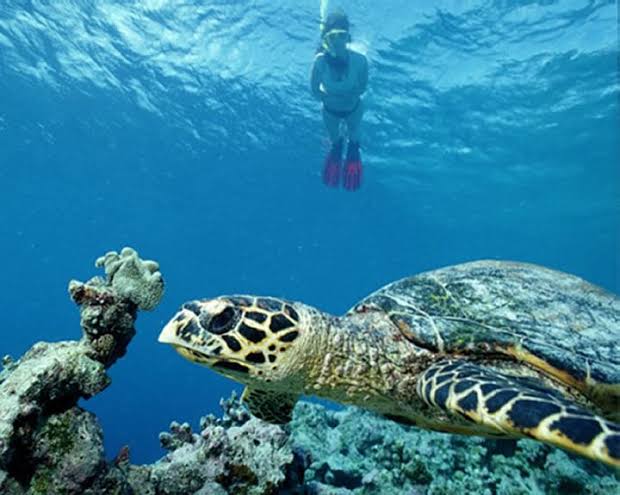
Colorful tropical fish swimming through healthy coral reefs inside Watamu Marine Park, Kenya underwater.
Coastal Culture Adds Another Dimension
Beyond the ocean, Watamu offers a chance to experience Kenya’s Swahili culture.
Nearby villages welcome visitors with arms, fresh seafood restaurants, local markets, and traditional buildings influenced by years of Indian Ocean trade.
Grilled fish, coconut rice, and tropical fruits introduce travelers to real coastal flavors.
Local artisans make baskets, jewelry, and colorful textiles that show generations of skill.
Combining culture with ocean adventures gives an understanding of Kenya’s coastal identity.
Wildlife Beyond the Ocean
Although ocean life gets attention, the area around Watamu has amazing wildlife too.
The nearby Arabuko Sokoke Forest is home to birds, elephants, and unique plants found only in East Africa.
Visitors often combine forest walks with ocean trips to enjoy two ecosystems close together.
This variety makes Watamu a great destination for travelers who like wildlife and beach relaxation.
Planning Your Visit
Most visitors drive to Watamu from Mombasa or Malindi, while domestic flights to Malindi Airport provide access from Nairobi.
Accommodation ranges from budget guesthouses to luxury beachfront hotels overlooking the Indian Ocean.
Booking snorkeling or diving trips through operators ensures good equipment, experienced guides, and respect for marine conservation.
Pack clothing, swimwear, sunscreen, sunglasses, a waterproof camera, and comfortable sandals. Bringing your snorkeling mask can be a good idea, although equipment rentals are available.
For the experience plan, at least two or three days in Watamu. This allows time to enjoy snorkeling, visit Mida Creek, explore nearby beaches, experience local culture, and relax beside the Indian Ocean.
For anyone looking for a coastal adventure, Watamu Marine Park delivers more than just beautiful beaches. Its coral reefs, sea turtle conservation, diverse marine life, peaceful mangroves, and welcoming communities create an experience that stays with visitors. Whether you spend your days floating above gardens or watching turtles return to the sea, Watamu Marine Park offers one of Kenya’s best natural experiences, inspiring every traveler to appreciate and help protect the Indian Ocean’s beauty.


